The right quotation book can unlock a stalled scene, sharpen an essay, or provide the encouragement to keep writing. This roundup brings together classic references, practical writing wisdom, and daily sources of creative inspiration.
We compare 10 standout options for different writing habits and goals, including research, motivation, style development, and public speaking.
Best 10 Quotation Books for Writers Picks for 2026
Best Overall Reference

- Reverse definition-to-term lookup
- Expanded vocabulary and categories
- Over 400 new literary quotations
Best For: Writers refining description and word choice
Best Inspirational Collection

- 650 writing-focused quotations
- Topics include revision and writer's block
- Space for personal notes
Best For: Writers seeking compact daily encouragement
Best Literary Keepsake

- More than 1,000 short quotations
- Eclectic selections across eras
- Illustrated print edition
Best For: Readers who enjoy reflective literary browsing
Best Craft-Wisdom Anthology

- Advice from over 400 authors
- Covers craft and publishing topics
- Includes anecdotes and writerly wisdom
Best For: Writers seeking broad practical perspective
Classic Wit

- More than 1,000 Will Rogers quotations
- Sayings organized by topic
- 313-page ebook with accessibility features
Best For: Writers and speakers seeking topical quotations from Will Rogers
Creative Spark

- Built specifically for creative writing
- More than 60 thematic categories
- Quotes from authors across centuries and continents
Best For: Creators seeking inspiration for stories, poetry, scripts, and blogs
Literary Foundations
Bartlett’s Familiar Quotations

- Includes King James Bible quotations
- Features lines from Shakespeare’s plays
- Compact 148-page print edition
Best For: Writers seeking classic biblical and Shakespearean quotations
Daily Motivation Pick

- 365 days of writing inspiration
- Quotes from hundreds of writers
- Encourages ideas and writing momentum
Best For: Daily motivation from a broad range of authors
Single-Author Wit Pick
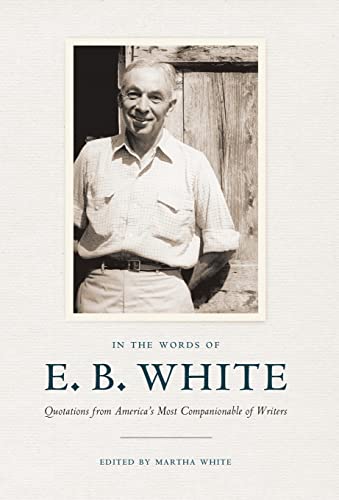
- Annotated E. B. White quotations
- Covers writing and everyday subjects
- Includes letters and journal material
Best For: Readers who value White’s distinctive voice and style
Writing-Process Reference

- Follows writing from idea to publication
- Covers craft and publishing topics
- Includes sources and biographical notes
Best For: Themed guidance on craft and the publishing journey
Best Overall Reference – Describer's Dictionary
For writers seeking quotation books for writers with a practical vocabulary-building function, Describer’s Dictionary is a particularly versatile choice. Its reverse definition-to-term format helps you move from an idea—such as a sound, physical state, or weather condition—to precise wording, while literary quotations show how those terms work in context.
Best For: Fiction and nonfiction writers who want a comprehensive descriptive-language reference with illustrative quotations.
Pros:
- Reverse format makes it easy to find a term from its meaning.
- Expanded edition adds categories, synonyms, and hundreds of definitions.
- Includes more than 400 new quotations and an index of over 600 quoted authors.
Cons:
- Its primary focus is descriptive vocabulary rather than general writing advice.
- At 608 pages, it is less compact than a small inspirational quote collection.
This is the strongest all-purpose option for writers who want quotations tied directly to word choice and description. Choose it when practical reference value matters more than a quick motivational read.
Best Inspirational Collection – Quotes on Writing by Writers
Quotes on Writing by Writers for Writers: 650 quotes to inspire, encourage and amuse writers
Check Price On AmazonQuotes on Writing by Writers for Writers is a focused digital collection for anyone comparing quotation books for writers by subject. Its 650 quotations are organized around familiar writing experiences, from purpose and process to procrastination, revision, persistence, and the pleasures of writing.
Best For: Writers who want a compact, searchable source of encouragement, practical perspective, and humor.
Pros:
- Includes 650 quotations about writing.
- Covers writerly challenges such as block, perfectionism, editing, and persistence.
- Leaves space for adding personal notes and quotations.
Cons:
- The 135-page ebook is less expansive than a large print reference.
- Its topic-based quote format may offer less detailed craft guidance.
With its broad range of writing-related themes and note-taking space, this is a convenient pick for a desk, tablet, or daily inspiration routine. It suits readers who want encouragement in short, accessible entries.
Best Literary Keepsake – A Writer's Commonplace Book
A Writer’s Commonplace Book offers a more personal approach to quotation books for writers. It gathers more than 1,000 short quotations selected from writers and commentators across many eras, creating an eclectic, illustrated volume that reads like the notebook of an experienced novelist.
Best For: Readers who value literary discovery, reflective quotations, and a beautifully presented print volume.
Pros:
- Collects more than 1,000 short quotations.
- Draws on writers and commentators from many periods.
- Illustrated design and compact dimensions make it suitable as a keepsake or gift.
Cons:
- Its eclectic selection is not organized as a technical writing manual.
- The book reflects one author’s personal taste and sensibility.
This is an appealing choice when you want quotations to browse, savor, and revisit rather than a tool for solving a specific craft problem. Its personal, literary character also makes it a natural gift for a writer or avid reader.
Best Craft-Wisdom Anthology – Advice to Writers
Advice to Writers is a strong option among quotation books for writers when you want commentary on both the creative process and the working life of an author. Jon Winokur brings together advice from more than 400 celebrated authors, covering subjects such as prose, editing, publicity, and the practical complications of a writing career.
Best For: Writers looking for varied perspectives, anecdotes, and professional wisdom from a wide range of literary figures.
Pros:
- Features counsel from more than 400 authors.
- Covers craft topics including passive voice, prose, editors, and revision-related concerns.
- Also addresses promotion, publicity, and the broader writer’s life.
Cons:
- The collection is broad, so individual advice may be brief.
- As an ebook, it may feel less like a traditional physical quotation anthology.
Choose this volume if you want quotations that extend beyond inspiration into craft, publishing, and professional realities. Its range makes it useful for writers who appreciate contrasting opinions and entertaining literary anecdotes.
Classic Wit – Will Rogers Speaks
For writers seeking a focused source of humor, commentary, and memorable lines, Will Rogers Speaks is a practical choice among quotation books for writers. Its collection of more than 1,000 sayings is organized by topic, making it easier to browse for inspiration or find a quotation suited to a speech, article, or creative project.
Best For: Writers and public speakers who want topic-organized quotations from Will Rogers.
Pros:
- Collects more than 1,000 quotations in one volume.
- Arranges the sayings by topic for easier browsing.
- Available as a 313-page English ebook with screen-reader support and enhanced typesetting.
Cons:
- Focuses specifically on Will Rogers rather than a broad range of authors.
- Readers looking for a general quotation reference may prefer a more varied collection.
This is a strong pick when you want a substantial, easily navigable collection centered on one distinctive voice. Its topical organization is especially useful when you need quick inspiration or a quotation with a particular tone.
Creative Spark – 1,000 Quotes For Writers
1,000 Quotes For Writers is designed specifically for creative work, making it one of the most directly targeted quotation books for writers. Its 60-plus categories cover moods, themes, literary groups, and writing challenges, so it can serve as a quick source of inspiration when developing characters, plots, settings, or ideas.
Best For: Fiction writers, poets, scriptwriters, bloggers, and other creators who want categorized prompts and inspiration.
Pros:
- Includes 1,000 quotations selected specifically for writers.
- Organizes material into more than 60 categories.
- Features quotations from authors spanning several centuries and continents.
- Useful for browsing, overcoming writer’s block, and sparking ideas.
Cons:
- The wide range of categories may feel less focused than a single-author collection.
- The supplied details do not identify a comprehensive author or source index.
Choose this volume if versatility matters more than historical reference depth. Its writer-centered organization and broad author selection make it particularly suitable for keeping nearby during brainstorming sessions or daily writing practice.
Literary Foundations – Bartlett’s Familiar Quotations
For writers who want foundational quotations from major English-language literary and religious texts, John Bartlett’s Familiar Quotations offers a compact reference. The supplied edition begins with selections from the King James Bible and continues with memorable lines from Shakespeare’s plays, making it a useful starting point for classic allusions and established literary phrasing.
Best For: Writers looking for familiar quotations from the Bible and Shakespeare.
Pros:
- Draws from the King James Bible and Shakespeare’s plays.
- Includes material from both prose and poetry traditions.
- Compact 148-page print edition with a portable format.
Cons:
- The supplied description emphasizes Bible and Shakespeare selections rather than a broad modern range.
- At 148 pages, it is shorter than the other listed quotation collections.
This is the best fit for writers who value canonical references and want a small physical book rather than a large, widely categorized anthology. It is less suited to readers seeking contemporary voices or specialized creative-writing prompts.
Daily Motivation Pick – Writers Inspiring Writers
Writers Inspiring Writers: Insight from Famous Writers to Keep You Writing 365 Days a Year
Check Price On AmazonFor writers seeking quotation books for writers that provide regular encouragement, Writers Inspiring Writers offers 365 days of inspiration and practical insight. Its collection draws on hundreds of writers and covers starting, continuing, and strengthening a writing practice.
Best For: Writers who want a daily motivational companion and broad exposure to advice from notable authors.
Pros:
- Organized to provide inspiration for every day of the year.
- Includes voices such as Ernest Hemingway, Stephen King, Toni Morrison, George Orwell, and Margaret Atwood.
- Addresses starting projects, finding ideas, maintaining momentum, and writing boldly.
Cons:
- The wide-ranging collection may feel less specialized than a single-author quotation book.
- Its emphasis is primarily inspiration and insight rather than detailed writing instruction.
With 400 pages and contributions representing many writing perspectives, this is a strong choice for readers who want a substantial, encouraging book to revisit throughout the year.
Single-Author Wit Pick – In the Words of E. B. White
In the Words of E. B. White: Quotations from America's Most Companionable of Writers
Check Price On AmazonAmong quotation books for writers, In the Words of E. B. White stands out for its focused portrait of one influential writer. The annotated selection covers White’s observations on language, writing, everyday life, and subjects ranging from childhood to work and worry.
Best For: Readers and writers who specifically appreciate E. B. White’s wit, style, essays, and practical perspective on language.
Pros:
- Features quotations selected and annotated by White’s granddaughter and literary executor.
- Draws from books, essays, letters, and journals, including published and unpublished material.
- Organizes quotations across a broad range of everyday and literary topics.
Cons:
- Its single-author focus may be less useful for writers seeking varied contemporary voices.
- The book is aimed at adult readers and is not presented as a daily quotation guide.
This 252-page annotated collection is a thoughtful choice for anyone who wants to study the humor, clarity, and humanity associated with one major American literary voice.
Writing-Process Reference – Writers on Writing
Writers on Writing is a practical option among quotation books for writers because its selections follow the writing journey from initial idea through publication. It combines quotations, source information, dates, and brief biographical notes while covering craft, publishing, and common writer concerns.
Best For: Writers who want themed quotations about both the creative process and the business of getting work published.
Pros:
- Arranges material around stages such as getting started, drafts, editing, agents, and publication.
- Covers craft topics including plot, character, dialogue, genres, and writing styles.
- Provides original sources where known, dates, and short biographical notes.
Cons:
- At 198 pages, it is shorter than some expansive quotation collections.
- Its inclusion of topics such as alcohol, money, rivals, and plagiarism may make the tone uneven for some readers.
The focused themes make this a useful browse-and-reference book for writers who want candid perspectives on both writing craft and the publishing process.
How We Picked the Best Quotation Books for Writers
We looked for books that offer more than a random collection of memorable lines. The strongest choices provide dependable editorial value, useful organization, broad literary coverage, or a clear benefit for a writer’s daily practice. We also considered the balance between inspiration and reference value, the range of authors represented, and how easily readers can find a quotation or idea when they need one.
The selection includes specialized writing advice, descriptive language, commonplace-book inspiration, author-focused collections, public-speaking material, and major literary reference works. Because writers use quotation books differently, no single title is ideal for every reader.
Quick Comparison
| Best For | Look For | Standout Type |
|---|---|---|
| Daily motivation | Short, encouraging entries | 365-day or inspirational collections |
| Writing craft | Advice from established authors | Writer-focused commentary and wisdom |
| Word choice | Descriptive terms and literary examples | Specialized language reference |
| Research and citation | Broad coverage and strong organization | Classic quotation references |
| Speechwriting | Memorable lines and public-speaking relevance | Large quotation anthologies |
Key Buying Factors for Quotation Books for Writers
Purpose and Writing Stage
Choose a motivational collection if you want help maintaining a regular practice. For revision, poetry, fiction, or descriptive work, a language-focused reference may be more useful. Writers researching essays, articles, speeches, or historical context should prioritize breadth and discoverability.
Organization and Accessibility
Alphabetical indexing, subject categories, author indexes, and clear source information make a quotation book easier to use. A beautifully curated collection can still be frustrating if you cannot quickly locate a theme, writer, or phrase.
Scope and Editorial Reliability
Large anthologies offer variety, but size alone does not guarantee usefulness. Check whether the book identifies sources, includes influential writers from different periods, and provides enough context to reduce the risk of misusing or misattributing a quotation.
Format and Desk Space
Consider whether you want a compact book for frequent browsing, a substantial reference volume for a writing desk, or a structured daily-reading format. Print books are especially useful for serendipitous discovery, while digital access may suit writers who search frequently.
Who Should Buy Which Quotation Books for Writers?
Choose a descriptive reference if your main challenge is finding precise, evocative language. Choose a craft-focused collection if you want practical encouragement and insight from experienced writers. Choose a daily inspiration book if consistency, confidence, or creative momentum is your priority.
Choose a comprehensive classic anthology for research, speeches, and broad literary browsing. Choose an author-specific volume if you admire a particular writer’s voice and want concentrated insight. Readers who write professionally across formats may benefit from pairing a motivational title with a more searchable reference work.
Before buying, check the edition, table of contents, indexing, and source notes. The best quotation book is the one that matches how you actually write—whether that means a quick spark during a difficult draft or a dependable resource for research and revision.