Multiplication can click faster with the right practice book. The best multiplication workbooks give kids focused drills, clear progression, and enough repetition to build speed without overwhelming them.
Below, we’ve narrowed the field to 10 strong options for grades 2 to 5, from beginner-friendly single-digit practice to more intensive timed tests and mixed math review.
Best 10 Multiplication Workbooks Picks for 2026
Timed Test Builder
Humble Math 100 Days of Timed Tests

- 100 days of timed multiplication practice
- Reproducible sheets for repeated use
- Answer key included for self-checking
Best For: Daily fact-fluency drills and quick timed practice
Kumon Step-by-Step

- Logical progression with plenty of practice
- Addition review plus facts 1 through 10
- Built on the Kumon Method
Best For: Grade 3 learners who need steady, structured skill building
Daily Fact Practice
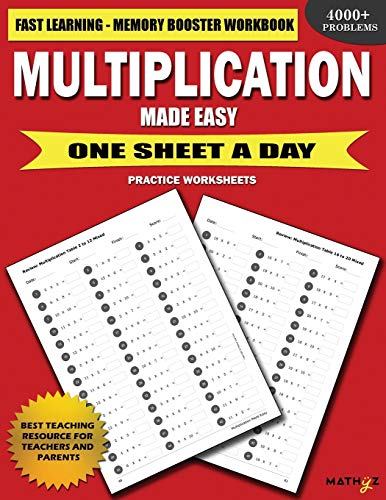
- Over 4,000 multiplication facts for practice
- One set per page supports daily use
- Charts, quick facts, and mixed facts
Best For: Students who need high-volume, daily fact practice
Colorful Skill Builder
IXL Multiplication 4th Grade Math Workbook

- Covers key 4th grade multiplication skills
- Colorful pages with varied activities
- Connects to IXL website or app
Best For: 4th graders who want engaging practice plus digital reinforcement
Ronny’s 100-Day Multiplication Starter
Multiplication Workbook for Digits 0–12

- 100 days of daily multiplication practice
- Covers facts from 0 through 12
- Includes fun math facts and mixed review
Best For: Young learners who need a fun daily introduction to multiplication
School Zone Skills Builder
Multiplication & Division Workbook

- Includes multiplication, division, estimation, and word problems
- Clear step-by-step instructions for kids ages 8 to 10
- Compact 32-page workbook with answer key
Best For: 3rd–4th graders needing a short, structured math practice book
100-Day Times Table Trainer
Multiplication Workbook: 100 Days of Practice to Master Times Tables
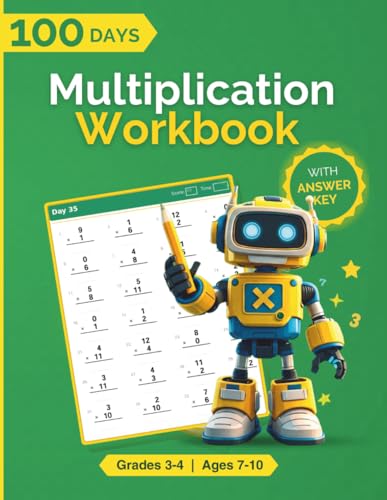
- 100 daily drills for steady multiplication practice
- Timed format with score and time tracking
- Separate sections for ×0–×6 and ×7–×12
Best For: Grades 3–4 students who need structured timed practice
School Zone Pick
Multiplication Facts Made Easy Workbook

- Covers facts, arrays, skip counting, and word problems
- Includes answer key pages and a reward certificate
- Perforated pages support tear-out practice
Best For: 3rd- and 4th-grade kids needing colorful, guided multiplication practice
Channie’s Choice
One Page A Day Beginner Multiplication Workbook
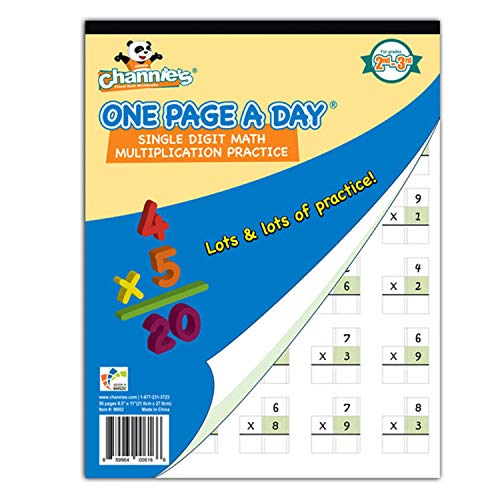
- One-page-a-day format for daily repetition
- Uses a simple single-digit multiplication table
- Built for copying, writing, and practice
Best For: 2nd- and 3rd-grade beginners who need simple daily multiplication repetition
Timed Drill Pick
Multiplication and Division Workbook

- 150+ pages of timed test worksheets
- 4,500+ equations with digits 0-20
- Includes multiplication, division, and solutions
Best For: Grades 3-5 students needing high-volume timed math practice
Timed Test Builder – Humble Math 100 Days of Timed Tests
If you want multiplication workbooks that turn short daily practice into faster recall, this set is built for that routine. It gives students 100 days of reproducible timed tests covering facts 0-12, making it a straightforward choice for consistent drill and progress tracking.
Best For: Students who need daily timed multiplication practice with simple, reproducible worksheets.
Pros:
- 100 days of multiplication practice helps support steady review over time.
- Reproducible practice sheets make it easy to reuse with multiple students.
- Covers digits 0-12, with an answer key included in the back.
- Compact format is easy to use for quick daily sessions.
Cons:
- Focused on timed drills, so it may not suit learners who need a more guided lesson format.
- Best fit for facts practice rather than broader math instruction.
This workbook is a practical pick if your goal is repetition, speed, and fact fluency. It keeps the structure simple and predictable, which can make it easier to build a daily habit.
Kumon Step-by-Step – Grade 3 Multiplication
Among multiplication workbooks, this Kumon title is aimed at gradual skill-building for Grade 3 learners. It follows the Kumon Method with logical progression and plenty of practice, and it focuses on addition review plus single-digit multiplication by 1 through 10.
Best For: Grade 3 students who benefit from structured, incremental multiplication practice.
Pros:
- Uses the Kumon Method, which introduces topics in a logical progression.
- Includes addition review alongside single-digit multiplication practice.
- Provides plenty of practice to help children master one skill at a time.
- Overlaps with Common Core State Standards.
Cons:
- Primarily centered on Grade 3 skills, so it may be too narrow for other levels.
- Not designed as a colorful or highly game-like workbook.
This is a strong choice if you want a workbook that leans on repetition without rushing the learner. Its gradual pacing can help reduce frustration while building multiplication confidence.
Daily Fact Practice – Multiplication Made Easy
If you’re comparing multiplication workbooks for frequent practice, this one is built around a one-sheet-a-day routine. It includes more than 4,000 multiplication facts, starts with times table charts, and then moves into quick and mixed facts for ongoing review.
Best For: Kids who need a large volume of daily multiplication practice in a simple worksheet format.
Pros:
- More than 4,000 multiplication facts provide a lot of practice material.
- One set per page makes it easy to use as a daily routine.
- Starts with times table charts before moving into quick and mixed facts.
- Answer key is included at the end of the book.
Cons:
- Recommended grade range is very young, so it may not fit older students.
- Focuses heavily on repetition rather than varied activities.
This workbook is best if you want a straightforward drill resource with lots of repetition. The simple layout and daily pace make it easy to track practice consistently.
Colorful Skill Builder – IXL Multiplication 4th Grade Math Workbook
This IXL workbook is a useful option if you want multiplication workbooks with a mix of offline and online support. It covers must-know 4th grade multiplication skills, includes colorful pages and varied activities, and connects to the IXL website or app for extra practice.
Best For: 4th graders who want engaging multiplication practice with digital support.
Pros:
- Covers must-know 4th grade multiplication skills, including times table facts and properties.
- Colorful pages and varied activities help keep practice more engaging.
- Works with the IXL website or mobile app for extra questions and instant feedback.
- Created by mathematics experts and trusted by over 1 million educators.
Cons:
- Geared specifically to 4th grade, so it may not match other levels well.
- Digital extras are tied to the IXL ecosystem.
This workbook stands out if you want a more modern practice experience with both print and app-based learning. It blends skill coverage with support tools that can help reinforce confidence.
Ronny’s 100-Day Multiplication Starter – Multiplication Workbook for Digits 0–12
Multiplication Workbook for Digits 0 – 12: Practice 100 days of math drills with Ronny the Frenchie
Check Price On AmazonThis multiplication workbook is built for kids who need a gentle, repeatable way to learn facts from 0 through 12. The 100-day format keeps practice short and consistent, while the mixed-problem sections help reinforce what children learn as they progress.
Best For: Ages 6–12 who benefit from daily multiplication practice with a fun, story-driven format.
Pros:
- 100 days of practice create a clear routine for skill-building.
- Covers multiplication from 0–12, then moves into mixed problems.
- Includes fun math facts throughout to keep kids engaged.
- Page-a-day format makes it easy to use a little at a time.
Cons:
- Focused mainly on drills and fact practice, not broader math topics.
- Best suited to children who like structured daily work.
Overall, this is a straightforward choice for families looking for multiplication workbooks that combine repetition with a lighter, more encouraging presentation. It fits well as a daily practice book for young learners building foundational times-table fluency.
School Zone Skills Builder – Multiplication & Division Workbook
This multiplication workbook is a compact option for kids ages 8 to 10 who need practice with multiplication, division, estimation, and word problems. Clear examples and step-by-step instructions make it approachable for children working at their own pace.
Best For: 3rd and 4th graders who need a slim, easy-to-pack workbook for multiplication and division practice.
Pros:
- Covers multiple skills, including multiplication, division, estimation, and word problems.
- Clear examples and step-by-step instructions support independent practice.
- Includes answer key pages and a completion certificate.
- Small 32-page format is easy to pack in a backpack or bag.
Cons:
- Shorter than many full-length workbooks.
- Designed for a narrow age range, mainly 8 to 10 years old.
As one of the more focused multiplication workbooks in this roundup, it works well for quick practice and reinforcement rather than long study sessions. The mix of skills makes it especially useful if you want multiplication practice paired with related math review.
100-Day Times Table Trainer – Multiplication Workbook: 100 Days of Practice to Master Times Tables
This multiplication workbook is designed for Grades 3–4 and uses 100 days of daily drills to help children build speed and confidence with times tables. The layout stays uncluttered, and the workbook separates lower and higher facts into two sections so practice progresses in a clear order.
Best For: Grades 3–4 learners who need daily timed drills and a step-by-step path to mastering multiplication facts.
Pros:
- 100 days of practice with a gradual progression from easier to harder facts.
- Separate grade-level sections for ×0–×6 and ×7–×12.
- Timed test format with score and time trackers on every page.
- Complete answer key is included in the back.
Cons:
- Primarily drill-based, so it may feel repetitive for some learners.
- Best suited to children already working on memorizing multiplication facts.
If you want multiplication workbooks that emphasize steady mastery through repetition, this one is a strong fit. Its structured daily format makes it easy to use for classroom practice, homeschool review, or extra help after school.
School Zone Pick – Multiplication Facts Made Easy Workbook
If you want multiplication workbooks that keep practice structured and kid-friendly, this School Zone title focuses on facts, skip counting, arrays, and word problems in a compact 64-page format. It uses step-by-step examples, easy directions, and colorful illustrations to help 3rd and 4th graders stay engaged while they practice.
Best For: 3rd- and 4th-grade kids who need a colorful, standards-aligned workbook for multiplication facts and related skills.
Pros:
- Covers multiplication facts, arrays, skip counting, and word problems.
- Includes 58 activity pages, answer key pages, and an award certificate.
- Perforated pages make it easy to tear out individual worksheets.
- Designed for ages 8 to 10 with a travel-friendly size.
Cons:
- Best suited to younger elementary learners rather than advanced practice.
- Focused more on guided practice than high-volume drill pages.
This is a strong pick if you want a workbook that mixes core multiplication practice with a little variety and reward-based motivation. The format is simple, portable, and built to reinforce math skills without feeling overwhelming.
Channie’s Choice – One Page A Day Beginner Multiplication Workbook
For multiplication workbooks that emphasize repetition and a simple format, this Channie’s title uses a one-page-a-day approach built around a single-digit multiplication table. It’s designed to help teachers, parents, and students practice copying and writing one number at a time, making it easy to fit into short daily study sessions.
Best For: 2nd- and 3rd-grade students who learn best with daily repetition and a simple multiplication table format.
Pros:
- Built around a simple, easy-to-remember multiplication table.
- One-page-a-day format supports short, consistent practice.
- Designed for beginners and early elementary learners.
- Focuses on writing, copying, and repetition exercises.
Cons:
- Limited to single-digit beginner multiplication practice.
- Less variety than workbooks with mixed problem types.
This workbook makes sense if you want a very straightforward practice tool without extra distractions. It’s especially appealing for families or classrooms that want a repeatable routine for mastering basic multiplication.
Timed Drill Pick – Multiplication and Division Workbook
If you’re comparing multiplication workbooks for heavier practice, this one stands out for its large volume of timed test drills and more than 4,500 equations. It combines multiplication and division practice with single-digit and double-digit questions, missing operand items, and score tracking on every page.
Best For: Grades 3-5 students who need high-volume timed drills covering both multiplication and division.
Pros:
- Offers 150+ pages of timed test worksheets.
- Includes 4,500+ equations with digits 0-20.
- Covers multiplication, division, and missing operand questions.
- Solutions are included at the back of the book.
Cons:
- Timed drills may feel intense for kids who prefer gentler practice.
- Broader focus may be more than needed if you only want multiplication.
This is the best fit when practice volume matters more than variety in presentation. The combination of timed worksheets, answer solutions, and mixed equation types makes it a practical choice for reinforcing speed and accuracy.
How We Picked These Multiplication Workbooks
We looked for Multiplication Workbooks that support real skill growth, not just busywork. Priority went to books with clear grade targeting, repeated practice opportunities, answer keys when available, and formats that make daily use easy for parents, tutors, and classroom settings.
We also favored options that cover different learning styles, including timed tests, one-page-a-day layouts, and books that mix facts with word problems, arrays, skip counting, and related division practice.
Quick Comparison
For pure fluency, timed drill books are usually the best fit. For younger or hesitant learners, gentler daily practice books can reduce frustration and build confidence first. If your child needs broader support, choose Multiplication Workbooks that include visual models, estimation, or division review so the skills connect more naturally.
Key Buying Factors for Multiplication Workbooks
Grade Level and Skill Range
Match the workbook to the child’s current level. A workbook that is too easy may feel repetitive, while one that is too advanced can lead to frustration. Look for labels such as grades 2–3, grades 3–4, or specific fact ranges like 0–12 or 0–20.
Practice Style
Timed tests work well for students who already understand the facts and need speed. Daily one-page worksheets are better for steady habit-building. Mixed-skill books can help learners who still need support with patterns, skip counting, and multiplication meaning.
Format and Usability
Reusable or reproducible pages can be helpful for classrooms and homeschooling. Tear-off sheets, answer keys, and short daily lessons also make it easier to keep practice consistent.
Depth of Coverage
Some Multiplication Workbooks focus only on basic facts, while others add arrays, word problems, and division. If your child needs stronger math transfer, choose a workbook with broader coverage rather than facts alone.
Who Should Buy Which Multiplication Workbooks?
Choose a timed drill workbook for students ready to build speed and accuracy. Pick a beginner workbook for kids just learning the facts or needing a lighter daily routine. Select a workbook with word problems and division if you want a more complete math review. For homeschooling or tutoring, the most useful Multiplication Workbooks are the ones with clear structure, answer support, and enough pages to maintain momentum over several weeks.