The best pocket field guide books make outdoor learning more practical by putting reliable identification tips and essential skills in a packable format. This roundup covers options for wildlife watching, foraging, geology, hunting, and first aid.
Use the buying guide below to match the right guide to your region, activity, experience level, and preferred format.
Best 10 Pocket Field Guide Books Picks for 2026
Top Birding Pick

- 160 North American bird species
- Photos, illustrations, and bird biographies
- Color index and field-observation tips
Best For: Beginning birders and casual nature walks
Best Hunting Companion
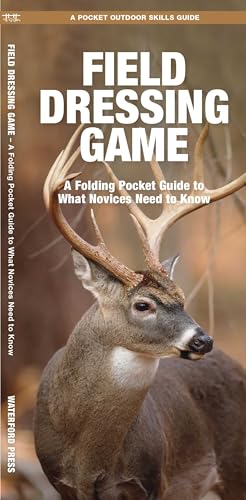
- Covers multiple fish and game species
- Includes safety, legal, and etiquette guidance
- Laminated folding format for field use
Best For: Novice hunters needing quick field reference
Best for Rockhounds

- Covers 160 rocks, minerals, fossils, and landforms
- Includes photos, illustrations, and identification points
- Introduces geology basics for beginners
Best For: Rock collectors, hikers, and science learners
Best Emergency Reference

- Covers common outdoor emergencies
- Provides step-by-step practical advice
- Compact for packs, pockets, and cabins
Best For: Outdoor first-aid preparation and emergency kits
Mushroom Identification

- Covers 60+ edible and 14 poisonous species
- Includes identification and harvesting tips
- Laminated folding format for field use
Best For: Mushroom foragers needing a compact North American reference
Field Dressing Guide

- Covers skinning, boning, packing, and basic cuts
- Separate sections for big game and birds
- Waterproof pages wash clean
Best For: Hunters seeking a durable field-dressing reference
Wild Plant Identification

- Covers 100+ familiar edible species
- Includes berries, nuts, leaves, and roots
- Notes poisonous plants and look-alikes
Best For: Beginning foragers needing a portable plant guide
Best Pocket Insect Guide
National Geographic Insects of North America

- Compact 8-ounce design
- Photos, illustrations, and key facts
- Logical, bulleted organization
Best For: Beginners and casual North American insect watchers
Best Folding Track Guide
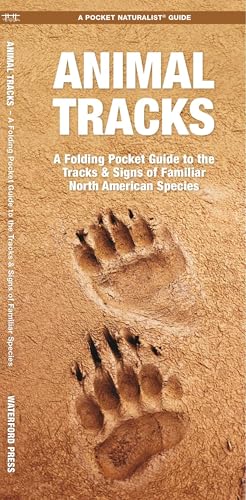
- Laminated folding format
- Covers 65 North American species
- Built-in ruler for measurements
Best For: Outdoor tracking, education, and lightweight field use
Best Medicinal Plant Reference
Peterson Medicinal Plants & Herbs

- Covers over 530 medicinal plants
- Includes 700-plus images
- Features uses and simplified warnings
Best For: In-depth plant study in eastern and central North America
Top Birding Pick – National Geographic Birds
National Geographic Pocket Guide to the Birds of North America | cycling-equipment
Check Price On AmazonFor shoppers comparing pocket field guide books, the National Geographic Pocket Guide to the Birds of North America is a colorful, approachable choice for learning common North American birds. Its compact format combines illustrations, photographs, identification facts, and short bird biographies in a guide designed to carry outdoors.
Best For: Beginning birders who want an easy-to-stash introduction to North American species.
Pros:
- Covers 160 prominent North American bird species in a 192-page guide.
- Combines photographs, illustrations, essential facts, and behavior-focused descriptions.
- Includes a color index and tips for observing, tracking, and identifying birds.
Cons:
- It is positioned as a beginner introduction rather than an exhaustive reference.
- The small format may limit the amount of detail available for each species.
Choose this guide if portability and approachable presentation matter more than comprehensive species coverage. The combination of visual identification help and readable bird profiles makes it especially suitable for casual walks and first birding outings.
Best Hunting Companion – Field Dressing Game
Among pocket field guide books, Field Dressing Game stands out as a compact reference for hunters who need simplified field-dressing guidance at hand. The laminated folding design covers several types of fish and game while also addressing safety, legal considerations, and etiquette.
Best For: Novice hunters seeking a lightweight, durable field reference during hunting season.
Pros:
- Provides simplified procedures for rabbits, squirrels, deer, waterfowl, turkeys, and other game.
- Includes information on safe transport, hunting safety, legal issues, and etiquette.
- Laminated, folding, and lightweight for practical outdoor use.
Cons:
- Its 12-page folding format offers less depth than a full-length book.
- The focus is introductory, so experienced hunters may want a more specialized reference.
This is a practical pick when durability and quick access outweigh extensive explanation. Its narrow focus and laminated construction make it particularly convenient to keep in a pocket or hunting pack.
Best for Rockhounds – National Geographic Rocks
National Geographic Pocket Guide to Rocks and Minerals of North America | cycling-equipment
Check Price On AmazonThe National Geographic Pocket Guide to Rocks and Minerals of North America is a strong option for anyone comparing pocket field guide books for geology. It covers 160 rocks, minerals, fossils, and landforms with photographs, fact boxes, descriptions, and an introduction to basic identification concepts.
Best For: Beginning rock collectors, young learners, and science-minded hikers exploring North American geology.
Pros:
- Includes 44 rocks, 44 minerals, 20 fossils, and 52 landforms.
- Uses color photographs, illustrations, fact boxes, and key identification points.
- Explains geology basics and how geological features formed and were used.
Cons:
- Its beginner-friendly scope may not satisfy advanced collectors.
- The compact format necessarily limits the depth of each entry.
This guide balances breadth and portability well. It works as both a trail companion and an at-home starting point for identifying familiar specimens such as granite, agate, fossils, and landforms.
Best Emergency Reference – Pocket First-Aid Guide
For shoppers seeking pocket field guide books with practical outdoor value, The Pocket First-Aid Field Guide offers portable guidance for emergencies away from immediate help. Written as advice from an outdoor-oriented doctor, it presents step-by-step information on issues ranging from sprains and allergic reactions to CPR, choking, shock, and snakebite.
Best For: Hikers, campers, anglers, and cabin owners preparing for outdoor first-aid situations.
Pros:
- Covers a broad range of outdoor emergencies and injuries.
- Includes step-by-step instructions and practical prevention advice.
- Compact size fits a pocket, backpack, campsite kit, or cabin.
Cons:
- It should supplement, not replace, professional medical care or emergency services.
- The broad subject range may limit detail on any single injury.
This is a sensible preparedness addition for outdoor kits, especially where help may not be immediately available. Its value comes from portability and broad coverage rather than from serving as a complete medical textbook.
Mushroom Identification – North American Species
For anyone comparing pocket field guide books for mushroom foraging, this folding reference focuses on familiar North American species in a compact, field-ready format. It covers more than 60 edible species and 14 poisonous species, with identification and harvesting tips.
Best For: Foragers, hikers, and nature enthusiasts who need portable mushroom identification information.
Pros:
- Highlights more than 60 edible and 14 poisonous species.
- Includes tips for identifying and harvesting wild mushrooms.
- Laminated, lightweight, and designed for field use.
- Covers familiar, widespread North American species.
Cons:
- Its 12-page folding format provides a simplified reference rather than an extensive mushroom manual.
- It focuses on familiar North American species, so coverage may not suit every region.
This is a practical choice when portability and basic species coverage matter most. The laminated construction is particularly useful outdoors, while the poisonous-species section adds important identification context.
Field Dressing Guide – Big Game and Game Birds
Among pocket field guide books for hunters, this waterproof reference is built around the practical steps of field dressing game. It covers basic cuts, skinning, boning, packing, and contamination avoidance, with separate sections for big game and game birds.
Best For: New and experienced hunters who want a washable field-dressing reference.
Pros:
- Covers skinning, boning, packing, basic cuts, and related techniques.
- Divided into big-game and game-bird sections.
- Waterproof plastic pages can be washed after exposure to blood or water.
- Illustrated instructions are designed to be easy to understand.
Cons:
- Its subject is limited to field dressing rather than broader hunting skills.
- The supplied details do not specify the number of pages or techniques covered.
This guide stands out for its durable, washable construction and focused organization. It is a useful add-on for a hunting kit, especially for users who want straightforward guidance in messy outdoor conditions.
Wild Plant Identification – Edible North American Species
For shoppers seeking pocket field guide books for foraging, this folding guide offers a concise introduction to familiar North American edible plants. It identifies more than 100 berries, nuts, leaves, and roots, while also warning about poisonous plants and look-alikes.
Best For: Foragers and outdoor enthusiasts learning to identify common edible wild plants.
Pros:
- Identifies more than 100 familiar North American species.
- Covers edible berries, nuts, leaves, and roots.
- Includes harvesting information for edible plant parts.
- Warns about poisonous plants, including contact-poison hazards.
Cons:
- Its simplified 12-page format is not a comprehensive botany reference.
- Coverage centers on familiar North American species and may not match every location.
This is a compact, practical option for basic plant recognition and harvesting guidance. Its inclusion of poisonous plants and dangerous look-alikes makes it more useful for cautious field reference than an edible-species-only guide.
Best Pocket Insect Guide – National Geographic Insects of North America
National Geographic Pocket Guide to Insects of North America: From Your Favorite Field Guide Experts
Check Price On AmazonIf you want pocket field guide books for identifying insects on hikes, in gardens, or at home, this National Geographic volume offers a compact and approachable option. It combines descriptive information, photography, illustrations, and key facts in an easy-to-reference format.
Best For: Beginners, casual naturalists, and anyone seeking a portable North American insect reference.
Pros:
- Compact 4.29-by-7.24-inch format weighs only 8 ounces.
- Uses photographs, newly commissioned art, and graphics to support identification.
- Logical organization and bulleted information make quick field reference easier.
Cons:
- At 184 pages, it may offer less coverage than a larger specialist guide.
- Its focus is North American insects, so it is not intended as a worldwide reference.
This is a practical choice when portability and readability matter most. It works equally well outdoors or as a convenient in-home reference.
Best Folding Track Guide – Animal Tracks
Among pocket field guide books, this folding guide stands out for portability and durability. It covers tracks and signs from 65 familiar North American species and includes a ruler to help users measure what they find outdoors.
Best For: Trackers, hikers, educators, students, and naturalists who need a lightweight outdoor companion.
Pros:
- Folding format is easy to carry in a pocket or pack.
- Laminated construction is suited to outdoor learning and wilderness use.
- Includes a handy ruler for measuring tracks and signs.
- Covers 65 common North American species with illustrations.
Cons:
- Its 12-page folding format provides less depth than a full-length book.
- Coverage focuses on familiar North American species rather than global wildlife.
This guide is a strong fit for quick identification and hands-on learning. Choose it when weather resistance, measuring ability, and minimal pack weight are higher priorities than extensive text.
Best Medicinal Plant Reference – Peterson Medicinal Plants & Herbs
For readers seeking pocket field guide books with broad plant coverage, this third-edition Peterson guide provides detailed identification help for more than 530 medicinal plants in eastern and central North America. It combines concise descriptions with images, habitat information, uses, and warnings.
Best For: Serious plant learners and naturalists exploring medicinal plants in eastern and central North America.
Pros:
- Covers more than 530 native and alien medicinal plants.
- Includes over 700 images to support identification.
- Provides key traits, habitats, uses, and warnings.
- Color organization and simplified warnings are designed for faster reference.
Cons:
- At 480 pages and 1.3 pounds, it is heavier than a slim pocket guide.
- Its geographic scope is limited to eastern and central North America.
- Identification guidance does not replace careful attention to the included warnings.
This is the most comprehensive option of the three, but its expanded coverage adds bulk. It makes sense for readers who value depth and safety information over the lightest possible field load.
How We Picked the Best Pocket Field Guide Books
We selected guides that serve distinct outdoor needs, including species identification, field dressing, emergency care, and nature study. Priority went to books with practical layouts, recognizable subject coverage, portable formats, and useful information for beginners as well as experienced outdoorspeople. Regional relevance also matters: a guide focused on eastern and central North America may be more useful than a broad national reference for local plant identification.
Because field conditions can be demanding, we also considered whether a book is easy to consult outdoors. Folding guides and compact editions are particularly useful when you need quick visual comparisons rather than lengthy explanations.
Quick Comparison
| Best For | Recommended Guide Type | What to Look For |
|---|---|---|
| Birding and wildlife watching | Bird, insect, or animal-track guide | Clear illustrations, range information, and distinguishing features |
| Foraging | Edible plant or mushroom guide | Safety warnings, habitat notes, and look-alike information |
| Hiking and camping | First-aid or general nature guide | Fast reference sections and durable, portable construction |
| Hunting and bushcraft | Field-dressing guide | Sequential instructions, diagrams, and practical terminology |
| Rock collecting | Rocks and minerals guide | Visual identification cues, hardness information, and regional coverage |
Key Buying Factors for Pocket Field Guide Books
Subject and Regional Coverage
Choose a guide that matches what you expect to encounter. National coverage offers breadth, while regional books can provide more precise range and habitat information. For medicinal or edible plants, local coverage and accurate warnings are especially important.
Identification Detail
Look for labeled illustrations or photographs, distinctive markings, seasonal notes, habitat details, and comparisons with similar species. Identification guides should explain what separates a safe match from a potentially confusing look-alike.
Portability and Durability
Check dimensions, binding, and whether the book folds or fits easily in a jacket pocket or daypack. A compact guide is more useful if it can withstand frequent handling and remain readable in changing outdoor conditions.
Safety Information
First-aid, foraging, medicinal-plant, and field-dressing books require extra care. Use them as educational references, not substitutes for professional medical advice, formal instruction, or local regulations. Never consume a wild plant or mushroom based on a single uncertain identification.
Who Should Buy Which Pocket Field Guide Books?
Birders should start with a dedicated North American bird guide, while insect enthusiasts will benefit from a guide organized around recognizable families and visual traits. Hikers and campers should consider the first-aid guide for emergency-reference value, ideally alongside formal wilderness first-aid training.
Foragers can choose between edible-plant and mushroom guides depending on their focus, but both should be paired with cautious identification practices. Hunters and bushcraft learners should favor a field-dressing guide with sequential diagrams. Rock collectors should choose a geology guide with strong visual references, and anyone studying wild plants should confirm that the book’s geographic coverage matches their area.
The best choice among these Pocket Field Guide Books is ultimately the one you will carry, consult often, and use within its limits. Match the subject, region, and level of detail to your planned activities before buying.