The best philosophical quotation books do more than collect memorable lines. They help you encounter major thinkers, understand the ideas behind their words, and return to useful perspectives whenever you need them.
This 2026 roundup covers accessible quote collections, reference-style books, themed volumes, and gift-friendly picks for readers interested in wisdom, resilience, meaning, and personal growth.
Best 10 Philosophical Quotation Books Picks for 2026
Best for Broad Quote Collections

- 915 quotes from ten influential philosophers
- Includes brief teachings and introductory facts
- Quote-focused rather than deeply interpretive
Best For: Readers wanting a large, varied collection for reflection
Best for Context and Meaning

- 360 famous philosophical quotations
- Explains meanings and stories behind quotes
- Traces Western philosophy across 2,500 years
Best For: Readers who prefer context-rich, accessible explanations
Best for Accessible Introductions

- Pairs famous quotes with philosophical theories
- Explains complex ideas in accessible language
- Features thinkers from Socrates to Wittgenstein
Best For: Beginners building familiarity with philosophy
Best for Reference and Research
A Dictionary of Philosophical Quotations
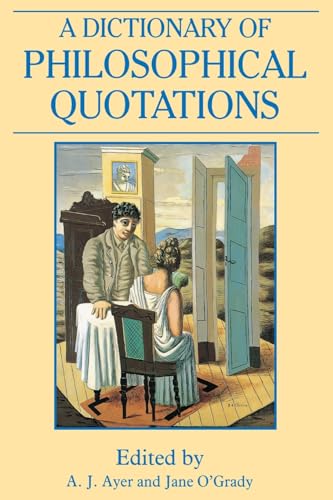
- Covers more than 300 philosophers
- Indexed by concept, thought, and phrase
- Includes short and extended quotations
Best For: Research-minded readers needing broad lookup coverage
Broad Wisdom Collection
The 1000 Best Quotes Of All Time

- 1,000 quotes across many life themes
- Compact 135-page format
- Designed for quick inspiration and browsing
Best For: Readers seeking a broad, general-purpose quote collection
Portable Philosophy Reference
Pocketbook of Quotes: From Socrates to Lebowski

- Themed sections make browsing easy
- Includes classic and contemporary voices
- Compact, illustrated gift-book format
Best For: Casual readers, gift buyers, and quote-reference users
Focused Stoic Wisdom

- 500-plus Stoic quotations
- Features Aurelius, Epictetus, and Seneca
- Emphasizes resilience and inner peace
Best For: Readers seeking daily Stoic reflection and inspiration
Best Overall

- 600 pages with thousands of quotations
- 128 categories and an author index
- Covers 3,500 years and 1,000+ sources
Best For: Broad quote reference and gift giving
Best for Context

- 300+ articles on famous quotations
- Explains stories behind the words
- 11 themed chapters across history and culture
Best For: Quotation history and attribution
Best Philosophy-Focused Pick
The Big Book of Philosophy Quotes

- 500 pages devoted to philosophy
- Includes Plato, Aristotle, Kant, and Nietzsche
- Covers reality, ethics, morality, and meaning
Best For: Dedicated philosophy quote reading
Best for Broad Quote Collections – Simply Philosophical Quotes
For readers seeking philosophical quotation books with plenty of material for reflection, Simply Philosophical Quotes offers 915 quotes from ten influential thinkers. It combines brief introductions, selected teachings, facts, and a large quote collection without presenting itself as an in-depth philosophical biography.
Best For: Readers who want a wide-ranging selection of thought-provoking quotes from major Western, Eastern, and classical philosophers.
Pros:
- Includes 915 inspiring and thought-provoking quotations.
- Covers ten philosophers, including Plato, Aristotle, Confucius, the Buddha, Kant, and Nietzsche.
- Provides introductory material, three key teachings, and five facts for each featured thinker.
Cons:
- Not designed as an in-depth study of the philosophers’ lives or teachings.
- The reader is expected to evaluate the quotations without extensive commentary.
This is a strong choice when quantity and variety matter most. Choose it for a quote-focused reading experience rather than a detailed interpretive guide.
Best for Context and Meaning – Words of Wisdom
Words of Wisdom stands out among philosophical quotation books by pairing 360 famous quotations with explanations of their meanings and the stories behind them. Its coverage spans 2,500 years of Western philosophy in an accessible, entertaining format.
Best For: Readers who want historical context, author background, and clear explanations alongside famous philosophical quotations.
Pros:
- Collects 360 notable quotations from the history of philosophy.
- Explains each quote through cultural background, biography, and philosophical outlook.
- Highlights trends, connections, and influences across 2,500 years of Western philosophy.
Cons:
- Focuses on Western philosophy rather than a broader global selection.
- Contains fewer quotations than some quote-only collections.
Buy this one if understanding the setting and significance of a quotation is as important to you as reading the quotation itself. The explanatory approach makes it especially approachable for newcomers.
Best for Accessible Introductions – This Book Will Make You Think
This Book Will Make You Think: Philosophical Quotes and What They Mean (I Used to Know That)
Check Price On AmazonFor shoppers comparing philosophical quotation books as an introduction to major ideas, This Book Will Make You Think presents well-known quotations alongside straightforward explanations. It connects famous aphorisms with the theories of philosophers such as Socrates, Plato, Locke, Voltaire, Wittgenstein, and Nietzsche.
Best For: Beginners who want a simple way to connect famous philosophical quotes with the thinkers and concepts behind them.
Pros:
- Uses famous quotations to introduce major philosophical theories.
- Explains complex concepts in an accessible and informative style.
- Helps readers match ideas and aphorisms to the philosophers associated with them.
Cons:
- Offers a more selective quote collection than larger quotation anthologies.
- Its concise approach may not satisfy readers seeking extensive scholarly analysis.
This is a practical pick for readers who find philosophical names and concepts intimidating. Its quote-and-explanation format provides a manageable first step into the subject.
Best for Reference and Research – A Dictionary of Philosophical Quotations
A Dictionary of Philosophical Quotations is the reference-oriented option among these philosophical quotation books. Organized by philosopher and indexed by thought, concept, and phrase, it brings together quotations from more than 300 thinkers, ranging from Aristotle to Zeno and including Einstein, Aquinas, Sartre, and de Beauvoir.
Best For: Students, researchers, and serious readers who want to locate quotations by philosopher, concept, or phrase.
Pros:
- Represents more than 300 philosophers.
- Organized by philosopher and indexed by thought, concept, and phrase.
- Includes both short phrases and longer statements across a wide range of traditions and periods.
Cons:
- The reference format may feel less introductory or narrative-driven.
- It does not focus on explaining the meaning or historical background of every quotation.
- The first edition was published in 1994.
Choose this volume when breadth and lookup utility outweigh a conversational reading experience. Its extensive coverage makes it better suited to a reference shelf than casual browsing alone.
Broad Wisdom Collection – The 1000 Best Quotes Of All Time
If you want broad coverage when comparing philosophical quotation books, The 1000 Best Quotes Of All Time offers a large, accessible collection spanning inspiration, motivation, wisdom, success, happiness, family, leadership, relationships, and education. Its short format makes it convenient for quick reading and reflection.
Best For: Readers who want a wide-ranging quote collection with philosophical and everyday-life themes.
Pros:
- Includes 1,000 quotations in a compact 135-page format.
- Covers numerous subjects, from wisdom and life to leadership and relationships.
- Short quotations make it easy to browse for quick inspiration.
Cons:
- The collection covers many general-interest topics, so it is not focused exclusively on philosophy.
- The supplied description does not indicate that individual quotes include commentary or source notes.
This is a practical pick if quantity and variety matter most. Choose it for an all-purpose quote reference rather than a specialized study of philosophical traditions.
Portable Philosophy Reference – Pocketbook of Quotes: From Socrates to Lebowski
Pocketbook of Quotes: From Socrates to Lebowski (Quotes Collection for Reference / Gifts)
Check Price On AmazonAmong philosophical quotation books, Pocketbook of Quotes: From Socrates to Lebowski stands out for its themed organization and compact design. It gathers hundreds of quotations on subjects such as life, virtue, courage, wisdom, self-control, and beauty, with ornamentation and caricatures intended to make browsing more inviting.
Best For: Readers who want a giftable, portable reference with themed sections and a mix of classic and contemporary voices.
Pros:
- Organized into clear themes, including love, courage, integrity, wisdom, and self-control.
- Includes quotations from philosophers, artists, writers, and other notable minds.
- Its compact 6-by-9-inch format and illustrated elements support casual browsing.
- Suitable for reference, conversation starters, coffee-table display, or gifting.
Cons:
- Its wide range of contributors means it is not limited to philosophical quotations.
- The supplied notes describe hundreds of quotes but do not provide a precise total.
This is a versatile option for readers who prefer an approachable, visually varied collection. Its thematic layout makes it especially easy to dip into or give as a gift.
Focused Stoic Wisdom – The Stoic Book of Quotes
For readers specifically seeking philosophical quotation books centered on Stoicism, The Stoic Book of Quotes provides more than 500 quotations from Marcus Aurelius, Epictetus, Seneca, and other Stoic thinkers. The collection is framed around practical goals such as inner peace, resilience, reflection, and personal growth in daily life.
Best For: Readers who want a focused Stoic quote collection for daily inspiration and reflection.
Pros:
- Features more than 500 quotations from major Stoic philosophers.
- Connects Stoic ideas with contemporary concerns, including resilience and inner peace.
- Its 92-page digital format is convenient for readers who prefer e-books.
- Works as a supplement to the author’s related book, Stoicism for New Life.
Cons:
- It focuses on Stoicism rather than covering a broad range of philosophical schools.
- The supplied details describe a digital edition, so format availability may matter to print-preferring readers.
- The notes do not indicate that every quotation includes extensive explanation or historical context.
This is the strongest match for a targeted Stoic reading experience. It favors focused, practical inspiration over the broad subject coverage of general quote anthologies.
Best Overall – Ageless Wisdom
For readers seeking broad, accessible philosophical quotation books, Ageless Wisdom offers an exceptionally large collection spanning 3,500 years. Its 600 pages, 128 categories, and author index make it practical for browsing, teaching, writing, or finding a quotation for a particular occasion.
Best For: Readers who want a wide-ranging, highly organized quote reference with historical context.
Pros:
- Includes thousands of quotations from more than 1,000 sources.
- Organized into 128 categories for easier searching.
- Author index includes brief biographies, timelines, and occupations.
- Substantial 595-page format with an attractive gift-friendly design.
Cons:
- Its broad focus extends beyond philosophy into general inspiration and motivation.
- At nearly two pounds, it is more substantial than a compact desk reference.
This is the strongest all-purpose choice if you want philosophical ideas alongside quotations from many other fields. Choose it for breadth, organization, and long-term reference value.
Best for Context – The Book of Who Said That?
If you want philosophical quotation books that explain more than just the wording, The Book of Who Said That? pairs famous quotations with the stories behind them. Its 300-plus articles cover philosophers, writers, politicians, artists, and other influential figures across 11 themed chapters.
Best For: Curious readers who value attribution, historical background, and the circumstances surrounding famous quotations.
Pros:
- Offers more than 300 articles about notable quotations and speakers.
- Explores the stories and cultural settings behind familiar words.
- Includes a broad mix of philosophers, writers, artists, politicians, and cultural figures.
- Organized into 11 themes, including the ancient world, science, war, culture, and the human condition.
Cons:
- It is a general quotation history book rather than a philosophy-only collection.
- The article-based format may provide fewer quotations for rapid, topical browsing.
This is a good fit when accuracy and storytelling matter as much as inspiration. It is especially useful for readers who enjoy discovering whether a famous saying was correctly attributed and how it became influential.
Best Philosophy-Focused Pick – The Big Book of Philosophy Quotes
Among philosophical quotation books, The Big Book of Philosophy Quotes is the most directly focused option in this roundup. Its 500 pages collect reflections from thinkers such as Plato, Aristotle, Kant, and Nietzsche, with topics ranging from reality and consciousness to ethics, morality, and life’s meaning.
Best For: Students and general readers looking for a dedicated collection of philosophical quotations.
Pros:
- Focuses specifically on philosophy rather than general inspirational quotations.
- Features major thinkers including Plato, Aristotle, Kant, and Nietzsche.
- Covers substantial themes such as consciousness, ethics, morality, and meaning.
- Provides 501 pages for extended reading and reflection.
Cons:
- The supplied description does not mention an author index, source notes, or quotation context.
- As an independently published title, its presentation and editorial features may be less documented than those of the other books.
Choose this volume when philosophical focus is your priority. It offers a straightforward way to explore quotations from prominent thinkers without the broader motivational and historical scope of the other collections.
How We Picked These Philosophical Quotation Books
We selected books that offer clear value for different kinds of readers rather than treating every quote collection as interchangeable. Our evaluation considered the range of thinkers covered, the quality and usefulness of explanations, organization, readability, portability, and suitability for repeated reference.
We also looked for variety. Some choices emphasize classic philosophy and historical context, while others focus on Stoicism, inspiration, broad cultural quotations, or the stories behind famous words. That makes it easier to choose a volume based on how you plan to read it.
Quick Comparison
| Best For | Look For |
|---|---|
| Daily inspiration | Short entries, practical themes, and portable formats |
| Learning philosophy | Explanations, attribution, historical context, and broad coverage |
| Stoic reflection | Quotes centered on resilience, discipline, calm, and personal responsibility |
| Research and reference | Alphabetical organization, source notes, and reliable indexing |
| Gifting | Approachable writing, attractive presentation, and wide appeal |
Key Buying Factors for Philosophical Quotation Books
Depth and Context
A book that simply lists quotations can be enjoyable, but commentary makes it more useful for study and reflection. If you want to understand an idea rather than collect attractive phrases, prioritize editions that explain meaning, identify sources, or provide background on the speaker.
Scope and Organization
Check whether the book focuses on a specific tradition, such as Stoicism, or spans many philosophers and subjects. The organization also matters: thematic chapters work well for browsing, while alphabetical indexes are better for quickly finding a thinker, topic, or quotation.
Reading Format and Purpose
Consider where the book will be used. A pocket-sized collection suits commuting and daily reflection; a larger reference work is more practical for a home library. For gifts, an accessible introduction may be more successful than a highly academic volume.
Attribution and Accuracy
Famous quotations are often shortened, misattributed, or removed from their original context. Readers buying for research should favor books that cite sources and distinguish verified quotations from popular attributions.
Who Should Buy Which Philosophical Quotation Books?
Choose a broad, approachable anthology if you are new to philosophy or want a flexible book for browsing. Readers seeking practical guidance may prefer a Stoic-focused collection, especially when the selections address resilience, inner peace, and everyday decision-making.
For students, writers, and serious reference users, prioritize comprehensive coverage, explanations, indexing, and source information. If your main goal is a thoughtful gift, choose a visually appealing collection with a wide mix of recognizable voices and concise entries. Readers who enjoy cultural trivia should look for a volume that explores who said famous lines and the stories behind them.