Olympic history books can do more than recount medal counts and famous finishes—they reveal how the Games shaped politics, culture, and national identity over time.
Whether you want a broad overview, a focused look at ancient Greece, or a deep dive into a pivotal Olympics, this roundup helps you find the right book for your interests.
Best 10 Olympic History Books Picks for 2026
Global Olympic History
The Games: A Global History of the Olympics

- Covers the modern Olympics from 1896 to 2016
- Links sports history with politics, race, and gender
- Includes major figures, traditions, and defining moments
Best For: Readers seeking a comprehensive modern Olympic history
Fun Olympic Trivia
Total Olympics: Every Obscure, Hilarious, Dramatic, and Inspiring Tale Worth Knowing

- Features hundreds of true stories and photos
- Covers obscure events, records, and controversies
- Mixes funny, dramatic, and inspiring Olympic tales
Best For: Readers who prefer a lively, entertaining Olympic read
Ancient Olympics for Kids

- Introduces the origins of the ancient Olympic Games
- Uses bright artwork and simple explanations
- Covers core events, ceremonies, and the Heraia
Best For: Children ages 7+ learning about ancient Olympics
Rome 1960 Spotlight
Rome 1960: The Olympics That Changed the World

- Examines the 1960 Rome Olympics in depth
- Links the Games to Cold War and civil rights history
- Highlights Cassius Clay, Wilma Rudolph, and other athletes
Best For: Readers interested in one pivotal Olympic Games
Classic Olympic History
The Story of the Olympic Games: 776 B.C. to 1976

- Covers the Olympics from 776 B.C. to 1976
- Includes scandals, politics, and major results
- Contains winner statistics across categories
Best For: Readers seeking a broad, reference-style Olympic history
Kids' Companion
Ancient Greece and the Olympics

- Explains ancient Greece and the first Olympics
- Includes photos, illustrations, and facts
- Best suited to ages 7-10 and grades 2-5
Best For: Young readers and classroom use
Political Olympic History
Power Games: A Political History of the Olympics
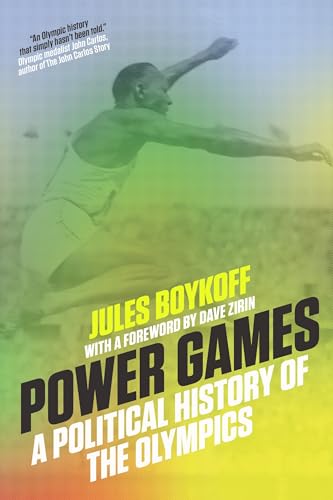
- Tracks the modern Olympics through a political lens
- Covers Fascism, corporate control, and activism
- Includes alt-Olympic movements and athlete-activists
Best For: Readers interested in politics and activism in Olympic history
Olympics Trivia Pick
125 Years of Olympics: The Ultimate Trivia and Quiz Book

- Blends Olympic history with trivia and quiz questions
- Compact 264-page read for casual browsing
- Good for fans who like active, game-like learning
Best For: Trivia lovers and casual Olympic fans
Ancient Games Deep Dive
The Naked Olympics: The True Story of the Ancient Games

- Recreates the experience of the ancient Olympic Games
- Uses firsthand reports and lesser-known sources
- Written in a lively, humorous style
Best For: Readers curious about ancient Greek sports culture
Global Olympic History – The Games: A Global History of the Olympics
If you want Olympic history books that go beyond medal tables, this is the deep-dive option. David Goldblatt traces the modern Games from Athens in 1896 to Rio in 2016, connecting famous moments, shifting social attitudes, and the larger political forces that shaped the Olympics.
Best For: Readers who want a comprehensive, well-researched history of the modern Olympics with social and political context.
Pros:
- Spans more than a century of Olympic history, from 1896 to 2016.
- Explores major themes like race, gender, amateurism, commercialism, and host-city politics.
- Includes landmark moments and icons such as Jesse Owens, Nadia Comaneci, and Usain Bolt.
- Grounded in a broad social and cultural perspective rather than just results.
Cons:
- At 528 pages, it is a substantial read.
- Focused on the modern Games, not the ancient Olympics.
This is one of the strongest choices for readers who want an authoritative, big-picture account of how the Olympics became a global event. It works especially well if you like history books that connect sport to world events.
Fun Olympic Trivia – Total Olympics: Every Obscure, Hilarious, Dramatic, and Inspiring Tale Worth Knowing
Total Olympics: Every Obscure, Hilarious, Dramatic, and Inspiring Tale Worth Knowing
Check Price On AmazonFor shoppers browsing Olympic history books with a more playful angle, this one is built for discovery. It mixes obscure facts, strange events, and dramatic stories, ranging from the beginnings of the modern Games in Much Wenlock to discontinued sports like tug of war and live pigeon shooting.
Best For: Readers who want a lively, entertaining Olympic history filled with unusual stories and memorable facts.
Pros:
- Packed with hundreds of true stories and photographs.
- Includes unusual topics like forgotten records and discontinued events.
- Balances funny, dramatic, and inspiring Olympic moments.
- Offers a broad look at both modern origins and quirky Olympic history.
Cons:
- Less formal and comprehensive than a traditional full-history volume.
- Best suited to readers who enjoy a lighter, anecdotal approach.
This is a strong pick if you want an Olympic book that is easy to browse and full of surprising details. It is especially appealing for readers who like sports history with personality and a little humor.
Ancient Olympics for Kids – The Ancient Olympic Games
If you are looking for Olympic history books for younger readers, this title offers a clear introduction to the ancient Games. Bright artwork and simple explanations cover the legend behind the Olympics, the original events, and the atmosphere of Olympia during the festival.
Best For: Children ages 7+ who need an accessible introduction to the ancient Olympic Games.
Pros:
- Uses bright, bold, dynamic artwork to support the text.
- Explains original events such as chariot racing, wrestling, discus, javelin, and boxing.
- Includes details on training, ceremonies, celebrations, and the Heraia competition for women.
- Written for a younger reading level with a short, manageable length.
Cons:
- Very brief at 48 pages.
- Designed for children, so it will not satisfy readers seeking an in-depth scholarly history.
This is a practical choice for families or classrooms that want a visual, age-appropriate starting point. It works best as an introduction rather than a complete history of the Olympics.
Rome 1960 Spotlight – Rome 1960: The Olympics That Changed the World
Among Olympic history books focused on a single moment, this one stands out for showing how one Games rippled far beyond sport. It tells the story of the 1960 Rome Olympics and ties the event to Cold War propaganda, civil rights, and the rise of athletes like Cassius Clay and Wilma Rudolph.
Best For: Readers who want a detailed case study of one pivotal Olympic Games and its wider impact.
Pros:
- Focuses on a single, historically important Olympics: Rome 1960.
- Connects sports history to Cold War politics and civil rights.
- Highlights notable athletes including Cassius Clay and Wilma Rudolph.
- Offers a substantial, narrative-driven account at 496 pages.
Cons:
- Does not provide a broad survey of the entire Olympic timeline.
- Best suited to readers interested in the 1960 Games specifically.
This is a smart pick if you prefer a focused historical study over a sweeping overview. It is especially useful for readers who want to understand how one Olympics helped reflect and shape world events.
Classic Olympic History – The Story of the Olympic Games: 776 B.C. to 1976
If you want Olympic history books that track the Games from ancient origins to the modern era, this revised volume offers a broad, date-driven overview. It focuses on victories, defeats, scandals, political conflicts, and winner statistics through the 1976 Games, making it a useful reference for readers who want the arc of Olympic competition in one place.
Best For: Readers who want a wide-ranging, historically oriented overview of the Olympics with a focus on major events and results.
Pros:
- Covers Olympic history from 776 B.C. through the 1976 Games.
- Includes victories, defeats, scandals, and political conflicts.
- Provides statistics on winners across categories.
- Substantial 575-page reference-style format.
Cons:
- Stops at 1976, so it does not cover later Olympic history.
- Written by sportswriters, which may suit some readers more than others.
This is a solid pick if you want a traditional Olympic history book with broad coverage and a strong emphasis on outcomes and context. It works especially well as a general reference for the modern Games.
Kids' Companion – Ancient Greece and the Olympics
Among Olympic history books for younger readers, this nonfiction companion is built to answer the questions kids often ask after reading about the ancient Games. It explains what ancient Greeks wore, how they spent their free time, where the first Olympics were held, and how the ancient and modern Olympics compare, all in a short, accessible format with photos and illustrations.
Best For: Ages 7-10, classroom use, and readers who want an easy introduction to ancient Greece and the Olympics.
Pros:
- Answers kid-friendly questions about ancient Greece and the first Olympics.
- Includes photos, illustrations, and fun tidbits.
- Works as a nonfiction companion to a popular chapter book.
- Designed for grades 2-5 and reading ages 7-10.
Cons:
- Focused on a younger audience, so it is not a deep scholarly history.
- Limited to 128 pages, with a lighter treatment of the subject.
This is a practical choice if you need an approachable Olympic history book for kids or a classroom pairing. It emphasizes clarity and engagement over depth, which makes it especially useful for early readers.
Political Olympic History – Power Games: A Political History of the Olympics
If you are comparing Olympic history books and want a more critical angle, this book traces the Games from their nineteenth-century origins to the era of corporate control. It examines the Olympics’ political history, including flirtation with Fascism, alt-Olympic movements, and athlete-activists, so it suits readers who want context beyond medals and records.
Best For: Readers interested in the politics, activism, and controversies behind the modern Olympic Games.
Pros:
- Offers a critical political history of the modern Olympics.
- Covers topics from Fascism to corporate control.
- Includes alt-Olympic movements like the Workers’ and Women’s Games.
- Written by a former US Olympic team member.
Cons:
- Strong political focus may not suit readers seeking a general Olympic overview.
- Centers on the modern era rather than ancient Olympic history.
This is a strong pick if you want an analytical Olympic history book with a clear political lens. It adds depth by highlighting activism, power, and the broader conflicts surrounding the Games.
Olympics Trivia Pick – 125 Years of Olympics: The Ultimate Trivia and Quiz Book
If you want Olympic history books that are as much about testing your memory as tracing the Games themselves, this trivia-focused title is a strong fit. It blends a compact history of the Olympics with quiz material, making it useful for readers who like active recall, casual competition, or a lighter way to revisit famous athletes and events.
Best For: Readers who enjoy Olympic trivia, quiz nights, and a fast-paced overview of Olympic history.
Pros:
- Combines Olympic storytelling with trivia and quiz content.
- Frames the Games as a broad cultural and emotional story.
- Compact 264-page format is easy to pick up for quick sessions.
- Published recently in English with a small, portable trim size.
Cons:
- More quiz-oriented than a deep chronological history.
- Likely better for general interest than academic study.
This is a good choice if you want your Olympic history books to be interactive and easy to browse rather than exhaustive. It should appeal most to readers who like learning through trivia while still getting a celebratory overview of the Games.
Ancient Games Deep Dive – The Naked Olympics: The True Story of the Ancient Games
Among Olympic history books, this one stands out if you want a vivid look at the ancient Games rather than the modern era. Tony Perrottet uses firsthand reports and lesser-known sources to recreate what attending the original Olympic festival may have felt like, with attention to the spectacle, corruption scandals, and everyday atmosphere.
Best For: Readers who want an entertaining, well-researched look at the ancient Olympic Games.
Pros:
- Focuses on the original Olympic festival in ancient Greece.
- Uses firsthand reports and little-known sources for detail.
- Written with humor and a lively, accessible tone.
- Explores both athletic events and the surrounding culture.
Cons:
- Centered on antiquity, not the modern Olympics.
- Its playful style may not suit readers seeking a dry historical survey.
This is a smart pick if you want Olympic history books that feel immersive and narrative-driven. It offers a strong mix of scholarship and readability, making it especially appealing for readers curious about how much of the ancient Olympic experience still shapes the modern Games.
1936 Games History Pick – Hitler's Olympics: The 1936 Berlin Olympic Games
If you are comparing Olympic history books and want one centered on controversy, this account of the 1936 Berlin Games is a compelling choice. It covers the disputes, personalities, and political stakes around a Games that became a major propaganda exercise, while also highlighting Jesse Owens, the German Jewish competitors, and the broader international fallout.
Best For: Readers interested in the political history and controversy surrounding the 1936 Berlin Olympics.
Pros:
- Examines one of the most controversial Olympic Games in history.
- Shows how the Berlin Games were used as propaganda.
- Includes key figures such as Jesse Owens and competing German Jews.
- Offers a vivid account of the disputes and personalities involved.
Cons:
- Highly specific to the 1936 Berlin Games.
- Less suitable if you want a broad survey of all Olympic eras.
This book is best for readers who want Olympic history books with strong political context and clear historical stakes. It is especially useful if you are looking for a focused examination of how sport, ideology, and public image collided on the world stage.
How We Picked These Olympic History Books
We focused on books that add real context, not just trivia. The best Olympic History Books in this roundup offer strong research, clear storytelling, and a distinct angle—whether that means ancient origins, modern political history, or a single landmark Games.
We also looked for variety in reading level and scope so there is something here for general readers, students, trivia fans, and buyers who want a more serious historical account.
Quick Comparison
If you want a big-picture survey, choose a broad history of the Olympics. If you prefer a narrower lens, books on ancient Greece, the 1936 Berlin Games, or Rome 1960 provide more depth. Trivia-oriented titles work best for casual readers, while political histories suit buyers who want analysis and context.
Key Buying Factors for Olympic History Books
Scope and Time Period
Start by deciding whether you want the ancient Games, the modern era, or a single Olympic moment. Some readers want the full sweep of Olympic history; others are better served by a focused title with more detail.
Tone and Depth
Some Olympic History Books are scholarly and interpretive, while others are lively, accessible, and built for general audiences. Pick a tone that matches how you plan to read the book.
Educational Value
If you are buying for a student, younger reader, or classroom setting, look for books that explain key events clearly and provide enough background to make the material easy to follow.
Special Interest Angle
Many readers are drawn to the Olympics through politics, ancient history, trivia, or famous controversies. Choosing a book with a strong angle usually leads to a more rewarding read than a generic overview.
Who Should Buy Which Olympic History Books?
Buy a comprehensive Olympic history book if you want one reliable reference on the evolution of the Games. Choose a political title if you are interested in propaganda, diplomacy, and power. Go with an ancient-focused book if you want the roots of the Olympics, or a single-event study if you enjoy case studies and turning points.
For casual fans, trivia and story-driven books can be the easiest entry point. For researchers, teachers, or dedicated sports-history readers, the more analytical Olympic History Books will usually deliver the most value.