Naval history books can do more than recount famous battles—they reveal how sea power shaped empires, wars, and nations. The best titles balance strategic insight, vivid storytelling, and historical accuracy.
This roundup focuses on 10 strong picks for readers who want everything from the founding of the U.S. Navy to major turning points in World War II and beyond.
Best 10 Naval History Books Picks for 2026
Founding the Fleet
Six Frigates: The Epic History of the Founding of the U.S. Navy
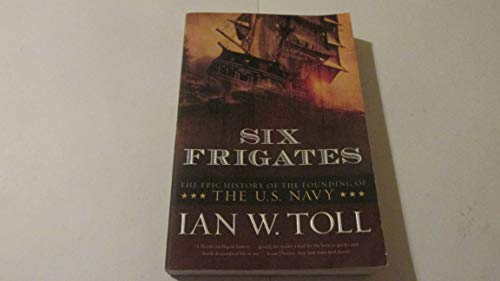
- Explains the political fight over creating a permanent U.S. Navy
- Follows the six frigates, Tripoli, and the War of 1812
- Readable, narrative-driven early American naval history
Best For: Readers who want the origins of the U.S. Navy in story form
WWII Admirals at War
The Admirals: Nimitz, Halsey, Leahy, and King

- Profiles the four five-star admirals of World War II
- Built from journals, ship logs, and primary sources
- Focuses on leadership, rivalry, and naval transformation
Best For: Readers who want the command side of WWII sea power
Quick U.S. Navy Overview
The U.S. Navy: A Concise History
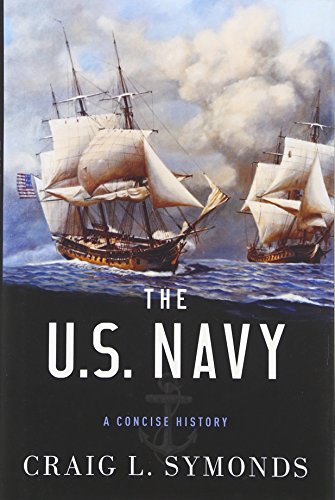
- Short 152-page survey of U.S. naval history
- Covers the Revolution through the modern missile era
- Highlights major events and institutional change
Best For: Readers who want a fast, accessible Navy overview
Battle Evolution Study
The Price of Admiralty: The Evolution of Naval Warfare

- Examines Trafalgar, Jutland, Midway, and the Battle of the Atlantic
- Tracks how naval warfare changed across eras
- Strong on battle analysis and comparison
Best For: Readers who want an analytical study of naval combat evolution
Battle-Ready WWII Naval History
The Last Stand of the Tin Can Sailors

- Detailed account of the Battle off Samar
- Built from interviews, documents, and eyewitness accounts
- Winner of the Samuel Eliot Morison Award
Best For: Readers who want a vivid WWII naval battle narrative
Mediterranean Power Struggle History

- Covers Malta, Lepanto, and Mediterranean rivalry
- Fast-paced narrative with pirates and galley warfare
- Shows the wider clash between empires and faiths
Best For: Readers who want energetic early modern Mediterranean naval conflict
Guadalcanal Naval Battle Chronicle

- Full Navy-centered account of Guadalcanal
- Covers seven major naval actions in Ironbottom Sound
- Uses interviews, eyewitness accounts, and documents
Best For: Readers who want a cinematic Navy-focused Guadalcanal history
British Naval Power, 1815–1945

- Definitive final volume of Rodger’s trilogy
- Tracks Royal Navy change from 1815 to 1945
- Blends warfare, politics, and social history
Best For: Serious readers of modern British naval history
Revolutionary War at Sea

- Award-winning history of the Continental Navy
- Covers raids, battles, and early American sea power
- Profiles major Revolutionary War naval figures
Best For: Readers interested in the American Revolution at sea
Battlefleet Reference Guide
World Encyclopedia of Battleships

- Illustrated guide to battleships and battle cruisers
- Covers 150+ ships with spec boxes
- Includes 550+ archive photographs
Best For: Ship enthusiasts who want a visual reference
Founding the Fleet – Six Frigates: The Epic History of the Founding of the U.S. Navy
If you want naval history books that blend politics, strategy, and sea action, this one is a strong pick. Ian W. Toll follows the debate over whether the new United States should even build a permanent navy, then tracks the six frigates, the Tripoli campaign, and the War of 1812 in a clear narrative style.
Best For: Readers who want the origins of the U.S. Navy told as a big, story-driven history.
Pros:
- Covers the founding debates around a standing navy and the early republic
- Includes major early naval episodes like Tripoli and the War of 1812
- Written with narrative flair and historical detail
- Gives a sense of life at sea and the pressures of early naval service
Cons:
- Long read at 592 pages
- Focused on early U.S. naval history rather than a broad global survey
This is a standout choice if you want naval history books that explain how the U.S. Navy began and why it mattered. It leans into both policy and action, so it should appeal to readers who like their history substantial but readable.
WWII Admirals at War – The Admirals: Nimitz, Halsey, Leahy, and King
The Admirals: Nimitz, Halsey, Leahy, and King--The Five-Star Admirals Who Won the War at Sea
Check Price On AmazonFor naval history books focused on World War II command at sea, Walter R. Borneman’s book gives you a detailed look at the four five-star admirals who helped shape the U.S. victory. It draws on journals, ship logs, and other primary sources to show how Nimitz, Halsey, Leahy, and King worked as both friends and rivals while the Navy transformed around submarines and aircraft carriers.
Best For: Readers interested in the personalities and decision-making behind America’s World War II naval victory.
Pros:
- Centers on the only four U.S. admirals promoted to five-star rank
- Uses journals, ship logs, and other primary sources
- Shows how submarines and aircraft carriers changed naval warfare
- Connects leadership rivalries with wartime results
Cons:
- Most useful if you want command history rather than a broad sea-war overview
- Strong focus on World War II limits coverage of other eras
This is a good fit if you want a leadership-centered naval history book with real operational detail. It works especially well for readers who like biography, wartime strategy, and the high command side of naval history.
Quick U.S. Navy Overview – The U.S. Navy: A Concise History
If you need naval history books that cover the big picture without a huge time commitment, this Oxford title is an easy place to start. Craig L. Symonds traces the U.S. Navy from the American Revolution to the modern missile-and-electronics era, highlighting major moments like John Paul Jones, the Barbary Wars, and Iwo Jima.
Best For: Readers who want a short, accessible survey of the U.S. Navy’s evolution.
Pros:
- Compact at 152 pages, making it a quick read
- Covers the Navy from the Revolution to the modern era
- Touches key turning points such as the Barbary Wars and Iwo Jima
- Explains technological and institutional changes clearly
Cons:
- Concise format means less depth than longer histories
- More of a survey than a deep dive into individual campaigns
This is the best choice here if you want an efficient overview of U.S. naval development. It’s especially useful as a foundation before moving on to longer, more specialized naval history books.
Battle Evolution Study – The Price of Admiralty: The Evolution of Naval Warfare
The Price of Admiralty: The Evolution of Naval Warfare from Trafalgar to Midway
Check Price On AmazonAmong naval history books, John Keegan’s approach stands out if you want to understand how sea combat evolved through major battles. He examines Trafalgar, Jutland, Midway, and the Battle of the Atlantic to show how naval warfare changed across different eras and ship types.
Best For: Readers who prefer battle analysis and the evolution of naval warfare over a broad narrative history.
Pros:
- Analyzes four landmark naval battles in depth
- Shows how naval warfare evolved from Trafalgar to Midway
- Compares different warship types and eras
- Praised for handling both the big picture and battlefield detail
Cons:
- Battle-focused structure may feel narrower than a general naval history
- Older edition and compact paperback format may not appeal to every buyer
This is a strong pick if you want a more analytical naval history book that uses major battles to explain broader change. It’s especially well suited to readers who like military history with a sharp, comparative lens.
Battle-Ready WWII Naval History – The Last Stand of the Tin Can Sailors
If you’re looking for naval history books that read like a front-line war story, this account of the Battle off Samar delivers a detailed, blow-by-blow look at one of the U.S. Navy’s most dramatic fights. James D. Hornfischer combines veteran interviews, eyewitness accounts, declassified documents, and rare Japanese sources to reconstruct how a small American force faced overwhelming firepower and turned hopeless odds into a legendary victory.
Best For: Readers who want a vivid World War II naval battle narrative focused on courage, tactics, and survival against impossible odds.
Pros:
- Draws on extensive interviews and unpublished eyewitness accounts
- Recreates the Battle of Samar with strong tactical and human detail
- Winner of the Samuel Eliot Morison Award for Naval Literature
- Highly praised as a major World War II naval history
Cons:
- Focuses tightly on one battle rather than a broad naval overview
- Its length may be more than casual readers need
This is a strong pick if you want a serious, narrative-driven World War II naval history book that balances strategy with firsthand perspective. It is especially compelling for readers interested in how outmatched crews fought with determination under extreme pressure.
Mediterranean Power Struggle History – Empires of the Sea
For buyers browsing naval history books with a broader geopolitical scope, this book traces the struggle between the Ottoman Empire and Christian powers across the Mediterranean. Roger Crowley presents the Siege of Malta, the Battle of Lepanto, and the wider contest for control of the sea in a fast-paced narrative filled with pirates, crusaders, galley warfare, slavery, and brutal fighting.
Best For: Readers who want an energetic, history-rich account of early modern Mediterranean naval conflict and empire rivalry.
Pros:
- Covers major events including Malta and Lepanto
- Fast-paced storytelling with vivid historical color
- Places naval warfare in a larger clash of empires and faiths
- Includes a wide cast of pirates, crusaders, and warriors
Cons:
- Less focused on a single fleet action than some naval histories
- Heavy on broad historical conflict rather than technical naval detail
This is a compelling choice if you want naval history that connects sea battles to the rise and fall of empires. It offers both dramatic action and context, making it useful for readers who want the bigger picture behind Mediterranean warfare.
Guadalcanal Naval Battle Chronicle – Neptune's Inferno
If you want naval history books that dig into the Navy’s role in a famous Pacific campaign, this title gives a full account of the battles around Guadalcanal from the perspective of destroyers, cruisers, and battleships. Hornfischer uses new interviews, unpublished eyewitness accounts, and newly available documents to show the seven major naval actions fought in Ironbottom Sound, where the outcome remained in doubt and the Navy fought on a shoestring.
Best For: Readers who want a cinematic, Navy-focused history of the Guadalcanal campaign with strong tactical and human detail.
Pros:
- Focuses on the Navy’s sacrifice at Guadalcanal, not just the Marine narrative
- Covers seven major naval actions in vivid detail
- Built from survivor interviews and newly available documents
- Praised for organizing battle strategy in accessible terms
Cons:
- Heavily centered on a specific theater and campaign
- Best suited to readers comfortable with detailed battle narratives
This is an excellent choice for readers who want a powerful, readable Pacific War naval history with clear attention to tactics and sacrifice. Its documentary depth and cinematic style make it stand out among modern naval battle studies.
British Naval Power, 1815–1945 – The Price of Victory
If you want naval history books that go beyond battle narratives, this volume offers a deep, authoritative look at the Royal Navy from the end of the Napoleonic Wars to 1945. N. A. M. Rodger combines strategy, politics, ship development, and social history into one wide-ranging account of how British sea power evolved across more than a century.
Best For: Readers who want a serious, research-driven history of Britain’s navy from the post-Napoleonic era through World War II.
Pros:
- Written by a preeminent naval historian and presented as the final volume of a definitive trilogy
- Covers major changes in ships, weapons, submarine forces, and naval air power
- Includes the social history of officers, men, and women alongside strategy and warfare
- Places admirals and major developments in the broader context of politics and geo-strategy
Cons:
- Best suited to readers comfortable with detailed historical analysis
- Focuses specifically on Britain rather than offering a global survey
This is a substantial reference for readers who want one of the most authoritative naval history books on modern British sea power. Its strength is the way it connects naval warfare to national change, making it especially valuable for serious history readers.
Revolutionary War at Sea – Give Me a Fast Ship
Among naval history books on the American Revolution, this one stands out for its fast-paced account of the Continental Navy’s earliest and most dangerous missions. It follows how the colonies built a fleet from converted merchantmen and then used daring sailors, raids, and ship-to-ship combat to challenge British dominance at sea.
Best For: Readers who want an energetic, well-researched history of the Continental Navy and the Revolution at sea.
Pros:
- Winner of the Samuel Eliot Morison Award for Naval Literature
- Focuses on the Continental Navy’s formation and wartime operations
- Profiles notable figures such as John Barry, Nicholas Biddle, James Nicholson, John Paul Jones, and Gustavus Conyngham
- Described as meticulous, rousing, and masterfully told
Cons:
- Centered on the Revolutionary War period rather than broader naval history
- Most useful for readers interested in American rather than British naval operations
This is a strong pick if you want naval history books that read like an action-driven campaign history while staying grounded in research. It delivers a focused, definitive look at how the Continental Navy helped shape American independence.
Battlefleet Reference Guide – World Encyclopedia of Battleships
If you’re shopping for naval history books with a visual reference angle, this illustrated encyclopedia is built around battleships and battle cruisers from the ironclad era through World War II. It combines country-by-country coverage, specification boxes, and hundreds of archive photographs to give readers a practical overview of major warships and their roles in famous naval operations.
Best For: Readers who want an illustrated reference book on battleships and battle cruisers from 1860 onward.
Pros:
- Comprehensive illustrated history of battleship development from ironclads to World War II
- Includes a country-by-country directory with details on more than 150 ships
- Features over 550 photographs, many rarely seen before
- Specification boxes make ship data easy to scan quickly
Cons:
- More reference-oriented than narrative-driven
- Narrower in scope than general naval history books
This is a practical choice if you want a visual, ship-focused guide rather than a broad historical narrative. Its combination of photos, specs, and concise vessel histories makes it especially useful for quick lookup and comparison.
How We Picked These Naval History Books
We prioritized books that offer reliable scholarship, clear writing, and lasting value for readers who want more than a surface-level overview. Selection also favored a mix of perspectives: U.S. Navy history, British naval power, early modern sea warfare, and broad strategic surveys.
We also looked for books that serve different reader needs, whether you want a concise reference, a campaign-level narrative, or a deeper study of naval warfare’s evolution.
Quick Comparison
If you want a fast entry point, choose a concise general history. If you want battle narratives, look for titles centered on specific campaigns such as Guadalcanal, Malta, or Midway. For readers interested in doctrine and long-term change, broader analytical works on the evolution of naval warfare are often the best fit.
Key Buying Factors for Naval History Books
Scope and Time Period
Some Naval History Books cover a single battle or campaign, while others span centuries. Decide whether you want a focused study or a wide-angle survey before buying.
Level of Detail
Academic readers may prefer books with dense analysis, citations, and strategic context. General readers often do better with narrative-driven books that keep the action moving while still explaining the bigger picture.
Fleet, Nation, or Theme
Many readers search by interest area: U.S. Navy development, British sea power, battleships, or World War II operations. Matching the book to the fleet or theme you care about most usually leads to a better purchase.
Maps, Notes, and Visuals
For naval warfare, maps and illustrations can make a major difference, especially in books covering ship movements, battle lines, and changing technology. These extras improve readability and historical understanding.
Who Should Buy Which Naval History Books?
Choose a concise overview if you are new to the subject and want an accessible foundation. Pick a campaign-focused book if you enjoy dramatic combat history and want to understand how tactics played out at sea.
If you are drawn to long-term strategy, warfare evolution, or capital ship development, look for broader Naval History Books that connect technology, doctrine, and national power. For collectors or enthusiasts, illustrated references and battleship histories can be especially rewarding. The best choice depends on whether you want story, analysis, or a combination of both.