The best illustrated style guides make visual subjects easier to understand, whether you are refining a wardrobe, planning a wedding look, decorating a home, or exploring jewelry and flowers.
This roundup compares 10 distinct guides by subject, audience, practicality, and visual learning value so you can choose a useful reference or an inspiring creative companion.
Best 10 Illustrated Style Guides Picks for 2026
Classic Prose Companion
The Elements of Style Illustrated

- Classic guidance on plain English and active voice
- 57 illustrations by Maira Kalman
- Compact 147-page fourth edition
Best For: Writers wanting an approachable illustrated English style manual
Jewelry Reference Guide

- Explains jewelry terms, styles, and techniques
- Includes more than 80 color illustrations
- Adds cultural history and production context
Best For: Readers building practical jewelry vocabulary
Fashion Sketching Workshop

- Guided lessons for figures, faces, proportions, and clothing
- More than 50 creative exercises and prompts
- Blank pages and silhouettes encourage hands-on practice
Best For: Fashion enthusiasts who want to draw and design
Botanical Symbolism Guide

- Decodes meanings for nearly 100 flowers and herbs
- Full-color botanical illustrations by Jessica Roux
- Covers Victorian history, folklore, and symbolism
Best For: Flower lovers and readers interested in romantic symbolism
Room-by-Room Design

- Illustrations and professional photographs
- Room-by-room decorating advice
- Includes a resource and shopping guide
Best For: Homeowners planning a serious decorating project
Everyday Outfit Lessons

- 70 illustrated outfit guides
- Covers school, parties, travel, and seasons
- Explains practical styling techniques
Best For: Girls ages 8 to 17 learning everyday fashion
French Home Living

- Room-by-room French-inspired guidance
- Covers decor, organization, scent, and rituals
- Focuses on personal, meaningful homes
Best For: Readers creating a warm and intentional home
Formal Presentation Blueprint

- Visual guidance for tailoring and proportion
- Covers grooming, accessories, and formal footwear
- Useful for work, interviews, and ceremonies
Best For: Readers refining business and formal presentation
Everyday Style Foundations
Corrective Tailoring, Hair & Cosmetics
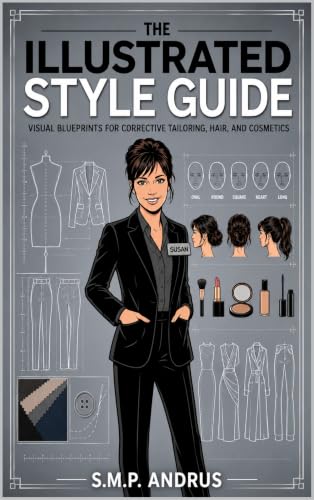
- Covers hair, makeup, clothing, and accessories
- Explains proportion, color, line, fabric, and fit
- Includes wardrobe planning and shopping guidance
Best For: Beginners building a complete personal-style foundation
Wedding Day Coordination

- Covers bridal, groom, and wedding-party styling
- Explains fittings, silhouettes, accessories, and tailoring
- Focuses on coordinated wedding-day presentation
Best For: Couples and wedding parties planning a polished, cohesive look
Classic Prose Companion – The Elements of Style Illustrated
If you want illustrated style guides for clearer writing, this refreshed fourth edition pairs Strunk and White’s classic advice with 57 illustrations by Maira Kalman. It is a compact reference for writers who want practical reminders about plain English, active voice, and sharper phrasing.
Best For: Writers, students, and editors seeking a concise, approachable English style manual.
Pros:
- Explains core principles of plain English.
- Offers reminders to make wording clearer and more lively.
- Includes 57 colorful illustrations that make the material more engaging.
Cons:
- Its focus is general English prose rather than specialized writing styles.
- At 147 pages, it is a concise guide rather than a comprehensive reference.
This is the strongest fit for readers who want a well-known writing classic with a more visual, uplifting presentation. Choose it for fundamentals and quick refreshers rather than advanced editorial instruction.
Jewelry Reference Guide – Looking at Jewelry
Among illustrated style guides, this accessible jewelry reference is designed to clarify terms, styles, materials, and techniques. More than 80 color illustrations support concise explanations ranging from cabochons and gilding to vermeil and manufacturing processes.
Best For: Jewelry makers, students, scholars, fashion enthusiasts, and anyone building jewelry vocabulary.
Pros:
- Defines common, iconic, and culturally significant jewelry forms.
- Covers materials, techniques, and production processes.
- Uses more than 80 color illustrations to support the explanations.
Cons:
- Its 132-page format favors concise entries over lengthy technical instruction.
- It is focused specifically on jewelry rather than broader fashion or design styles.
This book works well when you need a visually supported introduction to jewelry terminology and history. It is particularly useful as a compact reference for identifying and appreciating jewelry rather than as a project-based making manual.
Fashion Sketching Workshop – Sketch Your Style
For creative readers comparing illustrated style guides, Sketch Your Style is an interactive option centered on designing and drawing clothing. It includes step-by-step instruction, more than 50 prompts, fashion-history highlights, and templates for experimenting with figures, textures, colors, and outfits.
Best For: Young fashionistas, aspiring designers, and experienced sketchers who want guided practice.
Pros:
- Teaches croquis, facial features, foot proportions, and clothing texture.
- Provides more than 50 exercises and prompts.
- Includes blank pages and printed silhouettes for hands-on practice.
- Explores designers, decades, trends, events, and body types.
Cons:
- Its interactive workbook format may be less useful for readers seeking a traditional reference book.
- The large 224-page sketchbook format is less compact than a pocket guide.
This is the most practice-oriented choice in the group. Buy it when you want to actively develop fashion illustration skills and design your own wardrobe ideas, not simply browse finished illustrations.
Botanical Symbolism Guide – Floriography
This illustrated style guide explores the Victorian language of flowers through full-color botanical artwork and concise entries for nearly 100 flowers and herbs. It combines symbolism, folklore, history, and romantic tradition in a format suited to browsing or gifting.
Best For: Flower lovers, artists, gardeners, romantics, and readers interested in symbolism and folklore.
Pros:
- Explains the historical meanings associated with close to 100 blooms.
- Features full-color illustrations by Jessica Roux.
- Connects flower symbolism with Victorian etiquette, folklore, and history.
- Works as both a reference guide and a decorative coffee-table book.
Cons:
- It focuses on Victorian flower meanings rather than general botanical identification.
- Readers seeking practical gardening instructions will need a different type of guide.
Choose Floriography for visual appeal and cultural context rather than plant-care advice. Its blend of botanical art and hidden meanings makes it an especially fitting gift for readers drawn to romantic traditions and symbolic language.
Room-by-Room Design – Elements of Style
For readers seeking illustrated style guides with practical decorating advice, Elements of Style combines professional photographs, illustrations, personal essays, and room-by-room guidance. It covers decisions ranging from kitchen counters and sofas to bedding and nursery decor, with a resource and shopping guide for larger projects.
Best For: Homeowners planning a serious decorating project who want visual inspiration alongside practical design advice.
Pros:
- Combines photographs, illustrations, and expert decorating guidance.
- Organized by rooms for easy reference.
- Includes personal design experiences and an extensive resource and shopping guide.
Cons:
- Its broad lifestyle perspective may be more personal than readers seeking a strictly technical manual prefer.
- At 336 pages and 2.5 pounds, it is a substantial coffee-table-style guide.
This is a well-rounded choice for turning general inspiration into room-specific decisions, especially if you appreciate a modern, colorful aesthetic and candid renovation stories.
Everyday Outfit Lessons – The Girl's Fashion Guide
Among illustrated style guides for younger fashion enthusiasts, The Girl’s Fashion Guide focuses on clear, occasion-based outfit planning. Its 70 full-color pages pair flat-lay outfit views with full-body illustrations and practical tips covering school, parties, travel, seasons, and other everyday situations.
Best For: Girls ages 8 to 17 and parents looking for an approachable, educational fashion gift.
Pros:
- Provides 70 illustrated outfit guides for varied occasions.
- Teaches practical skills such as layering, color-blocking, and accessorizing.
- Uses clear visuals without complicated fashion jargon.
Cons:
- At 72 pages, it offers a concise introduction rather than an extensive fashion reference.
- The focus is specifically on girls and teenage styling.
This guide is particularly useful for building confidence around real-life dressing decisions, from school mornings and seasonal changes to parties and vacations.
French Home Living – Home Sweet Maison
Home Sweet Maison is one of the illustrated style guides for readers who want to bring French-inspired beauty and ritual into daily home life. Rather than focusing only on decoration, it takes a room-by-room approach to aesthetics, organization, scent, household routines, and the personal history that makes a home feel individual.
Best For: Readers who want practical French-inspired ideas for creating a warm, personal, and organized home.
Pros:
- Blends home decor advice with rituals and everyday living practices.
- Covers aesthetic, practical, sensual, and philosophical aspects of the home.
- Emphasizes personal taste, family history, and meaningful routines over mass-produced decor.
Cons:
- Its lifestyle emphasis may be less suitable for readers seeking detailed renovation instructions.
- The French perspective may not align with every decorating preference.
This is a strong fit when the goal is not simply to style a room, but to make the entire home feel more intentional, welcoming, and connected to daily rituals.
Formal Presentation Blueprint – Business & Formal Attire
Among illustrated style guides, this title is the focused choice for understanding polished business and formal dressing. It uses visual explanations of tailoring, proportion, grooming, accessories, fabrics, color coordination, and occasion dressing to help readers build a refined presentation.
Best For: Workwear, interviews, ceremonies, weddings, formal events, and readers improving their professional style.
Pros:
- Focuses specifically on business and formal attire.
- Covers suit fit, trouser breaks, lapels, footwear, grooming, and accessories.
- Uses diagrams and practical styling principles for visual learning.
- Provides guidance for multiple formal occasions.
Cons:
- Its narrow focus may be less useful for casual or everyday wardrobe planning.
- Enhanced typesetting, X-Ray, Word Wise, and Page Flip are not enabled.
Choose this guide if your priority is a polished, formal appearance and you prefer visual explanations over broad fashion discussion. Its 158 pages provide a dedicated reference for fit, grooming, and presentation.
Everyday Style Foundations – Corrective Tailoring, Hair & Cosmetics
This is the broadest option among these illustrated style guides, covering hair, makeup, clothing, accessories, wardrobe planning, and shopping. Its full-color diagrams and visual lessons explain how shape, proportion, color, line, fabric, and fit work together.
Best For: Teens, adults, beginners, visual learners, beauty students, stylists-in-training, and anyone building a more polished everyday style.
Pros:
- Offers wide coverage across beauty, clothing, accessories, and wardrobe planning.
- Explains face shapes, hair choices, cosmetic placement, body proportions, and color undertones.
- Includes capsule wardrobes, seasonal dressing, footwear, outerwear, and smart shopping guidance.
- Comic-book-style diagrams and charts support step-by-step learning.
Cons:
- Its wide scope may feel less specialized than guides dedicated to formal or wedding attire.
- Enhanced typesetting, X-Ray, Word Wise, and Page Flip are not enabled.
Pick this title when you want one visual handbook spanning personal style and beauty rather than a single occasion. It is especially suitable for beginners who want to understand why styling choices work.
Wedding Day Coordination – Bridal, Groom & Party Attire
For wedding-focused illustrated style guides, this book concentrates on coordinating the complete celebration look. It addresses bridal silhouettes, groom tailoring, wedding-party presentation, accessories, florals, hairstyles, shoes, fittings, and overall proportion.
Best For: Brides, grooms, wedding parties, stylists, fashion students, and anyone planning a coordinated wedding look.
Pros:
- Combines bridal styling, groom tailoring, and wedding-party presentation.
- Covers gowns, tuxedos, accessories, florals, hairstyles, shoes, and fittings.
- Uses illustrations to explain balance, proportion, and coordinated elegance.
- Provides head-to-toe wedding-day presentation guidance.
Cons:
- Its wedding-specific focus limits usefulness for everyday wardrobe decisions.
- Enhanced typesetting, X-Ray, Word Wise, and Page Flip are not enabled.
This is the strongest match when the buying decision centers on wedding styling and coordination. It works as a visual reference for aligning individual outfits and wedding-party details into a cohesive presentation.
How We Picked These Illustrated Style Guides
We selected these Illustrated Style Guides to cover a broad range of practical and creative needs, including clothing, formalwear, tailoring, beauty, jewelry, interiors, flowers, and classic writing guidance. We looked for books with a clear visual approach, useful terminology, approachable instruction, and enough depth to serve either as a working reference or an enjoyable source of inspiration.
Because the titles vary widely, the best choice depends on what you want to learn. A fashion sketchbook serves a different purpose from a business-attire manual, while a home-design book may be most valuable for its ideas and visual examples.
Quick Comparison
- Best for classic writing guidance: The Elements of Style [Illustrated]
- Best for jewelry terminology: Looking at Jewelry
- Best for fashion creativity: Sketch Your Style
- Best for floral symbolism: Floriography
- Best for home design: Elements of Style: Designing a Home & a Life
- Best for everyday outfit planning: The Girl’s Fashion Guide
- Best for French-inspired interiors: Home Sweet Maison
- Best for professional presentation: The Illustrated Style Guide to Business and Formal Attire
- Best for tailored beauty and fit: The Illustrated Style Guide
- Best for wedding styling: The Illustrated Style Guide to Wedding Attire
Key Buying Factors for Illustrated Style Guides
Subject and Intended Use
Start with the problem you want the book to solve. Choose a wardrobe-focused title for outfit planning, a formal-attire guide for workplace presentation, or a wedding-specific book for coordinating multiple looks. For broader inspiration, consider home, beauty, jewelry, or botanical subjects.
Visual Clarity
Illustrations should clarify proportions, silhouettes, terminology, techniques, or styling decisions—not merely decorate the page. Look for guides that pair images with concise explanations and show useful comparisons.
Depth and Accessibility
Beginners benefit from definitions, step-by-step guidance, and examples for common situations. More experienced readers may prefer specialized references covering tailoring, grooming, design principles, or historical context.
Format and Longevity
Consider whether you want a workbook to write in, a quick-reference manual, or a durable coffee-table-style book. A practical guide should be easy to revisit, while a more inspirational title may prioritize visual appeal and browsing value.
Who Should Buy Which Illustrated Style Guides?
Buy The Girl’s Fashion Guide or Sketch Your Style if you want approachable help building personal style. Choose one of the business, beauty, or wedding titles when dress codes, tailoring, grooming, or coordinated presentation are your main concerns. Jewelry enthusiasts should look to Looking at Jewelry, while flower symbolism readers will find Floriography the most focused option.
For interiors, Elements of Style: Designing a Home & a Life offers broad home-design guidance, while Home Sweet Maison is better suited to readers drawn to French-inspired living. If you want a compact classic for writing rather than fashion or decor, choose The Elements of Style [Illustrated]. The right pick is ultimately the one whose subject, visual format, and level of instruction match how you plan to use it.