Finding the right stock market investing books can make the difference between guessing and investing with a plan. The best titles explain core concepts clearly, help you avoid common mistakes, and give you a framework you can actually use.
This roundup focuses on books that suit different experience levels, from absolute beginners to readers who want timeless investing principles and practical portfolio strategy.
Best 10 Stock Market Investing Books Picks for 2026
Beginner-Friendly Classic
The Neatest Little Guide to Stock Market Investing

- Concise, beginner-friendly stock market overview
- Updated research, tools, and screeners
- Includes value averaging and market context
Best For: Beginners who want a clear, practical stock investing primer
Investing Crash Course

- Broad primer on stocks, bonds, ETFs, and IPOs
- Engaging, hands-on style
- Covers value investing, short selling, and risk tolerance
Best For: Beginners who want a broad investing overview in an easy format
Ultra-Short Starter Pick
A Beginner's Guide to the Stock Market

- Simple roadmap for complete beginners
- Explains brokerage accounts and first stock buys
- Includes momentum, value, and Buffett-style ideas
Best For: Readers who want a short, direct stock market starter guide
Comprehensive Current Guide

- Updated guide to today’s stock market
- Covers AI tools, ETFs, options, and more
- Useful for beginners and skill refreshers
Best For: Readers wanting a broad, current stock investing reference
CAN SLIM Growth Pick

- Built around O’Neil’s CAN SLIM system
- Based on a study of market winners from 1880 to 2009
- Includes 100 new charts and mistake-avoidance tips
Best For: Investors who want a disciplined growth-stock framework
Index Fund Classic
The Little Book of Common Sense Investing

- Advocates low-cost index funds and buy-and-hold
- Updated with new data plus chapters on asset allocation and retirement
- Targets long-term investors who want a simple strategy
Best For: Investors who want a straightforward, low-cost, long-term strategy without stock picking.
Broad Market Guide
A Random Walk Down Wall Street

- Updated anniversary edition with modern market topics
- Promotes diversified index funds and consistent saving
- Covers tax-smart investing and newer portfolio approaches
Best For: Readers who want a broad, updated investing guide with coverage of both classic and modern market ideas.
Classic Value Investing Guide
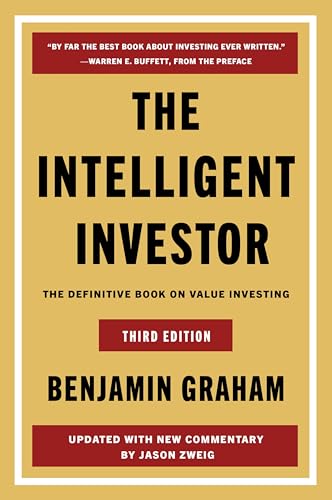
- Timeless value investing principles.
- Updated with Buffett and Zweig commentary.
- Best for long-term, disciplined investors.
Best For: Long-term investors seeking a classic value-investing foundation.
Beginner-Friendly Investing Primer

- Accessible intro to the stock market and business.
- Covers stock tables, annual reports, and basics.
- Ideal for high school age readers and up.
Best For: Beginners who want an easy, practical introduction to investing.
Stock Market Basics Handbook

- Plain-language guide to stock market fundamentals.
- Covers bull, bear, sideways markets, and dividends.
- Audiobook format with practical examples.
Best For: First-time investors who want an easy stock market overview.
Beginner-Friendly Classic – The Neatest Little Guide to Stock Market Investing
If you’re comparing stock market investing books for a clear starting point, this fifth edition is built for beginners who want a concise, practical overview. It focuses on core investing ideas, updated stock-screening resources, and value averaging, while also noting what changed and what stayed timeless after the subprime crash.
Best For: New investors who want a short, straightforward guide to stock basics, screening, and long-term strategy.
Pros:
- Clear, concise approach that is easy for beginners to follow
- Updated with historical research, modern online tools, and stock screeners
- Includes a value averaging plan and insights from Bill Miller
Cons:
- Focused more on fundamentals than on advanced trading tactics
- Shorter, simpler format may feel light for experienced investors
Overall, this is a practical starter book if you want a readable guide that stays centered on foundational stock investing concepts and updated research.
Investing Crash Course – Investing 101
Among stock market investing books, this one stands out as a fast-moving primer that covers stocks, bonds, ETFs, IPOs, and portfolio basics without textbook-style dryness. It aims to keep the learning practical and engaging, with hands-on explanations of topics like value investing, short selling, and risk tolerance.
Best For: Readers who want a broad, approachable introduction to investing concepts beyond just stocks.
Pros:
- Covers a wide range of investing topics, including stocks, bonds, ETFs, and IPOs
- Uses a hands-on, engaging style instead of a textbook feel
- Includes practical concepts like value investing, short selling, and risk tolerance
Cons:
- Broad coverage means it may not go deeply into any one topic
- Better suited to beginners than readers seeking advanced stock analysis
This is a useful all-around primer if you want a lively introduction to investing basics and portfolio building in one book.
Ultra-Short Starter Pick – A Beginner's Guide to the Stock Market
A Beginner's Guide to the Stock Market: Everything You Need to Start Making Money Today
Check Price On AmazonIf you want stock market investing books that get straight to the point, this guide is designed for complete beginners who want a simple roadmap. It covers how the stock market works, how to open a brokerage account, how to buy your first stock, and several basic strategies for growth, momentum, and value investing.
Best For: Total beginners who want a brief, easy-to-follow introduction to starting in stocks.
Pros:
- Very beginner-friendly and straightforward
- Covers practical first steps like opening a brokerage account and buying a first stock
- Includes beginner strategies for momentum, value, and Buffett-style stock picking
Cons:
- At 98 pages, it is much shorter than many competing guides
- May feel too basic for readers wanting deeper investing detail
This is best viewed as a quick-start manual rather than a comprehensive reference, which can be ideal if you want to begin learning fast.
Comprehensive Current Guide – Stock Investing For Dummies
For shoppers comparing stock market investing books, this updated Dummies edition offers a practical, broad look at stock investing in today’s market. It covers the basics of building a strategic portfolio, investing in difficult markets, and newer topics like AI investing tools, ETFs, preferred stocks, options, factor investing, and stock warrants.
Best For: New or returning investors who want a current, wide-ranging stock investing reference.
Pros:
- Updated for current market conditions and recent investing trends
- Covers both basics and expanded topics like AI tools, ETFs, and factor investing
- Designed as a comprehensive guide for beginners and skill refreshers
Cons:
- Broader scope may be more than casual readers need
- More reference-style than a quick, fast read
If you want a modern, all-in-one stock investing overview, this is the most expansive option in the group.
CAN SLIM Growth Pick – How to Make Money in Stocks
How to Make Money in Stocks: A Winning System in Good Times and Bad, Fourth Edition
Check Price On AmazonIf you want stock market investing books that focus on finding winning stocks before they make major price moves, this edition of How to Make Money in Stocks gives you a rules-based approach built around William J. O’Neil’s CAN SLIM system. It combines a long historical study of market winners with chart-based techniques, investor-mistake warnings, and guidance on stocks, mutual funds, and ETFs.
Best For: Investors who want a disciplined growth-stock framework and practical chart-reading guidance.
Pros:
- Uses O’Neil’s CAN SLIM Investing System, a 7-step process for managing risk and seeking gains.
- Draws on a major study of market winners from 1880 to 2009.
- Includes 100 new charts to help spot profitable trends.
- Covers common investor mistakes to help improve decision-making.
Cons:
- More focused on growth-stock selection than broad passive investing.
- Relies heavily on chart reading and market pattern recognition.
- May feel detailed for readers who want a simpler overview.
This is a strong pick if you want an action-oriented guide centered on identifying potential winners and managing risk with a repeatable system. It is especially useful for readers who prefer an evidence-backed, chart-driven style of stock investing.
Index Fund Classic – The Little Book of Common Sense Investing
Among stock market investing books, this one is the clearest case for keeping costs low and letting the market work for you. John C. Bogle explains why buy-and-hold index investing—through a low-cost fund tied to a broad market index like the S&P 500—can be the simplest path to long-term wealth.
Best For: Investors who want a straightforward, low-cost, long-term strategy without stock picking.
Pros:
- Makes a simple case for broad index funds and buy-and-hold investing.
- Updated with new data and two added chapters on asset allocation and retirement investing.
- Focuses on minimizing costs, which the book argues is central to better returns.
- Supports its approach with insights from major investing names like Buffett and Malkiel.
Cons:
- Not designed for readers seeking active stock-selection tactics.
- Offers less emphasis on trading tools or short-term opportunities.
- Its core message is best suited to patient investors.
This is the best fit if your priority is building wealth with a broad, low-cost portfolio instead of chasing individual stocks. It delivers a durable investing philosophy that is easy to understand and hard to overcomplicate.
Broad Market Guide – A Random Walk Down Wall Street
If you’re comparing stock market investing books and want one that cuts through fads, this updated edition of A Random Walk Down Wall Street offers a practical, no-nonsense guide. Burton G. Malkiel explains how consistent saving and diversified index funds can produce strong long-term results while also examining cryptocurrencies, NFTs, meme stocks, factor investing, risk parity, and ESG portfolios.
Best For: Readers who want a broad, updated investing guide with coverage of both classic and modern market ideas.
Pros:
- Gives step-by-step guidance for investors at different ages and experience levels.
- Explains why diversified index funds can be an effective long-term approach.
- Includes updated discussion of cryptocurrencies, NFTs, and meme stocks.
- Covers tax-smart investing and newer portfolio concepts like factor investing and risk parity.
Cons:
- Not focused on active stock-picking tactics.
- Its broad scope may be more conceptual than hands-on for some readers.
- Readers looking for a single trading system may want a more specialized title.
This is a strong all-around choice if you want a modern, evidence-based investing book that balances timeless principles with current market trends. It works well as a foundational read for investors building a long-term plan.
Classic Value Investing Guide – The Intelligent Investor
If you’re looking for stock market investing books that emphasize discipline over hype, The Intelligent Investor is a foundational choice. Benjamin Graham’s classic focuses on value investing, sensible strategy, and avoiding common mistakes, with updated commentaries that help connect the original lessons to today’s volatile market.
Best For: Investors who want a timeless, principles-first guide to value investing and long-term decision-making.
Pros:
- Built around Graham’s enduring value investing philosophy.
- Includes Warren Buffett’s introduction and appendix in this anniversary edition.
- Updated chapter commentaries by Jason Zweig help explain how the ideas apply today.
- Widely regarded as one of the most respected investing guides ever written.
Cons:
- More focused on investing wisdom than quick-start tactics.
- At 640 pages, it is a substantial read.
For readers who want a serious, long-term investing reference, this edition stands out for both its history and its practical relevance. It is the kind of book you keep returning to as your portfolio and experience grow.
Beginner-Friendly Investing Primer – Learn to Earn
Among stock market investing books for beginners, Learn to Earn is designed to make the basics feel approachable. Peter Lynch and John Rothchild explain how the stock market and business work in a style aimed at high school age readers and older, including practical topics like reading stock tables and understanding annual reports.
Best For: New investors who want an accessible introduction to stocks, business basics, and how to think like an investor.
Pros:
- Written in an accessible, beginner-friendly style.
- Explains core concepts like stock tables and annual reports.
- Connects investing to everyday brands and real-world examples.
- Helps readers learn both how to invest and how to think like an investor.
Cons:
- Less advanced than books aimed at experienced investors.
- Primarily an introduction, not a deep strategy manual.
This is a strong starting point if you want a clear overview before moving into more advanced investing material. It focuses on understanding the market first, which makes it useful for cautious first-time readers.
Stock Market Basics Handbook – Stock Market 101
If you want stock market investing books that break down the basics in plain language, Stock Market 101 is built for that purpose. This primer uses easy-to-understand definitions, tips, and real-life examples to help first-time investors learn the major concepts behind buying and selling stocks without getting bogged down in jargon.
Best For: First-time investors who want a straightforward, easy-to-digest overview of stock market fundamentals.
Pros:
- Uses clear, simple language for beginners.
- Covers key market concepts like bull, bear, and sideways markets.
- Includes practical tips and real-life examples.
- Available as an unabridged audiobook for flexible learning.
Cons:
- More of a fundamentals primer than a deep investing strategy book.
- Audio-first format may not suit readers who prefer print.
This is a solid pick if you want a low-pressure introduction that keeps the focus on essentials. It is especially useful if you prefer bite-sized lessons and a guided path into investing basics.
How We Picked These Stock Market Investing Books
We selected books based on clarity, reputation, usefulness for real-world investing, and broad appeal for everyday readers. The list includes beginner-friendly primers, strategy-focused titles, and long-standing classics that continue to be recommended by investors.
We also looked for a mix of learning styles: some books are ideal for first-time investors who need plain-English explanations, while others are better for readers who want to build a durable, long-term approach.
Quick Comparison: What Each Type of Book Does Best
Not every investing book serves the same purpose. Some cover the basics of stocks, ETFs, and market terms. Others explain how to build a portfolio, manage risk, or think about valuation and long-term returns. If you want an easy starting point, choose a beginner primer. If you want a proven framework, look for books centered on index investing, value investing, or disciplined growth investing.
Key Buying Factors for Stock Market Investing Books
Skill Level
Match the book to your current knowledge. New investors usually benefit most from introductory guides that define jargon and walk through account types, diversification, and order basics.
Investing Style
Different books emphasize different strategies. Some focus on passive investing and low-cost indexing, while others lean toward active stock selection or growth-oriented methods. Pick the one that matches how you want to invest, not just what sounds impressive.
Practicality
The best Stock Market Investing Books offer more than theory. Look for actionable guidance on portfolio construction, risk management, and decision-making habits you can apply immediately.
Timelessness
Markets change, but core principles do not. Books with a strong foundation in long-term thinking, behavior, and discipline tend to hold up better than trend-driven titles.
Who Should Buy Which Stock Market Investing Books?
Complete beginners should start with clear primers that explain stock market basics, investing terms, and portfolio setup in plain language.
Hands-on learners may prefer books with step-by-step systems or practical frameworks for choosing stocks and managing positions.
Long-term investors should prioritize titles that stress diversification, index funds, and patience, especially if the goal is steady wealth building over time.
Readers seeking classic investing wisdom will get the most value from foundational books that focus on discipline, valuation, and avoiding emotional mistakes.
In short, the best choice depends on whether you need a beginner roadmap, a strategy upgrade, or a durable investing philosophy you can follow for years.