The right poetry anthology can help teenagers find language for identity, emotions, relationships, and the challenges of growing up. This selection brings together accessible teen-focused collections, classic poems, multicultural perspectives, and practical writing guides.
Whether you are shopping for an independent reader, a classroom, or a young writer, these anthologies offer different routes into poetry—from short, memorable selections to more substantial literary collections.
Best 10 Poetry Anthologies for Teenagers Picks for 2026
Best for expressive teen readers

- 100+ poems about identity and growing up
- Includes a CD with 44 recordings
- Designed for ages 12–16
Best For: Teen readers and classroom poetry exploration
Best for learning through mistakes

- Poems focus on mistakes and growth
- Encourages reflection and discussion
- Compact 124-page edition
Best For: Reflective middle school readers
Best classic reference collection

- Includes 101 well-known poems
- Covers major English-language poets
- Indexed by title, author, and first line
Best For: Students and traditional poetry reference
Best for modern American poetry

- 599-page twentieth-century survey
- Edited by Rita Dove
- Includes diverse modern poetic voices
Best For: Advanced teen readers and literature students
Classic Favorites

- 100 familiar poems from major classic poets
- Includes “The Raven” and “The Road Not Taken”
- Compact 96-page Dover Thrift Edition
Best For: Teens beginning to explore classic poetry
Global Perspectives

- 300 poems selected by Czeslaw Milosz
- International coverage across centuries and continents
- Thematic sections with introductory prefaces
Best For: Older teens exploring world poetry and themes
Quick Classics

- More than 150 poems across 400 years
- Most selections are 16 lines or fewer
- Features Shakespeare, Dickinson, Frost, Hughes, and more
Best For: Teens wanting brief classic poems for quick reading
Best Creative Guide

- Introduces 15 poetic forms
- Includes original poems and explanations
- Adds prompts and workbook space
Best For: Teen beginners and aspiring young writers
Best Classic-and-Contemporary Collection

- Includes 344 pages of poetry
- Features classic and contemporary poets
- Includes artwork by Tom Pohrt
Best For: Younger readers and family poetry collections
Best Inspirational Poetry Companion
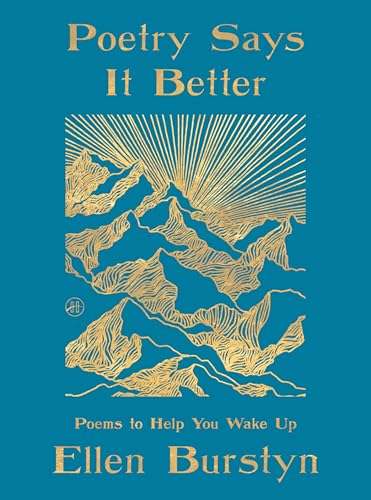
- Curated by Ellen Burstyn
- Features celebrated poets
- Emphasizes reflection and inspiration
Best For: Older teens and thoughtful gift giving
Best for expressive teen readers – Poetry Speaks Who I Am
For shoppers seeking poetry anthologies for teenagers, Poetry Speaks Who I Am offers more than 100 poems focused on identity, independence, discovery, and growing up. Its mix of classic and contemporary voices is supported by a CD featuring 44 poem recordings, including 39 original recordings.
Best For: Teens ages 12–16, classroom libraries, and readers who enjoy hearing poetry performed.
Pros:
- Includes more than 100 poems selected for teen readers.
- Covers relatable themes such as identity, change, humor, anger, and inspiration.
- Includes a CD with 44 recordings, offering an audio-focused reading experience.
Cons:
- The anthology dates to 2010, so it may not represent the newest teen poetry.
- The CD may be less convenient for readers without access to a disc player.
With its broad range of moods and included recordings, this is a strong choice for teens who want poetry to feel immediate, personal, and performative.
Best for learning through mistakes – Imperfect
Imperfect is a focused option among poetry anthologies for teenagers, using poems about mistakes to explore responsibility, resilience, friendship, and growth. The topic ranges from everyday mishaps to more serious errors and invites young readers to consider what mistakes can teach.
Best For: Middle schoolers around ages 13–14, educators, and readers looking for reflective, discussion-friendly poetry.
Pros:
- Centers on a highly relatable theme: making and learning from mistakes.
- Addresses both fixable mistakes and errors that can lead to new ideas.
- Compact 124-page format is approachable for younger readers.
Cons:
- Its single theme may offer less variety than broader anthologies.
- The supplied grade-level information is inconsistent with the stated reading age.
This is a practical pick when the goal is reflection or classroom conversation rather than a wide survey of poetic styles and subjects.
Best classic reference collection – 101 Famous Poems
Readers comparing poetry anthologies for teenagers may appreciate 101 Famous Poems as a compact introduction to widely recognized English-language poetry. In print since 1916, it includes poets ranging from William Shakespeare and Percy Bysshe Shelley to Robert Frost and Edna St. Vincent Millay.
Best For: Students, families, and readers who want a traditional collection of well-known poems with easy lookup tools.
Pros:
- Features 101 established poems from a broad range of English-language poets.
- Includes indexes by title, author, and first line.
- Provides a compact 185-page reference format.
Cons:
- The collection emphasizes famous traditional poems rather than contemporary teen voices.
- The supplied notes do not specify a reading-age range or grade level.
Its indexing and recognizable selections make this a useful supplementary volume for assignments, memorization, or readers building familiarity with canonical poetry.
Best for modern American poetry – The Penguin Anthology
For older teens ready for a deeper collection, The Penguin Anthology of Twentieth-Century American Poetry is one of the more substantial poetry anthologies for teenagers. Edited and introduced by Rita Dove, it presents a wide range of styles, voices, themes, and cultures across 599 pages.
Best For: Advanced teen readers, literature students, and anyone studying modern American poetry in depth.
Pros:
- Offers an extensive 599-page survey of twentieth-century American poetry.
- Represents varied aesthetic sensibilities, voices, themes, and cultures.
- Includes work by poets such as Mary Oliver, Gwendolyn Brooks, Derek Walcott, and Kevin Young.
Cons:
- Its length and literary scope may be demanding for younger or casual readers.
- At 1.9 pounds, it is less lightweight than a compact teen anthology.
This is best viewed as a serious study and exploration volume rather than an introductory gift book, especially for readers who want breadth and historical depth.
Classic Favorites – 100 Best-Loved Poems
For readers seeking approachable poetry anthologies for teenagers, 100 Best-Loved Poems offers a compact selection of widely recognized English-language poems. It includes familiar works such as “The Raven,” “The Road Not Taken,” and “Death, be not proud,” along with poems by major writers including Blake, Wordsworth, Byron, Keats, and Frost.
Best For: Teen readers building a foundation in classic, frequently anthologized poetry.
Pros:
- Includes many well-known poems and poets.
- Compact 96-page format is easy to carry and browse.
- Listed for readers ages 11 and up.
Cons:
- Focuses on a relatively small selection of 100 poems.
- The anthology emphasizes classic works rather than international variety.
This Dover Thrift Edition is a practical starting point for teenagers who want recognizable poems without committing to a long volume. Its concise format also makes it suitable for classroom reading or casual exploration.
Global Perspectives – A Book of Luminous Things
A Book of Luminous Things is a strong choice among poetry anthologies for teenagers who want a broader cultural and historical range. Selected and introduced by Nobel laureate Czeslaw Milosz, its 300 poems span centuries and continents, with thematic sections such as “Travel,” “History,” and “The Secret of a Thing.”
Best For: Older teens who want international poetry, thematic organization, and brief introductory context.
Pros:
- Features 300 poems from poets around the world.
- Covers poetry from eighth-century China through contemporary America.
- Milosz provides a preface to each poem and organizes selections by theme.
Cons:
- Its 352-page length may feel substantial for casual readers.
- The listed reading age begins at 14 years and up.
- Its international scope may be less focused for students seeking only British or American classics.
With its wide range and instructional introductions, this anthology supports sustained reading and discussion. It is especially useful for teenagers ready to compare poetic responses to shared human experiences across cultures and time periods.
Quick Classics – Great Short Poems
For teenagers who prefer brief, memorable selections, Great Short Poems is one of the more convenient poetry anthologies for teenagers. It gathers more than 150 poems, most 16 lines or fewer, from writers such as Shakespeare, Dickinson, Frost, Whitman, Hughes, and Dunbar.
Best For: Students and new readers who want classic poems that can be read quickly and revisited often.
Pros:
- Offers more than 150 poems spanning over 400 years.
- Most selections are 16 lines or fewer, supporting short reading sessions.
- Includes recognizable works such as “Ozymandias,” “The Tyger,” and “The Road Not Taken.”
Cons:
- The 64-page volume provides limited space for each selection.
- Its focus on short verse excludes longer poetic works.
This anthology is a practical pick for busy teens, classroom warm-ups, or readers who find longer poems intimidating. Its broad historical coverage offers variety while keeping each reading manageable.
Best Creative Guide – A Day in Poems
For shoppers seeking poetry anthologies for teenagers with a hands-on element, A Day in Poems combines examples with guided practice. It introduces 15 poetic forms, including haiku, limericks, sonnets, and pantoums, using teen-friendly explanations, original poems, and writing activities.
Best For: Teens discovering poetry, students, homeschool programs, classrooms, libraries, and young writers who want to experiment.
Pros:
- Covers 15 different poetic forms.
- Uses relatable poems and jargon-free explanations.
- Includes prompts and space to write, sketch, journal, and experiment.
Cons:
- Its interactive workbook format may be less suitable for readers wanting only a traditional poetry collection.
- Published in October 2025, it has a newer, independently published profile.
This is a practical choice when the goal is to help a teenager understand poetry and begin writing, rather than simply read an anthology. Its approachable structure makes unfamiliar forms feel manageable.
Best Classic-and-Contemporary Collection – A Child's Anthology of Poetry
A Child’s Anthology of Poetry is a substantial collection for families looking for poetry anthologies for teenagers that also suit younger readers. Its 344 pages bring together classic and contemporary poems from poets including Robert Frost, Maya Angelou, Emily Dickinson, Shel Silverstein, William Blake, and Elizabeth Bishop.
Best For: Readers ages 8–12, family reading, and young readers building a broad introduction to poetry and literature.
Pros:
- Offers a wide-ranging selection of classic, modern, and international poetry.
- Includes varied voices, styles, and subjects.
- Features artwork by illustrator Tom Pohrt.
- Provides a substantial 344-page reading collection.
Cons:
- The listed reading age is 8–12, so older teenagers may find some selections more child-oriented.
- It focuses on reading and listening rather than writing exercises.
This anthology works best as a broad foundation rather than a teen-specific writing guide. Its mix of familiar favorites and more challenging poems can support shared reading and gradual literary exploration.
Best Inspirational Poetry Companion – Poetry Says It Better
Poetry Says It Better: Poems to Help You Wake Up – A Poetry Anthology for Wisdom and Inspiration
Check Price On AmazonReaders comparing poetry anthologies for teenagers may appreciate Poetry Says It Better as an inspirational, reflective collection. Curated and introduced by Ellen Burstyn, it brings together poetry connected with love, motherhood, grief, travel, and personal meaning, featuring writers such as Rumi, Mary Oliver, W.B. Yeats, and Maya Angelou.
Best For: Older teens, gift buyers, and readers who want poetry for daily reflection and inspiration.
Pros:
- Includes work by a broad range of established poets.
- Offers personal context and insights from Ellen Burstyn.
- Designed as a daily companion for meaningful reading.
Cons:
- Its reflective, adult-oriented framing may not suit younger teenagers.
- It is presented as a curated anthology and companion, not a poetry-writing workbook.
- The listed publication date is April 2026.
This is the strongest fit for teens ready for emotionally thoughtful poetry and personal reflection. Burstyn’s memoir-like introductions add context, making the book more than a bare list of poems.
How We Picked These Poetry Anthologies for Teenagers
We selected books that offer clear value for teenage readers while covering a useful range of styles, themes, periods, and reading levels. The list includes dedicated teen anthologies, collections suitable for middle school and high school readers, classic poetry samplers, international selections, and books that connect reading with creative writing.
We also considered variety. Some readers want poems about identity and everyday experiences, while others need an introduction to literary history or a deeper collection for study. A strong anthology should be approachable without feeling disposable, and it should contain enough variety to reward rereading.
Quick Comparison
| Best for | Look for |
|---|---|
| Identity and self-discovery | Contemporary themes and accessible language |
| Beginning readers | Short poems, familiar subjects, and broad selection |
| Classroom study | Recognized poets, historical context, and range |
| Young writers | Prompts, commentary, exercises, or a workbook format |
| Advanced readers | Substantial collections and international or literary scope |
Key Buying Factors for Poetry Anthologies for Teenagers
Age and Reading Level
Check whether the collection is designed specifically for teens, middle school students, or a general audience. Younger readers may prefer concise poems and direct language, while advanced students may appreciate denser texts and more historical or literary context.
Themes and Emotional Range
Look for subjects that match the reader’s interests, such as friendship, independence, mistakes, hope, family, identity, or inspiration. A broad emotional range is often more useful than a collection focused on one mood.
Poet and Period Coverage
Collections of famous or classic poems can provide an important foundation, but they may use older language and references. Anthologies featuring twentieth-century, contemporary, or international poets can offer additional perspectives and improve cultural and historical range.
Format and Extras
Consider how the book will be used. A compact thrift edition suits casual browsing, whereas a larger anthology may work better for coursework. Writing prompts, introductions, notes, and workbook exercises add practical value for students and aspiring poets.
Who Should Buy Which Poetry Anthologies for Teenagers?
Choose a teen-centered collection for a reader who wants relatable poems about growing up and finding a personal voice. A themed anthology about mistakes or inspiration may be especially suitable for reluctant readers because it offers an immediate emotional entry point.
For school assignments or a broad literary foundation, choose a collection of famous, classic, or twentieth-century poems. Readers who want global perspectives may prefer an international anthology, while younger students benefit from selections that balance classic and contemporary work.
Finally, choose a poetry anthology with writing guidance for a teenager who wants to create poems as well as read them. Comparing poems, trying prompts, and keeping a response journal can turn a collection into an ongoing reading and writing resource.