The best illustrated fairy tale collections make classic stories feel new through expressive artwork, memorable characters, and read-aloud-friendly storytelling. This selection includes broad anthologies, author-focused volumes, deluxe editions, and collections designed for younger readers.
Whether you are choosing a bedtime favorite, a keepsake gift, or a first introduction to traditional tales, compare story selection, illustration style, format, and reading level before buying.
Best 10 Illustrated Fairy Tale Collections Picks for 2026
Atmospheric Classic
Daniela Drescher's Grimm Treasury

- 30 classic Grimm folk tales
- Radiant illustrations by Daniela Drescher
- Large 224-page gift-style format
Best For: Shared reading and Grimm fairy-tale fans ages 3–8
Traditional Family Favorite
The Random House Fairy Tale Book

- 19 classic fairy tales
- Lush artwork by Diane Goode
- Suitable for ages 4–8
Best For: Families wanting a focused traditional collection
Andersen Storybook Gift
Illustrated Andersen Fairy Tales

- Includes The Little Mermaid and The Snow Queen
- Illustrated by Anastasiya Archipova
- Gift edition designed for little hands
Best For: Young readers who enjoy Andersen's classic tales
World Folklore Explorer
The Illustrated Book of Fairy Tales

- More than 50 tales from around the world
- Full-color illustrations throughout
- Includes historical and cultural information
Best For: Ages 7–9 exploring global folklore
Classic Storytime Treasury

- Eight familiar classic tales
- 192-page illustrated hardcover
- Short stories for bedtime reading
Best For: Preschool family storytime and gifting
Tasha Tudor Classic
Illustrated Fairy Tale Keepsake
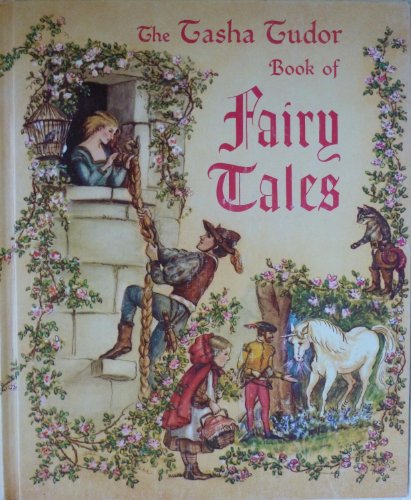
- Artwork by Tasha Tudor
- Vintage 1961 edition
- Large 12-by-10-inch format
Best For: Collectors and nostalgic storybook readers
Interactive Kids’ Treasury

- Eight classic fairy tales
- Questions encourage retelling
- Sturdy 192-page hardcover
Best For: Preschool storytime and early comprehension practice
Classic Story Sampler
Illustrated Treasury of Fairy and Folk Tales
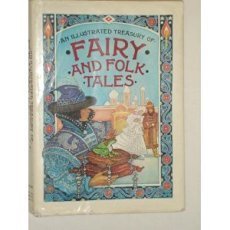
- Mixes familiar and lesser-known tales
- Includes Beauty and the Beast and Rapunzel
- Suggested for grades 4–6
Best For: Older children and families wanting story variety
Deluxe Gift Edition

- Includes 15 classic children's stories
- Full-color illustrations and decorative details
- 256-page hardcover edition
Best For: Young children and gift buyers
Courage-Focused Collection
Fairy Tales for Brave Children

- Centers on courage and facing fears
- Includes seven classic tales
- Atmospheric art by Scott Plumbe
Best For: Children ages 6–12 who enjoy darker adventures
Atmospheric Classic – Daniela Drescher's Grimm Treasury
For readers seeking illustrated fairy tale collections with a storybook feel, this Grimm treasury combines 30 classic folk tales with radiant artwork by Daniela Drescher. It includes familiar favorites such as Cinderella, Sleeping Beauty, Little Red Riding Hood, and Rumpelstiltskin, along with lesser-known stories.
Best For: Families looking for a richly illustrated Grimm collection for children ages 3–8 and shared reading.
Pros:
- Includes 30 classic Grimm stories.
- Features atmospheric, detailed illustrations by Daniela Drescher.
- Large 224-page format suits a substantial home library book.
Cons:
- The 2.31-pound size may be less convenient for small hands or travel.
- The collection focuses specifically on Grimm tales rather than stories from multiple traditions.
This is a strong choice when visual presentation matters as much as the breadth of the Grimm selection. Its large illustrated format makes it especially suited to bedtime reading and display.
Traditional Family Favorite – The Random House Fairy Tale Book
This collection is a practical pick among illustrated fairy tale collections for families who want a focused selection of 19 well-known stories. Diane Goode’s lush illustrations complement tales that generations of children have enjoyed.
Best For: Preschool and early elementary readers ages 4–8 who prefer a classic, approachable treasury.
Pros:
- Collects 19 established fairy tales in one volume.
- Uses lush illustrations by Diane Goode.
- 224 pages provide a substantial reading selection.
Cons:
- It contains fewer tales than some larger fairy-tale anthologies.
- The supplied details do not identify the individual stories included.
Choose this volume if you value a traditional presentation and a manageable selection over maximum story count. Its stated age range makes it well suited to family reading during the preschool and early elementary years.
Andersen Storybook Gift – Illustrated Andersen Fairy Tales
Among illustrated fairy tale collections, this edition stands out for its focus on Hans Christian Andersen’s distinctive stories. It brings together The Little Mermaid, The Snow Queen, Thumbelina, The Princess and the Pea, The Emperor’s New Clothes, and other classics with illustrations by Anastasiya Archipova.
Best For: Children ages 3–8 and families seeking an illustrated Andersen-focused gift book.
Pros:
- Features several of Andersen’s best-known tales.
- Includes charming illustrations by Anastasiya Archipova.
- The gift edition is designed for little hands.
Cons:
- Its 216-page format is devoted to Andersen rather than a broad mix of fairy-tale traditions.
- At 2.31 pounds, it may be relatively heavy for younger children to carry.
This is a fitting choice for readers drawn to Andersen’s mermaids, princesses, emperors, and wintry wonder. The child-friendly gift design and recognizable contents make it a particularly appealing bookshelf addition.
World Folklore Explorer – The Illustrated Book of Fairy Tales
For shoppers comparing illustrated fairy tale collections by breadth, this DK volume offers more than 50 tales from around the world. Alongside stories such as Sleeping Beauty and Jack and the Beanstalk, it provides full-color illustrations and historical and cultural information related to the legends.
Best For: Readers ages 7–9 who want fairy tales paired with cultural and historical context.
Pros:
- Includes more than 50 tales from around the world.
- Offers full-color illustrations of story settings, people, and objects.
- Adds historical and cultural information about the legends.
Cons:
- The stated reading age is older than that of the other listed collections.
- At 160 pages, it has fewer pages despite containing many tales.
This is the strongest option here for variety and context rather than a single author or tradition. It can support both storytime and independent exploration for children ready to connect fairy tales with their cultural background.
Classic Storytime Treasury – Eight Favorite Fairy Tales
Fairy Tales Treasury: A Timeless Collection of Favorite and Classic Fairy Tales Stories for Children
Check Price On AmazonFor shoppers comparing illustrated fairy tale collections for preschool storytime, this hardcover treasury offers eight familiar classics in a substantial 192-page format. Its short tales make it practical for bedtime routines and flexible reading sessions.
Best For: Families seeking a giftable collection of well-known stories for children ages 1–4 and preschoolers.
Pros:
- Includes eight recognizable favorites, including Cinderella, Snow White, and The Gingerbread Man.
- Illustrated hardcover treasury with 192 pages.
- Short stories can fit different bedtime schedules.
- Designed for shared family reading and building interest in books.
Cons:
- The listed reading age is primarily 1–4 years, so older children may want more advanced retellings.
- Its selection focuses on familiar classics rather than a broader variety of tales.
This is a dependable pick when you want an illustrated collection centered on classic stories, easy repeat reading, and a presentation suitable for gifting.
Tasha Tudor Classic – Illustrated Fairy Tale Keepsake
Among illustrated fairy tale collections, this Tasha Tudor selection stands out for readers who value a classic, artist-led presentation. The 92-page book was selected, edited, and illustrated by Tasha Tudor, though this particular listing is noted as used and in Good condition.
Best For: Collectors, nostalgic readers, and families looking for a vintage illustrated fairy tale book.
Pros:
- Selected, edited, and illustrated by Tasha Tudor.
- Large 12-by-10-inch format gives the book a substantial display size.
- Vintage publication from 1961 may appeal to collectors and classic-book enthusiasts.
Cons:
- The listed copy is used and has wear on the cover’s corners and edges.
- At 92 pages, it is shorter than several larger modern treasuries.
- The supplied notes do not specify the individual tales included.
This is the most distinctive choice for shoppers drawn to Tasha Tudor’s credited artwork and vintage-book character, provided the used condition meets their expectations.
Interactive Kids’ Treasury – Eight Magical Stories
For families comparing illustrated fairy tale collections for ages 3–5, this 192-page hardcover combines bright illustrations with simple questions after each story. The sturdy binding, glossy pages, and child-friendly size are suited to frequent storytime use.
Best For: Preschoolers who enjoy classic tales and benefit from prompts that encourage retelling and comprehension.
Pros:
- Includes eight classics such as Jack and the Beanstalk, Cinderella, and The Three Billy Goats Gruff.
- Questions after each tale support retelling and early comprehension practice.
- Sturdy binding and glossy pages are designed for everyday handling.
- Hardcover format is positioned as both giftable and suitable for bedtime reading.
Cons:
- The stated target age is 3–5, making it less specifically suited to toddlers.
- The collection contains classic retellings rather than newly developed stories.
This is a strong practical option when interactive storytime matters as much as the illustrations, especially for preschoolers beginning to retell stories and discuss what they hear.
Classic Story Sampler – Illustrated Treasury of Fairy and Folk Tales
For shoppers seeking illustrated fairy tale collections with both familiar favorites and less commonly known stories, this treasury offers broad story variety. It retells classics including Beauty and the Beast, Pinocchio, Rapunzel, and Tom Thumb in a substantial hardcover-sized volume.
Best For: Families and older children looking for a wide-ranging fairy and folk tale collection.
Pros:
- Includes well-known stories alongside lesser-known tales.
- Features a broad mix of fairy and folk stories.
- Large, substantial format weighing 2.71 pounds.
Cons:
- Published in 1986, so it is an older edition.
- The listed grade level is 4–6, which may not suit very young readers.
Choose this volume when story variety matters more than a newly designed presentation. Its older publication date and suggested grade range make it especially suitable for independent readers or shared reading with older children.
Deluxe Gift Edition – Classic Fairy Tales
This deluxe option stands out among illustrated fairy tale collections for its gift-ready design. It presents 15 classic stories with full-color illustrations, printed page-edge designs, patterned endpapers, and a hardcover format.
Best For: Young children and gift buyers who want a decorative introduction to classic fairy tales.
Pros:
- Contains 15 recognizable stories, including Cinderella, Aladdin, and Peter Pan.
- Uses full-color illustrations throughout the collection.
- Includes printed page edges and patterned endpapers for a polished presentation.
- Offers 256 pages in a hardcover edition.
Cons:
- Listed reading age is 3–5, so older readers may want a more advanced collection.
- The publication date is April 14, 2026, which may affect availability depending on when you shop.
Its combination of familiar stories and decorative details makes this a strong choice for a keepsake or birthday gift. Select it when visual presentation and a broad starter selection are priorities.
Courage-Focused Collection – Fairy Tales for Brave Children
Among illustrated fairy tale collections, this book is tailored to readers who enjoy darker, adventurous stories. Seven tales feature children facing wicked queens, beasts, witches, and giants, with atmospheric artwork by award-winning Canadian illustrator Scott Plumbe.
Best For: Children ages 6–12 who enjoy suspenseful stories about courage and overcoming fear.
Pros:
- Centers on brave children confronting frightening challenges.
- Includes seven classic tales from the Brothers Grimm, Hans Christian Andersen, Oscar Wilde, and others.
- Features atmospheric illustrations by Scott Plumbe.
- Designed as an option for bedtime reading and gifting.
Cons:
- With seven stories and 88 pages, it offers a smaller selection than a large treasury.
- The darkly magical themes may not suit children who prefer gentle fairy tales.
This is the most focused choice of the three, emphasizing bravery rather than breadth. It works well when a child is ready for atmospheric tales and you want the illustrations to reinforce the mood.
How We Picked These Illustrated Fairy Tale Collections
We selected these 10 books for their combination of recognizable fairy tales, visual appeal, child-friendly presentation, and usefulness as either everyday read-alouds or lasting library additions. The list includes collections centered on Grimm’s tales and Hans Christian Andersen, broad anthologies, compact story sets, and editions with distinctive illustration styles.
We also considered variety. Some books favor familiar favorites such as Cinderella, The Little Mermaid, and The Princess and the Pea, while others include folk tales or less commonly collected stories. Because children’s preferences differ, there is no single best anthology for every family.
Quick Comparison
- Best for classic Grimm stories: An Illustrated Treasury of Grimm’s Fairy Tales.
- Best for Andersen fans: An Illustrated Treasury of Hans Christian Andersen’s Fairy Tales.
- Best for a recognizable general anthology: The Random House Book of Fairy Tales.
- Best for a distinctive artistic edition: Book of Fairy Tales, selected, edited, and illustrated by Tasha Tudor.
- Best for a larger story variety: Illustrated Treasury of Fairy and Folk Tales.
- Best for a compact set of favorites: My Favorite Fairy Tales Collection.
Key Buying Factors for Illustrated Fairy Tale Collections
Story Selection and Tone
Check whether the book focuses on one author or tradition, or combines stories from several sources. Grimm adaptations can be darker and more dramatic, while many children’s anthologies soften peril, violence, or frightening scenes. Read the description and sample pages if content sensitivity matters.
Age and Reading Length
Short, simplified retellings work well for younger listeners and frequent bedtime reading. Longer or more faithful adaptations may suit independent readers and families who want richer language. A high page count does not always mean more complete stories; some editions use large type and generous artwork.
Illustration Style and Layout
Illustrations are central to the appeal of these books. Look for full-page artwork, smaller spot illustrations, or a highly decorative design according to the child’s interests. Consider whether the visual style feels gentle, humorous, dramatic, traditional, or modern.
Binding, Size, and Gift Appeal
For regular handling, a sturdy hardcover or reinforced binding can be worthwhile. Oversized books often create a more impressive shared-reading experience but may be less convenient for travel. Check dimensions, edition details, and whether the book is intended as a single volume or a boxed or multi-story format.
Who Should Buy Which Illustrated Fairy Tale Collections?
Choose a Grimm-focused treasury for readers who enjoy familiar European classics with dramatic plots. An Andersen collection is a stronger fit for children drawn to lyrical, bittersweet stories and characters such as the Little Mermaid or Thumbelina. General anthologies are the safest choice when you want broad variety or are buying a gift without knowing a child’s favorite tale.
Families seeking a keepsake should prioritize illustration quality, binding, and a design they will enjoy revisiting. For preschoolers and early elementary readers, favor shorter adaptations, clear typography, and plentiful artwork. Older children may appreciate collections with fuller text, traditional language, and a wider range of folk or fairy tales. In every case, choose the edition whose stories, tone, and artwork best match the child who will read it.