The best poetry anthologies make it easier to explore centuries of verse without committing to one poet, movement, or period. This selection spans canonical English-language poetry, American traditions, international voices, poetic forms, and accessible favorites.
Whether you are buying a classroom reference, a thoughtful gift, or a collection for daily reading, use the guide below to match the anthology’s scope, editorial approach, and format to your needs.
Best 10 Poetry Anthologies Picks for 2026
Best Comprehensive Reference
The Norton Anthology of Poetry

- 2,384-page sixth edition
- New poets and poems
- Digital teaching resources
Best For: Students, instructors, and comprehensive-library builders
Best Critical Companion
The Best Poems of the English Language

- Spans six centuries
- Includes Bloom’s critical introductions
- Covers British and American poetry
Best For: Readers who want context and literary guidance
Best Twentieth-Century American Selection
The Penguin Anthology of Twentieth-Century American Poetry

- Focused twentieth-century scope
- Varied voices and cultures
- Selected by Rita Dove
Best For: Exploring modern American poetry
Best Wide-Ranging English Verse
The Oxford Book of English Verse

- Covers over seven centuries
- Includes many poetic forms
- Features complete long poems
Best For: Readers seeking variety across English verse
Editor Favorites

- Hundreds of poems across eras and styles
- Selections by Heaney and Hughes
- Includes glossary and indexes
Best For: Broad, discovery-oriented reading
Classic Essentials

- 100 widely known poems
- Includes Shakespeare, Poe, and Frost
- Compact 96-page thrift edition
Best For: Students and newer poetry readers
Global Perspectives

- 300 poems from around the world
- Selected and introduced by Milosz
- Organized into thematic sections
Best For: Mature readers seeking international poetry
Form-Focused Guide

- Explains major poetic forms
- Includes close readings and examples
- Covers sonnets, ballads, villanelles, and sestinas
Best For: Readers studying poetic structure and craft
American Poetry Survey
The Oxford Book of American Poetry

- Features more than 200 poets
- Spans the seventeenth century to the present
- Includes author notes and expanded representation
Best For: Readers wanting a comprehensive American poetry reference
Romantic-Era Sampler
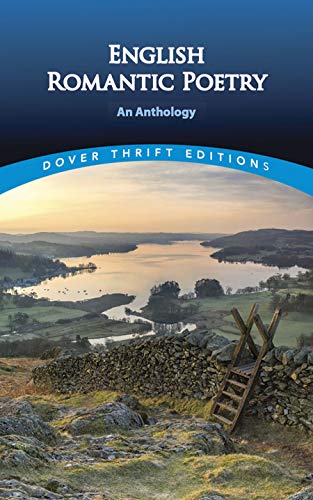
- Features six major English Romantic poets
- Includes widely taught poems and odes
- Adds a period introduction and poet commentaries
Best For: Students and readers beginning Romantic poetry
Best Comprehensive Reference – The Norton Anthology of Poetry
For readers seeking a substantial collection of poetry anthologies, the sixth edition of The Norton Anthology of Poetry offers a broad survey of poetry in English. Its 2,384 pages, new poets and poems, and accompanying digital resources make it especially suited to sustained study.
Best For: Students, instructors, and readers who want an extensive English-language poetry reference.
Pros:
- Very extensive 2,384-page collection.
- Includes new poets and poems in the sixth edition.
- Offers innovative digital resources and Poetry Workshops.
Cons:
- Its three-pound size may be less convenient for casual carrying.
- The academic scope may be more than some casual readers need.
This is a strong all-purpose choice when breadth and teaching support matter most. Choose it for a substantial desk reference rather than a lightweight portable anthology.
Best Critical Companion – The Best Poems of the English Language
Among poetry anthologies, Harold Bloom’s selection stands out for its guided approach to six centuries of British and American poetry. The volume combines poems with introductions to poets and many individual works, helping readers place the selections in context.
Best For: Readers who want a curated collection supported by literary commentary and historical context.
Pros:
- Covers poetry from Chaucer through Robert Frost.
- Applies selection criteria centered on aesthetic splendor, intellectual power, and wisdom.
- Includes an introductory essay and extensive critical introductions.
Cons:
- At 972 pages, it is substantial rather than compact.
- Its focus on Bloom’s selections may not suit readers seeking a neutral survey.
This is a particularly useful pick for readers who value interpretation alongside the poems. It offers a more curated and critical experience than a purely reference-oriented anthology.
Best Twentieth-Century American Selection – The Penguin Anthology of Twentieth-Century American Poetry
For readers narrowing their search for poetry anthologies to modern American writing, Rita Dove’s selection provides a focused survey of the twentieth century. It brings together varied styles, voices, themes, and cultures while balancing representative poems with each poet’s period.
Best For: Readers and students exploring the breadth of twentieth-century American poetry.
Pros:
- Offers a focused 599-page survey of twentieth-century American poetry.
- Represents varied aesthetic sensibilities, voices, themes, and cultures.
- Includes poets such as Mary Oliver, Gwendolyn Brooks, John Ashbery, and Derek Walcott.
Cons:
- Its twentieth-century focus excludes earlier English-language periods.
- It weighs 1.9 pounds, so it is not the lightest portable option.
This anthology is a strong fit when modern American poetry is the priority. Its focused scope makes it easier to explore a period deeply than a mult era collection.
Best Wide-Ranging English Verse – The Oxford Book of English Verse
The Oxford Book of English Verse is one of the broadest poetry anthologies here, covering more than seven centuries and a wide range of forms. Its selection includes familiar classics, newer additions, dramatic verse, translations, nursery rhymes, and works from across the British Isles.
Best For: Readers who want a varied historical collection of English verse, from medieval songs to twentieth-century poets.
Pros:
- Spans over seven centuries of English poetry.
- Includes lyric, satire, hymn, ode, sonnet, elegy, ballad, and dramatic verse.
- Features long poems in their entirety alongside short forms and translations.
Cons:
- Its broad historical range may feel less focused than a period-specific anthology.
- At 752 pages and 2.31 pounds, it is better suited to a shelf or desk than frequent travel.
This is a versatile choice for readers who enjoy moving across periods, regions, and poetic forms. It favors variety and discovery over a narrowly defined literary period.
Editor Favorites – The Rattle Bag
For readers seeking expansive poetry anthologies, The Rattle Bag offers hundreds of selections chosen by editors and poets Seamus Heaney and Ted Hughes. Its alphabetical-by-title arrangement moves freely across eras, styles, languages, and levels of familiarity.
Best For: General readers, students, and families who want a broad, discovery-oriented collection with classics and lesser-known poems.
Pros:
- Includes hundreds of poems from major poets such as Shakespeare, Dickinson, Whitman, Bishop, and Plath.
- Combines undisputed masterpieces with rare discoveries and occasional translations.
- Includes a glossary plus indexes of poets and works.
- Its alphabetical structure encourages unexpected connections and browsing.
Cons:
- The alphabetical organization may be less convenient for readers seeking themed sections.
- Its substantial 496-page length can feel less portable than a compact anthology.
Choose this collection if variety and serendipitous reading matter more to you than a tightly organized introduction to poetry. It is a particularly versatile choice for shared reading and ongoing exploration.
Classic Essentials – 100 Best-Loved Poems
100 Best-Loved Poems is a compact choice for readers who want familiar favorites in an affordable poetry anthology. The Dover Thrift Edition brings together widely recognized works, including poems by Shakespeare, Poe, Frost, Blake, Wordsworth, and many others.
Best For: Students, newer poetry readers, and anyone building a small library of widely taught and popular poems.
Pros:
- Features well-known selections such as “The Raven,” “The Road Not Taken,” and “Death, be not proud.”
- Includes poets from Blake and Byron to Auden, Kipling, and Sandburg.
- Its 96-page format is easy to browse and carry.
- Suitable for readers aged 11 and up.
Cons:
- The shorter length offers less breadth than larger poetry anthologies.
- Its emphasis on popular poems may provide fewer unfamiliar discoveries.
This is a practical starter anthology for readers who value recognition and accessibility. Pick it for a concise introduction to canonical English-language poetry rather than a wide-ranging international survey.
Global Perspectives – A Book of Luminous Things
Among international poetry anthologies, A Book of Luminous Things stands out for its curated global scope and thematic design. Nobel laureate Czeslaw Milosz selects and introduces 300 poems spanning centuries and continents, with sections such as “Travel,” “History,” and “The Secret of a Thing.”
Best For: Mature readers who want international poetry, thematic organization, and brief contextual introductions alongside each selection.
Pros:
- Offers 300 poems from eighth-century China through contemporary American poetry.
- Includes work by Emily Dickinson, Robert Frost, Elizabeth Bishop, Wislawa Szymborska, and others.
- Milosz provides a preface for each poem.
- Thematic sections make the collection instructional as well as inspirational.
Cons:
- Its international and cross-period scope may feel less straightforward for beginners.
- Designed for readers aged 14 and up, so it may not suit younger audiences.
Select this anthology when you want poetry connected by ideas, places, and human experience rather than only by historical period. Milosz’s introductions add useful guidance for reflective, close reading.
Form-Focused Guide – The Making of a Poem
For readers exploring poetry anthologies with an interest in how poems are built, The Making of a Poem offers a focused introduction to major poetic forms. Each chapter combines explanation, close reading, and examples covering forms such as the sonnet, ballad, villanelle, and sestina.
Best For: Readers and students who want to understand poetic form while studying representative poems.
Pros:
- Explains a broad range of poetic forms in a straightforward way.
- Pairs literary discussion with close reading and plentiful examples.
- Covers forms including sonnets, ballads, villanelles, and sestinas.
Cons:
- Its form-centered approach may be less suitable for readers seeking a broad historical anthology.
- At 400 pages, it is more substantial than a quick introductory sampler.
This is a strong choice when your priority is learning how poetic structures work. Choose it for analysis and craft; choose a broader collection if you want coverage organized primarily by national or literary period.
American Poetry Survey – The Oxford Book of American Poetry
Among poetry anthologies, The Oxford Book of American Poetry stands out for its breadth. Edited by David Lehman, this 1,200-page collection features more than 200 poets, spanning American poetry from the seventeenth century through the present and including both established and overlooked voices.
Best For: Readers seeking a substantial, wide-ranging reference anthology of American poetry.
Pros:
- Includes work by more than 200 poets across several centuries.
- Offers succinct head notes introducing each author.
- Expands representation to include more women, African-American poets, overlooked writers, and musicians such as Bob Dylan and Patti Smith.
Cons:
- The 1,200-page format is heavy and less portable than a compact anthology.
- Its expansive scope may feel overwhelming for readers seeking a narrowly focused selection.
This is the most versatile pick for building a broad view of the American poetic tradition. Its size makes it better suited to home reference, extended reading, and comparison than casual carry-along use.
Romantic-Era Sampler – English Romantic Poetry
For readers comparing poetry anthologies by literary period, English Romantic Poetry provides a compact selection from six major English poets. The 256-page volume includes works by Blake, Wordsworth, Coleridge, Byron, Shelley, and Keats, with an introduction to the period and brief poet commentaries.
Best For: Students, teachers, and general readers looking for an accessible introduction to English Romantic poetry.
Pros:
- Concentrates on six central Romantic poets.
- Includes recognizable works such as “The Tyger,” “Kubla Khan,” and “Ode to the West Wind.”
- Adds a concise period introduction and brief commentary on each poet.
Cons:
- Its focus on six poets limits coverage beyond the core selection.
- The volume is centered on English Romantic poetry rather than poetry from multiple periods or countries.
This Dover anthology is a practical entry point when you want representative Romantic-era reading without committing to a much larger survey. It is especially suitable for classroom use or guided introductory study.
How We Picked These Poetry Anthologies
We looked for collections with lasting literary value, clear editorial purpose, useful historical or thematic scope, and strong representation of important poets. The list includes broad surveys as well as focused volumes for American poetry, English verse, Romanticism, twentieth-century writing, international work, and poetic technique.
We also considered how each book serves different readers. Some are designed as comprehensive reference works, while others prioritize accessibility, emotional appeal, or a particular literary tradition. Edition details can vary, so check the publication year, editor, contents, and format before purchasing.
Quick Comparison
| Best For | Recommended Anthology | What It Offers |
|---|---|---|
| Broad literary reference | The Norton Anthology of Poetry | Wide coverage of major English-language poetry |
| English literary history | The Oxford Book of English Verse | Deep chronological coverage of English verse |
| American poetry | The Oxford Book of American Poetry | A substantial survey of U.S. poets and traditions |
| Twentieth-century readers | The Penguin Anthology of Twentieth-Century American Poetry | Focused modern American representation |
| Poetic forms and craft | The Making of a Poem | Examples organized around poetic forms |
| Affordable favorites | 100 Best-Loved Poems | Accessible selections in a budget edition |
Key Buying Factors for Poetry Anthologies
Scope and Literary Period
Start with the coverage you want. General collections offer variety, while period-specific books provide more context and depth. A broad anthology is useful for discovery; a focused anthology is usually better for studying a movement or national tradition.
Editorial Approach
Editors determine which poets, translations, versions, and explanatory notes appear. If you are studying poetry, prioritize introductions, chronology, annotations, and bibliographic information. For casual reading, a carefully curated selection may matter more than extensive scholarly apparatus.
Format, Size, and Readability
Large scholarly volumes can be excellent desk references but less convenient for carrying or bedside reading. Check page count, trim size, binding, type size, and whether the edition is hardcover, paperback, or a thrift reprint.
Original Language and Accessibility
International or historically broad collections may include older spelling, specialized vocabulary, or translated work. Confirm whether translations are included and whether the anthology provides notes that help with unfamiliar references.
Who Should Buy Which Poetry Anthologies?
Choose The Norton Anthology of Poetry or The Oxford Book of English Verse if you want a durable, wide-ranging reference. Readers focused on the United States should consider The Oxford Book of American Poetry or the Penguin twentieth-century collection.
For Romantic-period study, English Romantic Poetry offers a focused starting point. Readers interested in international perspectives may prefer A Book of Luminous Things, while those exploring technique and composition should choose The Making of a Poem. The Rattle Bag suits readers who want an engaging, varied selection, and 100 Best-Loved Poems is a practical low-cost choice for familiar favorites or gifting.