The best world literature anthologies make it easier to study major works across cultures, periods, languages, and literary traditions without assembling a library one title at a time.
This 2026 roundup compares broad Norton and Longman collections with specialized volumes for pre-1650 texts, post-1650 literature, twentieth-century writing, and language arts study.
Best 10 World Literature Anthologies Picks for 2026
Best Overall Value
Norton World Literature Shorter Fourth Edition
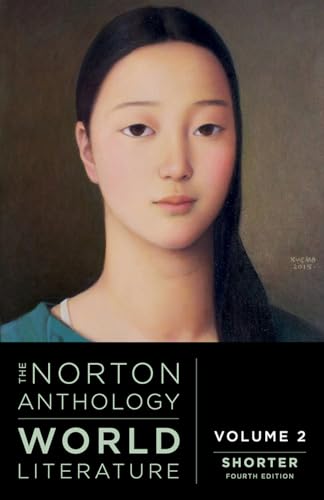
- New selections and translations
- Digital resources and illustrations
- 1,488 pages across two volumes
Best For: Students and instructors wanting broad, updated coverage
Best for Twentieth-Century Study
Longman World Literature Volume F

- Focused on twentieth-century literature
- Multiple genres and complete works
- Maps, annotations, and instructor support
Best For: Twentieth-century literature courses
Best Third Edition
Norton World Literature Classic Edition

- New selections and translations
- Redesigned maps and timelines
- Interactive ebook and media resources
Best For: Broad, classroom-supported literary study
Best for Language Arts Learning

- Designed for language arts learning
- World literature-centered curriculum
- Large workbook-style format
Best For: Structured language arts instruction
Best for Easy Setup
The Norton Anthology of World Literature

- Hundreds of literary selections
- New selections and translations
- Digital resources and illustrations
Best For: Broad print coverage at an affordable price
Best for Current Courses

- Newest fifth edition
- Translation Lab and new translations
- Interactive ebook resources
Best For: Post-1650 courses and active digital reading
Best Budget Introduction
The Norton Anthology of World Literature

- Compact 688-page format
- Maps, timelines, and headnotes
- Low-cost interactive ebook option
Best For: Affordable, accessible first exposure to world literature
Most Current Edition
Norton World Literature Pre-1650

- Fifth edition published in 2024
- New translations and Translation Lab
- Ebook includes annotation, video, and audio tools
Best For: Students and instructors studying world literature before 1650
Classic Comprehensive Choice
Norton World Literature, Third Edition

- Third edition with broad global selections
- Updated introductions, maps, and timelines
- Interactive ebook option available
Best For: Courses seeking a traditional, resource-rich Norton anthology
Longer Third-Edition Volume
Norton World Literature, 1,024-Page Edition

- Third edition published in 2012
- 1,024-page print volume
- Includes maps, timelines, illustrations, and media resources
Best For: Readers wanting the longer third-edition format for coursework or reference
Best Overall Value – Norton World Literature Shorter Fourth Edition
For readers comparing world literature anthologies, this shorter fourth edition combines a broad selection of popular works with new selections and translations in a relatively affordable two-volume format. Helpful editorial apparatus, illustrations, and digital resources make it a practical choice for study or teaching.
Best For: Students and instructors seeking a current, comprehensive short anthology with supporting resources.
Pros:
- Includes popular works alongside new selections and translations.
- Provides helpful apparatus, illustrations, and digital resources.
- Offers 1,488 pages across the Shorter Fourth Edition’s two-volume contents.
Cons:
- The ebook reflects the two-volume contents rather than a single-volume reading experience.
- Its extensive 1,488-page scope may be more than casual readers need.
Choose this edition when breadth, updated content, and classroom-oriented support matter more than having the most compact anthology possible.
Best for Twentieth-Century Study – Longman World Literature Volume F
This Longman volume is a focused option among world literature anthologies, concentrating on twentieth-century writing across regions and genres. Its contextual introductions, annotations, maps, pronunciation guides, and illustrations support close reading and classroom discussion.
Best For: Courses centered on twentieth-century world literature and comparative regional study.
Pros:
- Covers epic, lyric poetry, drama, and prose narrative.
- Includes many works in their entirety.
- Adds cultural context, regional maps, pronunciation guides, and scholarly annotations.
- An accompanying Instructor’s Manual offers classroom suggestions.
Cons:
- Its scope is limited to the twentieth century rather than world literature across all periods.
- Published in 2008, it may not reflect more recent scholarship or selections.
Volume F makes the most sense when the syllabus or reading plan specifically prioritizes twentieth-century voices and benefits from substantial teaching support.
Best Third Edition – Norton World Literature Classic Edition
Readers evaluating world literature anthologies may prefer this third edition for its extensive editorial refresh. It offers new selections and translations, updated introductions and headnotes, redesigned maps and timelines, illustrations, and media resources in a 1,504-page format.
Best For: Students and teachers who want a well-supported Norton anthology with broad coverage and interactive ebook availability.
Pros:
- Includes dozens of new selections and translations for its edition.
- Features new introductions, headnotes, maps, timelines, and illustrations.
- Offers media resources and an interactive ebook option.
Cons:
- This is the Third Edition, so it predates the supplied Shorter Fourth Edition.
- Its 1,504 pages may feel substantial for readers seeking a brief survey.
This edition remains a strong pick for readers who value the Norton format and extensive teaching materials, especially when the third-edition content matches their course requirements.
Best for Language Arts Learning – Gold Book World Literature
This Gold Book title is a specialized option among world literature anthologies, designed for learning language arts through world literature. Its workbook-style dimensions and English-language format may suit learners seeking a structured literature-based resource.
Best For: Language arts learners using a world literature-centered curriculum.
Pros:
- Explicitly connects world literature with language arts learning.
- Provides a dedicated curriculum title rather than a general reference anthology.
- Its large 10.9-by-8.5-inch format may be convenient for workbook use.
Cons:
- The supplied details do not specify included authors, works, page count, or supporting features.
- It may be less suitable for readers seeking a scholarly survey anthology.
Consider this resource when the priority is guided language arts instruction through world literature; verify the curriculum contents before choosing it for broad literary coverage.
Best for Easy Setup – The Norton Anthology of World Literature
For readers seeking broad world literature anthologies coverage at an affordable price, the fourth-edition Norton offers hundreds of selections, new translations, helpful context, and illustrations in a substantial 1,280-page volume.
Best For: Students and general readers who want a wide-ranging print anthology with supporting resources.
Pros:
- Includes hundreds of literary selections across world literature.
- Adds new selections and translations to the previous edition.
- Provides helpful apparatus, illustrations, and digital resources.
- Offers an extensive 1,280-page collection at an affordable price.
Cons:
- The large selection may feel extensive for readers seeking a shorter introduction.
- This is the 2018 fourth edition, rather than the newer fifth edition.
Choose this edition when breadth, print usability, and value matter most. It is a strong all-purpose reference, though readers needing the latest updates may prefer the fifth edition.
Best for Current Courses – World Literature: Post-1650
Among world literature anthologies, this fifth-edition Post-1650 volume is the most current option here, combining new translations, thematic clusters, and digital tools designed to support active reading and teaching.
Best For: Students and instructors studying post-1650 literature who want updated content and an interactive ebook experience.
Pros:
- Uses the fifth edition, published in 2024.
- Includes new translations, including Emily Wilson’s Iliad and Kimi Traube’s Don Quixote.
- Adds Translation Lab and refreshed thematic clusters on storytelling and travel.
- Ebook Reader platform includes annotation tools, video, and audio.
Cons:
- Focuses on post-1650 material rather than the complete historical span.
- At four pounds, the print volume is relatively heavy.
This is the strongest pick for readers who prioritize recent editorial updates and built-in digital engagement. Confirm that the post-1650 scope matches your course or reading plan before buying.
Best Budget Introduction – The Norton Anthology of World Literature
Readers comparing world literature anthologies on a budget may find this third edition appealing: it offers a compact 688-page collection with new selections, translations, introductions, maps, timelines, and media resources.
Best For: Students and first-time readers who want a more compact and economical introduction to world literature.
Pros:
- More compact than the 1,280-page fourth edition.
- Includes dozens of new selections and translations for its edition.
- Features introductions, headnotes, illustrations, maps, and timelines.
- Available as an interactive ebook at a fraction of the print price.
Cons:
- It is the older third edition from 2012.
- Its shorter length may provide less coverage than newer, larger editions.
Choose this volume when portability and lower cost are more important than having the newest edition. Its added maps, timelines, and introductions make it a practical starting point.
Most Current Edition – Norton World Literature Pre-1650
For readers and instructors seeking comprehensive world literature anthologies focused on foundational texts before 1650, this fifth-edition Norton volume combines refreshed selections with updated translations and digital learning tools.
Best For: Students and instructors studying global literature from antiquity through 1650.
Pros:
- Includes new translations, including Emily Wilson’s Iliad and Kimi Traube’s Don Quixote.
- Adds the Translation Lab and refreshed thematic clusters on subjects such as storytelling and travel.
- Available as an ebook with annotation tools, video, and audio through the Norton Ebook Reader platform.
Cons:
- The listed volume weighs 5 pounds, which may be less convenient for carrying.
- Its focus is limited to literature before 1650.
This is the strongest choice for buyers who want the newest edition, a pre-1650 scope, and enhanced digital resources in one substantial teaching anthology.
Classic Comprehensive Choice – Norton World Literature, Third Edition
This third-edition Norton is a dependable option among world literature anthologies, bringing together revised selections, new translations, scholarly introductions, and supporting maps, timelines, illustrations, and media resources.
Best For: Readers and courses wanting a broad, traditional Norton anthology with extensive teaching support.
Pros:
- Developed with input from more than 500 teachers and regional specialists.
- Features dozens of new selections and translations plus updated introductions and headnotes.
- Includes redesigned maps and timelines, illustrations, and media resources.
- An interactive ebook version is available at a fraction of the print price.
Cons:
- This is the 2012 third edition rather than the newer fifth edition.
- The supplied details list a 928-page print length, so it remains a substantial textbook.
Choose this version if you value the established Norton structure and broad classroom resources, especially when the older third edition meets your course requirements.
Longer Third-Edition Volume – Norton World Literature, 1,024-Page Edition
Among established world literature anthologies, this third-edition Norton volume offers a slightly longer print format with diverse selections, refreshed scholarly material, and classroom-oriented visual and media resources.
Best For: Students and instructors who prefer the 1,024-page third-edition format for broader reading coverage.
Pros:
- Includes dozens of new selections and translations for its edition.
- Provides all-new introductions and headnotes by a new team of scholar-teachers.
- Offers illustrations, redesigned maps and timelines, and media resources.
- Available as an interactive ebook at a fraction of the print price.
Cons:
- It is a 2012 third edition, not the latest Norton edition.
- Its 1,024-page length may be more book than some readers need.
The extra page count makes this a sensible pick for buyers comparing closely related Norton volumes and wanting the longer third-edition version for coursework or reference.
How We Picked These World Literature Anthologies
We selected these 10 volumes based on scope, editorial organization, classroom usefulness, historical coverage, and the needs of different types of readers. The list includes comprehensive collections as well as focused books that serve a particular period, course, or teaching method.
Because anthology contents and editions can vary, check the table of contents, publication details, volume designation, and assigned-edition requirements before buying. Repeated listings of major anthology series may represent different editions or formats, so confirm that the version matches your syllabus or reading plan.
Quick Comparison
| Best For | Look For |
|---|---|
| Broad survey courses | A complete multi-period anthology with substantial editorial notes |
| Modern literature study | A twentieth-century or post-1650 volume with strong historical context |
| Ancient and early traditions | A pre-1650 volume covering foundational texts and cultures |
| Language arts instruction | Accessible selections, teaching guidance, and structured activities |
| Independent readers | A manageable format with introductions, timelines, and clear navigation |
Key Buying Factors for World Literature Anthologies
Coverage and Organization
Start with the periods and regions you need. A broad anthology is useful for comparison, while a focused volume may provide deeper coverage of a specific era. Look for chronological or thematic organization that supports the way you plan to study.
Editorial Support
Introductions, annotations, glossaries, maps, timelines, bibliographies, and discussion questions can significantly improve an anthology’s value. Students often benefit from contextual notes, while experienced readers may prefer more space devoted to primary texts.
Edition and Format
Compare paperback, hardcover, e-book, and used editions carefully. Page numbers, included readings, translations, and supplementary material may differ. For a class, the assigned ISBN or volume is usually more important than the lowest price.
Translation and Accessibility
World literature depends heavily on translation choices. If a work is especially important to your studies, compare the listed translators and read sample pages when possible. Readers buying for younger students or language arts may prioritize clear prose and guided exercises.
Who Should Buy Which World Literature Anthologies?
Choose a comprehensive Norton anthology if you want a respected foundation for a global literature survey or a long-term reference shelf. A Longman twentieth-century volume is a stronger fit for readers concentrating on modern writing and its historical movements.
Pick a pre-1650 collection for ancient, medieval, and early modern literature; choose a post-1650 volume for later global traditions and modern developments. The Gold Book is better suited to families, homeschoolers, or language arts students who want literature integrated with structured instruction.
In short, buy the widest coverage you will genuinely use, then prioritize the edition, translation, and teaching features required for your course or reading goals.