The best screenwriting books can help you understand story structure, write professional screenplay pages, and develop a repeatable drafting process.
We selected 10 essential guides and craft books for beginners, working writers, and screenwriters focused on film, television, or short-form projects.
Best 10 Screenwriting Books Picks for 2026
Most Complete Guide
Screenwriter's Bible, 7th Edition

- Covers writing, formatting, and selling
- Includes worksheets, checklists, and examples
- Updated with current practices and outlets
Best For: An all-in-one reference for beginning and working screenwriters
Best for Story Craft
Story: Substance, Structure, Style

- Explores structure and character together
- Offers an integrated craft explanation
- Draws on McKee's seminar concepts
Best For: Writers studying story construction in depth
Best Hands-On Workbook

- Provides step-by-step writing exercises
- Covers structure, characters, dialogue, and revision
- Includes screenplay analysis and examples
Best For: Writers who prefer guided, practical assignments
Best for Plotting

- Focuses on loglines, genres, and beats
- Maps 40 scenes with conflict and change
- Includes practical script-repair rules
Best For: Writers seeking a concise plotting and marketability framework
Best Format Reference

- Clear instructions with hundreds of formatting examples
- Covers modern script elements and animation
- Useful desk reference for drafting and revision
Best For: Writers seeking detailed screenplay-format guidance
Best Classic Foundation
Screenplay: The Foundations of Screenwriting

- Introduces structure and character fundamentals
- Explains the importance of a script’s opening pages
- Includes adaptation, dialogue, and writer’s-block guidance
Best For: Newer writers learning screenplay fundamentals
Best Story-Building Framework

- Presents a distinctive narrative-building approach
- Uses philosophy, mythology, and practical anecdotes
- Designed for compelling, multifaceted stories
Best For: Writers seeking deeper story-development techniques
Modern Screenwriting Guide

- Covers screenplay basics, craft, and business
- Features advice from experienced film and TV creators
- Includes guidance on pitching and collaboration
Best For: Aspiring screenwriters seeking current, all-around guidance
Hollywood Insider Classic
Adventures in the Screen Trade
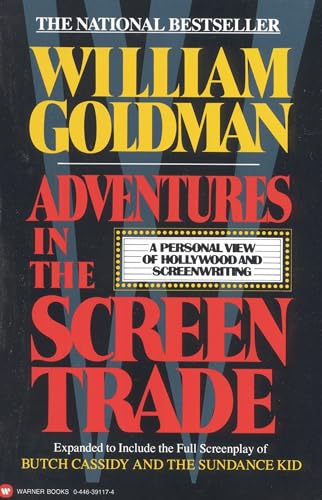
- Written by two-time Oscar winner William Goldman
- Examines films, actors, and Hollywood's inner workings
- Connects industry experience with screenplay craft
Best For: Readers who value candid, historical Hollywood insight
Short Film Craft Textbook

- Concentrates on short film screenplays
- Covers structure and content
- Updated second edition adds new chapters
Best For: Students and writers developing short films
Most Complete Guide – Screenwriter's Bible, 7th Edition
Screenwriter's Bible, 7th Edition: A Complete Guide to Writing, Formatting, and Selling Your Script
Check Price On AmazonIf you want one of the most comprehensive screenwriting books available, Screenwriter’s Bible, 7th Edition combines instruction on writing, formatting, spec scripts, and marketing. Its worksheets, checklists, examples, and updated material make it a practical reference for developing and presenting a script.
Best For: New and working screenwriters who want an all-in-one reference.
Pros:
- Covers the process from initial idea through revisions.
- Includes dedicated guides to screenplay and TV formatting.
- Offers sample query letters, worksheets, checklists, and scene examples.
- Includes updated practices and material on non-traditional screenplay outlets.
Cons:
- Its broad coverage may feel less focused than a specialized craft book.
- At 462 pages, it is a substantial reference to work through.
This is a strong choice if you need practical guidance beyond story development, especially formatting and selling. It is particularly useful as a long-term desk reference.
Best for Story Craft – Story: Substance, Structure, Style
Story is a deep-dive option among screenwriting books, focusing on how substance, structure, style, character, and story construction work together. It is designed for readers who want a comprehensive explanation of screenplay craft rather than a short checklist of formatting rules.
Best For: Writers seeking an intensive study of story structure and character.
Pros:
- Explains the relationship between structure and character.
- Provides an integrated treatment of screenwriting craft.
- Draws on concepts from McKee’s widely known screenwriting seminars.
Cons:
- Its 480 pages and intensive approach may be demanding for beginners.
- It emphasizes craft and construction rather than sales and formatting guidance.
Choose this book when your main priority is understanding why a screenplay works. It is a substantial craft-focused companion for writers refining story ideas or works in progress.
Best Hands-On Workbook – The Screenwriter's Workbook
The Screenwriter’s Workbook stands out among screenwriting books for its exercise-driven, step-by-step approach. Syd Field guides readers through developing a central idea, shaping narrative structure, building characters, writing dialogue, and revising a script for film, television, and streaming.
Best For: Beginners and developing writers who learn by completing guided exercises.
Pros:
- Uses hands-on exercises and sequential instructions.
- Covers premise, structure, character, dialogue, and rewriting.
- Applies its approach to film, television, streaming, and beyond.
- Includes analysis of notable screenplays to clarify its concepts.
Cons:
- Its systematic approach may feel restrictive to writers who prefer experimentation.
- At 320 pages, it provides less breadth than a larger all-in-one reference.
This is a practical pick if you want to move from an idea to a draft through concrete assignments. It is especially suited to writers who want a structured path into rewriting.
Best for Plotting – Save The Cat!
Save The Cat! is a concise, marketability-focused choice among screenwriting books. Blake Snyder presents rules for loglines, genres, screenplay beats, scene mapping, and script repair in a fast, candid format aimed at helping writers shape more satisfying and marketable ideas.
Best For: Writers who want a compact framework for plotting and repairing a screenplay.
Pros:
- Explains four elements of a winning logline.
- Introduces 10 genres and 15 screenplay beats.
- Shows how to map 40 scenes using conflict and emotional change.
- Includes practical rules for getting a script back on track.
Cons:
- Its rule-based framework may not suit every writing style.
- It offers less extensive coverage of formatting than a complete reference.
Pick this book if you want a compact plotting system and a strong focus on commercial clarity. Its shorter length also makes it approachable for writers who prefer direct, actionable guidance.
Best Format Reference – The Hollywood Standard
For screenwriters who want a dependable formatting reference, The Hollywood Standard offers clear instructions and hundreds of examples. This third edition addresses scene headings, dialogue, transitions, pacing, text messages, Zoom meetings, animation, and other practical script-formatting questions.
Best For: Writers who need a detailed desk reference for screenplay format and style.
Pros:
- Explains formatting choices in clear, concise language.
- Includes hundreds of examples for common and advanced questions.
- Covers modern elements such as text messages and Zoom meetings.
- Discusses formatting differences between animation and live action.
Cons:
- Its 220 pages focus on format and style rather than broad story development.
- The large 8.5-by-11-inch format may be less portable than a compact guide.
This is a practical choice among screenwriting books if your priority is polished, readable script presentation. It works especially well as a fingertip reference while drafting or revising.
Best Classic Foundation – Screenplay: The Foundations of Screenwriting
Syd Field’s Screenplay is a foundational pick for readers comparing screenwriting books. Its revised edition covers structure, character, dialogue, adaptation, opening pages, writer’s block, and practical steps from concept through finished script.
Best For: Beginners and developing writers who want a classic introduction to screenplay structure and craft.
Pros:
- Explains core relationships between structure and character.
- Highlights why the first ten pages matter to professional readers.
- Covers adapting novels, plays, or articles into scripts.
- Includes guidance on dialogue, memorable characters, and writer’s block.
Cons:
- Its revised edition was published in 2005, so it is not the newest guide in the roundup.
- At 320 pages, it requires more reading time than a short reference manual.
Choose this book when you want an encouraging, broad introduction to screenplay fundamentals. It is particularly useful for understanding story construction before focusing on detailed formatting.
Best Story-Building Framework – The Anatomy of Story
The Anatomy of Story takes a deeper, more conceptual approach than many screenwriting books. Drawing on philosophy, mythology, anecdotes, and John Truby’s screenwriting class, it presents techniques for developing compelling, multifaceted narratives.
Best For: Writers ready to move beyond basic formulas and develop richer, more layered stories.
Pros:
- Offers a distinctive approach to building effective narratives.
- Draws on philosophy and mythology for broader story insight.
- Uses techniques and anecdotes connected to Truby’s award-winning class.
- Focuses on compelling, multifaceted scripts rather than only basic structure.
Cons:
- Its 464-page length makes it a substantial read.
- The conceptual approach may feel less immediately practical than a formatting guide.
This is a strong option for screenwriters who already understand the basics and want a more expansive way to think about narrative design. Its emphasis is story depth, not script-page mechanics.
Modern Screenwriting Guide – Scriptnotes
Scriptnotes: A Book About Screenwriting and Things That Are Interesting to Screenwriters
Check Price On AmazonFor writers seeking practical screenwriting books with guidance on craft and career development, Scriptnotes combines advice from podcast creators John August and Craig Mazin with contributions from notable film and television creators. It covers screenwriting fundamentals, storytelling, pitching, and collaboration.
Best For: Writers who want a contemporary, broad introduction to screenplay craft and the screenwriting business.
Pros:
- Covers basics, craft, and business in one volume.
- Draws on more than a thousand hours of podcast discussions.
- Includes contributions from creators such as Christopher Nolan and Greta Gerwig.
Cons:
- Its 2025 publication may make it less established than older screenwriting classics.
- At 352 pages, it may be more extensive than a quick-reference handbook.
This is a well-rounded choice for readers who want both writing instruction and insight into pitching and working collaboratively on screen projects.
Hollywood Insider Classic – Adventures in the Screen Trade
Adventures in the Screen Trade: A Personal View of Hollywood and Screenwriting
Check Price On AmazonAmong screenwriting books, William Goldman’s Adventures in the Screen Trade stands out for its firsthand account of Hollywood and the screenwriting process. The Academy Award-winning writer discusses films including Butch Cassidy and the Sundance Kid and All the President’s Men, along with his creative experiences and views on what makes a good screenplay.
Best For: Readers who want an experienced screenwriter’s candid perspective on Hollywood, filmmaking, and screenplay development.
Pros:
- Offers firsthand insight from a two-time Academy Award-winning screenwriter.
- Explores the making of notable films and the working lives of major actors.
- Provides a personal look at screenplay craft and Hollywood’s production process.
Cons:
- Its 1989 publication date means its industry perspective is historical rather than current.
- It is a 608-page reissue, making it a substantial read.
Choose this volume for storytelling, industry context, and an entertaining insider’s view rather than a step-by-step modern writing course.
Short Film Craft Textbook – Writing Short Films
Writing Short Films is a focused option among screenwriting books, concentrating on structure and content for short screenplay writers. The updated second edition is described as a bestselling university textbook and adds several new chapters to its instructional framework.
Best For: Students and emerging writers specifically developing short film screenplays.
Pros:
- Focuses directly on short film screenplay writing.
- Covers both structure and content.
- The second edition includes several new chapters.
- Its textbook format suits structured study.
Cons:
- Its short-film focus may be less suitable for writers developing feature-length scripts.
- Published in 2005, it may not reflect newer industry practices.
This is a sensible pick when your project is a short film and you prefer a focused academic-style resource over a broad Hollywood memoir or career guide.
How We Picked the Best Screenwriting Books
We evaluated these Screenwriting Books for practical usefulness, clarity, reputation among writers, and coverage of the full writing process. The selection includes books on screenplay structure, story development, formatting, exercises, Hollywood realities, and short-film construction.
Because no single title covers every need, the roundup balances foundational craft books with specialized references. Some are best read from cover to cover, while others work better as desk references during outlining, drafting, and revision.
Quick Comparison
| Best For | Recommended Title |
|---|---|
| Complete beginner’s reference | Screenwriter’s Bible |
| Story structure and narrative principles | Story |
| Hands-on writing practice | The Screenwriter’s Workbook |
| Accessible beat-sheet method | Save The Cat! |
| Professional script formatting | The Hollywood Standard |
| Classic screenplay fundamentals | Screenplay |
| Character and story design | The Anatomy of Story |
| Industry perspective and craft conversations | Scriptnotes |
| Hollywood career insight | Adventures in the Screen Trade |
| Short-film writing | Writing Short Films |
Key Buying Factors for Screenwriting Books
Match the Book to Your Current Stage
Beginners may benefit most from an all-in-one guide such as Screenwriter’s Bible or a structured introduction such as Screenplay. Writers with a draft underway may prefer targeted help with structure, character arcs, or revision.
Check the Approach to Structure
Structure books do not all use the same terminology or philosophy. Choose a practical beat-based method if you want a clear outline, or a broader story framework if you want to study theme, character, conflict, and narrative design.
Prioritize Formatting Accuracy
Proper screenplay format matters when submitting scripts or collaborating with industry professionals. A dedicated reference such as The Hollywood Standard can be especially useful for margins, scene headings, transitions, dialogue, and professional style conventions.
Consider Exercises and Examples
Workbooks and example-driven titles are often more useful than purely theoretical books for writers who learn by doing. Look for prompts, checklists, sample scenes, and revision questions that support consistent practice.
Who Should Buy Which Screenwriting Books?
New screenwriters: Start with Screenwriter’s Bible, Screenplay, or The Screenwriter’s Workbook for a broad foundation and practical next steps.
Writers struggling with story: Consider Story, The Anatomy of Story, or Save The Cat! to explore structure, character goals, theme, and pacing from different perspectives.
Writers preparing a professional submission: Keep The Hollywood Standard nearby and use it alongside a craft-focused title rather than relying on formatting advice alone.
Experienced writers and industry-minded readers: Scriptnotes and Adventures in the Screen Trade offer broader observations about screenwriting, Hollywood, collaboration, and the business surrounding scripts.
Short-film creators: Choose Writing Short Films for guidance on compact structure, efficient characterization, and making limited screen time count.