Finding the right world literature anthology for independent study means balancing breadth, historical coverage, readability, and the amount of guidance provided to self-directed learners.
This roundup compares 10 selected anthologies, including broad survey sets, period-focused Norton volumes, and a language-arts-oriented option, so you can choose a collection that fits your reading goals and study plan.
Best 10 World Literature Anthologies for Independent Study Picks for 2026
Best Overall Coverage
The Norton Anthology of World Literature (Shorter Fourth Edition)
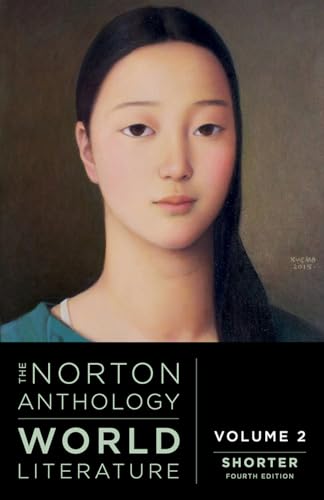
- Updated selections and major new translations
- Helpful apparatus, illustrations, and digital resources
- 1,488-page, two-volume shorter edition
Best For: Independent learners wanting a broad, supported survey
Best for 20th-Century Focus
Longman Anthology of World Literature, Volume F

- Dedicated to twentieth-century literature
- Covers poetry, drama, epic, and prose
- Includes maps, annotations, and pronunciation guides
Best For: Self-directed study of twentieth-century world writing
Best for Language-Arts Study
A World Literature Anthology: The Gold Book

- Part of Learning Language Arts Through Literature
- Connects world literature with language arts
- Large 10.9-by-8.5-inch format
Best For: Independent learners using a language-arts curriculum
Best Classic Edition
The Norton Anthology of World Literature (Third Edition)

- Dozens of new selections and translations
- Updated maps, timelines, headnotes, and introductions
- Interactive ebook and media resources available
Best For: Self-directed learners wanting a substantial Norton reference
Best Comprehensive Classic
Norton Anthology of World Literature

- 1,376-page third edition
- New selections and translations
- Maps, timelines, and media resources
Best For: Independent learners wanting extensive coverage and study aids
Best Updated Digital Study Option
Norton World Literature Pre-1650

- 2024 fifth edition
- Updated translations and Translation Lab
- Ebook includes annotation, video, and audio
Best For: Independent study of pre-1650 texts with digital tools
Best Portable Print Selection
Norton World Literature Compact Edition

- 688-page third edition
- Lighter 1.3-pound format
- Includes contextual study materials
Best For: Self-paced readers seeking a manageable print anthology
Best for Updated Coverage

- 2024 fifth edition
- New translations and thematic clusters
- Ebook tools include annotation, video, and audio
Best For: Independent learners focused on literature after 1650
Best for Compact Survey Study
Norton World Literature, 1024 Pages

- Third edition with 1,024 pages
- New selections, translations, and headnotes
- Maps, timelines, illustrations, and media resources
Best For: Self-directed readers wanting a guided literary survey
Best for Extensive Reading
Norton World Literature, 1392 Pages

- 1,392-page third edition
- Dozens of new selections and translations
- Includes maps, timelines, and media resources
Best For: Independent learners prioritizing a substantial reading program
Best Overall Coverage – The Norton Anthology of World Literature (Shorter Fourth Edition)
For independent students seeking world literature anthologies, this Shorter Fourth Edition offers broad coverage in a relatively compact two-volume format. It combines popular selections with new works and translations, supported by editorial apparatus, illustrations, and digital resources.
Best For: Independent learners who want a substantial, updated survey with contextual support and digital materials.
Pros:
- Includes popular selections alongside new works and translations.
- Offers helpful editorial apparatus and illustrations.
- Includes a robust suite of digital resources.
- Provides 1,488 pages across the shorter edition.
Cons:
- The shorter edition still spans two volumes.
- Its extensive contents may feel more substantial than a casual reader needs.
This is a strong all-purpose choice for self-directed study, especially when breadth, editorial guidance, and supplemental resources matter more than portability.
Best for 20th-Century Focus – Longman Anthology of World Literature, Volume F
Among world literature anthologies for independent study, this Longman volume is a focused option for readers concentrating on twentieth-century writing. It presents poetry, drama, epic, and prose alongside cultural context, annotations, maps, pronunciation guides, and illustrations.
Best For: Independent students building a focused study plan around twentieth-century literature and regional connections.
Pros:
- Concentrates on twentieth-century world literature.
- Includes epic, lyric poetry, drama, and prose narrative.
- Provides contextual introductions, scholarly annotations, maps, and pronunciation guides.
- Groups texts to encourage connections across regions and eras.
Cons:
- It covers the twentieth century rather than world literature across all periods.
- The 2008 second edition is older than some newer anthology options.
Choose this volume when a period-specific anthology and built-in geographic and pronunciation support fit your independent curriculum better than a comprehensive survey.
Best for Language-Arts Study – A World Literature Anthology: The Gold Book
For learners looking for world literature anthologies for independent study within a language-arts framework, The Gold Book is a purpose-built option. Its title identifies it as part of Learning Language Arts Through Literature, making it a natural fit for structured language-arts work.
Best For: Independent students seeking a world literature anthology connected to a language-arts curriculum.
Pros:
- Designed as part of the Learning Language Arts Through Literature series.
- Centers the study of world literature within language arts.
- Uses a large 10.9-by-8.5-inch format.
Cons:
- The supplied details do not specify contents, page count, or editorial features.
- Its curriculum-oriented format may be less suitable for readers wanting a scholarly survey.
This is the most targeted choice for independent language-arts study, but shoppers who need detailed selection and edition information may want to verify the contents before buying.
Best Classic Edition – The Norton Anthology of World Literature (Third Edition)
This Third Edition remains a substantial option among world literature anthologies for independent study. It features new selections and translations, updated introductions and headnotes, redesigned maps and timelines, illustrations, and media resources intended to make the anthology accessible for self-directed learners.
Best For: Independent students who want a classic, comprehensive Norton reference with extensive editorial and media support.
Pros:
- Includes dozens of new selections and translations for its edition.
- Offers new introductions, headnotes, maps, and timelines.
- Includes hundreds of illustrations and media resources.
- Available as an interactive ebook according to the description.
Cons:
- At 1,504 pages, it is a substantial study resource.
- It is an older third edition published in 2012.
Consider this edition if its interactive ebook and established editorial structure appeal to you; compare it with the Shorter Fourth Edition if newer coverage is the priority.
Best Comprehensive Classic – Norton Anthology of World Literature
For readers seeking world literature anthologies for independent study, this 1,376-page third edition offers a broad, structured collection supported by introductions, headnotes, maps, timelines, illustrations, and media resources. Its substantial coverage makes it a strong choice for building a self-directed reading plan.
Best For: Independent learners who want an extensive print anthology with contextual study aids.
Pros:
- Large 1,376-page collection for wide-ranging study.
- Includes new selections and translations.
- Features introductions, headnotes, maps, timelines, illustrations, and media resources.
- Also available as an interactive ebook.
Cons:
- The extensive format may be more book than a casual reader needs.
- This is the 2012 third edition rather than the newer fifth edition.
Choose this version if you value breadth and a traditional print reference with substantial guidance. The interactive ebook option may also suit independent students who prefer digital reading.
Best Updated Digital Study Option – Norton World Literature Pre-1650
Among world literature anthologies for independent study, this fifth-edition pre-1650 set stands out for updated translations and digital learning tools. It combines foundational texts with annotation, video, audio, and Translation Lab features through the Norton Ebook Reader platform.
Best For: Self-directed readers studying pre-1650 literature who want current translations and interactive ebook resources.
Pros:
- Fifth edition published in 2024.
- Includes new translations, including Emily Wilson’s Iliad.
- Translation Lab and refreshed thematic clusters support active reading.
- Ebook platform includes annotation tools, video, and audio.
Cons:
- The physical volumes are notably heavy at 5 pounds.
- Its pre-1650 focus is narrower than a full-period anthology.
This is the strongest fit for learners who prioritize the newest edition and digital engagement. Confirm that its chronological scope matches your independent-study plan before buying.
Best Portable Print Selection – Norton World Literature Compact Edition
For readers comparing world literature anthologies for independent study, this 688-page third edition offers a more manageable print format than the longer Norton volume. It retains the edition’s updated selections, contextual materials, maps, timelines, illustrations, and media resources in a lighter package.
Best For: Independent learners who want a lighter print anthology for focused reading and reference.
Pros:
- 688 pages provide a more manageable reading load.
- Includes new selections and translations from the third edition.
- Offers introductions, headnotes, maps, timelines, and illustrations.
- Weighs 1.3 pounds, making it easier to handle than the larger edition.
Cons:
- Contains fewer pages than the 1,376-page Norton edition.
- This is the 2012 third edition.
Select this version if portability and a focused print selection matter more than maximum coverage. It is a practical entry point for self-paced readers who want Norton’s supporting materials without the largest volume.
Best for Updated Coverage – Post-1650 World Literature
For independent study, The Norton Anthology of World Literature: Post-1650 (Volumes D) offers a recent, focused collection centered on literature after 1650. Its updated translations, thematic clusters, and digital reading tools make it a practical choice for readers who want structured context alongside primary texts.
Best For: Independent learners seeking modern and early-modern world literature with updated translations and ebook support.
Pros:
- Fifth edition published in 2024.
- Includes new translations and refreshed thematic clusters on subjects such as storytelling and travel.
- Translation Lab, annotation tools, video, and audio support active study in the ebook format.
Cons:
- Focuses on the post-1650 portion rather than presenting the full chronological range in one volume.
- The print edition is relatively heavy at 4 pounds.
This is the strongest fit for learners who prioritize current editorial features and a post-1650 scope. The ebook option may be especially useful for annotation-heavy independent work.
Best for Compact Survey Study – Norton World Literature, 1024 Pages
This third-edition Norton Anthology of World Literature is a practical option for independent study when you want a broad anthology in a comparatively compact 1,024-page format. New selections, introductions, maps, timelines, and media resources provide built-in support for navigating a wide literary survey.
Best For: Independent learners who want a classic, accessible world-literature anthology with contextual study aids.
Pros:
- Includes dozens of new selections and translations for its third edition.
- All-new introductions and headnotes add guidance around the readings.
- Redesigned maps, timelines, illustrations, and media resources support self-directed study.
Cons:
- This is the 2012 third edition, not the newer fifth edition.
- The supplied notes do not specify which historical periods are covered in this particular volume.
Choose this version if manageable physical size and extensive orientation materials matter more than having the latest edition. Its interactive ebook format may also reduce the cost and weight of independent study.
Best for Extensive Reading – Norton World Literature, 1392 Pages
For independent study that benefits from more room for primary texts and supporting material, this 1,392-page third-edition Norton Anthology of World Literature provides a substantial reading base. It combines new selections and translations with introductions, illustrations, maps, timelines, and media resources.
Best For: Independent learners who want the more extensive 1,392-page version of the third-edition Norton anthology.
Pros:
- Offers 1,392 pages for a broad, sustained reading program.
- Includes dozens of new selections and translations.
- Contextual tools include introductions, headnotes, maps, timelines, illustrations, and media resources.
Cons:
- This is the 2012 third edition rather than the 2024 fifth edition.
- The larger page count may be more material than learners seeking a compact anthology need.
This edition makes sense when depth and a larger selection are the priority. Compare it with the 1,024-page version if you are deciding between a more extensive reading range and a lighter study load.
How We Picked These World Literature Anthologies for Independent Study
We focused on anthologies that support sustained, self-directed reading rather than collections intended only for classroom use. The selection includes comprehensive surveys, twentieth-century coverage, pre-1650 and post-1650 divisions, and a structured language-arts option. We considered historical range, organization, editorial support, portability, and how easily a reader can build a coherent study plan around each book or volume.
Because several selections are editions or volumes of The Norton Anthology of World Literature, check the exact edition, publication date, volume designation, and included readings before buying. Contents and pagination can vary substantially between versions.
Quick Comparison
| Type | Best for | What to check |
|---|---|---|
| Comprehensive survey | Readers seeking broad geographic and historical coverage | Set size, weight, and table of contents |
| Pre-1650 volume | Early world literature and foundational texts | Translation choices and historical notes |
| Post-1650 volume | Modern and early modern literary study | Period cutoff and regional balance |
| Twentieth-century anthology | Focused study of modern global writing | Authors, movements, and translated works included |
| Language-arts anthology | Guided independent learners and families | Exercises, pacing, and instructional structure |
Key Buying Factors for World Literature Anthologies for Independent Study
Coverage and Scope
Start with the period and regions you want to study. A large survey offers context and variety, but a focused volume may be more manageable and allow deeper attention to a specific era. Review the contents page for meaningful geographic representation rather than relying only on the title.
Editorial Guidance
Introductions, timelines, glossaries, maps, explanatory notes, bibliographies, and discussion questions are especially valuable without an instructor. Translations should also be considered: compare translator names and sample passages when style and accessibility matter.
Format and Workload
Multi-volume sets provide breadth but can be expensive, heavy, and difficult to organize. A single-volume anthology may be easier to carry and finish. For independent study, look for clear sectioning and a table of contents that supports weekly reading targets.
Edition and Condition
Verify whether a listing is a student edition, instructor edition, loose-leaf format, or used copy. Used books can offer value, but confirm that pages, supplements, access materials, and readable text are present.
Who Should Buy Which World Literature Anthologies for Independent Study?
Choose a comprehensive Norton collection if you want a conventional survey reference with substantial historical and literary range. Select the pre-1650 volumes for ancient, classical, medieval, and early literary traditions; choose post-1650 coverage for later global writing. The Longman twentieth-century volume is a better fit for readers concentrating on modern literature and literary movements. The Gold Book option is most suitable for learners who want a more explicitly structured language-arts experience with guidance alongside the readings.
Before purchasing, compare the contents of duplicate or differently labeled editions, then match the anthology’s workload and editorial apparatus to your available study time.