The best storytelling card sets make it easier to turn a blank page—or a quiet group—into an active story. These picks cover creative writing prompts, open-ended games, sequencing practice, early literacy, and imaginative play.
Whether you are shopping for a classroom, therapy setting, family activity, or writer’s toolkit, this roundup highlights sets with different ages, formats, and learning goals.
Best 10 Storytelling Card Sets Picks for 2026
Best for Creative Practice
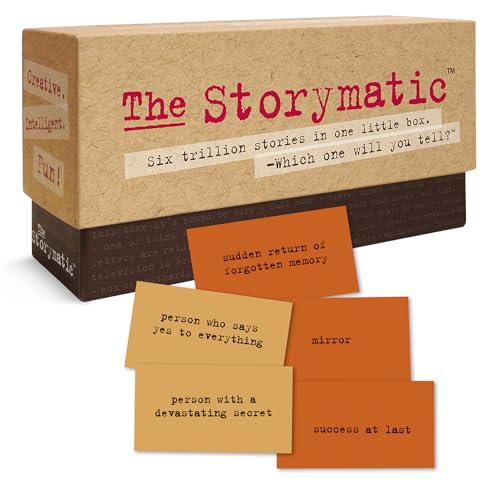
- 540 character and complication cards
- Includes writing prompts and storytelling games
- Useful for writers, teachers, and groups
Best For: Creative writing, classrooms, homeschool, and ages 12+
Best for True-Story Conversation

- 100 themes and 300+ additional prompts
- Multiple collaborative and competitive formats
- Encourages conversation and public speaking
Best For: Group storytelling with friends, family, classmates, or colleagues
Best for Preschool Story Building

- 36 illustrated character, location, and prop cards
- Designed for ages 3 and up
- Builds narrative skills and conversation
Best For: Pre-literacy play, family storytelling, and preschool classrooms
Best for Family Campfire Play
Campfire Stories Deck for Kids

- 50 cards split between characters and actions
- Designed for ages 5 and up
- Includes collaborative play ideas and tips
Best For: Family storytelling, outdoor gatherings, and young children
Best for Fairytale Creativity

- 36 illustrated story-building cards
- Supports imagination and pre-literacy skills
- Made with 90% recycled materials
Best For: Ages 3+ and screen-free family or classroom storytelling
Best for Speech and Sequencing Practice

- Six large picture-sequence sets
- Includes adaptable storytelling prompts
- Supports language and problem-solving goals
Best For: Speech therapy, special education, and guided language practice
Best for Mystery-Themed Storytelling

- 36 cards with mystery-themed imagery
- Builds narratives from recurring elements
- Supports creativity and language skills
Best For: Ages 3+ and imaginative preschool or family storytelling
Imaginative Story Play
Magical Castle Build-a-Story Cards
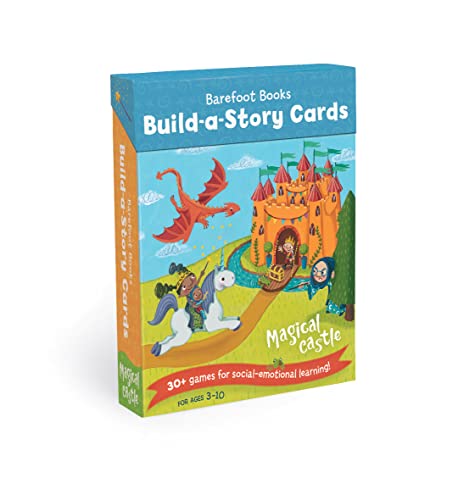
- 36 wordless, color-coded cards
- 30+ guided storytelling games
- Supports writing and social-emotional skills
Best For: Flexible family, classroom, or travel storytelling
Creative Pre-Literacy Pick
Volcano Island Create-a-Story Cards

- 36 illustrated story-building cards
- Designed for ages 3 and up
- Encourages vocabulary and sequencing
Best For: Preschool and early language-development play
Guided Language Practice

- 50 cards across 10 illustrated stories
- Includes manual and question prompts
- Targets sequencing and language skills
Best For: Speech therapy and structured elementary learning
Best for Creative Practice – Storymatic Classic
Storymatic Classic – Creative Writing Prompts and Story Games – Storyteller Cards – Teacher Tool
Check Price On AmazonFor writers, teachers, and groups looking for flexible storytelling card sets, Storymatic Classic offers 540 cards built around characters, complications, prompts, and games. Its booklet explains several ways to combine the cards and develop stories.
Best For: Writers, educators, teens, adults, homeschool settings, improv groups, and creative gatherings.
Pros:
- Includes 540 cards for extensive prompt variety.
- Supports solo writing, classroom activities, and group storytelling.
- Includes a booklet with prompts, suggestions, and non-competitive games.
- Designed to help spark creativity and address writer’s block.
Cons:
- Recommended for ages 12 and up, so it is not aimed at young children.
- The large number of cards may feel more suited to structured creative sessions than quick casual play.
Choose Storymatic Classic if you want a substantial, reusable prompt library rather than a short, child-focused activity. Its broad audience and educational objectives make it especially versatile for writing and teaching.
Best for True-Story Conversation – The Moth Storytelling Game
The Moth Presents: A Game of Storytelling is one of the more conversation-oriented storytelling card sets, using real-life themes and prompts to help players share personal stories. It includes 100 themes and more than 300 additional prompts.
Best For: Friends, families, colleagues, classmates, roommates, and groups practicing public speaking.
Pros:
- Draws on true stories and familiar life experiences.
- Offers multiple play formats, including collaborative and competitive options.
- Prompts can encourage lively conversations, creativity, and public-speaking practice.
- Includes themes such as relationships, mishaps, challenges, and personal experiences.
Cons:
- Its focus on personal stories may be less suitable for players who prefer fictional story creation.
- Some formats require a group and a willingness to speak publicly.
This deck is a strong pick when the goal is connection and spoken storytelling rather than writing exercises. The variety of formats makes it adaptable for casual gatherings, classrooms, and workplace groups.
Best for Preschool Story Building – eeBoo Animal Village
eeBoo Animal Village is a child-friendly option among storytelling card sets, with 36 illustrated cards showing characters, locations, and props. The visual prompts help young children connect ideas and practice making simple narratives.
Best For: Preschoolers ages 3 and up, families, early-learning classrooms, and pre-literacy activities.
Pros:
- Colorful illustrations provide accessible prompts for young storytellers.
- Supports imagination, vocabulary, narrative sequencing, and conversation.
- Can be used for solo play, family storytelling, or classroom discussion.
- Made with 90% recycled materials and vegetable-based inks.
Cons:
- With 36 cards, it offers less prompt variety than larger sets.
- The simple, picture-led format may be too basic for older children and adults.
Animal Village is a practical choice for introducing storytelling before children are comfortable reading and writing. Its recurring animals, places, and objects make it easy to create fresh combinations without complicated rules.
Best for Family Campfire Play – Campfire Stories Deck for Kids
Campfire Stories Deck—For Kids! is a straightforward choice among storytelling card sets for children and families. Its 50 illustrated cards pair characters with actions, while extra cards explain storytelling tips and different ways to play.
Best For: Children ages 5 and up, family gatherings, outdoor activities, and collaborative storytelling.
Pros:
- Uses 25 character cards and 25 action cards to make story creation simple.
- Includes illustrated animal heroes and nature-inspired prompts.
- Supports individual, family, and whole-group storytelling.
- Extra cards provide tips and variations for engaging children.
Cons:
- The deck is designed primarily for younger children, so older players may want more complexity.
- Its 50-card prompt pool is smaller than some writing-focused decks.
Pick this deck for an approachable, low-preparation activity that gets children inventing stories together. The character-and-action format is easy to explain, and the collaborative option works well around a campfire or family table.
Best for Fairytale Creativity – Fairytale Mix Ups
For shoppers comparing storytelling card sets for young children, eeBoo Fairytale Mix Ups offers 36 illustrated cards featuring fairytale characters, locations, and objects. Children can combine the cards to create stories during screen-free, non-competitive play.
Best For: Ages 3+, family storytime, preschool or elementary classroom discussions, and early narrative practice.
Pros:
- 36 cards support many story combinations and creative prompts.
- Encourages imagination, vocabulary, conversation, and narrative sequencing.
- Made with 90% recycled materials and vegetable-based inks.
- Suitable for solo, family, or classroom use.
Cons:
- Fairytale imagery may be less suitable for children who prefer realistic themes.
- Designed for open-ended storytelling rather than a structured competitive game.
This is a strong pick when you want a visually engaging, flexible introduction to storytelling and pre-literacy skills, especially in settings where screen-free conversation is the goal.
Best for Speech and Sequencing Practice – Spark Cards Set 2
Among storytelling card sets, Spark Cards Set 2 is geared toward structured picture interpretation and sequence practice. Its six large, laminated card sequences and included prompts can support storytelling, sentence building, and language-focused activities.
Best For: Children ages 4+, speech therapy, special education, classroom activities, and guided practice at home.
Pros:
- Targets expressive and receptive language, sequencing, vocabulary, and problem-solving.
- Large 4.5-by-4.5-inch cards have a laminated finish for dry-erase highlighting.
- Manual includes adaptable questions for storytelling and conversation.
- Can be used in individual therapy, classrooms, centers, or family activities.
Cons:
- More structured and skill-focused than open-ended creative storytelling sets.
- The supplied set includes six sequences, so it may offer less variety than a 36-card deck.
This option makes the most sense for buyers who want storytelling activities tied to specific communication goals, with prompts that educators, therapists, and parents can adjust by skill level.
Best for Mystery-Themed Storytelling – Mystery in the Forest
For children drawn to suspense and imaginative play, Mystery in the Forest is a storytelling card set with 36 illustrated cards. Recurring characters, locations, and props give children flexible building blocks for linking events into original narratives.
Best For: Ages 3+, preschool storytelling, family sessions, solo creative play, and classroom conversations about characters and narrative structure.
Pros:
- 36 cards encourage countless combinations and recurring story elements.
- Mystery theme can motivate children to develop imaginative narratives.
- Supports creativity, vocabulary, conversation, and narrative sequencing.
- Made with 90% recycled materials and vegetable-based inks.
Cons:
- The mystery theme may not appeal to children seeking traditional fairytales or realistic scenes.
- Open-ended play may require an adult prompt for children who are new to storytelling.
This deck is a good fit when theme matters: its forest mystery setting adds intrigue while preserving the flexible, low-pressure format useful for early storytelling practice.
Imaginative Story Play – Magical Castle Build-a-Story Cards
For families seeking storytelling card sets with flexible, screen-free play, Build-a-Story Cards: Magical Castle offers a colorful way to create original adventures. Its wordless, color-coded cards can support storytelling, writing, problem-solving, and social-emotional learning for children ages 3 to 10.
Best For: Independent or group storytelling, early writing practice, and screen-free travel play for children ages 3–10.
Pros:
- Includes 36 wordless cards with characters, objects, and settings.
- Provides instructions for more than 30 games.
- Supports storytelling, problem-solving, writing, and social-emotional learning.
- Color-coded card categories make story building approachable.
Cons:
- Wordless cards may require adult guidance for younger children.
- The fantasy theme may be less suitable for children seeking realistic stories.
Choose this set when you want a broad collection of guided activities rather than a single fixed game. Its portable format and wide age range make it a versatile option for home, classroom, or travel use.
Creative Pre-Literacy Pick – Volcano Island Create-a-Story Cards
Among storytelling card sets for younger children, eeBoo Volcano Island uses illustrated characters and scenes to encourage simple narrative building. Children can combine cards in different ways while practicing vocabulary, sequencing, conversation, and imaginative play without screens.
Best For: Preschool storytelling, family storytime, classroom discussions, and early language development for ages 3 and up.
Pros:
- Includes 36 colorful illustrated cards featuring island scenes, children, and animals.
- Supports imagination, vocabulary, narrative sequencing, and social interaction.
- Works for solo play, family use, or classroom activities.
- Made with 90% recycled materials and vegetable-based inks.
Cons:
- Its recommended starting age of 3+ may limit use with older children seeking advanced story structure.
- The volcano-island theme may not appeal to every child.
This is a practical choice for introducing story creation before children are ready for more text-heavy activities. The open-ended format keeps play approachable, while the illustrated prompts provide enough structure to start a conversation.
Guided Language Practice – Story Cues Sequencing Cards
Story Cues is one of the more structured storytelling card sets, pairing picture sequencing with sentence building and language practice. Created by a speech therapist, it is designed for speech therapy, elementary education, social-skills work, and English-language learning.
Best For: Guided speech therapy, classroom instruction, language learners, and children ages 6 and up who benefit from sequenced stories.
Pros:
- Includes 10 stories with five cards each, totaling 50 cards.
- Builds vocabulary, sentence skills, inferencing, problem-solving, and social-emotional learning.
- Color-coded backs and a step-by-step manual support easy setup.
- Thick cardboard cards are designed for repeated use.
Cons:
- The advanced story level may be challenging for children younger than the recommended age.
- Its structured format offers less open-ended play than wordless prompt cards.
Pick Story Cues when the goal is targeted language development rather than completely freeform storytelling. The included manual and question-card guidance make it especially useful for educators, therapists, and caregivers who want a repeatable activity.
How We Picked the Best Storytelling Card Sets
We compared these Storytelling Card Sets by intended age range, prompt style, replay value, educational usefulness, and how easily they support independent or group storytelling. The selection includes open-ended prompt decks, picture-based sequencing cards, pre-literacy sets, and structured games rather than treating every deck as interchangeable.
We also considered practical details such as card count, thematic variety, language demands, and whether a set works best for imaginative play, writing instruction, speech therapy, social-emotional learning, or casual family use.
Quick Comparison
| Best for | Look for |
|---|---|
| Creative writers | Open-ended prompts and flexible rules |
| Young children | Large pictures, simple plots, and age-appropriate themes |
| Speech and language practice | Sequencing, sentence-building, and picture interpretation |
| Classrooms | Durable cards, group-friendly play, and repeatable activities |
| Family game nights | Clear instructions, varied prompts, and multiple ways to play |
Key Buying Factors for Storytelling Card Sets
Age and Language Level
Start with the child’s or group’s developmental level. Picture-led cards with familiar settings are often best for preschoolers, while older children and adults may prefer abstract prompts, unusual combinations, or more demanding narrative challenges.
Open-Ended Prompts Versus Sequencing
Open-ended decks encourage originality and can generate countless plots, but they may require a facilitator to keep a story moving. Sequencing cards provide more structure and are useful for sentence building, retelling, comprehension, and speech practice.
Theme and Replay Value
A focused theme can help reluctant storytellers begin, while broad or mix-and-match decks offer more long-term variety. Consider whether the cards support solo use, pairs, small groups, or whole-class activities.
Educational Purpose
For literacy instruction, prioritize cards that encourage beginning-middle-end structure, descriptive vocabulary, and cause-and-effect thinking. For therapy or special education, check whether the visuals and activity format match the specific communication goals.
Storage and Durability
Cards used by young children or groups should be easy to handle and store. A compact box or pouch is helpful for travel, while larger cards may be easier for shared viewing and guided instruction.
Who Should Buy Which Storytelling Card Sets?
Choose a creative prompt or storytelling game if your main goal is imaginative writing, improvisation, or family entertainment. Choose picture-based pre-literacy cards for preschool storytelling and vocabulary building. Sequencing and sentence-focused decks are better suited to speech therapy, English-language learning, special education, and structured classroom practice.
If you are buying for mixed ages, favor a deck with simple rules and flexible difficulty. Adults can add constraints—such as a setting, character goal, or required ending—while younger storytellers can simply describe what they see. The best choice is the set that matches your users’ confidence, attention span, and reason for telling stories.