The best short story collections make it easy to experience distinctive voices, historical periods, and complete literary worlds in a single volume. This list brings together classic anthologies, influential American fiction, modern selections, and author-focused collections.
Whether you want a broad introduction to the form or a deeper dive into writers such as Ernest Hemingway and Ray Bradbury, these books offer strong starting points for focused reading and gift giving.
Best 10 Short Story Collections Picks for 2026
Classic Anthology

- 50 stories from major world authors
- Covers varied styles and subjects
- 592-page classic-fiction survey
Best For: Exploring foundational short fiction
Magazine Milestone
A Century of Fiction in The New Yorker

- 100 years of magazine fiction
- Includes classics and rediscoveries
- Massive 1,152-page selection
Best For: Studying literary fiction’s evolution
Author Complete Works
The Complete Short Stories of Ernest Hemingway
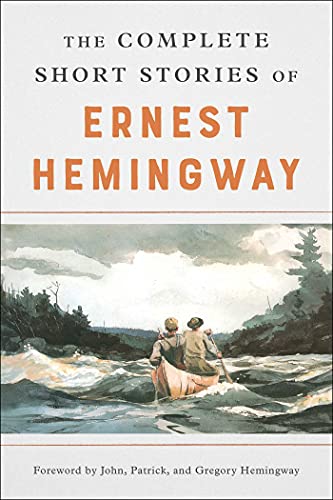
- Collects 60 Hemingway stories
- Includes seven previously unpublished tales
- Features several signature classics
Best For: Dedicated Hemingway readers
Contemporary Voices
The Penguin Book of the Modern American Short Story

- Covers American fiction from 1970–2020
- Includes multiple genres and new voices
- Selected by editor John Freeman
Best For: Discovering modern American fiction
Deep-Dive Classic

- 100 stories chosen by Ray Bradbury
- Covers six decades of his career
- Extensive 912-page retrospective
Best For: Readers wanting a comprehensive Bradbury collection
American Canon
Best American Short Stories of the Century

- 55 stories spanning a century
- Includes major American literary voices
- Adds rediscovered literary gems
Best For: Readers seeking a broad American short-fiction survey
Global Sampler
The World’s Greatest Short Stories

- Selections from American and European writers
- Includes Hemingway, Tolstoy, Woolf, and Chekhov
- Compact 257-page edition
Best For: Readers wanting an accessible international classic-fiction sampler
Best Comprehensive Survey
The Oxford Book of American Short Stories

- Nearly 60 stories across American literary history
- Classic, unexpected, and contemporary selections
- Writer introductions add useful context
Best For: Readers wanting an expansive American fiction anthology
Best Compact Classics

- 19 recognized American short-story classics
- Includes Poe, Melville, London, and Hemingway
- Compact 256-page classroom-friendly format
Best For: Students and readers seeking a focused classic sampler
Best 20th-Century Range

- 35 American and British stories
- Focuses on the first half of the 20th century
- Includes Faulkner, Hemingway, Joyce, and Welty
Best For: Readers studying influential modern short fiction
Classic Anthology – Fifty Great Short Stories
For readers seeking broad coverage in short story collections, Fifty Great Short Stories offers a substantial survey of acclaimed fiction. Its 592 pages bring together writers from Hawthorne, Maupassant, and Poe through Hemingway, Faulkner, and O’Connor, making it a practical starting point for exploring literary short fiction.
Best For: Readers who want a wide-ranging introduction to classic short stories and major authors.
Pros:
- Includes 50 stories selected from world literature.
- Spans multiple literary periods, styles, and subjects.
- Features many widely recognized authors and masterpieces.
Cons:
- Published in 1983, so it does not represent newer fiction.
- The broad selection may offer less depth on any one author.
This is a compact, accessible anthology for building a classic short-fiction library, especially if variety matters more than contemporary coverage.
Magazine Milestone – A Century of Fiction in The New Yorker
A Century of Fiction in The New Yorker is a large, celebratory choice among short story collections, gathering fiction from the magazine’s first hundred years. Edited by Deborah Treisman, it combines established classics with stories selected to show how American literary fiction has evolved.
Best For: Readers who want an expansive, magazine-centered history of influential short fiction.
Pros:
- Covers 1925–2025 in a 1,152-page volume.
- Includes recognizable stories such as “The Lottery” and “Brokeback Mountain.”
- Shows changing literary styles and perspectives across a century.
Cons:
- Its 3.38-pound format is less portable than smaller anthologies.
- The focus on The New Yorker limits the selection to that magazine’s publishing history.
Choose this volume for breadth, cultural context, and a substantial shelf reference rather than a lightweight everyday read.
Author Complete Works – The Complete Short Stories of Ernest Hemingway
Hemingway readers looking for focused short story collections will find an extensive single-author volume here. The Finca Vigia Edition includes 60 stories, combining familiar works such as “The Snows of Kilimanjaro” with seven previously unpublished stories and fiction ranging from World War II experiences to family relationships.
Best For: Hemingway fans and readers seeking a comprehensive collection by one influential author.
Pros:
- Collects 60 Hemingway short stories in one volume.
- Includes seven stories published previously in this collection.
- Features several of Hemingway’s best-known works.
Cons:
- Its single-author focus provides less variety than a multi-author anthology.
- Readers new to Hemingway may prefer a shorter introduction first.
This is a strong reference-style purchase for dedicated Hemingway readers who want both celebrated classics and lesser-known material together.
Contemporary Voices – The Penguin Book of the Modern American Short Story
The Penguin Book of the Modern American Short Story brings together contemporary short fiction from 1970 to 2020. For readers comparing modern short story collections, editor John Freeman’s selection stands out for its range of genres and voices, including literary fiction, science fiction, horror, and fantasy.
Best For: Readers, writers, and teachers seeking a broad introduction to modern American short fiction.
Pros:
- Covers five decades of American short stories.
- Includes diverse authors such as Ursula K. Le Guin, Toni Cade Bambara, Jhumpa Lahiri, and Ted Chiang.
- Blends literary fiction with science fiction, horror, and fantasy.
Cons:
- Its 496 pages cannot provide a complete account of every major modern writer.
- The wide genre range may feel less cohesive to readers seeking only literary realism.
This anthology is a versatile pick for contemporary coverage, classroom discussion, or discovering writers and forms outside the traditional literary canon.
Deep-Dive Classic – Bradbury Stories
For readers seeking expansive short story collections, Bradbury Stories offers 100 selections chosen by Ray Bradbury himself. Spanning six decades of his career and 912 pages, it is a substantial single-volume retrospective for exploring his range over time.
Best For: Readers who want a large, author-selected survey of Ray Bradbury’s celebrated stories.
Pros:
- Includes 100 stories selected by Bradbury himself.
- Spans six decades of his career.
- Provides an extensive 912-page reading experience.
Cons:
- Its size may be more than readers seeking a brief introduction want.
- It focuses exclusively on Bradbury rather than offering multiple authors.
Choose this collection if you want depth, breadth, and a long-term Bradbury reading project in one volume. It is less suited to readers looking for a compact or broadly international anthology.
American Canon – Best American Short Stories of the Century
Among short story collections, The Best American Short Stories of the Century is designed as a broad literary survey. Its 55 selections cover a century of American writing, bringing together established figures, enduring works, and rediscovered stories in an 864-page volume.
Best For: Students, teachers, and readers building a foundational overview of influential American short fiction.
Pros:
- Collects 55 stories from across a century.
- Features writers including Hemingway, Faulkner, Cather, O’Connor, Cheever, Welty, Carver, and others.
- Includes both recognized masterworks and lesser-known literary discoveries.
Cons:
- Its focus is specifically American short fiction.
- The substantial 864-page format may feel too extensive for casual sampling.
This is a strong choice when historical range and literary representation matter more than following one author’s style. Its century-spanning scope also makes it useful for comparing changing voices and traditions.
Global Sampler – The World’s Greatest Short Stories
For readers comparing classic short story collections, The World’s Greatest Short Stories is a compact, wide-ranging option. This 257-page Dover Thrift Editions volume brings together selections from American, British, Irish, and Western European writers, including Hemingway, Tolstoy, Woolf, Chekhov, Joyce, and Updike.
Best For: Students, teachers, and readers who want an accessible international sampler of classic short fiction.
Pros:
- Offers a broad geographic range across several literary traditions.
- Includes recognizable classics such as Hemingway’s “A Clean, Well-Lighted Place” and Updike’s “A & P.”
- Its 257-page length supports manageable reading and study.
Cons:
- It provides selections rather than a comprehensive survey of any one author.
- Readers seeking contemporary fiction may find the emphasis on classic works limiting.
This anthology fits readers who value variety and portability. It works especially well as an introductory or classroom-friendly sampler of classic stories from multiple countries and authors.
Best Comprehensive Survey – The Oxford Book of American Short Stories
For readers seeking broad, historically informed short story collections, The Oxford Book of American Short Stories offers nearly sixty American tales. Joyce Carol Oates combines familiar classics with less commonly anthologized works and includes selections from women and minority writers.
Best For: Readers who want an expansive overview of American short fiction, from Irving and Poe to contemporary writers such as Lorrie Moore, Junot Díaz, and Amy Hempel.
Pros:
- Nearly sixty stories spanning major periods of American literature.
- Balances canonical favorites with unexpected and lesser-known selections.
- Includes introductions to each writer plus a revised introductory essay and new preface.
- Features a wide range of voices, including women and minority writers.
Cons:
- At 896 pages, it is a substantial anthology rather than a lightweight casual read.
- Its broad scope may feel less focused for readers seeking only classic stories.
This is the strongest choice for depth and range among these short story collections. Choose it if you want a substantial reference-style anthology with editorial context and coverage extending into modern American fiction.
Best Compact Classics – Great American Short Stories
Great American Short Stories is a compact selection of 19 landmark works from the American short-story tradition. With stories ranging from Hawthorne and Poe through Hemingway, it suits readers looking for accessible short story collections for general reading or classroom use.
Best For: Students, teachers, and readers who want a concise introduction to established American classics.
Pros:
- Includes notable works such as “The Tell-Tale Heart,” “Bartleby,” “To Build a Fire,” and “The Killers.”
- Covers roughly a century of American short fiction.
- Includes writers representing varied styles and periods, including Cather, Chopin, Twain, and Fitzgerald.
- At 256 pages, it is relatively manageable for coursework or focused reading.
Cons:
- With 19 selections, it offers less breadth than the larger anthologies here.
- The emphasis is on established classics rather than contemporary fiction.
This Dover anthology is a practical, economical-feeling starting point for readers who prefer a shorter list of widely recognized stories. It is especially suitable when portability and classroom-friendly coverage matter more than a comprehensive survey.
Best 20th-Century Range – Short Story Masterpieces
Short Story Masterpieces brings together 35 classic American and British stories from the first half of the twentieth century. Selected by Robert Penn Warren and Albert Erskine, the anthology emphasizes influential works distinguished by innovative style, subject matter, or tone.
Best For: Students, teachers, and readers interested in foundational twentieth-century American and British short fiction.
Pros:
- Offers 35 stories, providing more breadth than a small classic sampler.
- Includes notable works by Faulkner, Hemingway, Joyce, Lawrence, Welty, and McCullers.
- Spans both British and American writers.
- Has been used by teachers, students, and short-fiction readers since its first printing in 1954.
Cons:
- Its focus is limited to the first half of the twentieth century.
- It does not provide the later contemporary coverage found in broader modern anthologies.
This is a strong middle-ground option for readers who want substantial coverage without an 800-plus-page volume. Its focused period and mix of American and British writers make it particularly useful for studying the development of modern short fiction.
How We Picked the Best Short Story Collections
We selected these Short Story Collections for their literary importance, range, editorial value, and usefulness to different kinds of readers. The list includes broad surveys, American and British classics, modern fiction, author-centered volumes, and accessible paperback anthologies. We also considered whether each book offers a meaningful selection rather than simply a large page count.
Because anthologies vary widely in scope, no single collection is ideal for everyone. A volume organized around one author may provide greater depth, while a multi-author anthology can reveal how the short story developed across periods, styles, and traditions.
Quick Comparison
| Best For | Recommended Collection Type | What to Expect |
|---|---|---|
| New readers | Broad classic anthology | Recognizable authors and varied styles |
| American literature students | American fiction survey | Historical context and major national voices |
| Hemingway readers | Complete author collection | Maximum depth and chronological range |
| Science-fiction and fantasy fans | Ray Bradbury collection | Imaginative, accessible, and stylistically distinctive stories |
| Contemporary literary readers | Modern or magazine-based anthology | More recent voices and evolving themes |
Key Buying Factors for Short Story Collections
Scope and Coverage
Check whether the book focuses on one writer, one country, a literary period, or a publication. A broad anthology offers variety, while a focused collection is better for sustained study of an author or tradition.
Editorial Balance
Look for collections that combine familiar favorites with less obvious selections. Established anthologies can provide historical importance, while newer editorial projects may better represent recent writers and perspectives.
Length and Portability
Large omnibus editions are valuable for reference and extended reading but may be heavy. Compact thrift editions are easier to carry and often suit casual reading, commuting, or classroom use.
Edition Details
Compare publication dates, introductions, notes, translations, and whether the contents are complete or selected. These details matter most when buying an author’s collected stories or a historically significant anthology.
Who Should Buy Which Short Story Collections?
Choose a broad classics anthology if you want an approachable introduction to major writers and styles. Readers studying American fiction should prioritize an American literary survey, while those interested in the development of the form may prefer a century-spanning collection.
Hemingway enthusiasts will get the most value from the complete Finca Vigia edition, whereas Ray Bradbury fans should choose the dedicated collection for its concentration of celebrated tales. Readers who want an affordable, portable sampler may prefer a Dover or other compact anthology. For contemporary literary culture and magazine history, the New Yorker collection is the strongest fit.
When in doubt, start with a varied anthology and use it to identify the authors, periods, and genres you want to explore in greater depth.