Looking for sewing machine project books that actually teach useful skills and keep makers motivated? The best titles balance clear instructions, beginner-friendly techniques, and projects people will want to finish.
Whether you are shopping for a child’s first sewing experience, a teen maker, or an adult beginner, this roundup focuses on books that make learning practical, enjoyable, and confidence-building.
Best 10 Sewing Machine Project Books Picks for 2026
Kid-Friendly Starter Guide
Sewing School: 21 Projects for Kids
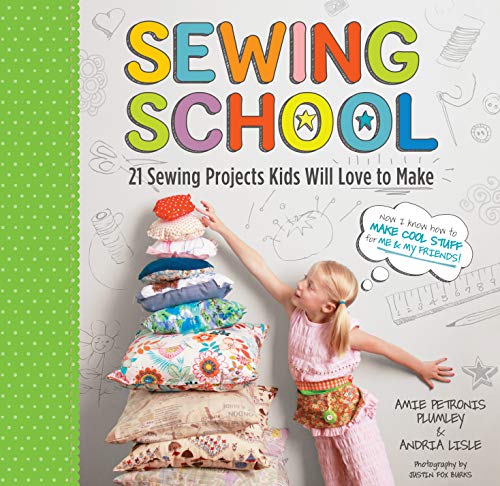
- 21 kid-tested sewing projects
- Illustrated instructions with paper patterns
- Mostly hand-stitch projects, not machine-focused
Best For: Children ages 5+ starting with simple sewing projects
Machine-Sewing Skills Builder
Sewing Machine Basics for Children

- Complete course in machine sewing
- 30 makes reinforce each technique
- Clear difficulty ratings for each project
Best For: Kids 7+ who need a structured machine-sewing course
Tween Maker Workshop
Kids' Sewing Workshop: 26 Projects

- 26 projects for clothing and accessories
- Supports hand and machine techniques
- Includes basic alteration practice
Best For: Kids 7-12 making wearable and useful sewing projects
First-Time Sewer Guide
Creative Publishing First Time Sewing Book
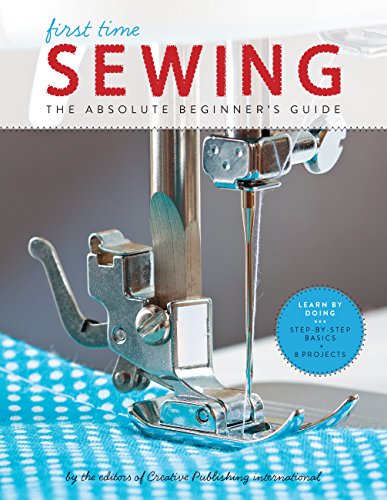
- Step-by-step beginner instruction
- 8 projects reinforce each skill
- Full-color photos and practical tips
Best For: Absolute beginners who want a guided first sewing book
Beginner-Friendly Step-by-Step Guide
Simple Machine Sewing: 30 step-by-step projects

- 30 beginner projects for home, bags, and clothes
- Teaches topstitching, quilting, patchwork, and more
- Includes tools advice and machine-sewing basics
Best For: Beginners who want a practical, project-led sewing guide
Comprehensive Reference & Projects

- Over 300 techniques with step-by-step illustrations
- Covers patterns, measurements, and fabric choices
- Includes ten homeware and clothing projects
Best For: Sewists who want a detailed reference with some projects
Kids’ Creative Sewing Projects
Sewing Machine Projects for Children

- 30 projects for toys, decor, bags, and gifts
- Skill ratings help kids build confidence gradually
- Includes templates and basic sewing kit guidance
Best For: Children aged 7+ learning machine sewing through creative projects
Beginner Sewing Fundamentals
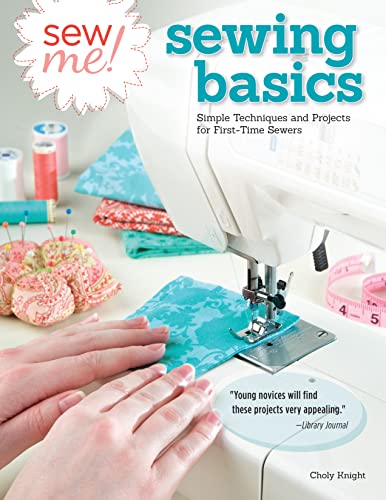
- Starts with core sewing basics and practice exercises
- Includes 15 easy projects with color photos
- Covers seams, zippers, gathering, and edge finishing
Best For: Absolute beginners learning to sew on a machine or by hand
Kid-Friendly Project Builder

- 35 projects for clothes, bags, room decor, and toys
- Step-by-step artwork plus skill levels guide progress
- Includes a techniques section for machine basics
Best For: Children aged 7+ learning sewing machine basics through projects
Easy DIY Pattern Guide
Sewing projects for beginners adults & teens

- 32 easy projects for beginners
- Pattern illustration and instructions are split page-by-page
- Works for hand sewing or machine sewing
Best For: Adults and teens seeking simple projects and small-business ideas
Kid-Friendly Starter Guide – Sewing School: 21 Projects for Kids
If you’re browsing sewing machine project books for a young beginner, this title is a great fit for children who are just building confidence at the machine. It focuses on fun, kid-tested projects and uses illustrated instructions plus full-sized paper patterns to make each project easier to follow, though most of the sewing is hand-stitch based and does not require a machine.
Best For: Kids ages 5+ who want an encouraging, low-pressure introduction to sewing through simple projects.
Pros:
- Includes 21 projects designed to nurture creativity and coordination.
- Uses illustrated instructions and ready-to-use paper patterns.
- Projects like pillows, potholders, dolls, and blankets keep it varied and playful.
- Helpful for building confidence with minimal supervision.
Cons:
- Most projects rely on hand stitches, so it is not a true machine-sewing workbook.
- May feel too simple for kids who already sew on a machine.
Overall, this is a strong choice if you want a welcoming project book that gets kids making quickly. It is better for early skill-building and creativity than for machine-specific technique practice.
Machine-Sewing Skills Builder – Sewing Machine Basics for Children
Sewing Machine Basics for Children: A fun step-by-step guide to machine sewing
Check Price On AmazonAmong sewing machine project books for children, this one is built specifically as a step-by-step machine-sewing course. It starts with the machine basics and gradually moves through techniques like seams, patchwork, curves, corners, hems, and linings, then reinforces each lesson with 30 projects designed to practice what was just learned.
Best For: Children 7+ who want a structured introduction to machine sewing with clear progression.
Pros:
- Designed as a complete course in machine sewing for kids.
- Builds skills progressively across four chapters and 30 makes.
- Includes clear artworks and difficulty ratings for each project.
- Covers useful techniques like hems, linings, curves, and corners.
Cons:
- Geared toward children, so advanced sewists will likely outgrow it quickly.
- No detailed claim of adult-sized or complex garment fitting.
This is the best match if you want a true machine-sewing learning path rather than a loose collection of crafts. The structure makes it especially useful for beginners who need clear next steps and confidence-building practice.
Tween Maker Workshop – Kids' Sewing Workshop: 26 Projects
If you’re comparing sewing machine project books for tweens, this one stands out for its mix of practical projects and machine-sewing practice. It covers clothing, accessories, and room décor, with simple instructions, illustrated steps, and diagrams that support both hand and machine techniques. The project range is broad enough to keep young makers interested while still focusing on foundational skills.
Best For: Kids ages 7-12 who want to make wearable and usable projects with a sewing machine.
Pros:
- Includes 26 projects spanning clothes, bracelets, bags, and room décor.
- Uses photos, diagrams, and simple instructions to support learning.
- Covers both hand sewing and machine sewing techniques.
- Includes basic alteration skills like stitching a hem.
Cons:
- Garments are sized for an average 10-year-old girl and are intentionally loose.
- Some projects may be less useful if you want a broader adult-sized sewing reference.
This book is a practical pick for kids who want projects they can wear, use, and share. It offers more machine-sewing focus than a simple craft book while still staying approachable for younger sewists.
First-Time Sewer Guide – Creative Publishing First Time Sewing Book
If you want sewing machine project books that feel like having an instructor nearby, this beginner guide is built to walk you through the learning curve. It starts with the basics and pairs each new skill with one of eight projects, using full-color photos, step-by-step instructions, and practical tips to make the process easier to follow.
Best For: Absolute beginners who want a guided introduction to sewing through a small set of projects.
Pros:
- Teaches skills step by step from first stitch onward.
- Includes 8 projects that reinforce newly learned techniques.
- Uses full-color photos and clear instructions.
- Covers both home décor items and clothing.
Cons:
- Contains fewer projects than some other beginner books.
- Does not specify a kid-focused teaching approach.
This is a solid choice if you want a straightforward starter book that emphasizes instruction and practice. The smaller project count may actually help nervous beginners focus on learning without feeling overwhelmed.
Beginner-Friendly Step-by-Step Guide – Simple Machine Sewing: 30 step-by-step projects
If you’re searching for sewing machine project books that build skills while keeping things practical, this beginner’s guide is a strong fit. It combines 30 usable projects with clear instruction on machine-sewing basics, so you can practice techniques while making home accessories, bags, clothes, and more.
Best For: Beginners who want a hands-on, project-based introduction to machine sewing.
Pros:
- Includes 30 step-by-step projects across home, accessories, and clothing.
- Covers key techniques like topstitching, quilting, patchwork, buttonholes, and sewing curves.
- Includes advice on tools, equipment, and machine-sewing basics.
- Projects are designed to help you practice while making useful items.
Cons:
- At 144 pages, it is less expansive than some broader reference books.
- Best suited to beginner-level learning rather than advanced technique study.
This is a practical pick if you want a project book that teaches by doing. The mix of accessories, furnishings, and garments gives you variety without losing the beginner-friendly focus.
Comprehensive Reference & Projects – The Sewing Book
Among sewing machine project books, this one stands out for readers who want a true all-in-one reference. It covers over 300 techniques with illustrated step-by-step sequences, plus ten projects to help you apply what you learn to clothing and soft furnishings.
Best For: Sewists who want a detailed technique reference with a small project section.
Pros:
- Covers over 300 techniques with illustrated step-by-step sequences.
- Explains seams, hems, darts, gathers, collars, and more.
- Helps you read patterns and adapt designs to your measurements.
- Includes ten projects for homeware and clothing practice.
Cons:
- It is more reference-heavy than project-heavy.
- The 352-page format may be more than a casual beginner needs.
If you want a book you can keep returning to as your skills grow, this is an excellent choice. It is especially useful for sewists who value technique depth alongside a manageable project selection.
Kids’ Creative Sewing Projects – Sewing Machine Projects for Children
If you’re shopping for sewing machine project books for a young maker, this title is built to keep things fun and structured. It offers 30 child-friendly projects with clear step-by-step illustrations, skill ratings, and templates to help kids build confidence as they learn to machine sew.
Best For: Children aged 7+ who want colorful, creative machine-sewing projects.
Pros:
- Features 30 fun projects including toys, decorations, bags, and gifts.
- Includes easy-to-use templates and a basic sewing kit guide.
- Skill ratings help children progress from simpler to more challenging makes.
- Clear step-by-step illustrations support learning and confidence.
Cons:
- Designed for children, so it is not ideal for adult learners seeking advanced projects.
- The age range and grade level may make it less suitable for very young kids.
This is a smart pick for introducing kids to machine sewing in an approachable way. The mix of playful projects and gradual skill-building makes it especially useful for family crafting or beginner lessons.
Beginner Sewing Fundamentals – Sew Me! Sewing Basics
If you want sewing machine project books that start from the very beginning, this one is built for first-time sewers. It combines simple techniques with 15 easy projects, helping you practice basics like cutting patterns, sewing seams, binding edges, gathering fabric, and installing zippers as you work.
Best For: Absolute beginners who want a friendly, step-by-step introduction to sewing with either a machine or hand sewing.
Pros:
- Starts with foundational sewing skills and beginner-friendly guidance.
- Includes 15 straightforward projects with color photos and easy directions.
- Covers practical skills like seams, zippers, and edge finishing.
- Works for both machine sewing and hand sewing practice.
Cons:
- Focuses on beginner basics rather than advanced garment construction.
- Project count is modest compared with larger project collections.
This is a solid pick if you want a calm, confidence-building sewing book that teaches as it goes. The projects are simple, but the skills are useful and practical for getting started.
Kid-Friendly Project Builder – My First Sewing Machine Book
My First Sewing Machine Book: 35 fun and easy projects for children aged 7 years +
Check Price On AmazonAmong sewing machine project books for younger learners, this one stands out for its age-appropriate approach and 35 guided projects. It teaches machine use through a mix of clothes, accessories, room items, and toys, with step-by-step artwork and skill levels that help children start easy and progress gradually.
Best For: Children aged 7+ who are ready to learn sewing machine basics through fun, structured projects.
Pros:
- Includes 35 projects across clothing, accessories, home items, and toys.
- Each project has step-by-step artwork and a skill level marker.
- Helpful techniques section introduces sewing machine basics.
- Projects are designed to move from easier to more challenging tasks.
Cons:
- Best suited to children rather than adult sewists.
- Some projects may need adult support depending on skill level.
If you’re looking for a structured beginner book that keeps sewing fun, this is a practical choice. The mix of project types makes it easy to build skills while making useful and playful items.
Easy DIY Pattern Guide – Sewing projects for beginners adults & teens
If you want sewing machine project books with simple projects and a pattern-first layout, this option is designed to keep things approachable. It includes 32 projects for beginners, covering kitchen accessories, hair and beauty items, home decor, bags, and baby accessories, with step-by-step instructions paired with pattern illustrations.
Best For: Adults and teens who want easy beginner sewing projects they can make for fun or small-business use.
Pros:
- Offers 32 beginner-friendly projects across several practical categories.
- Each project uses a simple one-page instruction and pattern illustration format.
- Many projects can be sewn by hand, with machine use still helpful.
- Includes ideas suited to personal use or small business starts.
Cons:
- Pattern illustrations may require a bit of interpretation for true beginners.
- Not focused on advanced sewing techniques or complex construction.
This book is a good fit if you want fast, easy projects with flexible sewing options. It keeps the learning curve low while still offering enough variety to stay useful beyond the first few makes.
How We Picked These Sewing Machine Project Books
We prioritized books that offer clear step-by-step guidance, approachable project difficulty, and a sensible progression of skills. We also looked for strong fit for the intended reader, whether that means kid-safe projects, true beginner instruction, or useful home-sewing outcomes.
Because the best Sewing Machine Project Books should teach as well as inspire, we favored titles with repeatable techniques, visually guided instructions, and projects that help readers build confidence fast.
Quick Comparison
These books generally fall into three groups: kid-focused books with simple, playful projects; beginner guides for teens and adults that emphasize basics and small wins; and broader sewing references that work best for learners who want more technique along with projects. If you want the fastest path to success, choose a book that matches both age and current skill level.
Key Buying Factors for Sewing Machine Project Books
Skill Level
Start with a book that matches the user’s experience. Absolute beginners need straightforward stitching, minimal tools, and easy finishes. More confident sewers can benefit from books with pattern reading, garment basics, or more detailed construction.
Project Type
Think about what the reader actually wants to make. Some Sewing Machine Project Books focus on toys, bags, and accessories, while others lean into clothing, home décor, or school-friendly crafts. The best choice is the one that keeps the maker interested long enough to practice.
Instructions and Visual Support
Strong photos, diagrams, and short steps matter a lot. Clear illustrations are especially important for children and first-time sewers, where layout and terminology can make or break the learning experience.
Tools and Material Demands
Choose books that use common fabrics and basic tools if you want fewer barriers to starting. Projects that require specialty notions or advanced cutting skills may be frustrating for true beginners.
Who Should Buy Which Sewing Machine Project Books?
For children, pick books with simple shapes, fun outcomes, and age-appropriate guidance. For teens and adults, choose options that build practical skills and produce items they’ll actually use. If you want a more complete reference, a broader sewing book may be the better long-term investment than a narrow project collection.
In short, the best Sewing Machine Project Books are the ones that match the maker’s age, patience level, and goals. When those three factors line up, learning feels less like homework and more like progress.