Botanical illustration books can teach you how to draw plants accurately, build a stronger art practice, or simply enjoy some of the most beautiful plant imagery ever printed.
Whether you want a hands-on course, a technique guide, or a collectible volume, the best options balance clarity, visual quality, and lasting value.
Best 10 Botanical Illustration Books Picks for 2026
Vintage Archive
Vintage Botanical Illustration

- 265 restored botanical engravings
- Instant access to 300 DPI files
- Useful for design, collage, and framing
Best For: Designers and plant lovers who need copyright-free vintage botanical imagery
Historic Masterpiece

- 367 copperplate plant engravings
- Organized by seasons and plant families
- Large-format TASCHEN art book
Best For: Collectors and history-minded readers who love classic botanical engraving
Technique Guide

- Covers many media and methods
- Step-by-step projects for all levels
- 900+ photos and art examples
Best For: Artists who want a deep, practical botanical art manual
Studio Guide
The Kew Book of Botanical Illustration
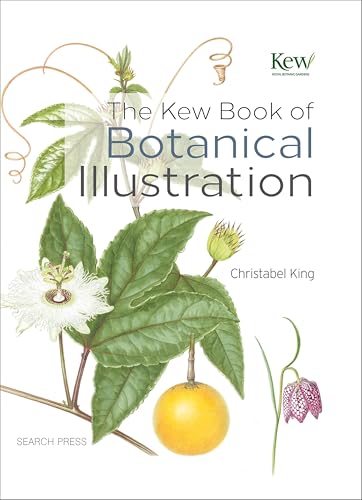
- Focuses on drawing and painting plants
- Covers specimen prep and magnification
- Includes Curtis’s Botanical Magazine plates
Best For: Beginners and intermediate artists seeking practical botanical guidance
Step-by-Step Botanical Drawing Guide

- Clear lessons that start simple and build gradually.
- Uses colored and watercolor pencils for realistic results.
- Covers flowers, leaves, fruit, bark, and more.
Best For: Beginners and improving artists seeking a practical, realistic drawing guide
Kew Botanical Art Handbook
Kew Book of Botanical Illustration

- Covers materials, specimen handling, and painting methods.
- Includes travel drawing insight and a glossary.
- Backed by the botanical expertise of Kew and Christabel King.
Best For: Artists seeking expert botanical illustration instruction with scientific depth
Historic Herbal Art Edition

- Reproduces all 500 of Elizabeth Blackwell’s full-color plates.
- Provides history of herbals and Blackwell’s life.
- A major illustrated volume for art and science history.
Best For: Collectors and readers drawn to historic botanical art and women’s history
Hands-on Learning Guide
Botanical Illustration Course: With the Eden Project

- Chapter-by-chapter lessons
- Exercises and case studies
- Covers watercolor and composition
Best For: Artists and plant lovers seeking practical instruction
Classic Reference
The Art of Botanical Illustration

- Survey of 3,000+ years
- 123 color plates plus 148 B&W images
- Classic, well-illustrated reference
Best For: Historical study and image-rich browsing
Visual Masterpiece Collection
A Garden Eden. Masterpieces of Botanical Illustration. 45th Ed.

- Works from the National Library of Vienna
- Many new images in this edition
- Spans Byzantine to 19th-century art
Best For: Collectors wanting an art-forward visual survey
Vintage Archive – Vintage Botanical Illustration
If you want botanical illustration books that are more about visual reference than instruction, this vintage image archive is a strong pick. It collects 265 restored botanical engravings, giving artists and plant lovers a broad set of public-domain-style imagery for creative work, study, and decoration.
Best For: Designers, illustrators, and botanical enthusiasts who want copyright-free vintage imagery for projects or reference.
Pros:
- Includes 265 meticulously restored botanical engravings
- Covers flowers, fruits, palms, fungi, trees, ferns, and more
- Provides instant access to 300 DPI high-resolution files
- Useful for graphic design, collage, fine art, and framing
Cons:
- Not a how-to guide for learning drawing or painting technique
- More focused on archived images than modern botanical instruction
- Best value depends on whether you need reference art, not lessons
This is a practical choice if your priority is a large, well-curated pool of restored botanical imagery. It suits creators who want ready-to-use visuals without having to hunt down individual plates.
Historic Masterpiece – Basilius Besler’s Florilegium
Among botanical illustration books, this TASCHEN edition stands out as a historic showcase rather than a hands-on guide. It reproduces Basilius Besler’s 367 copperplate engravings, presenting the flowers of the Hortus Eystettensis in a richly detailed, large-format volume for viewing and collecting.
Best For: Readers who want a beautiful, authoritative historical botanical art volume with museum-like appeal.
Pros:
- Features 367 copperplate engravings from the 1613 original
- Organized by the four seasons and plant families
- Celebrated as one of the finest treasures of botanical literature
- Large 544-page edition with strong display value
Cons:
- Not designed as an instructional art manual
- Heavy, large book may be less portable
- Best suited to historical interest and collection rather than technique practice
If you want a botanical book that blends art history with extraordinary plate quality, this is a standout. It offers depth, prestige, and a wide survey of classic plant engraving.
Technique Guide – Botanical Art Techniques
If you’re shopping for botanical illustration books to actually improve your skills, this is the most instruction-focused option in the group. Written by the American Society of Botanical Artists, it covers major media step by step, making it a strong choice for structured learning from beginner to advanced levels.
Best For: Artists who want a thorough, technique-driven guide to botanical art materials and methods.
Pros:
- Covers watercolor, graphite, colored pencil, vellum, egg tempera, oils, pen and ink, and printmaking
- Includes step-by-step projects from introductory to advanced
- Contains more than 900 photographs and finished art examples
- Built as a comprehensive reference from a respected botanical art organization
Cons:
- More technical than a casual coffee-table art book
- May feel dense if you only want quick inspiration
- Best for readers ready to practice, not just browse
This is the strongest all-around teaching resource if your goal is to build real botanical illustration skills. It’s broad, detailed, and clearly aimed at hands-on learning.
Studio Guide – The Kew Book of Botanical Illustration
This is a focused pick if you want botanical illustration books that balance scientific accuracy with artistic practice. Christabel King draws on her experience at Kew and Curtis’s Botanical Magazine to cover plant collecting, preserving specimens, drawing from life, and painting a range of subjects.
Best For: Learners who want a practical introduction to botanical drawing and painting with scientific grounding.
Pros:
- Covers collecting and preserving plant specimens
- Includes magnification, drawing from life, and painting fundamentals
- Features plates from Curtis’s Botanical Magazine
- Includes a beginner-friendly subject guide and glossary
Cons:
- Shorter than some broader technique books
- Less expansive in media coverage than more comprehensive manuals
- Best for readers who want focused guidance, not an encyclopedic survey
This book is a good fit if you want an inspiring, expert-led introduction with real working methods behind it. It feels especially valuable for readers who care about accuracy as much as beauty.
Step-by-Step Botanical Drawing Guide – The Joy of Botanical Drawing
If you want botanical illustration books that make the process feel approachable, this guide is a strong place to start. Wendy Hollender breaks down realistic drawing and painting with short lessons that build from simple forms to detailed flowers, fruit, leaves, and natural textures using colored pencils and watercolor pencils.
Best For: Beginners and improving artists who want a clear, hands-on guide to lifelike botanical drawing.
Pros:
- Step-by-step lessons make the techniques easy to follow.
- Covers a wide range of natural subjects, from flowers to pine cones and radishes.
- Focuses on scientifically accurate, realistic botanical portraits.
- Supports a mindful drawing practice as you build skills.
Cons:
- Centered on colored pencils and watercolor pencils, so it may not suit every medium preference.
- Best results will come from practicing the progressive lessons in order.
Overall, this is a practical, encouraging choice for readers who want clear instruction and vivid results. It blends technique with inspiration in a format that feels manageable for steady skill-building.
Kew Botanical Art Handbook – Kew Book of Botanical Illustration
Among botanical illustration books, this Kew title stands out for its expert, science-informed approach. Christabel King covers the materials, collecting and preserving plant specimens, magnification, drawing from life, and painting subjects ranging from succulents to wildflowers, making it useful for readers who want both technique and context.
Best For: Artists who want guidance from an experienced botanical illustrator with a strong scientific foundation.
Pros:
- Explains core botanical art topics from materials to painting methods.
- Includes help with collecting and preserving plant material.
- Features travel drawing insight from the author’s worldwide experience.
- Includes a beginner-friendly subject section and glossary of terms.
Cons:
- At 128 pages, it is shorter than some other botanical art guides.
- Readers looking for a very beginner-heavy workbook may want more practice exercises.
This is a compact, authoritative guide for people who want a polished overview of botanical art and illustration. It pairs practical instruction with examples from prestigious botanical publications.
Historic Herbal Art Edition – A Curious Herbal
A Curious Herbal: Elizabeth Blackwell's Pioneering Masterpiece of Botanical Art
Check Price On AmazonIf you are browsing botanical illustration books for inspiration and historical depth, this complete edition of Elizabeth Blackwell’s herbal is a standout. It reproduces all 500 full-color plates from her pioneering work, pairing exquisite plant images with introductory texts that explain the history of herbals and Blackwell’s remarkable biography.
Best For: Readers, artists, and collectors who value historical botanical art and a major illustrated reference volume.
Pros:
- Includes all five hundred of Blackwell’s plates in full color.
- Offers important historical context about herbals and botanical knowledge.
- Showcases Blackwell’s drawings, copper plate work, and hand-coloring.
- Strong choice for anyone interested in women’s history and science history.
Cons:
- Large and heavy, so it is less portable than a standard guide.
- More of a reference and art-historical volume than a step-by-step instruction book.
This edition is best for those who want a substantial, visually rich botanical art book with real historical significance. It is as much a collector’s piece as it is a source of artistic inspiration.
Hands-on Learning Guide – Botanical Illustration Course: With the Eden Project
If you’re looking for botanical illustration books that teach by doing, this course-style title is built around practical instruction. It focuses on observational skills, plant dissection procedures, color mixing, watercolor application, composition, and developing a personal style, so it suits readers who want a structured way to improve their work.
Best For: Artists and plant lovers who want a complete, exercise-driven introduction to botanical illustration.
Pros:
- Self-contained chapters work like individual classes.
- Covers core techniques from observation to watercolor.
- Includes easy-to-follow exercises and case studies.
- Draws on work from students of the Eden Project art school.
Cons:
- At 144 pages, it is more concise than a large reference volume.
- Focused on practical instruction rather than broad historical survey.
This is a strong pick if you want botanical illustration books that feel like a workshop in book form. Its value is in the step-by-step instruction and clearly organized lessons rather than in archival depth.
Classic Reference – The Art of Botanical Illustration
Among botanical illustration books, this is the most clearly positioned as a classic reference. It offers a comprehensive, well-illustrated survey of how plants have been portrayed across more than 3,000 years, with a strong emphasis on both scholarship and visual appeal.
Best For: Readers who want a broad historical survey and a substantial visual archive of botanical art.
Pros:
- Covers over three millennia of plant portrayal.
- Includes 123 color plates and 148 black-and-white illustrations.
- Suitable for specialists and general flower lovers alike.
- Compact edition of a long-respected classic.
Cons:
- More reference-oriented than instructional.
- Heavier, larger-format book may be less portable.
This is the strongest choice if you want botanical illustration books for browsing, study, and historical context. The mix of critical survey text and abundant images makes it a substantial addition to any art or gardening library.
Visual Masterpiece Collection – A Garden Eden. Masterpieces of Botanical Illustration. 45th Ed.
If you want botanical illustration books that emphasize beauty as much as technical precision, this TASCHEN edition is a standout. It presents outstanding works from the National Library of Vienna, spanning Byzantine manuscripts through 19th-century masterpieces, with a focus on exquisite reproductions and visual variety.
Best For: Collectors and visual readers who want a compact, art-forward survey of botanical illustration.
Pros:
- Showcases works from the National Library of Vienna.
- Includes many new images in this edition.
- Spans a wide historical range from Byzantine manuscripts onward.
- Large page count with rich, detailed reproductions.
Cons:
- Multilingual format may not suit readers wanting a single-language text.
- Compact trim size may feel less expansive than larger art books.
This title is best when your goal is to enjoy botanical illustration books as an art object and visual survey. Its strength lies in the quality of the reproductions and the breadth of the collection rather than instructional depth.
How We Picked These Botanical Illustration Books
We focused on books that serve different buyer needs: learning fundamentals, studying historic plates, collecting fine-art references, and exploring practical medium-specific instruction. We also looked for strong image reproduction, clear organization, and lasting usefulness beyond a single project.
Quick Comparison
If you want step-by-step instruction, prioritize course-style and technique-focused titles. If you want visual reference or inspiration, choose archive and art-history volumes with high-quality reproductions. For collectors, oversized editions and classic facsimiles tend to deliver the strongest shelf appeal.
Key Buying Factors for Botanical Illustration Books
Skill Level
Beginners usually benefit from books with guided exercises, simple workflows, and medium-specific advice. More advanced readers may prefer books that analyze composition, historical methods, or archival plates in depth.
Art Medium
Some Botanical Illustration Books emphasize watercolor, colored pencil, pen and ink, or mixed media. Choose a title that matches the tools you already use or want to learn, especially if you need practical demonstrations rather than general inspiration.
Image Quality and Reproduction
For botanical art, crisp printing matters. Look for sharp linework, accurate color, and page layouts that let you study details without distortion. This is especially important in older works and facsimile editions.
Purpose: Learn, Reference, or Collect
If your goal is skill-building, select a modern instructional title. If you need reference material, choose a comprehensive art archive or illustrated history. If you are buying as a gift or display piece, a well-produced classic edition may be the better fit.
Who Should Buy Which Botanical Illustration Books?
Beginners should start with a step-by-step drawing or course-based book. Artists looking to expand technique should choose a comprehensive methods guide. Readers interested in historical plant art will get the most from classic works and museum-style editions. Collectors and design lovers may prefer large-format volumes with standout reproductions and premium presentation.
In short, the best Botanical Illustration Books depend on whether you want instruction, inspiration, or a beautiful object to keep and revisit.