If you’re shopping for science encyclopedias for children, the best options do more than define terms—they spark curiosity, build vocabulary, and explain real-world ideas in a kid-friendly way.
From colorful visual references to question-and-answer formats and boxed sets, this roundup focuses on books that help young readers explore science with confidence.
Best 10 Science Encyclopedias for Children Picks for 2026
National Geographic Kids Pick
National Geographic Kids Science Encyclopedia

- Covers physical and life sciences from A to Z
- Includes photos, facts, experiments, and scientist profiles
- Designed for ages 8–11 with a 304-page illustrated format
Best For: A broad, visual science reference for curious elementary and middle-grade readers
DK Body Guide
Knowledge Encyclopedia Human Body
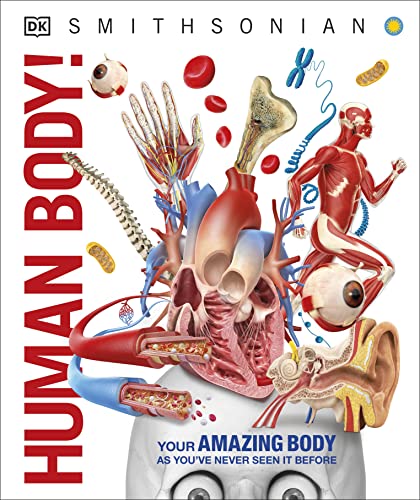
- Detailed coverage of human anatomy and body systems
- Uses CGI images, cutaways, charts, and infographics
- Fact-checked and designed for ages 9–12
Best For: Kids who want a visual, in-depth guide to the human body
National Geographic FAQ Pick

- Answers 1,111 questions in a fun Q&A format
- Covers body, animals, Earth, ocean, and more
- Packed with photos, trivia, and quick-read entries
Best For: Kids who love fast facts, trivia, and question-based browsing
DK STEM Pick
Science: A Visual Encyclopedia of STEM and Discovery

- Covers biology, chemistry, and physics in one book
- Uses hundreds of pages of images and simple graphics
- Clear text makes STEM topics easy to follow
Best For: Visual learners who want a broad STEM reference book
Video-Enhanced Encyclopedia
The Usborne Science Encyclopedia

- 448-page science reference for ages 8-12
- Over 180 video clips via QR codes
- Includes 1,000 websites and 140 experiments
Best For: Curious kids who learn well with visuals, videos, and extra exploration
Question-Led Science Book

- Short, easy-to-read explanations for kids ages 6-12
- Covers space, the body, the brain, tech, and more
- Includes 500 brain challenges and curious facts
Best For: Kids who love asking questions and prefer quick, engaging nonfiction
Compact STEM Reference
Knowledge Encyclopedia - Science

- Visual explanations with diagrams and illustrations
- Includes glossary and fun fact sections
- Compact 192-page science reference for age 8+
Best For: Kids who like visual learning and a smaller, easy-to-hold encyclopedia
Starter Reference
My Encyclopedia of Very Important Things

- Friendly first encyclopedia for ages 5–9
- Covers animals, planets, weather, and more
- Colorful pages, games, and sturdy finish
Best For: Early learners who want a fun, broad first reference book
Visual Science Deep Dive
Knowledge Encyclopedia Science!

- Detailed science encyclopedia for ages 9+
- Covers physics, chemistry, biology, and space
- Strong visuals with 3D images and charts
Best For: Older kids who want a detailed, visual science reference
Box Set Value Pick
Science Knowledge Encyclopedia for Children

- Six-book boxed set on core science topics
- Simple explanations with labelled diagrams
- Includes a glossary for tricky words
Best For: Kids 7+ who want an accessible multi-book science set
National Geographic Kids Pick – National Geographic Kids Science Encyclopedia
If you want science encyclopedias for children that cover a wide range of topics in an easy-to-browse format, this National Geographic Kids volume is a strong all-around pick. It moves from physical and life sciences to kid-friendly facts, experiments, photos, and scientist profiles, making it useful for curious readers who like variety.
Best For: Kids ages 8–11 who want a broad, colorful science reference with hands-on extras.
Pros:
- Covers physical and life sciences from A to Z
- Includes full-color photos, weird-but-true facts, and statistics
- Features do-it-yourself experiments and scientist profiles
- Large 304-page format for browsing and reference
Cons:
- Broad coverage may be less focused than a subject-specific encyclopedia
- Large size and weight may be less convenient for travel
- Best suited to elementary and middle-grade readers
Overall, this is a practical choice for families or classrooms that want one science encyclopedia for children that feels engaging, visual, and easy to dip into by topic.
DK Body Guide – Knowledge Encyclopedia Human Body
Knowledge Encyclopedia Human Body!: Human Anatomy as You've Never Seen It Before
Check Price On AmazonAmong science encyclopedias for children, this DK title stands out if your child is especially interested in anatomy and how the body works. It uses detailed cross-sections, cutaways, charts, and 3D CGI images to explain the human body in a clear, visual way that makes complex information feel more approachable.
Best For: Ages 9–12 who want a highly visual, body-focused encyclopedia.
Pros:
- Focused specifically on human anatomy and body systems
- Uses detailed CGI imagery, cutaways, and infographics
- Fact-checked by subject experts for accuracy
- Breaks topics into readable sections for pausing and discussion
Cons:
- Only covers the human body, not general science topics
- Visual style may appeal more than text-heavy readers
- Best fit is narrow if you want a general encyclopedia
This is a strong pick for kids who love body facts and visual learning, especially when you want a science reference book that explains anatomy in a detailed but accessible format.
National Geographic FAQ Pick – National Geographic Kids Why?
If you prefer science encyclopedias for children that answer lots of quick questions, this National Geographic Kids title is built for exactly that. Its Q&A format covers more than 1,111 questions across topics like the human body, animals, Earth, and the ocean, with short, funny explanations and plenty of visual interest.
Best For: Curious kids ages 7–10 who like fast answers, trivia, and browsing by question.
Pros:
- Answers 1,111 questions across many science topics
- Uses succinct, funny text that is easy to skim
- Includes color photos, illustrations, and trivia extras
- Works well as a screen-free travel or classroom resource
Cons:
- Q&A format is less structured than a traditional encyclopedia
- Short entries may not satisfy kids wanting deep explanations
- Broad scope means some topics are only briefly covered
This is a smart buy for families who want a lively, question-driven science reference that keeps kids flipping pages for answers.
DK STEM Pick – Science: A Visual Encyclopedia of STEM and Discovery
Science: A Visual Encyclopedia of STEM and Discovery (DK Children's Visual Encyclopedias)
Check Price On AmazonThis DK volume is a solid option if you want science encyclopedias for children that combine broad STEM coverage with a visual, easy-to-follow layout. It explains biology, chemistry, and physics with hundreds of pages of images, simple graphics, and clear text, making it useful for kids who want a big-picture science reference.
Best For: Ages 8–12 who want a broad STEM encyclopedia with strong visuals.
Pros:
- Covers biology, chemistry, and physics in one book
- Uses hundreds of pages of images and simple graphics
- Explains topics in clear, straightforward text
- Includes everyday science questions about plants, robots, energy, and more
Cons:
- Broad STEM scope may be too general for kids seeking one subject only
- Less compact than a quick-reference question book
- Best for visual learners who like image-led explanations
Overall, this is a practical family-library choice when you want one visual science encyclopedia that covers the major branches of STEM in a child-friendly way.
Video-Enhanced Encyclopedia – The Usborne Science Encyclopedia
If you want science encyclopedias for children that feel current, visual, and genuinely useful for homework, this Usborne edition is a strong pick. It covers big topics like gravity, flight, genes, and DNA with clear explanations, photographs, illustrations, QR-code video clips, and links to further learning.
Best For: Ages 8 to 12 who want a wide-ranging science reference book with built-in video support and extra study resources.
Pros:
- Covers major science topics in a comprehensive, child-friendly format.
- Includes over 180 video clips accessed by QR codes for extra context.
- Offers 1,000 recommended websites plus a 1,500-term glossary.
- Includes 140 simple experiments children can try at home.
Cons:
- At 448 pages, it may be more book than a younger child wants to browse cover to cover.
- The digital extras depend on a phone or tablet for QR access.
Overall, this is the most feature-rich option here if you want a science encyclopedia that supports both reading and hands-on exploration. It works well as a long-term reference book for curious kids who like to dig deeper.
Question-Led Science Book – 100,000 Whys for Smart Kids
For families browsing science encyclopedias for children, this book takes a lighter, more question-driven approach. It uses short explanations, weird facts, and clear answers to common kid questions, making it a friendly choice for children who like quick reads and big ideas.
Best For: Ages 6 to 12 who enjoy bite-sized nonfiction, brain challenges, and lots of “why” questions.
Pros:
- Uses short, kid-friendly explanations that are easy to follow.
- Covers space, animals, the human body, the brain, technology, and more.
- Includes 500 brain challenges and other curiosity-building activities.
- Designed for reluctant readers and screen-free learning.
Cons:
- It is more of a curiosity book than a traditional encyclopedia layout.
- At 180 pages, it is less comprehensive than larger reference titles.
This is a good option if you want a fun, approachable science book that encourages asking questions instead of feeling like a textbook. It fits well for casual reading, road trips, and kids who prefer short bursts of information.
Compact STEM Reference – Knowledge Encyclopedia – Science
If you’re comparing science encyclopedias for children, this title stands out for its visual teaching style and straightforward explanations. It breaks down topics like evolution, chemical reactions, and vision with diagrams, illustrations, and fun fact sections that help keep young readers engaged.
Best For: Children age 8 and up who want a compact, image-rich science encyclopedia for independent reading and STEM learning.
Pros:
- Uses well-labeled diagrams and illustrations to explain science concepts.
- Includes an extensive glossary for unfamiliar terms.
- “Isn’t It Amazing?” sections add fun facts and trivia.
- Designed to support STEM learning and comprehension.
Cons:
- With 192 pages, it is much shorter than a full-size encyclopedia.
- The small trim size may feel less expansive than larger reference books.
This is a solid choice if you want a science reference that is easy to handle and visually engaging. It is especially appealing for children who learn best from diagrams and concise explanations rather than long chapters.
Starter Reference – My Encyclopedia of Very Important Things
If you want science encyclopedias for children that feel approachable and fun, this DK title is a strong starter choice for ages 5–9. It mixes everyday topics, animals, planets, weather, and big-picture facts with colorful illustrations, photos, and games, making it easy for younger readers to browse and revisit.
Best For: Curious early learners who like a broad, friendly first encyclopedia with plenty of visual appeal.
Pros:
- Age-appropriate, friendly text for younger children
- Broad mix of topics, including animals, planets, volcanoes, and seasons
- Colorful illustrations, photography, and games help keep interest high
- Padded cover and ribbon bookmark add durability and convenience
Cons:
- Best suited to a general overview rather than deep science coverage
- Reading age skews younger than more advanced science encyclopedias
This is a good pick if you want a visually inviting reference book that introduces children to science-adjacent ideas in a simple, engaging way. It works well as a first encyclopedia for home or classroom shelves.
Visual Science Deep Dive – Knowledge Encyclopedia Science!
For families looking for science encyclopedias for children with more depth, this DK edition stands out with detailed 3D illustrations, photos, charts, and clear explanations. It covers physics, chemistry, biology, space exploration, technology, wildlife, and the human body in a format that makes complex topics more approachable for ages 9+.
Best For: Older children who want a highly visual, detailed science reference with broad topic coverage.
Pros:
- Richly illustrated with 3D CGI images, photographs, and charts
- Covers physics, chemistry, biology, space, technology, wildlife, and bodies
- Clear explanations help break down complex subjects
- Includes lots of facts and visual detail for browsing and study
Cons:
- Better suited to older readers than younger elementary students
- Large, detailed format may feel more reference-heavy than casual reading
This is the strongest choice here for kids who want a more serious science encyclopedia with impressive visuals and substantial content. It’s a solid fit for independent reading, enrichment, and school projects.
Box Set Value Pick – Science Knowledge Encyclopedia for Children
If you’re shopping for science encyclopedias for children and want a multi-book set, this boxed collection offers a practical overview of core STEM topics. It uses simple explanations, well-labelled diagrams, and a glossary to support understanding, making it a useful pick for home study and classroom reference.
Best For: Readers ages 7+ who benefit from a boxed set with clear diagrams and accessible science explanations.
Pros:
- Six-book collection provides broad science coverage
- Simple explanations make complex ideas easier to follow
- Well-labelled diagrams and glossary support learning
- Good for school libraries, home use, and gifting
Cons:
- Listed reading age is older than the age range suggested in the description
- May feel less visually elaborate than premium single-volume encyclopedias
This set is appealing if you want a straightforward science resource with built-in structure and multiple books to explore. It’s especially useful for children who like organized explanations and repeated reference use.
How We Picked These Science Encyclopedias for Children
We focused on books that are age-appropriate, accurate, and easy for kids to navigate independently or with an adult. Strong visual design, clear explanations, and broad coverage of core science topics all mattered, especially for readers who learn best from illustrations, diagrams, and bite-sized entries.
We also favored titles that support curiosity without overwhelming young readers. For Science Encyclopedias for Children, that means approachable language, durable reference value, and enough depth to grow with a child over time.
Quick Comparison: Which Format Works Best?
Different formats suit different readers. Visual encyclopedias are ideal for kids who respond to photos, labels, and diagrams. Q&A books work well for naturally curious children who want quick answers to “why” and “how” questions. Traditional encyclopedias are better for structured learning and topic-by-topic exploration. Box sets are a smart choice for families or classrooms that want breadth across multiple subjects.
Key Buying Factors for Science Encyclopedias for Children
Age Fit and Reading Level
Choose a book that matches a child’s vocabulary and attention span. Younger readers usually do best with short sections and heavy visual support, while older children can handle denser explanations and more advanced concepts.
Scope of Coverage
Some books focus broadly on life science, space, chemistry, and physics, while others specialize in topics like the human body or general “why” questions. Pick based on whether you want a general reference or a subject-specific deep dive.
Visual Learning Support
Illustrations, infographics, and labeled diagrams are especially important in Science Encyclopedias for Children because they help complex ideas click faster. Clear visuals can also keep reluctant readers engaged.
Usability at Home or School
Look for a layout that makes it easy to find information quickly. Alphabetical entries, thematic sections, and sturdy binding all help if the book will be used for homework, projects, or independent browsing.
Who Should Buy Which Science Encyclopedias for Children?
If you want a broad, modern reference book, choose a general encyclopedia with strong visual design. If your child loves asking endless questions, a why-based title is a better fit. For science-minded kids who enjoy detailed fact pages, a traditional encyclopedia format works well. If you need a gift, classroom resource, or multi-age library addition, a box set can offer the best long-term value.
In the end, the best choice depends on how your child learns: by looking, questioning, or reading in depth. The right pick should make science feel exciting, accessible, and worth revisiting.