Busy professionals do not need more theory—they need practical systems that improve focus, decision-making, and follow-through. The right book can help you work smarter, not just harder.
This roundup highlights standout titles for building better habits, protecting attention, and creating sustainable productivity at work.
Best 10 Productivity Books for Professionals Picks for 2026
Focus Reset
Deep Work: Rules for Focused Success in a Distracted World
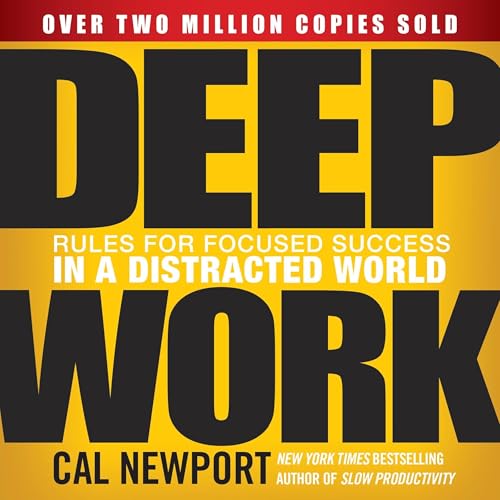
- Makes the case for focused, distraction-free work
- Includes four practical rules for deeper concentration
- Well suited to modern professionals facing attention overload
Best For: professionals who want to reclaim focus and produce higher-quality work
Task System Classic

- A classic task-management framework for reducing stress
- Updated edition reflects the modern workplace
- Widely used across business and personal productivity
Best For: professionals who want a proven system for organizing work
Principle-Driven Guide
The 7 Habits of Highly Effective People
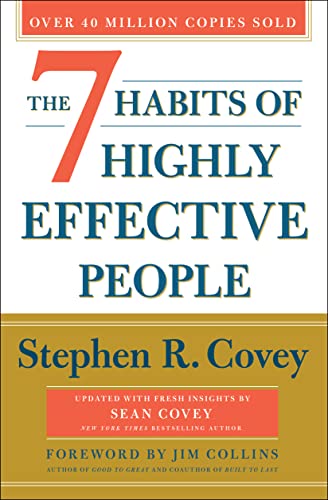
- Uses seven memorable habits to support effectiveness
- Addresses both professional and personal decision-making
- Updated anniversary edition adds modern relevance
Best For: professionals seeking a timeless framework for leadership and effectiveness
Anti-Procrastination Pick

- Targets procrastination with a direct, action-first message
- Includes 30 selected articles and an extended introduction
- Short format makes it easy to read quickly
Best For: professionals who want a motivational push to start now
Daily Focus Framework
Make Time: How to Focus on What Matters Every Day

- Four-step daily framework
- Small shifts over big overhauls
- Built to reduce distraction
Best For: Professionals who want a flexible, bite-size method for managing time and attention
Sustainable Output Strategy
Slow Productivity: The Lost Art of Accomplishment Without Burnout

- Do fewer things, work naturally
- Focus on quality over busyness
- Aims to reduce overload and burnout
Best For: Professionals who feel overloaded and want a more humane approach to accomplishment
Experiment-Driven Productivity
The Productivity Project: Accomplishing More by Managing Your Time, Attention, and Energy

- Based on year-long self-experiments
- Covers time, attention, and energy
- Includes 25+ best practices
Best For: Professionals who like practical experiments and concrete tactics for daily performance
Priority Productivity

- Helps you focus on the right work, not all work.
- Addresses emails, meetings, interruptions, and tech overload.
- Uses five fundamental choices to manage attention and energy.
Best For: Professionals who need a clear system for prioritizing high-impact tasks.
Joyful Productivity

- Argues that productivity starts with joy, not grind.
- Organizes the method around energizers, blockers, and sustainers.
- Audiobook narrated by Ali Abdaal.
Best For: Professionals who want a happier, more sustainable way to do more.
Practical Simplicity

- Short, practical guide to getting organized.
- Covers routines, productivity obstacles, and essential tools.
- Includes bonus tips for taming email.
Best For: Professionals who prefer a concise, routine-focused productivity guide.
Focus Reset – Deep Work: Rules for Focused Success in a Distracted World
If you’re comparing productivity books for professionals, Deep Work stands out for its practical case for protected focus in a world full of emails, meetings, and constant notifications. Cal Newport lays out a clear framework for doing cognitively demanding work with fewer distractions, making it especially relevant if you need better output in less time.
Best For: Professionals who want a focused, distraction-resistant approach to getting more meaningful work done.
Pros:
- Explains why deep concentration is a competitive advantage in modern work
- Includes four concrete rules: work deeply, embrace boredom, quit social media, and drain the shallows
- Blends actionable advice with a strong case for reducing distraction
- Widely praised as a standout in both productivity and distraction-focused reading
Cons:
- Its advice can feel demanding if your job depends on constant responsiveness
- Best suited to readers ready to make noticeable habit changes
As a productivity book for professionals, this one is especially useful if you want a structured reset around focus, attention, and high-value work. It’s less about quick hacks and more about building a work style that supports deeper, higher-quality results.
Task System Classic – Getting Things Done
If you want productivity books for professionals that help you organize real workloads, Getting Things Done is a classic worth considering. David Allen’s system is built around stress-free task management and has influenced a huge number of business and personal productivity tools, making it a strong fit for readers who want a proven structure.
Best For: Professionals who need a practical, widely used system for organizing tasks and commitments.
Pros:
- Known as a foundational productivity and organization framework
- Offers a revised and updated edition that reflects the modern workplace
- Useful for both personal and professional task management
- Backed by a long track record and a large following
Cons:
- More of a system book than a quick motivational read
- Some readers may need time to fully adopt the method
This is a strong choice if you want a methodical way to handle responsibilities without feeling overloaded. Among productivity books for professionals, it’s especially appealing to anyone looking for an established system rather than a trend-driven approach.
Principle-Driven Guide – The 7 Habits of Highly Effective People
The 7 Habits of Highly Effective People: 30th Anniversary Edition (The Covey Habits Series)
Check Price On AmazonFor readers browsing productivity books for professionals, The 7 Habits of Highly Effective People offers a timeless, principle-centered approach to personal and professional effectiveness. With its 30th anniversary edition and modern additions, it remains relevant for anyone who wants a broad framework for making better decisions, working well with others, and staying aligned with priorities.
Best For: Professionals who want an enduring framework for leadership, effectiveness, and personal integrity.
Pros:
- Built around seven well-known habits that are easy to remember and apply
- Covers both personal and professional problems with a principle-based lens
- Updated with modern takeaways from Sean Covey
- Longstanding bestseller with broad appeal across roles and industries
Cons:
- Less focused on narrow tactics than some newer productivity titles
- Its style may feel more foundational than immediately tactical
This book works well if you want a more holistic productivity lens rather than a single workflow fix. It’s a strong fit for professionals who value habits, character, and long-term effectiveness as much as day-to-day output.
Anti-Procrastination Pick – Do It Today
Do It Today: Overcome Procrastination, Improve Productivity, and Achieve More Meaningful Things
Check Price On AmazonIf you’re shopping for productivity books for professionals and want something direct about procrastination, Do It Today is built around taking action now instead of delaying meaningful work. This collection of articles focuses on overcoming hesitation, improving productivity, and moving toward goals with less self-imposed delay.
Best For: Professionals who need a straightforward push to stop procrastinating and act sooner.
Pros:
- Focuses directly on procrastination and taking action today
- Includes 30 curated articles plus an extensive introduction
- Aims to improve productivity without making the process feel overly stressful
- Shorter length may appeal to readers who want a quicker read
Cons:
- Collection format may feel less cohesive than a single-system book
- More motivational and reflective than process-heavy
This is a practical pick if your biggest challenge is getting started and staying consistent. Among productivity books for professionals, it fits readers who want a concise, action-oriented nudge toward meaningful work.
Daily Focus Framework – Make Time: How to Focus on What Matters Every Day
If you’re comparing productivity books for professionals, Make Time is a practical pick for people who want a simple daily system without a total lifestyle overhaul. Built around a customizable four-step framework, it focuses on protecting attention, reducing constant busyness, and making small changes that help you spend more time on what matters.
Best For: Professionals who want a flexible, bite-size method for managing time, attention, and energy day by day.
Pros:
- Offers a four-step daily framework that can be adapted to different routines.
- Focuses on small environmental shifts instead of unrealistic all-or-nothing changes.
- Addresses distraction and reactive busywork in a practical way.
- Written by the creators of Google Ventures’ design sprint, with real-world product and team experience.
Cons:
- Not aimed at readers looking for a strict, one-size-fits-all productivity system.
- More about intention and focus than about maximizing task volume.
- May feel too tactical for readers who want a highly theoretical approach.
Overall, Make Time suits professionals who want a realistic way to regain control of their days without chasing extreme productivity advice. Its strength is in making focused work feel manageable through small, repeatable choices.
Sustainable Output Strategy – Slow Productivity: The Lost Art of Accomplishment Without Burnout
Among productivity books for professionals, Slow Productivity stands out for challenging the idea that busyness equals value. Cal Newport’s book is built around a more sustainable philosophy: do fewer things, work at a natural pace, and obsess over quality, with guidance shaped by research and examples from notable historical thinkers and creators.
Best For: Professionals who feel overloaded and want a more humane approach to meaningful accomplishment.
Pros:
- Directly addresses burnout, overload, and the problems with modern productivity culture.
- Builds on research and examples from creative and scientific figures.
- Provides step-by-step advice for workload management and long-term quality.
- Frames productivity as sustainable output rather than endless hustle.
Cons:
- Its slower philosophy may not appeal to readers seeking a fast-paced tactics book.
- Less focused on quick wins or short-term task hacking.
- Best suited to knowledge workers, so some readers may find it highly workplace-specific.
If your priority is lasting performance instead of constant activity, this book makes a strong case for rethinking how professional work should feel. It’s especially useful for readers who want accomplishment without the burnout spiral.
Experiment-Driven Productivity – The Productivity Project: Accomplishing More by Managing Your Time, Attention, and Energy
The Productivity Project: Accomplishing More by Managing Your Time, Attention, and Energy
Check Price On AmazonIf you want productivity books for professionals that feel grounded and hands-on, The Productivity Project is a strong choice. Chris Bailey turns a year of self-experiments into practical lessons on managing time, attention, and energy, with counterintuitive ideas like shrinking the unimportant, using the rule of three, and scheduling less time for important tasks.
Best For: Professionals who like practical experiments and concrete tactics for improving daily performance.
Pros:
- Built from a year-long personal productivity experiment, making it highly practical.
- Covers time, attention, and energy rather than only task management.
- Includes over 25 best practices and several memorable counterintuitive ideas.
- Readable, personal, and easy to connect with real work habits.
Cons:
- Some experiments are extreme and may not translate directly to every office role.
- Readers wanting a tightly structured framework may prefer a more systemized book.
- The broad mix of ideas can feel less focused than a single-method guide.
For professionals who want a mix of research, experimentation, and usable takeaways, this book delivers plenty of actionable material. It works especially well if you prefer learning through examples and testing ideas in your own routine.
Priority Productivity – The 5 Choices
If you’re looking for productivity books for professionals, The 5 Choices focuses on helping you choose the right work instead of trying to do everything. It’s built for today’s nonstop stream of emails, meetings, interruptions, and digital noise, and it offers a practical framework for managing attention and energy in a more intentional way.
Best For: Professionals who want a structured time-management system for handling urgent demands without losing sight of high-impact work.
Pros:
- Centers on making selective, high-impact choices with your time, attention, and energy.
- Addresses modern distractions like email, texts, meetings, and technology overload.
- Draws on neuroscience research and FranklinCovey’s time-management experience.
- Includes memorable principles such as acting on the important and ruling your technology.
Cons:
- May feel more structured than readers who prefer a light, motivational approach.
- Focuses heavily on prioritization and time management rather than broader career strategy.
Overall, this is a solid choice if you want a practical framework that helps you finish the day feeling productive and purposeful, not just busy.
Joyful Productivity – Feel-Good Productivity
For readers comparing productivity books for professionals, Feel-Good Productivity takes a different angle: it argues that productivity starts with feeling good, not grinding harder. Ali Abdaal combines psychological research with practical ideas to help you work in a way that feels more enjoyable, sustainable, and effective.
Best For: Professionals who want a happier, lower-friction approach to getting more done without burning out.
Pros:
- Built around the idea that joy and energy drive productivity.
- Explains three energizers, three blockers, and three sustainers in a simple structure.
- Draws on psychological research and real examples from founders, Olympians, and scientists.
- Read by the author, which may appeal to audiobook listeners.
Cons:
- Only available here as an audiobook, which may not suit every reader.
- Its upbeat style may not appeal to those who prefer a strictly traditional productivity manual.
This is a strong pick if you want a more motivational, humane approach to performance that emphasizes energy, satisfaction, and lasting momentum.
Practical Simplicity – Do More Better
If you want productivity books for professionals that keep things simple, Do More Better offers a short, practical guide to organizing your life and work. Tim Challies focuses on common productivity obstacles, daily and weekly routines, and a few core tools that can help you stay calm, orderly, and aware of your responsibilities.
Best For: Professionals who want a concise, straightforward guide to building productive routines and managing daily tasks.
Pros:
- Short and fast-paced, making it easy to read and apply quickly.
- Covers common obstacles, daily and weekly routines, and essential productivity tools.
- Includes bonus material on taming email and practical tips from the author.
- Aims to help readers feel calm, orderly, and confident in their progress.
Cons:
- Much shorter than many other productivity books.
- Its faith-based framing may not match every reader’s preferences.
This is a good fit if you want a compact, actionable book that emphasizes routine, clarity, and steady progress over complexity.
How We Picked These Productivity Books for Professionals
We selected titles that offer real-world value for working adults, not just generic motivation. The strongest picks combine actionable frameworks, clear explanations, and advice that can be applied across demanding schedules, meetings, deadlines, and leadership responsibilities.
We also favored books with different productivity styles so you can choose based on your biggest challenge: focus, planning, procrastination, stress, or burnout.
Quick Comparison: Which Productivity Approach Fits You?
Some Productivity Books for Professionals emphasize deep focus and distraction control, while others center on habit-building, task systems, or energy management. If you need fewer interruptions, look for focus-driven strategies. If your issue is overwhelm, choose a book that simplifies planning and prioritization.
For readers who want broader professional growth, books that connect productivity with values, leadership, and sustainable performance can be especially useful.
Key Buying Factors for Productivity Books for Professionals
1. Practicality
Choose books with frameworks you can implement immediately. Check whether the advice is specific enough to use in a workweek, not just inspirational in concept.
2. Fit with Your Work Style
Some readers prefer structured systems for task control, while others need help with attention, procrastination, or overcommitment. Match the book to your current bottleneck.
3. Sustainability
The best productivity advice should improve output without increasing burnout. Look for approaches that account for energy, recovery, and realistic work rhythms.
4. Level of Depth
If you want a quick reset, a concise book may be enough. If you are redesigning your routines or team workflow, a more comprehensive title may be worth the extra time.
Who Should Buy Which Productivity Books for Professionals?
Choose focus-first books if distractions are your main problem. Pick task-system and organization titles if you are constantly behind on follow-up and planning. If you are feeling overloaded, prioritize books that address stress, energy, and sustainable output.
For professionals who want a more balanced approach, the strongest Productivity Books for Professionals combine performance with clarity and long-term consistency. That makes them easier to stick with—and more likely to produce results that last.