Choosing the right piano theory book can make a big difference in how quickly a student understands notes, rhythm, notation, and basic musicianship. The best options keep lessons clear, paced well, and easy to practice at home or in the studio.
In this roundup, we focused on beginner-friendly piano theory books that support early piano study, reinforce core concepts, and match different learning styles and ages.
Best 10 Piano Theory Books Picks for 2026
Beginner Foundation Pick
Piano Adventures: Theory Book Level 1

- StoryRhymes and pattern games keep lessons engaging.
- Reinforces note reading, rhythm, and keyboard recognition.
- Pairs directly with the Level 1 Lesson Book.
Best For: Early learners building core theory skills with a playful workbook.
All-In-One Prep Pick
Fundamentals of Piano Theory: Preparatory

- Covers theory, history, sight reading, and ear training.
- Review tests use examples from performing literature.
- Aligned with Neil A. Kjos Piano Repertoire levels.
Best For: Preparatory students who want broader theory training tied to repertoire.
Complete Core Theory Pick
Alfred's Essentials of Music Theory, Bk 1
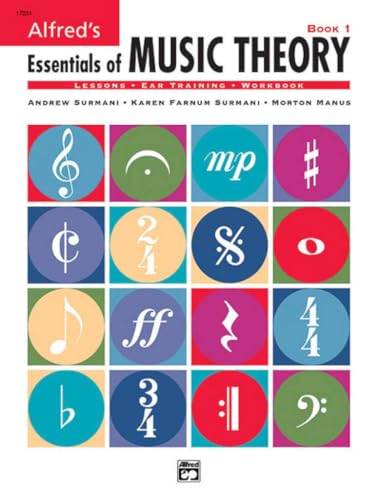
- Covers the essentials with concise, structured lessons.
- Includes exercises plus unit reviews for reinforcement.
- Optional CDs and software support ear training.
Best For: Any-age learners who want a straightforward introductory theory course.
Graded Skills Builder
GP661 Fundamentals of Piano Theory Level 1

- Combines theory, history, sight reading, and ear training.
- Uses performing literature for review tests.
- Built for graded progress and exam-style practice.
Best For: Early-level students wanting a structured, repertoire-based theory path.
Adult & Teen Starter Focus
Accelerated Piano Adventures: Theory Book 1

- Built for adult and teen beginners
- Coordinates with 12 lesson units
- Includes ear training and sightreading
Best For: Older beginners who want an age-appropriate theory supplement
Lesson Supplement Basics
Basics of Keyboard Theory Level 1

- Made for students with 1-2 years of lessons
- Covers clefs, accidentals, and rhythms
- Works with private or group instruction
Best For: Beginners ready for a structured theory supplement
Page-by-Page Practice Pick
Alfred's Basic Piano Library Theory, Bk 1A

- Coordinates with Alfred Lesson Books
- Includes games and quizzes
- Supports theory practice away from piano
Best For: Early students using the Alfred method
Workbook Pick
Bastien Piano Basics Theory Level 1

- Correlated with Piano, Performance, and Technic
- Includes written work plus short pieces
- Uses games, puzzles, and colorful illustrations
Best For: Beginning Bastien students needing Level 1 theory practice
Starter Pick
Bastien Piano Basics Theory Primer Level

- Includes drills, games, and short pieces
- Easy-to-understand directions with large staff size
- Correlated with Piano, Performance, and Technic
Best For: Primer-level beginners starting theory with Bastien
Progression Pick
Bastien Piano Basics Theory Level 2

- Level 2 theory materials correlated with Piano
- Written work and short pieces reinforce concepts
- Games, puzzles, and colorful illustrations included
Best For: Students continuing Bastien theory at Level 2
Beginner Foundation Pick – Piano Adventures: Theory Book Level 1
If you want piano theory books for young beginners, this Level 1 workbook keeps the basics approachable with note-naming, intervals, beats, and keyboard recognition. It is built to connect directly with the Level 1 Lesson Book, so it works well as a companion for lesson time or home practice.
Best For: Early learners who need a playful, structured theory book that reinforces core reading and rhythm skills.
Pros:
- Includes StoryRhymes, rhythm drills, and pattern games to keep practice engaging.
- Builds note reading, melodic direction, counting, and coordination step by step.
- Uses visual, written, and listening exercises for a well-rounded learning approach.
- Designed to connect directly with the matching Level 1 Lesson Book.
Cons:
- Best suited to beginners rather than more advanced students.
- Focused on early foundational concepts, so it may feel basic for experienced learners.
This is a strong choice if you want a child-friendly theory workbook that makes core piano skills feel manageable and memorable. It is especially useful when you want repetition with variety, not just dry drills.
All-In-One Prep Pick – Fundamentals of Piano Theory: Preparatory
Among piano theory books, this preparatory volume stands out for going beyond basic theory drills to include music history, sight reading, and ear training. It is also built around review tests and practice drawn from performance literature, which makes it practical for students who need broader skill-building.
Best For: Students at the preparatory stage who want a graded theory book with extra training in reading, listening, and analysis.
Pros:
- Combines theory, music history, sight reading, and ear training in one book.
- Uses review tests based on examples from students’ performing literature.
- Includes analysis and practice drills tied to state examination requirements.
- Correlates with the Neil A. Kjos Piano Repertoire books.
Cons:
- Primarily geared toward preparatory-level students.
- May be more structured than learners looking for a casual workbook.
This is a solid option if you want a more comprehensive theory resource instead of a simple fill-in workbook. Its broader scope makes it useful for students who need theory connected to repertoire and exams.
Complete Core Theory Pick – Alfred's Essentials of Music Theory, Bk 1
If you are comparing piano theory books for a student who wants a clear, all-in-one introduction, this Alfred volume is a practical choice. Book 1 covers the essentials through concise lessons, written exercises, listening practice, and unit reviews, with optional ear-training CDs and software available separately.
Best For: Students of any age who want a straightforward music theory course with built-in review and optional ear training.
Pros:
- Introduces staff, notes, clefs, note values, and basic time signatures.
- Includes concise lessons plus exercises to practice reading and writing music.
- Built-in unit reviews help reinforce learning after each section.
- Optional CDs and software add ear training and randomized drilling.
Cons:
- Ear-training CDs are sold separately.
- Some users may prefer a more activity-based workbook style.
This book is a dependable starting point if you want a classic theory course that covers the fundamentals in an organized way. It works especially well for learners who benefit from short lessons and consistent review.
Graded Skills Builder – GP661 Fundamentals of Piano Theory Level 1
This is one of the more structured piano theory books for students who need graded progress beyond a basic method. It combines theory with music history, sight reading, ear training, analysis, and practice drills, with review tests drawn from performance literature.
Best For: Beginner to early-level students who want a graded theory book that connects theory to repertoire and exam-style work.
Pros:
- Includes theory, music history, sight reading, and ear training in one series.
- Review tests use examples from the literature students are performing.
- Practice drills follow common state examination requirements.
- Correlates with the Neil A. Kjos Piano Repertoire books.
Cons:
- Best suited to students who want a graded, formal approach.
- May be less appealing to those seeking a light, game-based workbook.
This volume is a practical match if you want theory to feel connected to real repertoire and measurable progress. It offers a more academic path than many beginner workbooks, which can be useful for serious early study.
Adult & Teen Starter Focus – Accelerated Piano Adventures: Theory Book 1
If you’re comparing piano theory books for older beginners, this workbook is built to support adult and teen students with clear explanations, modern visuals, and activities that avoid childish presentation. It coordinates with the 12 units of the Accelerated Lesson Book and reinforces note reading, rhythm, intervals, and sightreading in a structured way.
Best For: Adult and teen beginners, private lesson students, and self-study learners who want a clean, confidence-building theory supplement.
Pros:
- Designed specifically for older beginners with an adult-friendly look and feel
- Aligns with the Accelerated Lesson Book for easy lesson-by-lesson reinforcement
- Includes written exercises, ear-training drills, and sightreading practice
- Supports rhythm, reading, and broader musicianship through structured activities
Cons:
- Best suited to students following the Accelerated Piano Adventures path
- Focused on beginner-level theory rather than broader advanced topics
For older students who want a practical theory companion, this book offers clear pacing and focused reinforcement without overwhelming visuals. It’s a strong choice when you want piano theory books that feel age-appropriate, teacher-friendly, and easy to use at home or in lessons.
Lesson Supplement Basics – Basics of Keyboard Theory Level 1
Among piano theory books for early learners, this supplement is aimed at students with about one to two years of lessons who already know key note names, basic accidentals, common rhythms, and the piano keys. It’s meant to reinforce foundational theory alongside private or group instruction, so it fits neatly into an existing study routine.
Best For: Beginning music students who need a theory supplement after a year or two of lessons.
Pros:
- Targets students with a specific, clearly defined skill level
- Works as a supplement for private or group lessons
- Covers core basics like clefs, accidentals, rhythms, and piano keys
Cons:
- Not intended for complete beginners
- Requires prior knowledge of treble and bass clef notes and basic rhythm values
This is a sensible pick if you want a focused workbook that assumes some piano experience and builds from there. It’s best when you need a straightforward theory companion rather than a full beginner method.
Page-by-Page Practice Pick – Alfred's Basic Piano Library Theory, Bk 1A
If you want piano theory books that reinforce lessons away from the keyboard, this Alfred workbook is designed to coordinate page by page with the matching Lesson Books. It uses games and quizzes to help students absorb the basic principles already introduced in the method, making it a practical add-on for home practice.
Best For: Early piano students using Alfred’s Basic Piano Library who want lesson-aligned theory practice.
Pros:
- Coordinates page by page with the Lesson Books
- Uses enjoyable games and quizzes to reinforce concepts
- Helps students build musical understanding away from the keyboard
Cons:
- Most useful for students already using the Alfred method
- Limited to basic theory reinforcement rather than broader study
This is a simple, lesson-matching choice for students who benefit from repetition and light practice activities. It’s a good fit when you want theory support that stays closely tied to a specific beginner piano path.
Workbook Pick – Bastien Piano Basics Theory Level 1
If you want piano theory books that stay closely tied to lesson content, this Bastien workbook gives Level 1 students a structured way to reinforce what they are learning at the keyboard. It combines written work with short pieces, plus games, puzzles, and colorful illustrations to keep practice approachable.
Best For: Beginning students who are already using Bastien Piano Basics and need theory that matches their piano, performance, and technic work.
Pros:
- Correlated with Piano, Performance, and Technic for coordinated study
- Includes written work and short pieces to reinforce concepts
- Uses games, puzzles, and colorful illustrations to make learning engaging
- Designed to help students understand the music they are playing
Cons:
- Built specifically around the Bastien Piano Basics course
- Focused on Level 1 material, so it is not a general all-level theory book
For families or teachers already committed to Bastien, this is a practical theory companion that keeps lessons aligned and easy to follow. Its workbook style makes it a straightforward add-on for early piano study.
Starter Pick – Bastien Piano Basics Theory Primer Level
Among piano theory books for very early learners, this Primer Level workbook is built to introduce concepts in a simple, friendly way. It includes drills, games, and short pieces, and the directions are designed to be easy to understand with a large staff size for written work.
Best For: Primer-level beginners who need a gentle introduction to theory alongside Bastien Piano Basics.
Pros:
- Includes drills, games, and short pieces to reinforce piano concepts
- Features easily understood directions for young learners
- Large staff size supports early written work
- Carefully correlated with Piano, Performance, and Technic
Cons:
- Limited to Primer Level material
- Works best for students following the Bastien course structure
This is a solid pick if you want a beginner-friendly theory workbook that feels approachable rather than dense. It is especially useful when you want theory instruction to move in step with the rest of a young student’s piano studies.
Progression Pick – Bastien Piano Basics Theory Level 2
If you are comparing piano theory books for a student moving past the basics, this Level 2 Bastien workbook offers the next step in the same structured format. Like the other books in the series, it pairs written work and short pieces with games, puzzles, and colorful illustrations to support learning.
Best For: Students who have completed earlier Bastien levels and need Level 2 theory materials.
Pros:
- Provides Level 2 theory materials correlated with Piano
- Includes written work and short pieces to reinforce concepts
- Uses games, puzzles, and colorful illustrations to support engagement
- Helps students better understand the music they are playing
Cons:
- Part of the Bastien Piano Basics system rather than a standalone theory course
- Limited to 32 pages, so it is a concise workbook
This workbook makes sense when you want a continuation of the Bastien sequence rather than a different teaching style. It is a practical choice for maintaining consistency as a student advances.
How We Picked the Best Piano Theory Books
We looked for books that teach core theory in a logical sequence, use age-appropriate language, and support real piano study rather than abstract music trivia. We also favored titles that are widely used for private lessons, studio teaching, and beginner practice.
To keep the list practical, we prioritized clear page layouts, steady skill progression, and books that help students connect theory to the keyboard.
Quick Comparison
At a glance, some Piano Theory Books are built for young beginners, while others move faster for older students or learners who want a more concentrated pace. Starter-level books are best for note reading, finger basics, and simple rhythm work, while higher levels usually add intervals, key signatures, and more complete written work.
Key Buying Factors for Piano Theory Books
Student Age and Reading Level
Choose a book that matches the learner’s age, attention span, and ability to read instructions. Younger students often do best with simple exercises and visual reinforcement, while older beginners may prefer a faster-moving format.
Skill Progression
Good Piano Theory Books should build from note recognition and rhythm to staff reading, intervals, and simple written analysis. Avoid books that move too quickly if the student is still learning the keyboard layout.
Teaching Style
Some books work well as a standalone workbook, while others are designed to pair with a method series. If the student already uses a lesson method, pick a theory book that reinforces the same concepts at the same pace.
Practice Format
Look for a mix of writing, counting, identification, and short review tasks. A balanced format helps students remember concepts and apply them at the piano instead of memorizing answers only.
Who Should Buy Which Piano Theory Books?
Beginners and early elementary students usually benefit most from slower, highly guided Piano Theory Books with simple exercises. Older beginners may prefer a more accelerated title that covers the same fundamentals in less time. Teachers should look for books that align with lesson pacing and give enough review to support weekly instruction.
If you want a straightforward first theory book, choose one that emphasizes note reading and rhythm. If you need something for a faster learner or a student starting later, choose a book with a more condensed structure and broader coverage of basics.