Choosing between neuroscience and psychology books can be overwhelming, especially when some titles lean academic and others are written for general readers. The best options make complex ideas feel understandable without oversimplifying them.
This roundup highlights ten standout books for learning how the brain, behavior, memory, and emotion connect. Whether you want a visual introduction, a science-backed deep dive, or a readable starter book, you’ll find a strong fit here.
Best 10 Neuroscience and Psychology Books Picks for 2026
Brain Basics Pick

- Beginner-friendly overview of brain science
- Covers memory, learning, emotions, and genetics
- Updated with newer research and technologies
Best For: Beginners and general readers seeking an accessible brain science primer
Visual Brain Guide
The Human Brain Book: A Visual Guide to the Structure and Function

- Uses brain scans and artwork to explain anatomy
- Covers memory, language, consciousness, and plasticity
- Accessible reference with step-by-step explanations
Best For: Visual learners who want a detailed, approachable brain reference
Neuroscience Image Pick

- 100 short topics with full-page color images
- Explains major findings in cognitive neuroscience
- Accessible, visual survey of brain research
Best For: Readers who want a concise, image-rich cognitive neuroscience overview
Subconscious Mind Pick
Incognito: The Secret Lives of the Brain

- Focuses on subconscious brain processes
- Uses vivid examples from law, illusions, and AI
- Provocative, engaging style for curious readers
Best For: Readers interested in subconscious behavior and the hidden side of the mind
Mind-Body Science Pick
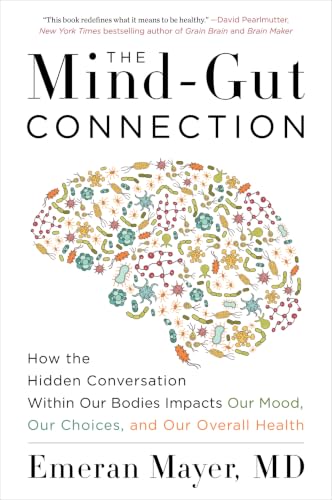
- Links brain science with gut health and the microbiome
- Offers practical guidance on diet and digestion
- Addresses mood, immunity, and common GI concerns
Best For: Readers who want a practical, science-based look at how gut health may affect mood and wellness
Brain Myth-Buster
Seven And A Half Lessons About The Brain

- Short, entertaining primer on how the brain works
- Explains body budgeting, prediction, and social wiring
- Busted myths make it easy to understand
Best For: Readers who want a short, accessible brain book that challenges common myths
Individual-Differences Standout

- Focuses on how every brain is different
- Includes quizzes and tests for self-discovery
- Covers focus, learning, navigation, and connection
Best For: Readers who want a personalized, research-driven guide to understanding how their own brain differs from others
Emotion Science Pick

- Constructed-emotion theory
- Brain, body, and culture focus
- Applies to medicine and law
Best For: Readers seeking a modern rethink of emotion science
Best Heavy-Duty Pick
Brain: Neuroscience. Neuropsychology, Neuropsychiatry, Mind

- Covers brain anatomy and function
- Includes consciousness and memory
- Works as a primer and overview
Best For: Readers who want a structured brain and mind introduction
Practical Neuropsychology Pick
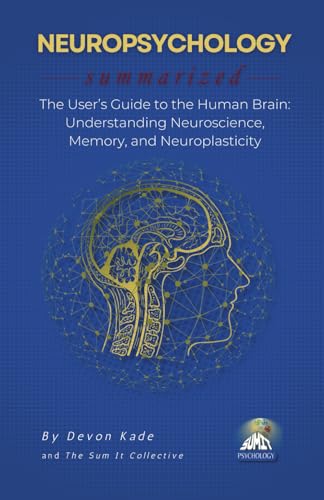
- Accessible guide to brain basics
- Covers neuroplasticity and memory
- Focuses on practical psychology
Best For: Readers wanting an easy-to-follow brain science overview
Brain Basics Pick – Neuroscience For Dummies
If you want an approachable entry point into neuroscience and psychology books, this updated edition gives you a clear tour of the brain without assuming prior training. It follows the basics of an introductory neuroscience course and covers how the brain relates to memory, learning, emotions, the mind-body connection, and genetics.
Best For: Beginners, students, and general readers who want a straightforward introduction to how the brain works.
Pros:
- Beginner-friendly Dummies style makes complex ideas easier to follow
- Covers core neuroscience topics like brain structure and function
- Includes newer research advances and technologies in the field
- Useful for readers curious about memory, depression, and learning
Cons:
- More introductory than deeply specialized
- Broad coverage means it is not a narrow deep dive into one topic
This is a practical pick if you want a solid foundation before moving on to more advanced neuroscience titles.
Visual Brain Guide – The Human Brain Book: A Visual Guide to the Structure and Function
For readers who prefer images and clear explanations, this visually rich choice stands out among neuroscience and psychology books. It uses artworks and brain scans to explain anatomy, signal transmission, memory, consciousness, language, and neuroplasticity in a way that makes technical ideas easier to absorb.
Best For: Visual learners and readers who want an accessible reference to brain structure and function.
Pros:
- Lavish visuals and scans show the brain in detail
- Explains complex processes step by step
- Covers major topics such as memory, consciousness, language, and neuroplasticity
- Written as an accessible reference by an award-winning author
Cons:
- Heavier and larger format than a typical paperback
- More reference-oriented than narrative-driven
If you want a readable, image-led overview of the human brain, this edition offers a strong mix of science and presentation.
Neuroscience Image Pick – Seeing the Mind
If you like neuroscience and psychology books that combine science with striking presentation, this illustrated volume offers a focused look at major findings from cognitive neuroscience. Each topic pairs a full-page color image with a short explanation, making the book easy to browse while still grounded in contemporary brain research.
Best For: Readers who enjoy image-rich neuroscience books and want a concise, accessible overview of cognitive neuroscience.
Pros:
- One hundred topics organized into bite-sized explanations
- Full-page color images make the material memorable
- Explores how thoughts, dreams, and feelings relate to brain activity
- Highly accessible for readers who want a visual deep dive
Cons:
- More of a curated visual survey than a traditional textbook
- Short topic format may leave some readers wanting more depth
This is a smart pick if you want a modern, visually engaging introduction to how neuroscience explains the mind.
Subconscious Mind Pick – Incognito: The Secret Lives of the Brain
Among neuroscience and psychology books, this one is a lively choice if you want to explore what the brain does outside conscious awareness. It examines the subconscious mind through topics like brain damage, drugs, illusions, synesthesia, criminal law, and artificial intelligence, all in a provocative style that keeps the ideas moving.
Best For: Readers who want an engaging, thought-provoking look at subconscious processing and hidden brain behavior.
Pros:
- Explores the subconscious brain in an entertaining, accessible way
- Touches a wide range of real-world topics and examples
- Blends neuroscience with behavior, perception, and decision-making
- Provocative and idea-rich for curious readers
Cons:
- Less of a structured primer than some introductory neuroscience books
- Topic-hopping style may feel eclectic for some readers
If you want a book that makes the hidden parts of the brain feel vivid and immediate, this is an engaging pick.
Mind-Body Science Pick – The Mind-Gut Connection
If you want neuroscience and psychology books that connect brain science to everyday health decisions, The Mind-Gut Connection is a practical choice. Dr. Emeran Mayer focuses on the brain-gut conversation, the microbiome, and how diet and digestion can influence mood, immunity, and chronic inflammation. It is especially useful if you want a science-backed guide with clear takeaways rather than a purely theoretical read.
Best For: Readers who want a practical, science-based look at how gut health may affect mood, digestion, and overall wellness.
Pros:
- Explains the brain-gut connection in accessible, grounded terms
- Connects microbiome science to mood, anxiety, fatigue, and digestion
- Offers actionable suggestions around diet, fermented foods, probiotics, and reducing processed foods
- Covers both wellness and GI issues such as IBS, bloating, and food sensitivities
Cons:
- Centered on gut health, so it is narrower than a general neuroscience overview
- Some recommendations are lifestyle-oriented rather than step-by-step medical advice
The strongest appeal here is its blend of cutting-edge neuroscience and practical health guidance. If you want a book that makes the mind-body link feel tangible and relevant, this one delivers a focused, easy-to-apply perspective.
Brain Myth-Buster – Seven And A Half Lessons About The Brain
For readers browsing neuroscience and psychology books, Seven And A Half Lessons About The Brain is a slim, approachable introduction that focuses on big ideas without overwhelming jargon. Lisa Feldman Barrett uses short essays to explain how brains evolved, how they are structured, and why many familiar brain myths do not hold up. It is a good fit if you want a concise, entertaining primer grounded in current neuroscience research.
Best For: Readers who want a short, accessible brain book that challenges common myths with current neuroscience.
Pros:
- Short, readable format with seven lessons plus a brief evolution story
- Breaks down concepts like body budgeting, predictive processing, and social wiring
- Directly challenges popular myths such as the “lizard brain”
- Accessible for casual readers while still appealing to science enthusiasts
Cons:
- Very concise, so it does not go as deep as a full textbook-style neuroscience book
- Focused on key concepts rather than broad coverage of psychology topics
This is the kind of book that helps you quickly reset how you think about the brain. If you want a compact, smart read that is easy to finish and easy to recommend, it is a strong pick.
Individual-Differences Standout – The Neuroscience of You
The Neuroscience of You: How Every Brain Is Different and How to Understand Yours
Check Price On AmazonIf you are comparing neuroscience and psychology books and want something more personal than a general brain overview, The Neuroscience of You is a strong fit. Chantel Prat focuses on how every brain is different, using real-world examples, quizzes, and self-tests to help readers understand their own strengths and blind spots. The book is especially useful if you want neuroscience that feels relevant to everyday learning, communication, and behavior.
Best For: Readers who want a personalized, research-driven guide to understanding how their own brain differs from others.
Pros:
- Emphasizes individual brain differences instead of only “average” brain findings
- Includes take-your-own tests and quizzes for a more interactive read
- Covers practical areas like focus, navigation, learning, and connection
- Combines field-leading research with a witty, accessible style
Cons:
- At 384 pages, it is more in-depth than a quick introductory read
- Its focus on individual variation means it is less of a broad survey of neuroscience topics
This book stands out for turning neuroscience into a tool for self-understanding. If you want a smart, modern read that explains why brains vary so widely, it is an easy recommendation.
Emotion Science Pick – How Emotions Are Made
If you want neuroscience and psychology books that challenge old ideas about feelings, this one is a strong pick. Lisa Feldman Barrett argues that emotions are not hardwired reflexes but are constructed through brain, body, and culture, making it especially useful for readers who want a modern, research-driven view of emotion science.
Best For: Readers who want a thought-provoking, research-based rethink of emotion and the mind.
Pros:
- Groundbreaking theory of emotion built on brain, body, and culture
- Written by a leading psychologist and neuroscientist in the field
- Connects emotion science to medicine, law, and national security
- Praised for clarity and originality by major publications
Cons:
- More conceptually challenging than a simple pop-psychology read
- Focused specifically on emotion science rather than broad self-help
For buyers who want a serious, influential book on how emotions really work, this stands out for its ambitious scope and clear real-world implications. It is a compelling choice if you want a title that can reshape how you think about the brain and the human mind.
Best Heavy-Duty Pick – Brain: Neuroscience. Neuropsychology, Neuropsychiatry, Mind
Brain: Neuroscience. Neuropsychology, Neuropsychiatry, Mind: Introduction, Primer, Overview
Check Price On AmazonAmong neuroscience and psychology books, this title works well as a structured primer on the human brain. It covers core topics like neuroanatomy, consciousness, memory, the limbic system, and the visual mind, making it a practical choice if you want an overview that ties brain structure to mind and behavior.
Best For: Students and curious readers who want an organized introduction to brain anatomy and mind basics.
Pros:
- Broad primer covering neuroscience, neuropsychology, and neuropsychiatry
- Includes major systems such as the limbic system, neocortex, and brainstem
- Covers consciousness, memory, vision, and functional laterality
- Structured like an overview for reference and study
Cons:
- Likely more academic and outline-driven than narrative
- Best suited to readers comfortable with brain-science terminology
If you want a compact reference-style introduction rather than a story-led popular science book, this one offers a wide sweep of topics. Its value is in the breadth of the material and the clear focus on brain and mind fundamentals.
Practical Neuropsychology Pick – Neuropsychology Summarized
If you’re shopping for neuroscience and psychology books that translate brain science into everyday language, this guide aims to do exactly that. It frames the brain as a user manual for motivation, mood, memory, learning, and neuroplasticity, while keeping the tone practical rather than textbook-heavy.
Best For: Curious readers, students, and self-improvement buyers who want an accessible brain guide.
Pros:
- Breaks down dopamine, serotonin, cortisol, and the mind-body connection
- Includes neuroplasticity, memory, learning, and nervous-system regulation
- Touches on stroke, Alzheimer’s, and TBI to explain brain function
- Written as an accessible tour rather than a dense academic text
Cons:
- Publication date is listed as 2026, so availability may be limited
- Broad overview rather than a deeply technical neuroscience text
This is a good fit if you want a fast-moving, readable explanation of how the brain shapes daily life. It is especially appealing for buyers who want practical takeaways from neuroscience without wading through heavy jargon.
How We Picked the Best Neuroscience and Psychology Books
Our selections favor clarity, accuracy, and usefulness for real readers. We looked for books that explain core brain and behavior concepts well, balance accessibility with substance, and suit different levels of background knowledge. We also included a mix of formats, from visual guides to narrative science writing to more technical references, so readers can match the book to their goals.
Quick Comparison
Some of these Neuroscience and Psychology Books are best for first-time learners who want plain-English explanations. Others work better for readers who already know the basics and want broader context, stronger scientific detail, or a more specialized focus such as neuropsychology, emotion, or mind-body interactions.
Best for Beginners
Look for straightforward language, chapter summaries, and clear definitions. These books are easier to absorb if you’re starting from zero or buying for a general reader.
Best for Visual Learners
Illustrated and image-heavy titles are especially helpful if you learn best from diagrams, brain scans, and structured visuals rather than dense prose.
Key Buying Factors for Neuroscience and Psychology Books
Audience level: Make sure the book matches the reader’s background. A strong beginner book should explain terms like neuroplasticity, executive function, and emotion processing without requiring prior coursework.
Scientific style: Some titles are narrative and approachable, while others are textbook-like or reference-oriented. Choose based on whether you want inspiration, study support, or a more formal primer.
Topic focus: The field is broad. If you care about memory, emotion, decision-making, neuropsychology, or brain-body connections, pick a title that stays centered on that topic instead of covering everything superficially.
Readability and structure: Short lessons, clear chapter flow, and strong visual organization can make a big difference, especially for readers using the book as an introduction.
Credibility: For Neuroscience and Psychology Books, look for authors with relevant expertise, careful sourcing, and explanations that distinguish evidence from speculation.
Who Should Buy Which Neuroscience and Psychology Books?
If you want an easy entry point, choose a beginner-friendly overview. If you prefer engaging storytelling, a popular science title may be the best fit. If you’re a student, teacher, or lifelong learner who wants more detail, consider a more technical primer or a visually rich guide that reinforces the science.
For most buyers, the best choice is the book that matches both curiosity and reading style. A clear, well-organized book you’ll actually finish is usually more valuable than a denser title that sits on the shelf.