If you need to learn, practice, or quickly reference ropework at sea, the right book can make a big difference. The best nautical knot books combine clear diagrams, durable formats, and instructions you can actually use on deck.
Whether you want a pocket waterproof guide, a beginner-friendly how-to, or a deeper maritime reference, this roundup highlights practical options for sailors, boaters, and anyone who works with line and rope.
Best 10 Nautical Knot Books Picks for 2026
Waterproof Quick-Reference Cards
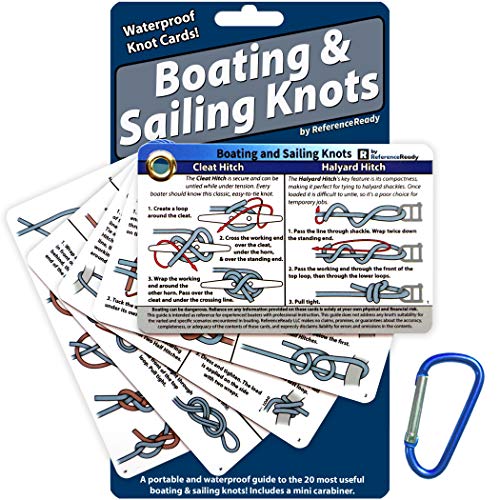
- Waterproof plastic cards built for boat use
- Step-by-step diagrams for 20 nautical knots
- Includes mini carabiner for easy clipping
Best For: Boaters who want a compact, waterproof knot reference
Classic Maritime Handbook
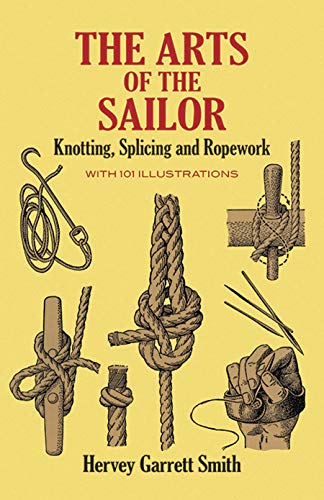
- Covers knots, splicing, and general ropework
- More than 100 illustrations for guidance
- Useful aboard-ship reference for sailors
Best For: Sailors who want a broader seamanship handbook
Original Waterproof Knot Cards
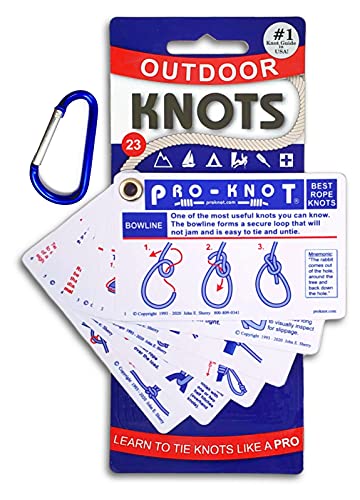
- Waterproof plastic cards with brass grommet
- Covers 23 essential rope knots
- Compact for boating, camping, and survival
Best For: Outdoor users who want a rugged, portable knot guide
Visual Starter Guide
Ultimate Guide to Nautical Knots

- Covers 22 vital marine knots
- Step-by-step instructions for beginners
- Compact 64-page introduction
Best For: Beginners learning essential nautical knots
Beginner-Friendly Sailing Reference

- Over 50 essential sailing knots
- Fully illustrated step-by-step guidance
- Explains when each knot is most useful
Best For: Sailors who want a focused, practical knot reference
Photo-Heavy Classic Guide

- Nearly 300 photos for visual learning
- Covers 20 useful nautical knots and splices
- Includes glossary and linehandling commands
Best For: Beginners who want a concise, photo-based boating knot guide
All-Purpose Knot Manual
The Little Book of Incredibly Useful Knots
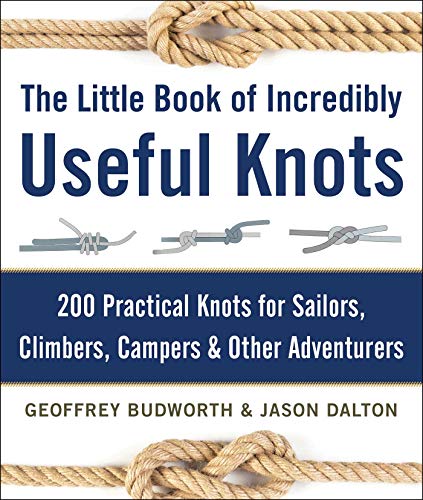
- More than 200 practical knots
- Full-color diagrams and step-by-step help
- Useful for sailing, camping, climbing, and more
Best For: Outdoor users who want a broad knot reference with marine value
Essential Sailor's Reference
Sailing Knots: 10 Nautical knots you need to know

- 10 core sailing knots
- 75 step-by-step images
- Geared to skipper exam prep
Best For: Sailors who need a compact exam-focused knot guide
All-Around Knot Guide
Ultimate Book of Everyday Knots
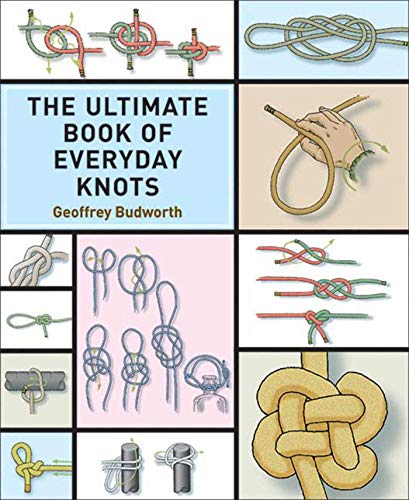
- More than 80 knots
- Clear photos and diagrams
- Useful for sailing and beyond
Best For: People who want a broad knot reference with boating included
Kid-Friendly Training Guide
My First Book of Nautical Knots: A Guide to Sailing and Decorative Knots

- 18 illustrated knots
- Includes decorative ropework
- Geared toward parents and children
Best For: Beginners and kids learning nautical knots together
Waterproof Quick-Reference Cards – Boating & Sailing Knot Cards
If you want nautical knot books that are fast to use in real boating conditions, this waterproof card set is built for convenience. It covers 20 sailing and boating knots in a compact, durable format that is easier to keep close at hand than a paper manual.
Best For: Boaters, sailors, and new boat owners who want a pocket-sized waterproof knot reference.
Pros:
- Waterproof plastic cards are designed for maritime environments.
- Includes step-by-step diagrams, usage tips, and a mini carabiner.
- Compact, credit-card-sized format is easy to clip within reach.
- Focused specifically on 20 nautical knots for boating and sailing.
Cons:
- Not a full-length reference book.
- Covers a narrower knot selection than larger knot guides.
This is a practical choice if you value quick access over depth. For onboard use, the waterproof construction and clipped carry method make it especially handy.
Classic Maritime Handbook – The Arts of the Sailor
For readers comparing nautical knot books, this classic handbook stands out as a broader maritime skills guide rather than a narrow knot-only reference. It covers basic knots along with splicing, ropework, belaying, coiling, towing procedures, and other shipboard skills in a clear, illustrated format.
Best For: Sailors and boat owners who want a fuller boat-handling reference with knotting included.
Pros:
- Includes more than 100 illustrations to support the instructions.
- Covers knots plus splicing, handsewing, canvas work, and rope handling.
- Written as a practical aboard-ship reference with a chatty style.
- Useful for both study and ready reference on smaller pleasure boats.
Cons:
- Not focused exclusively on knots.
- Larger, book-format reference is less portable than card-based options.
This is a strong pick if you want something more complete than a quick knot guide. It offers good value for anyone who wants knotting in the context of real seamanship and maintenance.
Original Waterproof Knot Cards – Pro-Knot Outdoor Knots
If you are shopping for nautical knot books that can handle hard use, this waterproof plastic set is a proven all-purpose rope reference. It includes 23 essential knots and is designed for boating, camping, survival, and other outdoor situations where a quick, durable guide matters.
Best For: Boaters, campers, and outdoor users who want a rugged waterproof knot guide with broad utility.
Pros:
- Completely waterproof solid plastic cards with a no-rust brass grommet.
- Includes 23 essential rope knots with clear illustrations.
- Compact and lightweight for a backpack, glove box, or boat.
- Includes a mini carabiner for attachment.
Cons:
- Card set format offers less depth than a full book.
- Not limited to nautical knots, so some content is broader outdoor rope use.
For practical knot-tying on the move, this is one of the most versatile options in the category. Its rugged build and long-running reputation make it a dependable reference to keep with your gear.
Visual Starter Guide – Ultimate Guide to Nautical Knots
This is a straightforward pick among nautical knot books if you want a compact introduction to marine knot-tying. It presents 22 vital knots with simple, step-by-step illustrations, making it easy to learn the basics without a large or complicated manual.
Best For: Beginners who want a small visual guide to essential nautical knots.
Pros:
- Focuses on 22 vital knots for marine use.
- Clear step-by-step instructions are easy to follow.
- Small 64-page format keeps it simple and approachable.
Cons:
- Much shorter than more comprehensive knot references.
- Not as portable as card-style waterproof guides.
This book is best viewed as a beginner-friendly essentials guide rather than a deep technical manual. If you want a simple visual starting point for seamanship basics, it fits the bill well.
Beginner-Friendly Sailing Reference – The Book of Sailing Knots
The Book of Sailing Knots: How To Tie And Correctly Use Over 50 Essential Knots
Check Price On AmazonIf you want nautical knot books that focus on practical sailing use, this guide is built around the knots sailors actually reach for. It covers more than 50 essential knots with fully illustrated, step-by-step instructions, plus guidance on when each knot is most useful.
Best For: Sailors who want a focused, easy-to-follow reference for essential sailing knots and their correct uses.
Pros:
- Covers over 50 essential knots, including stopper knots, bends, loops, and hitches
- Fully illustrated with step-by-step tying instructions
- Explains how to correctly use each knot in real situations
- Compact 144-page format for a straightforward reference
Cons:
- Primarily centered on sailing knots rather than a broader outdoor knot collection
- Less extensive than larger knot compendiums
This is a strong choice if you want a practical sailing knot guide that balances instruction with real-world application. It is especially useful for readers who prefer a focused book over a massive all-purpose manual.
Photo-Heavy Classic Guide – Nautical Knots Illustrated
For shoppers comparing nautical knot books, this title stands out for its visual instruction and compact focus. It presents the 20 most useful nautical knots and splices across nearly 300 photographs, with each knot or splice shown on facing pages for easier learning.
Best For: Beginners and boaters who learn best from clear photos and a concise knot handbook.
Pros:
- Nearly 300 photographs provide detailed visual guidance
- Covers the 20 most useful nautical knots and splices
- Two facing pages per knot or splice make it easy to follow
- Includes an illustrated glossary and quick-glance linehandling commands
Cons:
- Covers fewer knots than some broader knot manuals
- Short 96-page length may feel limited if you want a large reference book
This is a solid pick if you want a visually driven boating knot guide without a lot of extra material. Its strength is clarity, making it a good fit for quick study and on-deck reference.
All-Purpose Knot Manual – The Little Book of Incredibly Useful Knots
Among nautical knot books, this one is the broadest option for readers who want skills for the boat and beyond. It teaches more than 200 practical knots with full-color line diagrams and step-by-step descriptions, plus notes on history, alternate names, and uses.
Best For: Boaters, sailors, campers, climbers, and other outdoor users who want a wide-ranging knot reference.
Pros:
- More than 200 practical knots explained in clear detail
- Full-color line diagrams and step-by-step instructions
- Includes knot history, alternative names, and special features
- Useful across sailing, rescue, survival, fishing, and general outdoor tasks
Cons:
- Broader scope may be less focused than a sailing-only knot book
- Smaller trim size may feel less substantial as a desktop reference
If you want one knot book that goes well beyond marine use, this is the most versatile pick in the group. It offers strong practical value for anyone who wants a single reference for many tying situations.
Essential Sailor's Reference – Sailing Knots: 10 Nautical knots you need to know
If you want a compact starting point for nautical knot books, this booklet focuses on the core knots used in sailing courses and skipper exams. It explains 10 essential knots with word-and-picture guidance and 75 step-by-step images, making it a practical pick for learners who want a clear, exam-friendly refresher.
Best For: Sailors preparing for a course or skipper exam who want a concise knot guide.
Pros:
- Covers 10 fundamental sailing knots in a focused format.
- Uses 75 step-by-step images to show how each knot is tied.
- Written specifically with sailing courses and skipper exams in mind.
- Includes both tying and loosening guidance for practical use.
Cons:
- Only covers a narrow set of knots compared with larger knot books.
- Readers should check that their ebook device displays the images clearly.
This is a straightforward, no-frills option if your priority is learning the most relevant nautical knots quickly. It is best suited to learners who want a focused study aid rather than a broad knot encyclopedia.
All-Around Knot Guide – Ultimate Book of Everyday Knots
Among nautical knot books, this one stands out for going well beyond boating. It offers a full-color, easy-to-follow guide to more than 80 knots, with clear photographs, diagrams, and straightforward instructions that work well for readers who want a practical reference for sailing and many other uses.
Best For: Readers who want one knot book that covers boating plus many everyday applications.
Pros:
- Covers more than 80 knots across boating, fishing, climbing, crafts, and household uses.
- Uses clear photographs and diagrams with easy-to-follow instructions.
- Includes knot lore for readers who enjoy a bit of background with the techniques.
- Full-color, oversized format makes it easy to study from.
Cons:
- Not limited to nautical knots, so sailors may want a more focused boat-only guide.
- Larger format may be less convenient to carry on the water.
This is the most versatile choice here if you want a knot book that can handle sailing and much more. It is especially appealing for learners who value broad coverage and visual instruction over a narrowly nautical approach.
Kid-Friendly Training Guide – My First Book of Nautical Knots: A Guide to Sailing and Decorative Knots
If you are comparing nautical knot books for a younger learner, this title is built around step-by-step models and an approachable teaching style. It presents 18 knots, including quick basics like the figure eight and bowline, plus decorative ropework projects and a bonus section on gimp stitching.
Best For: Children and family learning sessions focused on beginner-friendly ropework.
Pros:
- Introduces 18 nautical knots with illustrated step-by-step models.
- Includes both practical sailing knots and decorative knot projects.
- Designed for parents and children to learn together.
- Reading age and grade level information make it clearly kid-oriented.
Cons:
- Less comprehensive than adult knot books aimed at sailing or exam prep.
- Some content is decorative rather than strictly boating-focused.
This is a strong pick if you want a learning book that feels accessible and hands-on for kids. It balances basic seamanship with fun ropework, making it a friendly entry point into knot tying.
How We Picked the Best Nautical Knot Books
We focused on books that are useful in real boating conditions, easy to follow, and suited to different experience levels. Strong candidates included waterproof or portable formats, clear illustrations, sensible knot selection, and a balance between quick reference and deeper instruction.
Quick Comparison of Nautical Knot Books
If you want fast deckside reference, choose a compact waterproof card set or a pocket-sized guide. If you prefer to learn technique in detail, a larger illustrated manual is usually better. For mixed-use buyers, the best choice is often a book that covers essential sailing knots plus a few broader ropework skills.
Key Buying Factors for Nautical Knot Books
Format and Durability
On boats, durability matters. Waterproof pages, coated cards, spiral binding, and compact sizes are especially helpful when spray, salt, and rough handling are part of the equation.
Clarity of Instruction
The best Nautical Knot Books use step-by-step visuals, consistent terminology, and diagrams that show both tying and finishing. Look for books that explain not just how to make a knot, but when to use it and why it matters.
Scope of Knots Covered
Some readers only need a dozen essential sailing knots. Others want a broader reference that includes splicing, ropework, decorative knots, or general outdoor knots. Make sure the scope matches your actual needs so you do not overpay for unused content.
Skill Level
Beginners usually benefit from fewer knots explained very clearly, while experienced sailors may prefer a more complete reference. If you are teaching kids or first-time boaters, choose a book with simple language and large illustrations.
Who Should Buy Which Nautical Knot Books?
Choose a waterproof quick-reference option if you want something to keep aboard and consult fast. Pick a detailed illustrated manual if you are actively learning and want to master technique. If you boat with family, crew, or students, an accessible beginner title can be the most practical choice.
For many buyers, the ideal pick is one of the Nautical Knot Books that balances portability with enough instruction to build confidence. Start with the knots you will actually use most often, then expand to broader ropework as your skills grow.