Natural history encyclopedias are ideal for readers who want big-picture science in a visual, approachable format. Whether you’re shopping for a family bookshelf, a classroom reference, or a gift for a lifelong learner, the right volume should be informative, browsable, and engaging.
In this roundup, we focus on books that balance accuracy, strong illustrations, and real-world usefulness so you can choose the best fit with confidence.
Best 10 Natural History Encyclopedias Picks for 2026
Ultimate Visual Guide

- Over 5,000 species shown in a full-color gallery
- Covers rocks, minerals, fossils, microbes, fungi, plants, and animals
- Updated to reflect newer discoveries and scientific understanding
Best For: A broad, visually rich home reference for nature lovers
Elegant Sea Guide

- Focuses on marine life and ocean environments
- Combines photography with clear, simple explanations
- Covers everything from coral reefs to deep ocean trenches
Best For: An attractive beginner-friendly encyclopedia of the sea
Field Encyclopaedia Pick
Dinosaurs of the United States

- Profiles 48 dinosaurs from American fossil regions
- Includes formation, habitat, anatomy, and fossil history
- Adds glossary, references, and fossil-discovery advice
Best For: Focused readers who want a dinosaur reference tied to geology
Definitive Visual Encyclopedia

- Updated second edition with revised scientific organization
- Shows over 5,000 species plus 500+ rocks, minerals, and fossils
- Designed as a visual reference and coffee table book
Best For: A comprehensive visual encyclopedia for display and browsing
Earth Explorer
Knowledge Encyclopedia Planet Earth!

- Bold CGI visuals and cutaways
- Covers Earth, habitats, weather, and change
- Fact-checked and easy to read
Best For: Kids ages 9–12 who learn through visuals
Prehistoric Life Atlas
Dinosaurs and Prehistoric Life

- Over 500 prehistoric species covered
- 3D reconstructions, fossils, and skeletons
- Explains evolution, extinctions, and fossils
Best For: Dinosaur enthusiasts and family reference reading
Big Cat Snapshot

- 150 full-color tiger photos
- Covers hunting, feeding, and young
- Compact mini encyclopedia format
Best For: Tiger fans who want a portable photo reference
Earth Atlas
Earth: The Definitive Visual Guide

- 3,000+ photos, artworks, and maps
- Covers geology, climate, and tectonics
- Includes Earth history timeline and atlas
Best For: Readers who want a broad, illustrated Earth reference
Animal Anatomy
Zoology: Inside the Secret World of Animals
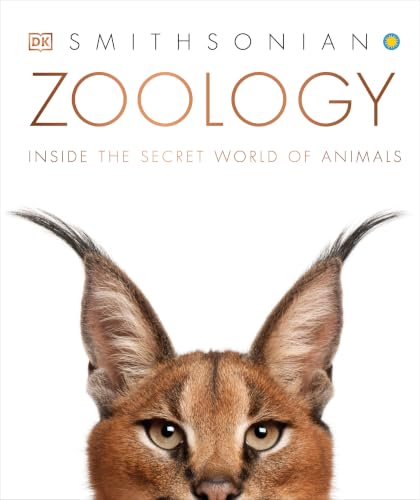
- Specially commissioned wildlife photography
- Head-to-toe anatomy and behavior coverage
- Created with the Smithsonian Institution
Best For: Readers who want a detailed visual animal encyclopedia
Mini Insect Guide

- 190 color photographs
- Covers 16,000+ bee species
- Portable mini encyclopedia format
Best For: Readers who want a compact bee reference with strong photography
Ultimate Visual Guide – The Natural History Book
If you’re comparing natural history encyclopedias, this one stands out for its broad, visual coverage of life on Earth. It brings together rocks, minerals, fossils, microbes, fungi, plants, and animals in a single updated reference, with thousands of species shown in full-color galleries and clear, accessible text.
Best For: Readers who want a large, all-in-one visual encyclopedia for home reference, gifting, or browsing.
Pros:
- Features over 5,000 species with specially commissioned close-up photography
- Covers six major chapters, including Living Earth, Minerals, Rocks and Fossils, and Animals
- Includes a glossary of natural history terms for easier reference
- Updated to reflect newer discoveries and current scientific understanding
Cons:
- Its 664-page format and large size make it better as a bookshelf or coffee table reference than a portable field guide
- Very broad scope may be more than needed if you want a narrow topic encyclopedia
This is a strong choice if you want a handsome, modern overview of the natural world that balances depth with visual appeal. It works especially well as a long-term reference book for nature lovers who want one volume that covers a lot of ground.
Elegant Sea Guide – Oceanology
For shoppers browsing natural history encyclopedias with a marine focus, Oceanology offers an elegant introduction to ocean life and the forces that shape it. It pairs strong photography with clear explanations, covering habitats from coral reefs and mangroves to deep ocean trenches.
Best For: Families, younger readers, and anyone who wants a visually engaging overview of the sea and marine life.
Pros:
- Beautiful photography brings marine life into focus, from plankton to whales
- Explains both living systems and ocean processes, including tides, circulation, volcanoes, and tsunamis
- Published in association with the Smithsonian Institution
- Accessible presentation works well for introductory learning
Cons:
- Its sea-specific scope makes it less comprehensive than a general natural history encyclopedia
- Reading age and grade guidance suggest it is especially suited to younger audiences
This is a solid pick if you want a polished, topic-specific encyclopedia rather than an all-kingdom reference. It is especially appealing for visual learners who want the ocean explained in a straightforward and attractive format.
Field Encyclopaedia Pick – Dinosaurs of the United States
If your search for natural history encyclopedias leans toward fossils and deep time, this field encyclopaedia offers a focused look at American dinosaur history. It organizes 48 dinosaurs by formation, habitat, anatomy, and fossil history, making it useful for readers who want a regional, evidence-based reference.
Best For: Dinosaur enthusiasts, museum visitors, older students, and families interested in American fossil history.
Pros:
- Profiles 48 dinosaurs from the American West and Great Plains
- Each entry includes original palaeoart, quick facts, anatomy, habitat, and fossil history
- Includes regional guides, a formation directory, glossary, and selected references
- Evidence-focused field notes and responsible fossil-discovery advice add practical value
Cons:
- Its dinosaur-only scope is much narrower than a general natural history encyclopedia
- Publication date is listed for 2026, so availability may depend on release timing
Choose this if you want a specialized reference that connects dinosaurs to the formations and landscapes where they were found. It is less of a broad overview and more of a structured field guide for serious fossil readers.
Definitive Visual Encyclopedia – Natural History
This updated edition is one of the strongest natural history encyclopedias for readers who want a broad visual survey of life on Earth. It covers everything from rocks and fossils to microorganisms, plants, fungi, and animals, with more than 5,000 species presented in an easy-to-read, image-rich format.
Best For: Buyers who want a comprehensive, gift-worthy natural history reference with a polished visual style.
Pros:
- Updated second edition reflects new discoveries and a revised understanding of living groups
- Includes a full-color gallery of over 5,000 species
- Features over 500 rocks, minerals, and fossils
- Works well as both a reference book and a coffee table book
Cons:
- Large 664-page, oversized format is not ideal for carrying around
- Broad coverage may be more than needed if you only want one branch of natural history
If you want a visually polished general encyclopedia rather than a niche subject book, this edition is easy to recommend. It is built for browsing, display, and repeated reference, especially for readers who enjoy a comprehensive look at the natural world.
Earth Explorer – Knowledge Encyclopedia Planet Earth!
Knowledge Encyclopedia Planet Earth!: Our Exciting World As You've Never Seen It Before
Check Price On AmazonIf you’re looking for natural history encyclopedias for younger readers, this DK volume is a strong visual pick. It uses bold CGI imagery, cross-sections, charts, and clear text to explain Earth’s structure, habitats, weather, and change over time in a way that feels approachable for ages 9–12.
Best For: Curious kids who learn best from big visuals, bite-sized facts, and easy explanations about Earth and life on it.
Pros:
- Ground-breaking CGI imagery and detailed cutaways make complex topics easier to grasp.
- Covers a wide range of Earth topics, from volcanoes and glaciers to ecosystems and climate change.
- Includes facts, charts, timelines, illustrations, and simple text for gradual reading.
- Fact-checked by subject experts for added accuracy.
Cons:
- Focused on Earth rather than a broad survey of all natural history topics.
- Designed for children, so advanced readers may want more depth.
Overall, this is a practical choice if you want a visually rich encyclopedia that makes natural history feel exciting and easy to explore. It works especially well as a read-in-sections reference book for kids who like asking questions and looking closely at how the world works.
Prehistoric Life Atlas – Dinosaurs and Prehistoric Life
Among natural history encyclopedias, this DK guide stands out for its broad sweep across prehistoric life. It traces evolution from the earliest microbes through dinosaurs, early mammals, and the first humans, pairing clear text with 3D reconstructions, skeletons, fossils, and annotated artwork.
Best For: Dinosaur fans, families, and natural history readers who want a visually detailed overview of prehistoric species and deep time.
Pros:
- Catalogs over 500 animals, plants, fungi, and microbes.
- Uses 3D reconstructions, fossils, and skeletons to bring ancient species to life.
- Covers geological time, mass extinctions, ice ages, and fossil preservation.
- Combines strong visuals with clear explanatory text.
Cons:
- Large, heavy format may be less convenient for casual handling.
- Best suited to readers interested in prehistoric life rather than general animals alone.
This is a high-impact reference book if you want a coffee-table style encyclopedia with real educational depth. It offers a wide-angle view of prehistoric life while still giving plenty of specific facts and visual detail for repeated browsing.
Big Cat Snapshot – Tigers
If you want a compact entry in natural history encyclopedias, this mini encyclopedia focuses tightly on one iconic animal. It pairs 150 color photographs with captions that explain how tigers hunt, feed, rear their young, and survive in the wild.
Best For: Readers who want a photo-led tiger reference with quick facts and a smaller, more portable format.
Pros:
- 150 photographs give a detailed visual look at tigers in action.
- Captions explain hunting, feeding, parenting, and survival behavior.
- Includes memorable facts, such as stripe patterns and age clues from nose color.
- Portable mini encyclopedia format.
Cons:
- Very narrow in scope compared with broader natural history encyclopedias.
- Less depth than a full-size general reference book.
This is a good pick if your goal is a focused tiger reference rather than a broad natural history survey. The photography-first approach makes it easy to browse, and the captioned facts keep it practical for quick learning.
Earth Atlas – Earth: The Definitive Visual Guide
Earth: The Definitive Visual Guide, New Edition (DK Definitive Visual Encyclopedias)
Check Price On AmazonIf you want natural history encyclopedias that also explain the science behind our planet, this visual guide is a strong pick. It combines photographs, maps, terrain models, and artworks to show both Earth’s major landscapes and the processes shaping them, from plate tectonics to climate change.
Best For: Readers who want a broad, heavily illustrated reference on Earth science, landforms, and environmental change.
Pros:
- More than 3,000 photographs, artworks, and maps for visual reference
- Includes a 40-page timeline of Earth’s history, plus human evolution and colonization
- Updated coverage of geology, climate change, and urban geography
- Atlas section centered on Earth’s seven major tectonic plates
Cons:
- Large 528-page format may be more book than casual browsers need
- Focuses on Earth science rather than animals or plants specifically
This is a practical choice if you want one of the more expansive natural history encyclopedias for understanding how Earth works. The book’s strength is its mix of reference detail and visual storytelling, especially for readers who like a clear, illustrated overview.
Animal Anatomy – Zoology: Inside the Secret World of Animals
For shoppers comparing natural history encyclopedias, this animal guide stands out for its close-up, head-to-toe approach. It moves through the animal kingdom with specially commissioned photography and clear explanations of how animals are built, move, communicate, and adapt.
Best For: Readers who want a visually rich animal encyclopedia with a strong focus on anatomy and behavior.
Pros:
- Specially commissioned photographs not seen elsewhere
- Head-to-toe organization makes animal features easy to browse
- Covers evolution, social lives, communication, and adaptation
- Written in association with the Smithsonian Institution
Cons:
- Large and heavy format may be less convenient to handle
- More focused on animals than on the broader natural world
This is a strong reference if you want a detailed, picture-led look at wildlife rather than a general survey of nature. Its structure and photography make it especially useful for readers who like encyclopedias that explain both appearance and function.
Mini Insect Guide – Bees: Heroes of the Garden
If you’re looking for compact natural history encyclopedias on a single species group, this small-format bee book is a practical option. It focuses on bee diversity, their natural habitat, and the roles bees play in pollination, honey production, and communication.
Best For: Readers who want an accessible, photo-led introduction to bees in a portable size.
Pros:
- Outstanding collection of 190 color photographs
- Covers more than 16,000 bee species worldwide
- Explains how bees live, communicate, feed, and reproduce
- Compact mini encyclopedia format is easy to carry
Cons:
- Much narrower in scope than a full natural history encyclopedia
- Shorter 224-page length limits depth compared with larger reference books
This is best viewed as a focused reference rather than an all-purpose encyclopedia. Still, for readers interested in pollinators and garden wildlife, it offers a clear, attractive overview backed by strong photography.
How We Picked These Natural History Encyclopedias
We prioritized books that offer broad scientific coverage, dependable editorial standards, and layouts that make information easy to find. For Natural History Encyclopedias, the best choices combine clear explanations with high-quality photography, diagrams, maps, and visual callouts. We also looked for strong age flexibility, since many buyers want something that works for older kids, teens, and adults alike.
Quick Comparison
Use these books by purpose, not just by topic. Comprehensive reference titles are best for general learning and browsing, while subject-specific volumes are stronger if you want a focused deep dive into oceans, dinosaurs, animals, or a single species. Large-format encyclopedias tend to suit home libraries and gifting, while compact mini encyclopedias are better for targeted interest and shelf space.
Key Buying Factors for Natural History Encyclopedias
Scope and Depth
Some Natural History Encyclopedias cover Earth science, animals, fossils, and ecosystems all in one place. Others concentrate on a narrow subject. Choose broad coverage if you want an all-purpose reference, or choose a specialized title if the reader already has a favorite topic.
Visual Quality
Strong visual design matters. Look for books with labeled images, cross-sections, timelines, and clear charts. These features make complex subjects easier to understand and make the book more appealing for casual browsing.
Accuracy and Editorial Style
Good reference books explain scientific concepts in a way that is current, readable, and well organized. If the book will be used for schoolwork or family learning, choose a title that feels factual first and decorative second.
Format and Durability
Large hardcover editions often feel more substantial and display better as gifts or reference pieces. Smaller books are easier to store and may be more practical for younger readers or topic-specific collections.
Who Should Buy Which Natural History Encyclopedias?
If you want one general reference for a home library, choose a broad, visually rich encyclopedia. If the reader loves dinosaurs, oceans, insects, or wildlife, a focused title may deliver more value. For families and casual learners, the most versatile Natural History Encyclopedias are the ones that invite browsing while still answering real questions quickly.