Choosing the right starter reading set can make early literacy feel fun instead of frustrating. The best box sets give young readers short, confidence-building books that match their skill level.
Below, we focus on learn-to-read book box sets that balance phonics support, age-appropriate themes, and value for families, classrooms, and gift buyers.
Best 10 Learn-To-Read Book Box Sets Picks for 2026
Starter Storytime Reading Kit
Learn to Read with Tug the Pup and Friends

- 11 simple stories for beginning readers
- Includes parent guide and reward stickers
- Levels A–C with sight words and picture support
Best For: Families starting with ages 4–6 new readers
Phonics Practice Carry Case

- 10 Peppa Pig stories plus 2 phonics workbooks
- Focuses on short vowel sounds
- Sturdy handled box for easy storage
Best For: Preschool and kindergarten phonics practice
Big First-Reader Library
My Beginning Readers Set Level A

- 25 decodable storybooks in one box
- Built for independent reading confidence
- Durable case with carrying handle
Best For: Ages 3–6 beginners who need lots of practice
Predictable First Reader Bundle

- 10 readers across Levels A and B
- Uses sight words, repetition, and picture clues
- Includes parent guide and sturdy case
Best For: Kindergarten and first grade early readers
Kindness-Focused Early Reader Box
Uni the Unicorn Step into Reading Boxed Set

- 5 Step 2 early-reader stories
- Basic vocabulary and short sentences
- Good for guided or independent reading
Best For: Ages 5 to 7 learning to read with a gentle unicorn theme
Phonics Starter Box
Bob Books Set 1: Beginning Readers

- Decodable phonics-based beginner books
- Gradual sound progression for new readers
- Includes a parent guide
Best For: Early phonics learners ages 4 to 6
Skill-Building Decodable Box
Phonics Makes Readers Learn to Read Box 2

- 15 decodable books for ages 3 to 6
- Each story names its phonics skill
- Includes parent guide and free activities
Best For: Kids who need extra phonics practice after the basics
Dog Story Starter Set
My Favorite Dog Stories Box Set

- Five Level One I Can Read books
- Dog-themed stories with familiar characters
- Built for kids learning to sound out words
Best For: Beginning readers ages 4–8 who like dogs
Phonics Practice Pack
Pete the Cat 12-Book Phonics Fun
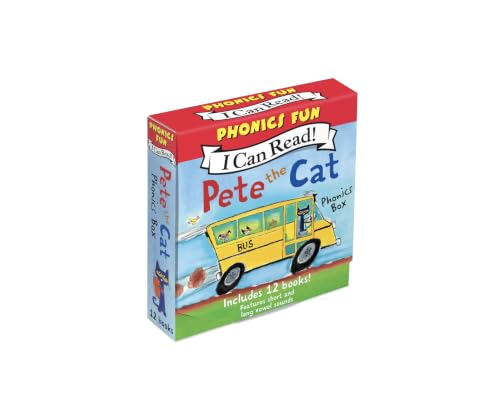
- 12 mini-books in one box set
- Covers short and long vowel sounds
- Expert-reviewed phonics-focused reading
Best For: Kids ages 3–6 starting phonics
School Story Sampler

- Five Level One I Can Read books
- Funny school adventures for early readers
- Made for kids sounding out words and sentences
Best For: Beginning readers ages 4–8 who enjoy school stories
Starter Storytime Reading Kit – Learn to Read with Tug the Pup and Friends
If you’re comparing learn-to-read book box sets for a brand-new reader, this one is built around 11 simple stories, strong picture support, and sight word vocabulary. It’s aimed at children who need predictable text and lots of encouragement, with a parent guide that adds shared-reading ideas, games, and art activities.
Best For: Families with beginning readers ages 4–6 who want a guided first step into Level A–C books.
Pros:
- Includes 11 beginner stories plus a separate parent guide and reward stickers
- Uses sight words, simple text, and strong picture support for early reading success
- Guided Reading Levels A–C make it a true entry-level box set
- Designed by educator and reading specialist Dr. Julie M. Wood
Cons:
- Only 11 stories, so it may feel limited for children who progress quickly
- Best suited to very early readers rather than kids already reading independently
Overall, this set is a practical pick if you want a structured, research-informed start with built-in parent support. It balances short, predictable reading practice with extras that help keep beginners motivated.
Phonics Practice Carry Case – Peppa Phonics Boxed Set
Among learn-to-read book box sets, this Peppa Pig collection is a good match for kids who learn best through phonics practice and familiar characters. It pairs 10 stories with 2 phonics workbooks, and the sturdy handled case makes it easy to store or take along.
Best For: Preschool and kindergarten readers who are working on short vowel sounds with extra practice pages.
Pros:
- Includes 10 Peppa Pig stories written to support phonics learning
- Comes with 2 phonics workbooks for added practice
- Sturdy box with a plastic handle for portability
- Targets short vowel sounds for first-time readers
Cons:
- Print length is listed as 16 pages, so the set is relatively compact
- Best for early phonics work rather than broader reading levels
This is a sensible option if your child needs phonics repetition and responds to a recognizable character. It’s less expansive than some larger boxed sets, but the built-in workbooks make the learning focus clear.
Big First-Reader Library – My Beginning Readers Set Level A
If you want learn-to-read book box sets with lots of repetition and independent decoding practice, this Level A library stands out for quantity and durability. It includes 25 illustrated decodable storybooks, each with simple early-reader vocabulary and full-color art to keep new readers engaged.
Best For: Young beginners ages 3–6 who are ready to build confidence by reading full books on their own.
Pros:
- Large set of 25 beginning-reader books
- Decodable stories with basic early-reader vocabulary
- Sturdy board storage case with a carrying handle
- Books are designed to support independent reading confidence
Cons:
- Level A focus may be too basic for children already beyond early decoding
- Each book is short at 8 pages, so advanced readers may outgrow it quickly
This set is a strong value pick if your goal is practice, not just variety. The combination of 25 books, durable storage, and simple decodable text makes it especially useful for repeated early reading sessions.
Predictable First Reader Bundle – Learn to Read Box
This is a straightforward choice in learn-to-read book box sets for kindergarten and first grade children who benefit from predictable text and bold visual clues. It combines 10 full-color readers, a parent guide, and a sturdy case, with five Level A stories and five Level B stories to support gradual progress.
Best For: Kindergarten and first grade children who are ready for sight words, repetition, and short guided reading practice.
Pros:
- Includes 10 readers split between Guided Reading Levels A and B
- Features sight words, repetitive text, and picture clues
- Comes with a parent guide for before-, during-, and after-reading support
- Sturdy case helps keep the set organized
Cons:
- Only 10 stories, so the set is relatively small
- Best for early reading growth rather than more advanced readers
For families who want a clean, well-structured starting point, this box keeps the focus on core early reading skills. The mix of Level A and B books makes it a practical bridge for children moving from first exposure to more confident reading.
Kindness-Focused Early Reader Box – Uni the Unicorn Step into Reading Boxed Set
If you’re shopping for learn-to-read book box sets for a child who likes friendly characters and simple stories, this Uni the Unicorn collection is a cheerful place to start. The five Step 2 books use basic vocabulary, short sentences, and familiar situations like school, sleepovers, and baking to help new readers practice with support.
Best For: New readers ages 5 to 7 who are ready for short, confidence-building stories with a sweet unicorn theme.
Pros:
- Five early-reader stories in one giftable boxed set
- Step 2 format uses basic vocabulary and short sentences
- Good fit for independent or guided reading at home or in the classroom
- Kind, relatable main character supports reader confidence
Cons:
- Best suited to children already recognizing familiar words
- Stories are simple, so advanced beginners may outgrow it quickly
Overall, this set is a practical pick if you want a learn-to-read box set that feels approachable and giftable while still staying focused on early reading skills.
Phonics Starter Box – Bob Books Set 1: Beginning Readers
Among learn-to-read book box sets, Bob Books Set 1 is a classic phonics-based option for children just starting with letter sounds. The books use decodable text, very simple sentences, and gradually added letter sounds so beginners can read whole books and build confidence step by step.
Best For: Kids ages 4 to 6 who are beginning phonics and need very short, decodable stories.
Pros:
- Teacher-created set with a long track record
- Phonics-based decodable text supports early sound blending
- Gradual skill progression keeps books manageable for beginners
- Includes a parent guide with tips for teaching reading
Cons:
- Very simple content may feel too easy for children past the earliest stage
- Focuses on decoding, so it is not a story-rich read-aloud choice
If you want a no-frills beginner box that directly supports early decoding practice, this is one of the most established choices in the category.
Skill-Building Decodable Box – Phonics Makes Readers Learn to Read Box 2
Phonics Makes Readers: Learn to Read Box 2: Build Reading Skills for Back to School
Check Price On AmazonIf you’re comparing learn-to-read book box sets for a child who needs more phonics practice, this follow-up Phonics Makes Readers box adds a structured next step. It includes 15 decodable stories for ages 3 to 6, with each book showing the phonics skill it teaches plus bonus parent support and activity access.
Best For: Preschool and kindergarten readers who are building phonics skills beyond the basics.
Pros:
- 15 short decodable books in one set
- Each story identifies the phonics skill being practiced
- Includes a parent guide plus QR code access to 30 free games and activities
- Built around phonics, word families, blends, and short vowels
Cons:
- Designed as a follow-up box, so it may not be ideal as a very first reading set
- Short stories may feel limited for children who want longer narratives
This is a solid choice if you want a structured decodable set that gives kids extra practice while also helping parents reinforce the skills at home.
Dog Story Starter Set – My Favorite Dog Stories Box Set
If you’re shopping for learn-to-read book box sets, this dog-themed I Can Read collection is a friendly pick for kids who are just starting to sound out words and sentences. The Level One stories are built around familiar characters and furry friends, making it easy to keep early readers engaged while they practice simple reading skills.
Best For: Beginning readers ages 4–8 who like dogs and easy Level 1 stories.
Pros:
- Includes five Level One I Can Read books in one handled box set.
- Uses familiar characters and dog-centered stories to keep reading fun.
- Designed for children learning to sound out words and sentences.
- Compact box format is easy to store and carry.
Cons:
- Focused on dog stories, so it may not suit every interest.
- Level One content may be too easy for more advanced readers.
This is a straightforward starter collection for families who want a themed set of early readers without extra complexity. It’s especially appealing if you want a simple, recognizable set that supports early reading practice.
Phonics Practice Pack – Pete the Cat 12-Book Phonics Fun
For shoppers comparing learn-to-read book box sets, this Pete the Cat collection stands out for its phonics-first approach. The 12 mini-books feature short and long vowel sounds plus common sight words, and each story is reviewed by a phonics expert, which makes it a practical choice for early reading practice.
Best For: Kids ages 3–6 who are starting phonics and want short, fun mini-books.
Pros:
- Includes 12 mini-books in one set, giving kids lots of practice.
- Features short and long vowel sounds and common sight words.
- Reviewed by a phonics expert for beginning-reader support.
- Pete the Cat stories add a playful, familiar character kids may enjoy.
Cons:
- Mini-book format may feel basic for children beyond early phonics.
- Best suited to phonics practice rather than broader story variety.
This set is a strong fit if you want an early reading box that focuses on decoding skills. It offers structured phonics support in a format that still feels approachable and fun for young children.
School Story Sampler – Funny School Stories Box Set
If you want learn-to-read book box sets with a school-day theme, this Level One collection offers a mix of familiar characters and funny classroom adventures. It’s designed for children learning to sound out words and sentences, with easy-to-read stories that keep the school setting light and playful.
Best For: Beginning readers ages 4–8 who enjoy school-themed stories and humor.
Pros:
- Includes five Level One I Can Read books in a handled box set.
- School adventures and humor help keep early readers interested.
- Good match for children learning to sound out words and sentences.
- Features recognizable characters from popular children’s series.
Cons:
- School theme may not appeal to every child.
- Level One books may be too simple for more confident readers.
This set works well as an easy, theme-based starter collection for children who like stories about school. It’s a practical pick when you want approachable reading practice wrapped in familiar characters and light humor.
How We Picked These Learn-To-Read Book Box Sets
We looked for sets that are truly beginner-friendly: clear reading progression, manageable book length, strong phonics or early decoding support, and topics that keep kids engaged. Value also mattered, especially for families who want multiple practice books instead of one-off readers.
We favored boxes that can support repeated reading, since that is often where new readers build confidence fastest. Bonus materials like parent guides, stickers, or lesson-friendly structure were also useful.
Quick Comparison: What These Box Sets Offer
Some Learn-To-Read Book Box Sets lean heavily into phonics and skill-building, while others focus more on themed stories, familiar characters, or a broad stack of early readers. If your child needs decoding help, choose a structured phonics-first set. If they already recognize some words, a story-led box may keep motivation higher.
Key Buying Factors for Learn-To-Read Book Box Sets
Reading Level Match
The most important factor is fit. Beginning readers usually do best with books that use simple sentence patterns, repeated words, and controlled vocabulary. If a set is too advanced, kids may guess instead of read.
Phonics Support
Many of the best Learn-To-Read Book Box Sets teach short vowels, long vowels, consonant blends, and word families. Strong phonics support is especially helpful for children who are just starting to decode independently.
Book Format and Length
Short, lightweight books are easier for small hands and shorter attention spans. Box sets with many mini-books can be ideal for practice, but families may prefer slightly longer story books if they want more variety per read.
Engagement and Re-Read Value
Kids are more likely to stick with reading when the content is familiar and enjoyable. Popular characters, playful themes, and predictable story structure can make a big difference. Re-readable books also help children build fluency without feeling overwhelmed.
Who Should Buy Which Learn-To-Read Book Box Sets?
Choose a phonics-first box if your child is learning letter sounds, blending, or simple CVC words. Pick a character-driven or themed set if your reader already knows the basics and needs more motivation to keep practicing. Larger multi-book boxes can be a smart choice for homeschool, classroom shelves, or families with more than one early reader.
If you want the safest all-around option, start with a set that combines clear decoding support, short stories, and enough variety to keep practice from becoming repetitive. That balance is often the sweet spot for Learn-To-Read Book Box Sets.