The best illustrated short story collections make it easy to enjoy complete stories in brief, memorable sittings. This roundup brings together classic fiction, children’s tales, moral stories, holiday favorites, cultural storytelling, and imaginative literature.
Whether you want bedtime reading, a thoughtful gift, or a shelf-worthy introduction to short fiction, these collections offer varied formats, reading levels, and themes to suit different audiences.
Best 10 Illustrated Short Story Collections Picks for 2026
Best Brushwork Collection
Illustrated Stories from China

- Classic Chinese tales in accessible retellings
- Traditional brush-and-ink illustrations
- 192 pages for readers ages 8–12
Best For: Young readers who enjoy folklore and cultural fantasy
Best Family Holiday Pick

- Fourteen Christmas classics and legends
- Illustrations tailored to each story’s mood
- Designed for shared reading ages 4–9
Best For: Festive family read-aloud sessions
Best Complete Detective Edition
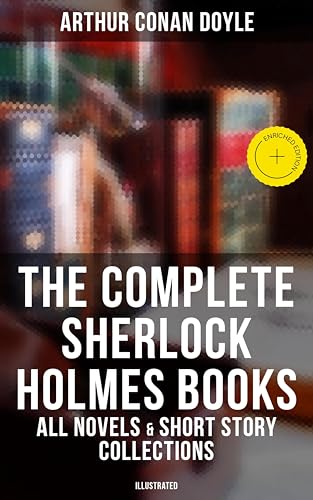
- All four novels and 56 short stories
- Includes historical and literary background
- Digital accessibility features are enabled
Best For: Readers building a classic mystery library
Best Speculative Fiction Classic

- Eighteen interconnected speculative stories
- Themes include technology and humanity’s future
- 291-page modern classic edition
Best For: Classic science-fiction and literary speculative-fiction readers
Best for Family Storytime

- Over 50 tales, fables, and rhymes
- Flexible five-minute reading format
- Illustrated padded keepsake book
Best For: Preschool bedtime and family read-alouds
Best Illustrated Gothic Pick
The Essential Stories & Poems of Edgar Allan Poe

- 21 essential Poe stories and poems
- Full-page atmospheric illustrations
- Includes major Gothic classics
Best For: Poe fans and classic horror readers
Best Broad Literary Sampler

- 50 stories from acclaimed authors
- Wide range of styles and subjects
- Portable 592-page anthology
Best For: Students and readers exploring classic fiction
Daily Values for Young Readers
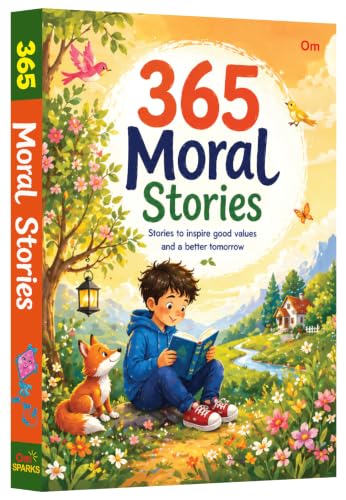
- 365 entries for daily reading
- Stories, facts, Q&A, and experiments
- Ages 4–8
Best For: Moral lessons and varied daily reading
Classic American Voices
American Short Story Masterpieces

- 14 notable American tales
- Poe, Faulkner, Welty, Cather, and more
- Compact 256-page anthology
Best For: Classroom study and classic American fiction
American Classics in Context

- 19 classic selections
- Writers from Hawthorne to Hemingway
- Ages 14 and up
Best For: Students and readers of American literary history
Best Brushwork Collection – Illustrated Stories from China
For readers looking for illustrated short story collections with cultural detail, this Usborne anthology presents classic Chinese tales in accessible retellings. Princesses, dragons, and mischievous monkeys feature alongside traditional Chinese brush-and-ink illustrations, making it a strong choice for shared reading or independent readers ages 8 to 12.
Best For: Children who enjoy folklore, fantasy, and visually distinctive cultural story collections.
Pros:
- Features classic Chinese tales selected and retold for modern readers.
- Includes traditional Chinese brush-and-ink illustrations.
- Offers 192 pages of varied stories and characters.
Cons:
- The reading age is geared primarily toward ages 8 to 12.
- Readers seeking contemporary settings may prefer another collection.
Its combination of folklore and traditional artwork gives this collection a clear identity. It is especially appealing when visual presentation and cultural storytelling matter as much as story variety.
Best Family Holiday Pick – Classic Christmas Stories
This collection stands out among illustrated short story collections as a seasonal anthology designed for reading aloud. It brings together fourteen Christmas classics, traditional tales, and Yuletide legends from around the world, with illustrations matched to each story’s mood and style.
Best For: Families seeking a festive read-aloud book for children ages 4 to 9.
Pros:
- Includes fourteen Christmas stories and legends.
- Features familiar works such as “The Fir Tree,” “The Nutcracker,” and extracts from A Christmas Carol.
- Introductions by award-winning author Ian Whybrow support the selections.
- Illustrations complement the mood and style of each story.
Cons:
- Its Christmas focus makes it strongly seasonal.
- Some selections are extracts rather than complete longer works.
With a broad range of festive material and a family-friendly reading age, this is a practical choice for holiday sharing. Its large format and illustrated presentation also suit group reading with younger children.
Best Complete Detective Edition – The Complete Sherlock Holmes
For readers comparing illustrated short story collections in classic mystery, this enriched Sherlock Holmes edition combines all four novels with 56 short stories. The digital volume also adds an introduction, biography, historical context, analysis, reflection questions, and selected memorable quotes.
Best For: Readers ages 10 and up who want a broad Sherlock Holmes library with supplemental material.
Pros:
- Includes all four Holmes novels and 56 short stories.
- Illustrations add a visual element to the detective narratives.
- Enriched features provide context, analysis, and reflection prompts.
- Supports screen readers, enhanced typesetting, and page flip.
Cons:
- The listed 113-page length may reflect a compact digital presentation.
- The extensive supplemental material may not suit readers seeking stories only.
This edition is positioned as both a comprehensive Holmes collection and a guided reading experience. Its extras make it useful for readers who want background and discussion material alongside Doyle’s mysteries.
Best Speculative Fiction Classic – The Illustrated Man
Ray Bradbury’s The Illustrated Man is a strong pick for readers seeking illustrated short story collections in a classic speculative-fiction style. Its eighteen interconnected stories explore humanity’s future through themes including technology, invasion, natural instincts, and imaginative space travel.
Best For: Readers interested in literary science fiction, interconnected stories, and imaginative visions of the future.
Pros:
- Contains eighteen interconnected speculative-fiction stories.
- Explores varied ideas about technology, humanity, and the future.
- Offers a substantial 291-page reading experience.
- Digital edition includes enhanced typesetting, X-Ray, and Word Wise.
Cons:
- Its themes and classic style may be better suited to mature readers than young children.
- The stories share speculative-fiction concerns, so readers wanting realistic fiction may prefer another title.
This collection offers more thematic breadth than a straightforward adventure anthology, linking imaginative premises to questions about human behavior. It is a compelling choice for readers who want classic science fiction with a literary and thought-provoking focus.
Best for Family Storytime – Five-Minute Stories
For families seeking illustrated short story collections for young children, Five-Minute Stories offers more than 50 brief tales, fables, nursery rhymes, and fairy-tale favorites. Its short format makes it practical for bedtime routines, quick reading sessions, and shared storytime with preschoolers.
Best For: Infants, toddlers, emerging readers, and adults looking for flexible five-minute read-alouds.
Pros:
- Includes over 50 classic tales and fables.
- Short stories let adults adjust reading time easily.
- Features illustrations from artists around the world.
- Padded keepsake design and 384-page format suit repeated family reading.
Cons:
- Its preschool focus may not suit older independent readers.
- The large treasury format weighs over two pounds.
This is a strong choice when convenience, variety, and shared reading matter more than a single unified literary style. It combines familiar classics with an easy-to-manage bedtime format.
Best Illustrated Gothic Pick – The Essential Stories & Poems of Edgar Allan Poe
Readers comparing illustrated short story collections with a darker literary mood should consider this curated Edgar Allan Poe volume. It gathers 21 essential stories and poems, pairing classic Gothic writing with full-page illustrations intended to deepen the atmosphere.
Best For: Readers of classic literature, psychological horror, Gothic fiction, and Poe’s poetry.
Pros:
- Includes well-known works such as “The Tell-Tale Heart,” “The Raven,” and “The Fall of the House of Usher.”
- Combines short stories and poems in one focused collection.
- Full-page illustrations complement the dark subject matter.
- Compact 254-page volume is suited to focused reading or revisiting favorite pieces.
Cons:
- The themes of obsession, death, madness, and psychological horror are not suitable for children.
- Its selection is limited to Poe rather than offering multiple authors or styles.
This edition works best as a mood-driven introduction to Poe or a compact rereading volume for established fans. Choose it when atmospheric presentation and a focused author collection are priorities.
Best Broad Literary Sampler – Fifty Great Short Stories
For readers who want illustrated short story collections as a gateway to literary variety, Fifty Great Short Stories provides a broad anthology of acclaimed fiction. Its 50 selections span multiple periods, authors, styles, and subjects, making it useful for sampling classic short fiction in one inexpensive-sized volume.
Best For: Students, general readers, and anyone building familiarity with major short-story writers.
Pros:
- Collects 50 stories from a wide range of established authors.
- Includes writers such as Hawthorne, Poe, Hemingway, Faulkner, and O’Connor.
- Offers substantial variety in style and subject.
- Compact paperback dimensions make the 592-page anthology portable.
Cons:
- The supplied notes do not indicate that this edition is illustrated.
- The breadth of the anthology may feel less focused than a single-author collection.
- Its 1983 reissue date may appeal less to readers seeking a newer edition.
This is the strongest option for breadth rather than visual presentation. It gives readers a substantial survey of classic short fiction and supports exploration across many influential literary voices.
Daily Values for Young Readers – 365 Moral Stories
For families seeking illustrated short story collections for children, this 236-page book offers a year’s worth of reading in a kid-friendly format. It combines stories with facts, questions and answers, and science experiments, making it suitable for regular bedtime or daytime reading.
Best For: Children ages 4–8 and parents looking for stories that introduce moral values, good habits, and life lessons.
Pros:
- Includes 365 entries for a daily reading routine.
- Combines stories with facts, questions and answers, and science experiments.
- Designed for young readers ages 4–8.
Cons:
- The large 2.23-pound format may be less convenient for small children to carry.
- The supplied details do not specify the exact number or style of illustrations.
This is a practical choice when variety and routine matter more than a single continuous narrative. Its broad mix of activities may also appeal to children who enjoy learning alongside story time.
Classic American Voices – American Short Story Masterpieces
Readers comparing illustrated short story collections with classic literary anthologies should note that this Dover edition focuses on 14 established American tales rather than children’s picture stories. The selections span psychological suspense, domestic drama, historical settings, and differing moods across American literature.
Best For: Students, classroom use, and readers who want a compact introduction to major American short-story writers.
Pros:
- Includes 14 stories by authors such as Poe, Faulkner, Welty, Cather, Fitzgerald, and O. Henry.
- Covers a wide range of settings, moods, and literary styles.
- At 256 pages, it offers substantial reading in a compact paperback format.
Cons:
- This is a literary anthology, not a children’s illustrated storybook.
- The supplied details do not indicate interior illustrations.
Choose this collection for breadth and recognizable American authors, especially if you need an affordable classroom companion or a survey-style volume. It is less suitable for readers specifically seeking visual storytelling.
American Classics in Context – Great American Short Stories
For older readers exploring illustrated short story collections alongside traditional anthologies, this Dover volume provides 19 landmark American stories from 1835 through 1927. It brings together major writers and varied styles, from Hawthorne and Poe to Hemingway, in a classroom-friendly 256-page edition.
Best For: Readers ages 14 and up, students, and anyone building a foundation in the American short-story tradition.
Pros:
- Offers 19 selections across roughly a century of American fiction.
- Features authors including Hawthorne, Poe, Melville, Cather, London, Twain, and Hemingway.
- Includes widely studied works such as “The Tell-Tale Heart,” “Bartleby,” and “The Killers.”
Cons:
- It is intended for ages 14 and up rather than young children.
- The supplied details do not mention illustrations.
This is the strongest fit of the three for a broad historical survey of American short fiction. Select it when author variety and canonical coverage are more important than an illustrated presentation.
How We Picked These Illustrated Short Story Collections
We selected these books for range, readability, subject matter, and usefulness to different types of readers. The list includes children’s collections designed for short bedtime sessions, classic anthologies for students and literature enthusiasts, illustrated editions of major authors, and themed books for seasonal or cultural reading.
We also considered the balance between story count and depth. A large anthology may offer excellent value and variety, while a focused collection can provide a more coherent reading experience. Because illustration styles and editorial approaches differ widely, buyers should match the book’s format and tone to the intended reader rather than choosing by page count alone.
Quick Comparison
| Best For | Collection Type | What to Look For |
|---|---|---|
| Young children | Short bedtime stories, fables, and moral tales | Simple language, manageable story length, and age-appropriate lessons |
| Classic-fiction readers | Literary anthologies | Author selection, editorial quality, and readable formatting |
| Holiday reading | Christmas and seasonal stories | Festive variety, family-friendly themes, and giftable presentation |
| Genre-fiction fans | Speculative or mystery collections | Atmosphere, continuity, and the author’s signature style |
| Students and new readers | Survey anthologies | Broad coverage, accessible introductions, and compact editions |
Key Buying Factors for Illustrated Short Story Collections
Audience and Reading Level
Start with the recipient’s age, reading ability, and interests. Books for ages four to eight typically use shorter text, repetition, and clear lessons. Classic anthologies may contain mature themes, older vocabulary, or stories that benefit from discussion.
Illustration Style and Format
“Illustrated” can mean anything from occasional black-and-white artwork to a heavily visual picture-book format. Check the description and preview pages if artwork is a major reason for buying. Also consider trim size, font size, binding, and whether the book is comfortable to hold during bedtime reading.
Selection and Organization
Look at the balance of famous and lesser-known stories, the number of authors represented, and how the contents are arranged. Chronological, thematic, seasonal, and age-based organization each serve a different purpose. A contents page can reveal whether the collection fits your intended reading pattern.
Length and Portability
For travel or daily reading, a compact anthology with brief entries may be more practical than a large complete works edition. If the book is intended as a permanent reference or gift, a substantial hardcover-style collection may offer better shelf presence and long-term value.
Who Should Buy Which Illustrated Short Story Collections?
Choose a children’s story or moral-tale collection for parents, grandparents, teachers, and caregivers who need quick, repeatable reading sessions. Holiday anthologies are especially suitable for family traditions and seasonal gifts. Readers interested in world literature may prefer a culture-specific collection, while mystery fans can choose an illustrated detective volume for a more focused experience.
For older readers, broad American or international anthologies provide an affordable way to sample influential writers. Poe enthusiasts, speculative-fiction readers, and fans of literary classics may get more from a dedicated author or genre collection. If you are buying for someone whose preferences are uncertain, select a varied anthology with recognizable names and a clear contents list.