The best classic short story collections make it easy to sample major writers, literary movements, and traditions without committing to a single long novel. This roundup brings together compact anthologies, expansive multi-author volumes, and focused collections for different reading goals.
Whether you want familiar names such as Poe, Twain, Hemingway, and Dickens or a broader international perspective, these books offer practical ways to build a versatile home library.
Best 10 Classic Short Story Collections Picks for 2026
Broad Literary Survey

- 50 stories from major international writers
- Wide range of styles and subjects
- 592-page Bantam Classics edition
Best For: Readers building a broad foundation in classic short fiction
Twist-Ending Favorite

- 100 stories by O. Henry
- Known for witty trick endings
- 768-page Wordsworth Classics volume
Best For: Readers who prefer humorous stories with clever reversals
American Classics Sampler

- 19 American literary classics
- Spans 1835 to 1927
- Useful for classroom reading
Best For: Students and readers studying American short fiction
Collectable Global Anthology
50 World’s Greatest Short Stories

- 50 stories from around the world
- Mixes mystery, romance, drama, and satire
- Collectable Fingerprint Classics edition
Best For: Gift-givers and readers wanting varied global fiction
Editor’s Classic

- 35 American and British classics
- Focused first-half 20th-century coverage
- Includes Faulkner, Hemingway, Joyce, and Welty
Best For: Students and readers building a core literature collection
Global Classics Pick
The Penguin Book of Japanese Short Stories

- Spans 19th century to today
- Includes Murakami, Akutagawa, Mishima, and more
- Features Jay Rubin translations and a Murakami introduction
Best For: Readers exploring Japanese literary traditions
Best Value Anthology

- 100 stories across several centuries
- Chronological literary history format
- Includes Poe, Twain, Joyce, Kafka, and Woolf
Best For: Broad survey reading and classroom reference
Best American Voice
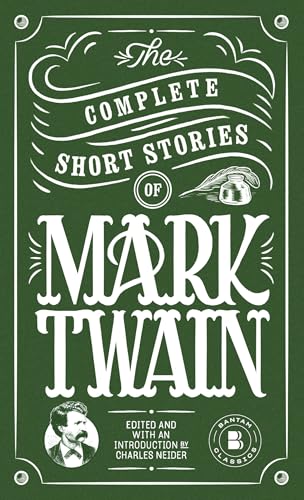
- All 60 stories in one volume
- Moves from comedy to sharp satire
- 848-page revised Bantam Classics edition
Best For: Readers wanting a comprehensive Mark Twain collection
Best International Sampler
Great Short Stories of the Masters

- 49 stories from multiple regions
- Includes major and lesser-known writers
- 576-page revised edition
Best For: Readers seeking wide literary and cultural variety
Best Thematic Kindle Anthology

- 100 stories in ten themed sections
- Includes mystery, horror, humor, and love
- Clean Kindle navigation and formatting
Best For: Readers who browse classics by theme or mood
Broad Literary Survey – Fifty Great Short Stories
For readers seeking classic short story collections with broad literary coverage, Fifty Great Short Stories offers a substantial selection spanning Hawthorne, Poe, Maupassant, Joyce, Hemingway, Faulkner, and other notable writers. Its 592 pages make it a strong choice for extended exploration of influential short fiction.
Best For: Readers who want a varied, author-rich introduction to enduring short-story masterpieces.
Pros:
- Includes writers from multiple periods and literary traditions.
- Offers considerable variety in style and subject.
- Provides 50 stories in a compact Bantam Classics edition.
Cons:
- The wide-ranging selection may feel less focused than a single-author collection.
- The 1983 reissue edition may appeal less to readers seeking a newer presentation.
Choose this collection if breadth matters most. It is especially practical for building a foundational library of classic short fiction in one volume.
Twist-Ending Favorite – 100 Selected Stories
Among classic short story collections, O. Henry’s 100 Selected Stories stands out for its accessible humor, lively style, and famously surprising endings. The 768-page Wordsworth Classics volume presents a broad panorama of social life, from New York streets to the Texas prairies.
Best For: Readers who enjoy witty storytelling, colorful characters, and clever plot reversals.
Pros:
- Contains 100 stories for extensive reading value.
- Features O. Henry’s recognizable twist endings and irony.
- Explores varied social settings and characters.
Cons:
- Its focus is limited to one author and his distinctive style.
- The large page count may be more than casual readers need.
This is a strong pick when entertainment and plot mechanics are priorities. It offers a deep, consistent look at O. Henry’s humor, humanity, and inventive construction.
American Classics Sampler – Great American Short Stories
This Dover anthology is a focused option for readers comparing classic short story collections rooted in American literature. Its 19 selections span the 1830s through 1927 and include works by Hawthorne, Poe, Melville, Twain, Cather, Fitzgerald, London, and Hemingway.
Best For: Students, classroom use, and readers seeking a concise introduction to the American short-story tradition.
Pros:
- Covers roughly a century of American short fiction.
- Includes many widely taught and recognized stories.
- Its 256-page length is approachable for focused study.
Cons:
- Contains 19 selections, fewer than the larger anthologies here.
- Its scope centers on American writers rather than global fiction.
Select this volume when a compact, classroom-friendly American survey is more useful than maximum breadth. The chronological range gives readers a clear route through major literary voices.
Collectable Global Anthology – 50 World’s Greatest Short Stories
50 World’s Greatest Short Stories : Collectable Edition (Fingerprint! Classics)
Check Price On AmazonFor readers who want classic short story collections in a giftable format, 50 World’s Greatest Short Stories combines an international selection with a collectable Fingerprint Classics design. The anthology includes writers such as Chekhov, Poe, O. Henry, and Maupassant across mystery, romance, drama, suspense, satire, and tragedy.
Best For: Literature enthusiasts, gift-givers, and readers wanting varied short fiction in a bookshelf-friendly edition.
Pros:
- Draws from multiple eras, cultures, genres, and traditions.
- Includes several widely recognized literary writers.
- Collectable edition presentation suits gifting and display.
Cons:
- The supplied description does not identify every story or author.
- Its broad genre mix may feel less specialized for focused study.
This anthology is the best fit when presentation and international variety matter together. It offers a substantial 612-page reading experience while remaining positioned as a collectable edition.
Editor’s Classic – Short Story Masterpieces
For readers seeking classic short story collections with a focused literary scope, Short Story Masterpieces surveys 35 American and British stories from the first half of the twentieth century. Its selections span influential writers including Faulkner, Hemingway, Joyce, Welty, Crane, and Lawrence, making it a practical choice for study or concentrated reading.
Best For: Students, teachers, and readers who want a curated introduction to major twentieth-century American and British short fiction.
Pros:
- Includes 35 enduring stories selected by Robert Penn Warren and Albert Erskine.
- Features widely taught works such as “Barn Burning,” “Soldier’s Home,” and “The Open Window.”
- Provides a substantial 528-page survey in a compact paperback format.
Cons:
- Its scope is limited primarily to American and British writers from the first half of the twentieth century.
- Readers seeking contemporary or globally broad selections may need another anthology.
This is a strong pick when you prefer depth and editorial focus over sheer quantity. It works especially well as a classroom companion or a dependable foundation for exploring twentieth-century short fiction.
Global Classics Pick – The Penguin Book of Japanese Short Stories
Among classic short story collections, The Penguin Book of Japanese Short Stories stands out for its wide historical and stylistic range. Edited by Jay Rubin and introduced by Haruki Murakami, it brings together established and lesser-known Japanese writers, with some stories appearing in English for the first time.
Best For: Readers who want an expansive introduction to Japanese short fiction, from nineteenth-century origins through contemporary voices.
Pros:
- Covers Japanese short stories from the nineteenth century to writers working today.
- Includes authors such as Tanizaki, Akutagawa, Murakami, Mishima, Kawabata, and Yoshimoto.
- Offers varied moods and styles, including fear, comedy, beauty, and charm.
- Features an introduction by Haruki Murakami and translations by Jay Rubin.
Cons:
- Its 576-page length may feel substantial for casual readers.
- Readers looking only for familiar authors may find the lesser-known selections unexpected.
This hardcover anthology is a compelling choice for readers ready to move beyond a narrowly Western canon. Its combination of literary history, fresh translations, and varied voices makes it especially suitable for immersive reading.
Best Value Anthology – 100 Great Short Stories
100 Great Short Stories is a practical option for readers comparing classic short story collections by breadth and historical coverage. Arranged chronologically, this Dover anthology traces the form from Daniel Defoe and Benjamin Franklin through writers such as Poe, Chekhov, Joyce, Kafka, and Woolf.
Best For: Students, teachers, and readers who want a large, chronological survey of short fiction from America and around the world.
Pros:
- Collects 100 stories by writers from multiple countries and literary periods.
- Chronological organization helps readers follow the development of the short story.
- Includes major selections such as “The Devil and Tom Walker,” “Araby,” and “The Mark on the Wall.”
- Provides 768 pages of reading at a substantial anthology size.
Cons:
- The large number of selections can make the collection feel less focused than a specialized anthology.
- Its chronological arrangement may be less convenient for readers seeking stories grouped by theme.
Choose this volume when variety and literary history matter most. It is particularly useful as a reference-style anthology for sampling authors, comparing periods, or assigning individual stories.
Best American Voice – Mark Twain Complete Stories
For readers seeking classic short story collections rooted in American humor and satire, this revised Bantam Classics volume offers all 60 of Mark Twain’s stories. Its 848 pages trace his range from frontier comedy to sharper examinations of human nature.
Best For: Readers who want a single-volume overview of Mark Twain’s short fiction, including both comic yarns and later satire.
Pros:
- Includes all 60 stories in the collection.
- Spans Twain’s early broad comedy through his later, more biting satire.
- Features recognizable works such as “The Celebrated Jumping Frog of Calaveras County” and “The Man That Corrupted Hadleyburg.”
Cons:
- Its single-author focus is less suitable for readers seeking international variety.
- The 848-page volume may be more than casual readers want.
This is a strong pick when depth and an unmistakably American literary voice matter more than variety across authors. Choose it for a comprehensive Twain shelf addition rather than a sampler of world fiction.
Best International Sampler – Great Short Stories of the Masters
Among classic short story collections, Great Short Stories of the Masters stands out for its international scope. The 49-story selection brings together American, European, Russian, and Asian writers, balancing familiar authors with less commonly encountered selections.
Best For: Readers who want broad literary variety and a cross-cultural introduction to major short-story writers.
Pros:
- Includes 49 stories selected for detail, passion, and international range.
- Features writers including Hemingway, Faulkner, Kafka, Tolstoy, Dostoyevsky, Chekhov, and Tagore.
- Also introduces lesser-known authors such as Bunin, Lagerlöf, Nexo, and Svevo.
Cons:
- The broad author list may feel less cohesive than a single-author collection.
- Readers seeking only the most familiar stories may find some selections less recognizable.
Its strongest advantage is range: this revised 576-page edition works well as a guided tour through several national traditions. It is a practical choice for readers who value discovery alongside canonical names.
Best Thematic Kindle Anthology – 100 Classic Masterpieces
This Kindle anthology organizes 100 classic short stories by reading mood and theme rather than author or period. The ten sections range from characters and animals to mystery, horror, surreal fiction, humor, love, and seasonal tales, making it easy to browse within a preferred style.
Best For: Kindle readers who want a large, navigable mix of classic stories arranged for flexible thematic reading.
Pros:
- Offers 100 stories across ten clearly defined thematic sections.
- Includes writers such as Chekhov, Tolstoy, Poe, Joyce, Melville, Doyle, and Wharton.
- Promises a clean contents page, easy navigation, and formatting for Kindle models.
Cons:
- The supplied description does not provide the complete contents list.
- Its thematic arrangement may be less useful for readers studying authors chronologically.
This is the most browse-friendly option of the three, especially for readers who choose stories by mood. Its digital format and thematic structure make it convenient for dipping into classic fiction without committing to one author or literary tradition.
How We Picked These Classic Short Story Collections
We focused on collections that offer strong literary value, useful variety, and a clear reason to belong in a reader’s library. The selections cover American, British, Japanese, and wider international fiction, while including both broad anthologies and author-focused volumes. We also considered story count, representation of influential writers, accessibility for newer readers, and whether each book suits browsing, study, gifting, or sustained reading.
Because editions can vary, check the current contents, translation information, introduction, notes, and formatting before buying. A large page count does not automatically mean better coverage, especially if you prefer a carefully curated selection.
Quick Comparison
- Best broad introduction: Choose a multi-author anthology with recognizable writers and varied genres.
- Best value for maximum variety: Look for a 100-story collection or a substantial complete anthology.
- Best American focus: Select a volume centered on major U.S. writers and literary periods.
- Best international perspective: A collection organized around world literature or Japanese fiction provides broader cultural context.
- Best single-author option: Mark Twain’s complete stories offer depth rather than range across many writers.
Key Buying Factors for Classic Short Story Collections
Scope and Story Count
Collections of 35 to 50 stories are usually easier to finish and often feel more curated. Volumes with 100 or more selections provide greater breadth, but they may be heavier and less consistent in tone.
Authors and Literary Coverage
Check whether the contents match your interests. Some books emphasize canonical American writers, while others balance famous authors with less familiar voices. If you are studying a period or movement, prioritize chronological or thematic organization.
Translation and Editorial Quality
For translated fiction, identify the translator and publication edition when possible. Introductions, author notes, and contextual essays can substantially improve a collection’s usefulness for students and first-time readers.
Format and Usability
Paperback anthologies are generally affordable and portable, while larger editions may be better for a permanent shelf. Review the table of contents, print size, binding, and whether the book uses readable spacing before purchasing.
Who Should Buy Which Classic Short Story Collections?
New readers should start with a balanced anthology containing familiar names and varied styles. Students and book-club members may prefer collections with substantial coverage, introductions, or clearly organized selections. Readers focused on U.S. literature should choose an American-centered volume, while those seeking a different cultural lens may find a Japanese or international anthology more rewarding.
Collectors should look for attractive editions and durable bindings, especially when the book is intended for repeated reference. Dedicated fans of one writer will get more from a complete author collection such as Mark Twain’s than from another general anthology. Ultimately, the best Classic Short Story Collections are the ones whose scope, length, and editorial approach fit how you actually read.