Illustrated mythology books blend striking visuals with timeless stories, making them ideal for readers who want both inspiration and substance.
Whether you’re shopping for a gift, a family shelf, or a personal reference title, the best editions balance artwork, readability, and depth.
Best 10 Illustrated Mythology Books Picks for 2026
Collector’s Classic
Mythology (75th Anniversary Illustrated Edition)

- Deluxe hardcover with commissioned full-color art
- Covers Greek, Roman, and Norse mythology
- Includes illustrated lineages and gold-bordered pages
Best For: Collectors and readers who want the classic Edith Hamilton edition in a giftable illustrated format
Global Reference
Myths and Legends Illustrated Guide

- Over 1,000 illustrations throughout
- Explains origins, meanings, and context
- Covers myths and legends from around the world
Best For: Anyone who wants a visually rich overview of world mythology and legendary traditions
Mythic Encyclopedia

- More than 700 mythological entries
- Cross-references make navigation easy
- Illustrated companion to Edith Hamilton’s Mythology
Best For: Students and classic-myth fans who need a detailed illustrated reference book
Modern Collectible
Mythos: The Illustrated Edition
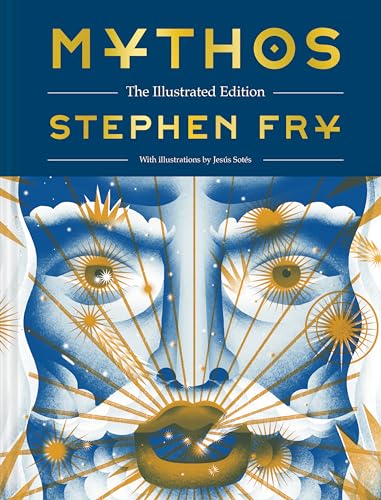
- Original illustrations and deluxe presentation
- Stephen Fry’s witty Greek myth retelling
- Textured case with dyed page edge
Best For: Fans of Stephen Fry and collectors wanting a premium illustrated Greek myth edition
Greek Mythology Showcase

- Lyrical retellings with award-winning illustrations
- Sidebars tie myths to history, geography, and culture
- Family tree and cast list help young readers keep track
Best For: Families and classrooms seeking a vivid Greek mythology introduction
World Myth Survey

- Themed collection of myths from around the world
- Lavishly illustrated with historical context
- Simple introductory format for younger readers
Best For: Readers seeking a broad, visual overview of global myths
Norse Myth Retelling
Norse Mythology: The Illustrated Edition

- Illustrated edition of Gaiman’s bestseller
- Full-color art by Levi Pinfold throughout
- Retells Norse myths in a cohesive, novel-like arc
Best For: Teens and adults who want a narrative Norse mythology retelling
Premium World Reference
Illustrated Encyclopedia of Mythology of the World

- 800-page A–Z reference on world myths and legends
- Over 1,500 artworks and illustrations
- Large-format volume with themed illustrated features
Best For: A deep, highly illustrated world-mythology reference
Classic European Myth Guide
The Illustrated A-Z Of Classic Mythology

- A–Z visual dictionary with 1000 entries
- More than 600 fine-art images
- Covers Greek, Roman, Norse, and Celtic myths
Best For: A visual dictionary for classical and European mythologies
Concise World Myth Encyclopedia
The Illustrated Encyclopedia of World Mythology

- 512-page illustrated encyclopedia
- A–Z reference to mythical figures
- More manageable than oversized reference editions
Best For: A substantial mythology encyclopedia in a more compact format
Collector’s Classic – Mythology (75th Anniversary Illustrated Edition)
Mythology (75th Anniversary Illustrated Edition): Timeless Tales of Gods and Heroes
Check Price On AmazonIf you want illustrated mythology books with a classic, reference-friendly approach, this 75th Anniversary Edition of Edith Hamilton’s Mythology is a strong pick. It covers Greek, Roman, and Norse tales in a deluxe hardcover format with specially commissioned full-color plates, lineages, and gold-bordered pages that make it feel both readable and display-worthy.
Best For: Readers who want a beautiful, collectible edition of a foundational mythology classic.
Pros:
- Deluxe hardcover with specially commissioned artwork throughout
- Covers Greek, Roman, and Norse mythology in one volume
- Includes illustrated lineages for added context
- Established bestseller with long-standing appeal
Cons:
- Focused on classic myth traditions rather than a broad world survey
- Larger, heavier format may not suit casual portability
This edition stands out for readers who value a proven text paired with presentation-quality illustration. It is especially appealing if you want a book that works as both a myth reference and a collectible gift.
Global Reference – Myths and Legends Illustrated Guide
Myths and Legends: An Illustrated Guide to Their Origins and Meanings (DK Compact Culture Guides)
Check Price On AmazonFor shoppers comparing illustrated mythology books, this DK guide is a practical choice if you want breadth and visual detail. With more than 1,000 illustrations, it explores myths and legends from around the world, explaining origins, meanings, and cultural context in a way that works well for browsing or quick lookup.
Best For: Readers who want a wide-ranging visual guide to world myths and legends.
Pros:
- Over 1,000 illustrations for a highly visual reading experience
- Covers myths and legends from many cultures worldwide
- Explains origins and meanings with helpful context
- Includes well-known stories and lesser-known traditions
Cons:
- More of a guide than a narrative retelling
- May feel broad if you only want one mythology tradition
This is a strong pick if you want an illustrated mythology book that connects stories to their cultural roots. It suits readers who enjoy encyclopedic browsing as much as storytelling.
Mythic Encyclopedia – Classical Mythology A to Z
If you need illustrated mythology books that function as a reference tool, this A-to-Z volume is built for lookup and cross-referencing. It covers more than 700 gods, heroes, monsters, spirits, and places from Greek and Roman mythology, with clear entries and artwork throughout, making it especially useful alongside Edith Hamilton’s illustrated Mythology.
Best For: Readers who want a detailed illustrated reference for Greek and Roman mythology.
Pros:
- More than 700 entries covering characters, creatures, and places
- Includes cross-references for easier myth navigation
- Illustrated throughout with full-color plates and two-color art
- Designed as a companion to Edith Hamilton’s illustrated edition
Cons:
- Reference style is less immersive than a retelling
- Focused on classical mythology rather than global traditions
This book is best when you want fast, organized access to classical myth details. It works well for students, enthusiasts, or anyone who wants a companion volume for deeper reading.
Modern Collectible – Mythos: The Illustrated Edition
Among illustrated mythology books, Stephen Fry’s Mythos: The Illustrated Edition stands out for readers who want a lively retelling with modern presentation. This deluxe volume features original illustrations, a textured case, and dyed page edges while guiding you through Greek myths with Fry’s characteristic wit, humor, and clear storytelling.
Best For: Fans of Stephen Fry and readers who want a deluxe illustrated Greek mythology retelling.
Pros:
- Deluxe collectible edition with original illustrations throughout
- Retells Greek myths with wit, humor, and pathos
- Textured case and dyed page edge add gift appeal
- Longer print length offers an expansive reading experience
Cons:
- Focused on Greek mythology rather than multiple traditions
- Best appreciated if you enjoy Fry’s narrative style
This edition is a strong choice if you want mythology with personality as well as polish. It combines the appeal of a modern retelling with the presentation quality collectors expect.
Greek Mythology Showcase – Treasury of Greek Mythology
If you want illustrated mythology books that feel both educational and gift-worthy, this Treasury of Greek Mythology is a strong pick. It pairs lyrical storytelling with full-color artwork, then adds helpful sidebars, a family tree, a cast-of-characters page, and back matter that connects the myths to real places, people, and concepts.
Best For: Families, classrooms, and young readers who want a visually rich introduction to Greek myths.
Pros:
- Stunning artwork from award-winning illustrator Christina Balit
- Sidebars connect gods, heroes, and monsters to constellations, geography, history, and culture
- Includes family tree and cast-of-characters pages for easier follow-along
- Recognized with multiple awards and notable book lists
Cons:
- Focused specifically on Greek mythology, not a broad world-myth collection
- Best suited to younger readers, so older teens may want more advanced retellings
This is a polished, approachable choice if you want a Greek mythology volume that balances story, art, and reference features. It works well as both a read-aloud book and a shelf-worthy keepsake.
World Myth Survey – Illustrated Book of Myths
For shoppers comparing illustrated mythology books, this world-spanning anthology is a straightforward option. It groups popular myths under broad themes like Creation, Gods and Men, and The Afterlife, while adding essential historical information to support the stories.
Best For: Readers who want a broad, illustrated overview of myths from around the world.
Pros:
- Lavish illustrations throughout the collection
- Covers myths from multiple cultures in themed sections
- Includes essential historical information alongside the stories
- Accessible for younger readers, with a stated reading age of 3 and up
Cons:
- Older publication, so the presentation may feel less modern than newer editions
- Broad survey format means less depth on any one mythology
This book makes sense if you want a simple, well-organized myth collection with visual appeal rather than a single-culture deep dive. It is especially useful as an introductory reference for home or classroom shelves.
Norse Myth Retelling – Norse Mythology: The Illustrated Edition
If you want illustrated mythology books with a more literary, contemporary feel, this edition of Norse Mythology stands out. Neil Gaiman retells the Norse myths in an epic arc from the origins of the nine worlds to Ragnarok, and Levi Pinfold’s full-color illustrations add dramatic visual energy throughout.
Best For: Readers who want a vivid, illustrated retelling of Norse myths with a more novel-like style.
Pros:
- Expanded illustrated edition of a #1 New York Times bestseller
- Full-color artwork brings Odin, Thor, Loki, and other figures to life
- Retells the myths in a cohesive, novelistic arc
- Includes spectacular illustrations throughout the book
Cons:
- Dedicated to Norse mythology only, not a general myth anthology
- More text-driven than a picture-heavy children’s reference book
This is the best fit if you want a polished, story-first mythology book that still delivers strong visual appeal. It leans older and more narrative than many illustrated myth collections, which makes it a good pick for teens and adults.
Premium World Reference – Illustrated Encyclopedia of Mythology of the World
If you want illustrated mythology books that function as a serious reference shelf, this 800-page encyclopedia is built for depth. It covers myths and legends from the ancient Greeks to the Aztecs, with more than 1,500 artworks and illustrations to support the A–Z entries and thematic features.
Best For: Readers who want a large-format, comprehensive world-mythology reference with rich visual coverage.
Pros:
- 800 pages of A–Z coverage across world mythologies
- More than 1,500 photographs and works of art
- Special illustrated features on major themes like Creation, Death, and Oracles
- Broad scope includes cultures from Oceania to North America
Cons:
- Large and heavy at 7 pounds
- Best suited to reference use rather than casual reading
This is the most expansive option in the group, especially if you value a wide mythological scope and a highly illustrated format. It is a strong pick for home libraries, classrooms, or anyone who wants a single, all-in-one guide to world mythology.
Classic European Myth Guide – The Illustrated A-Z Of Classic Mythology
This is a practical choice if you want illustrated mythology books focused on the Greek, Roman, Norse, and Celtic traditions. The A–Z structure makes it easy to look up names, symbols, stories, and places, while the 600-plus fine-art images add strong visual support.
Best For: Readers who want a visual dictionary for the major mythologies of Europe.
Pros:
- 1000 entries organized in an easy A–Z format
- More than 600 fine-art images
- Covers Classical, Celtic, and Norse mythology and legend
- Includes special spreads on recurring themes such as Heroes, Magic, and Voyages
Cons:
- Focuses on Europe rather than global mythology
- Shorter than the larger encyclopedia-style alternatives
For shoppers who want a focused, illustrated reference on the mythic traditions most commonly studied in the West, this title is easy to use and visually rich. It balances breadth and clarity well for browsing or quick lookups.
Concise World Myth Encyclopedia – The Illustrated Encyclopedia of World Mythology
If you want illustrated mythology books in a more compact format, this encyclopedia offers a broad overview of the ancient world’s myths and legends. At 512 pages, it gives you a substantial reference guide without the larger footprint of the biggest oversized editions.
Best For: Readers who want a substantial but more manageable mythology encyclopedia.
Pros:
- 512-page illustrated encyclopedia format
- Authoritative A–Z coverage of mythical figures
- Broader world-mythology framing than a single-culture guide
Cons:
- Supplied details list fewer specifics on image count and thematic spreads
- Less expansive than the larger 800-page encyclopedia option
This edition is a sensible middle-ground pick if you want a reference book that sounds comprehensive but is less massive than the largest volume here. It should suit general readers who prefer a straightforward encyclopedia format.
How We Picked the Best Illustrated Mythology Books
We focused on Illustrated Mythology Books that offer a strong mix of visual appeal, trustworthy content, and broad reader usefulness. Priority went to editions with clear organization, durable presentation, and a scope that matches different reading goals, from casual browsing to deeper study.
Quick Comparison
Some books in this roundup are story collections, best for readers who want narrative flow and memorable retellings. Others are encyclopedic or A-to-Z references, which work better for quick lookup and topic hopping. A few lean toward specific traditions such as Greek, Norse, or classical mythology, while others survey myths from across the world.
Key Buying Factors for Illustrated Mythology Books
First, consider the scope. A general world-mythology title offers variety, while a focused Greek or Norse volume usually delivers more detail on a narrower subject. If you want a readable gift book, choose one that emphasizes presentation and accessible storytelling. If you want a study aid or shelf reference, look for entries, cross-references, indexes, and alphabetical structure.
Illustration style matters too. Some readers prefer lush paintings and dramatic scenes; others want maps, diagrams, timelines, and labeled art that supports learning. Page count and trim size also affect value: larger formats often showcase artwork better, while compact editions are easier to store or carry.
Check the tone and audience fit. Some Illustrated Mythology Books are written for teens or general readers, while others assume more background knowledge. If the book is for a child, prioritize clarity, visual engagement, and age-appropriate language. If it is for a collector, pay attention to binding quality, paper stock, and whether the edition feels substantial on the shelf.
Who Should Buy Which Illustrated Mythology Books?
Buy a story-led treasury if you want a beautiful bedside or coffee-table read. Choose an encyclopedia or A-to-Z guide if you want fast reference and broad mythological coverage. Pick a region-specific title if your interest is Greek, Roman, Norse, or Celtic traditions. And if you’re shopping for a gift, the safest choice is usually one of the most visually polished Illustrated Mythology Books with a clear, inviting layout.