Starting out in hunting can feel overwhelming, especially when you’re trying to learn safety, gear, terminology, and field skills at the same time.
This roundup of hunting books for beginners focuses on clear, practical guides that help new hunters build confidence before their first season.
Best 10 Hunting Books for Beginners Picks for 2026
Beginner Field Basics
The Complete Beginner's Guide To Hunting

- Covers laws, gear, safety, and ethics
- Explains game ID, habitat, and tracking
- Written for readers with no prior experience
Best For: New hunters who want a broad, practical foundation
Daily Tips & Inspiration
365 Things Every Hunter Should Know

- 365 short tips, ideas, and inspirations
- Covers safety for attire, tools, and weapons
- Easy to read in small sections
Best For: Beginners who prefer bite-sized advice and motivation
Big-Game Start
How to Hunt: A Total Beginner's Guide to Hunting Big Game

- Built for readers starting from zero
- Covers deer, elk, and bear hunting basics
- Includes rifle, bow, and shotgun guidance
Best For: New hunters who want a big-game-specific beginner guide
Whitetail Skills Manual
The Total Deer Hunter Manual (Field & Stream)

- Focused on deer hunting and whitetail strategy
- Covers 301 practical skills and tips
- Includes year-round planning and field dressing
Best For: Beginners who want a deer-hunting reference they can keep using
Classic Outdoor Reading

- Short historical hunting collection
- Focuses on western wilderness and big game
- More about observation than step-by-step instruction
Best For: Beginners who want a brief, classic hunting read with historical flavor
Simple Whitetail Basics
The Simplest Guide to Whitetail Deer Hunting

- Step-by-step whitetail hunting focus
- Emphasizes tracking, scouting, and stand setup
- Aimed at beginners who want minimal gear
Best For: New whitetail hunters wanting a straightforward, practical guide
Backcountry Starter Guide
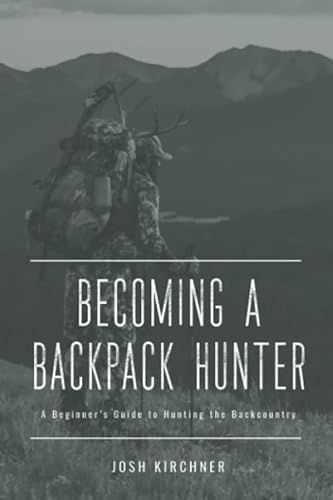
- Beginner guide to backpack hunting
- Aims to simplify the backcountry learning curve
- Helpful for readers moving from city to field
Best For: Beginners interested in backpack hunting and backcountry prep
Elk Hunting Basics

- Practical introduction to elk behavior and terrain
- Focuses on scouting, planning, and adapting
- Built for first-time elk hunters
Best For: First-time elk hunters seeking a realistic, strategy-focused starting point
Kid-Friendly Deer Guide

- Covers whitetail and mule deer basics
- Over 50 full-color pictures for easier learning
- Includes gear, safety, and conservation topics
Best For: Kids ages 8–12 and new hunters who want a simple deer-hunting starter guide
Safe Outdoor Skills
The Complete Hunting Handbook for Kids
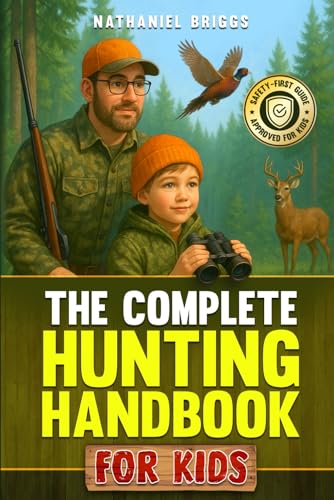
- Safety-first introduction to hunting basics
- Teaches tracking, navigation, and wind reading
- Includes survival and wildlife ethics lessons
Best For: Kids ages 8–14 learning core outdoor and hunting fundamentals safely
Beginner Field Basics – The Complete Beginner's Guide To Hunting
If you’re looking for hunting books for beginners, this guide is built to give you a practical start. It covers the fundamentals new hunters need most: laws and regulations, gear and clothing basics, game identification, animal signs, habitats, safe firearm handling, ethical practices, tracking, and shot placement. The tone is clear and step-by-step, which makes it a strong choice if you want a broad foundation before heading into the field.
Best For: New hunters who want a straightforward introduction to safety, gear, and core field skills.
Pros:
- Covers hunting laws, regulations, and preparation basics
- Explains gear, clothing, game ID, and habitat fundamentals
- Includes safety, ethics, tracking, and shot placement guidance
- Designed for readers with no prior hunting experience
Cons:
- Broad beginner overview, so it may not go deep on one hunting style
- Best suited to foundational learning rather than advanced field strategy
This is a solid all-around starting point if you want a practical, beginner-friendly overview of hunting. It focuses on the essentials that help new hunters build confidence and avoid common mistakes.
Daily Tips & Inspiration – 365 Things Every Hunter Should Know
For shoppers comparing hunting books for beginners, this one offers a simple mix of tips, reminders, and encouragement. It includes 365 ideas spanning safety for attire, tools, and weapon use, along with practical inspiration and bits of wisdom from hunters and nature lovers. Because it’s short and easy to dip into, it works well as a low-pressure companion for learning the mindset and habits of hunting.
Best For: Beginners who want bite-sized hunting advice and encouragement in an easy-to-read format.
Pros:
- Offers 365 hunting ideas, tips, and inspirations
- Covers safety basics for attire, tools, and weapon usage
- Includes wisdom, jokes, and quips from outdoors enthusiasts
- Compact format makes it easy to read in small sections
Cons:
- More inspirational and tip-based than step-by-step instructional
- Not focused on one specific game species or hunting method
If you want something approachable rather than technical, this book is a good fit. It’s especially useful for staying motivated while picking up useful hunting ideas along the way.
Big-Game Start – How to Hunt: A Total Beginner's Guide to Hunting Big Game
If your search for hunting books for beginners is focused on big game, this guide aims to take you from zero experience to the field. It answers common beginner questions about getting started, finding animals, and turning a hunt into meat for the table. The book says it covers rifle, bow, and shotgun basics while walking readers through the steps needed to gear up and begin chasing deer, elk, or bear.
Best For: Total beginners who want an accessible introduction specifically to big-game hunting.
Pros:
- Written specifically for total beginners with no hunting background
- Covers big-game hunting basics for deer, elk, and bear
- Includes guidance for rifle, bow, and shotgun use
- Walks readers through the process from start to first harvest
Cons:
- Focused on big game rather than general hunting topics
- Less suited to readers looking for a broad all-species overview
This is a strong pick if your goal is big-game hunting and you want a book that starts at square one. It keeps the scope focused and practical for readers who need a clear path into the sport.
Whitetail Skills Manual – The Total Deer Hunter Manual (Field & Stream)
Among hunting books for beginners who want to focus on deer, this manual offers a dense collection of field-tested advice. It covers shooting improvement, year-round planning, deer behavior, rut strategy, field dressing, and anatomy, with tips spanning bow, rifle, shotgun, and muzzleloader hunting. The rugged flexicover and practical layout make it a useful reference for both home prep and time in the woods.
Best For: Hunters who want a deer-focused manual with practical, advanced-feeling guidance they can grow into.
Pros:
- Packed with 301 deer-hunting skills and tips
- Covers bow, rifle, shotgun, and muzzleloader approaches
- Includes year-round planning, tracking, and field dressing guidance
- Durable flexicover is designed for heavy-duty indoor and outdoor use
Cons:
- Most useful for deer hunting rather than general hunting
- May feel more detailed than a true first-book primer for some beginners
If deer hunting is your main goal, this manual provides a lot of practical material in one place. It’s especially appealing to beginners who want a book they can keep using as their skills improve.
Classic Outdoor Reading – Good Hunting
If you’re looking for hunting books for beginners that also double as a window into outdoor history, Good Hunting: In Pursuit of Big Game in the West is a compact classic. These turn-of-the-century articles by Theodore Roosevelt focus on western wilderness, big game, and firsthand observations of the land, making it a strong fit for readers who want context, atmosphere, and a sense of the old-school hunting mindset.
Best For: Beginners who want a short, historical hunting read with an outdoor and big-game focus.
Pros:
- Short 116-page format is easy to work through.
- Offers firsthand writing on elk, wolves, bucks, and western wilderness.
- Includes classic hunting articles and memorable outdoor anecdotes.
- Useful if you enjoy the history and culture around hunting, not just technique.
Cons:
- Not a modern step-by-step beginner manual.
- Focuses more on observation and history than practical instruction.
- Some readers may want more current hunting guidance and gear advice.
For beginners who want a readable introduction to hunting literature and the outdoors, this book works best as an inspirational companion rather than a how-to guide. Its value is in the perspective it gives on wilderness, wildlife, and a celebrated sportsman’s view of the West.
Simple Whitetail Basics – The Simplest Guide to Whitetail Deer Hunting
Among hunting books for beginners, this title stands out for its straightforward approach to whitetail hunting. It emphasizes deer behavior, basic tracking, scouting, blind and stand setup, and ethical shot placement, all while steering readers away from overcomplicated gear and guesswork.
Best For: New whitetail hunters who want a simplified, practical roadmap with minimal gear emphasis.
Pros:
- Built around a clear 7-step system for reading whitetail movement.
- Focuses on practical skills like tracking, scouting, and stand placement.
- Includes ethical shot placement guidance for clean harvests.
- Helpful for readers who want confidence without a gear-heavy approach.
Cons:
- Centered on whitetail deer hunting, so it’s not a broad all-game guide.
- Published independently, which may matter to some buyers looking for established imprints.
- Some of the promise is broad, so readers may want to pair it with field experience.
If your goal is to start whitetail hunting with a simple, low-friction plan, this is the most beginner-friendly option in the group. It’s especially appealing for hunters who want to focus on fundamentals instead of expensive equipment.
Backcountry Starter Guide – Becoming a Backpack Hunter
Becoming a Backpack Hunter: A Beginner's Guide to Hunting the Backcountry (Becoming a Hunter)
Check Price On AmazonIf you’re browsing hunting books for beginners with an eye toward the backcountry, this guide is designed to bridge the gap between curiosity and action. It was written to answer common questions and condense the backpack-hunting learning curve, making it a useful starting point for readers who want to move from city life into a more adventurous hunting setup.
Best For: Beginners who want an intro to backpack hunting and the basics of getting into the backcountry.
Pros:
- Specifically framed as a beginner’s guide to backcountry hunting.
- Created to answer questions and make the process less overwhelming.
- Focuses on bridging the gap between wanting to hunt and actually getting started.
- Compact 195-page format keeps the topic approachable.
Cons:
- Very specialized toward backpack hunting rather than general hunting basics.
- Doesn’t promise a full substitute for field experience.
- Independently published, which may not appeal to every buyer.
This is a strong pick if your beginner path points toward remote hunts and you want an accessible entry into the backcountry side of hunting. It’s less about broad hunting fundamentals and more about making one specific, challenging style feel manageable.
Elk Hunting Basics – Elk Hunting for Beginners
If you’re looking for hunting books for beginners that focus on real-world preparation, this elk hunting guide is a practical place to start. It emphasizes how elk use wind, terrain, distance, and pressure, and it walks new hunters through the planning and scouting mindset needed to make better decisions in the mountains.
Best For: First-time elk hunters and early-stage hunters who want a clear, realistic introduction to elk hunting strategy and mountain decision-making.
Pros:
- Explains elk behavior in plain, beginner-friendly terms.
- Focuses on planning, scouting, and adapting when hunts don’t go as expected.
- Centers on mindset and preparation rather than hype or shortcuts.
- Helps readers understand the terrain and pressures that affect success.
Cons:
- It is not a quick-fix or highlight-reel style book.
- Best suited to elk-specific learning rather than general hunting coverage.
- At 110 pages, it stays focused instead of covering every possible elk-hunting topic.
Overall, this is a solid beginner elk hunting book for readers who want to think more clearly before they hunt. It’s built around realistic expectations and practical decision-making, which makes it especially useful for hunters who want a steady foundation before heading into the mountains.
Kid-Friendly Deer Guide – Deer Hunting for Kids
Deer Hunting for Kids: A Beginner’s Guide to Hunting Whitetail and Mule Deer (Outdoor Kids)
Check Price On AmazonAmong hunting books for beginners, this deer guide stands out for younger readers and families introducing hunting step by step. It answers common starter questions about whitetail and mule deer, what to pack, what the rut is, and how to approach a first hunt with planning and preparation.
Best For: Kids ages 8–12 and beginning hunters of any age who want an easy, visual introduction to deer hunting basics.
Pros:
- Uses over 50 full-color pictures to support learning.
- Covers deer identification, gear, scouting, and first-hunt expectations.
- Includes safety, conservation, and hunter certification basics.
- Written for kids and beginner hunters in a friendly, accessible style.
Cons:
- Very short at 38 pages, so it’s more of a starter guide than an in-depth manual.
- Primarily focused on deer hunting rather than general hunting skills.
- Designed for younger readers, so advanced hunters may find it too basic.
This is a good beginner deer hunting book if you want something visual, simple, and age-appropriate. It’s especially useful as a first hunting book for kids because it balances practical advice with approachable explanations and safety-minded content.
Safe Outdoor Skills – The Complete Hunting Handbook for Kids
If you’re comparing hunting books for beginners for a young reader, this handbook leans heavily into safety, outdoor awareness, and foundational field skills. It teaches firearm safety habits, tracking basics, navigation, reading the wind, and ethical hunting values in a kid-friendly format.
Best For: Ages 8–14, especially families who want a safety-first introduction to hunting, tracking, and outdoor responsibility.
Pros:
- Strong emphasis on firearm safety and responsible habits.
- Covers tracking, navigation, stealth walking, and reading the wind.
- Includes survival basics and ethical wildlife principles.
- Designed to be engaging and practical for young beginners.
Cons:
- It is more of a foundational skills book than a field-specific hunting guide.
- Best suited to kids and younger beginners, not adult hunters.
- Readers wanting advanced tactics will need a more specialized follow-up book.
This book is a strong choice when the goal is to build confidence and responsibility before actual field time. Its greatest value is the way it connects hunting basics with outdoor awareness and safe habits that kids can practice early.
How We Picked These Hunting Books for Beginners
We looked for books that are genuinely useful for new hunters: easy to follow, safety minded, and focused on core skills like preparation, tracking, and ethical decision-making. We favored titles that explain the fundamentals clearly rather than assuming prior experience.
Quick Comparison: What Different Beginners Need
Not every new hunter needs the same kind of instruction. Some readers want a broad introduction to hunting basics, while others need a species-specific guide for deer, elk, or big game. A few titles are especially good for younger readers or family learning, and others lean toward backcountry or fieldcraft topics.
Best for All-Around Basics
Choose a general beginner guide if you want safety, gear setup, and core hunting methods in one place.
Best for Species-Specific Learning
If you already know you’ll be hunting deer or elk, a focused book can shorten the learning curve with more relevant tactics.
Best for Younger Hunters
Kids’ hunting books should emphasize safety, outdoor awareness, and responsible habits first.
Key Buying Factors for Hunting Books for Beginners
Look for books that cover firearm safety, legal and ethical hunting practices, basic equipment, scouting, tracking, shot placement, and field dressing at an accessible pace. For Hunting Books for Beginners, the best choice is usually the one that matches both your experience level and your target game.
Also consider whether you want a broad overview or a more specific roadmap. A general manual is ideal for first-timers who need confidence with the basics, while a species-focused title is better once you know what you’ll hunt. If you plan to hunt public land or backcountry terrain, choose a guide that includes navigation, packing, and trip planning.
Who Should Buy Which Hunting Books for Beginners?
New adult hunters: Start with a broad beginner book that covers safety, gear, and field fundamentals.
Deer hunters: Pick a deer-specific guide if whitetail or mule deer is your main goal.
Elk or western hunters: Choose a book that addresses planning, endurance, and mountain or backcountry demands.
Parents and young readers: Look for kid-focused titles that teach responsibility and outdoor skills in simple language.
In short, the best Hunting Books for Beginners are the ones that reduce confusion, reinforce safe habits, and give you a practical path from first read to first hunt.