Choosing the right horse training books can make learning clearer, safer, and far more effective. Whether you are starting a young horse, refining groundwork, or improving communication, the right guide can save time and mistakes.
This roundup focuses on practical, buyer-friendly picks for beginners through experienced handlers, with options for classical horsemanship, behavior, longeing, and modern training science.
Best 10 Horse Training Books Picks for 2026
Comprehensive Training Reference
Storey's Guide to Training Horses

- Covers ground work, driving, and riding
- Step-by-step help for haltering, saddling, and mounting
- Includes both English and Western training basics
Best For: Riders who want an all-in-one horse training reference
Beginner Riding Foundation

- Beginner-friendly and written for youngsters
- Covers safety, pony care, and basic riding
- Includes updated nutrition and veterinary info
Best For: Beginning riders, parents, and instructors
Hands-On Groundwork Drills

- 101 illustrated groundwork exercises
- Covers catching, backing, longeing, and more
- Spiral-bound for easy barn-side reference
Best For: Handlers who want practical groundwork drills
Horse Psychology and Partnership

- Focuses on trust, cooperation, and reliability
- Introduces Protector Leadership and clear communication
- Uses practical examples across disciplines
Best For: Readers who want a relationship-centered training approach
Classical Horsemanship Guide
Complete Training of Horse and Rider

- Step-by-step classical training methods
- Develops horse and rider together
- Focused on core horsemanship foundations
Best For: Riders who want a classical, structured horsemanship foundation
Conditioned-Response Training

- Complete conditioned-response program
- Trusted trainer with clinic experience
- Works across skill levels
Best For: Readers who want a proven, widely used horse training program
Horse Communication and Behavior
From the Horse's Point of View
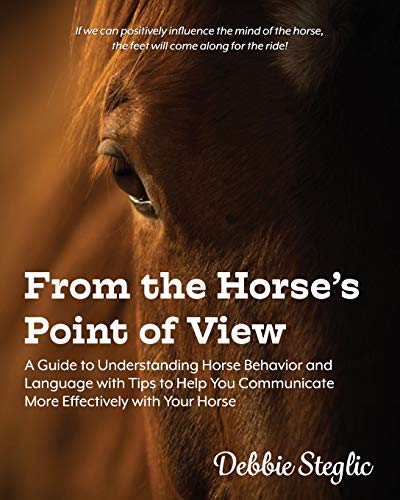
- Focuses on horse behavior and language
- Helps reduce miscommunication
- Covers personalities and learning styles
Best For: Owners who want better communication and partnership
Ground Skills Basics

- Covers leading, manners, and longeing fundamentals
- Focuses on safe handling from the ground
- Helpful for riders, instructors, and horse owners
Best For: Beginners who want a safe introduction to groundwork and longeing
Brain-Based Training

- Uses neuroscience to explain horsemanship
- Focuses on learning, trust, and communication
- Works for riders at any skill level
Best For: Readers who want a science-based look at how horses and humans connect
Behavior Fixes
Ultimate Horse Behavior and Training Book

- A-to-Z guide to common behavior and training issues
- Includes bodywork, ground exercises, and ridden work
- Strong reference for Tellington Method users
Best For: Owners who need a practical reference for behavior problems and training solutions
Comprehensive Training Reference – Storey's Guide to Training Horses
If you want one of the most practical horse training books for building a horse from the ground up, this edition covers a wide range of training situations in a single reference. It walks through ground work, driving, and riding, with step-by-step help for haltering, leading, saddling, mounting, and refining gaits, lightness, and collection.
Best For: Riders and handlers who want a broad, all-in-one training guide for English and Western basics through more advanced development.
Pros:
- Covers ground work, driving, and riding in one book
- Includes step-by-step training procedures for common handling tasks
- Addresses both English- and Western-style riding
- Draws on decades of equestrian experience to handle training challenges
Cons:
- At 448 pages, it is a fairly substantial reference
- More of a complete training manual than a quick-start primer
This is a strong pick if you want a single, detailed training manual you can keep returning to as your horse progresses. The full-color, updated format and broad scope make it especially useful for owners who prefer a one-book reference rather than multiple specialized titles.
Beginner Riding Foundation – USPC Manual of Horsemanship
The United States Pony Club Manual of Horsemanship: Basics for Beginners / D Level
Check Price On AmazonAmong horse training books for new riders, this manual is built around the basics a beginner needs to learn safely and thoughtfully. It is written and illustrated for youngsters, especially Pony Club members, and it covers riding in a ring and in the open, beginning jumping, pony care and handling, safety, and more.
Best For: Beginning riders, parents, and instructors who want a structured introduction to horsemanship basics.
Pros:
- Written for youngsters who want to learn on their own
- Covers riding, pony care, safety, and beginning jumping
- Includes updated information on nutrition and veterinary topics
- Useful even if you are not part of a Pony Club chapter
Cons:
- Focused on basics, so advanced riders may outgrow it quickly
- Some sections are intended to be read with adult help
This is a solid foundation book if you are starting from scratch or helping a young rider build confidence. Its clear beginner focus and updated material make it a practical stable-side guide for early horsemanship.
Hands-On Groundwork Drills – 101 Ground Training Exercises
If your goal is to improve everyday handling, this is one of the most usable horse training books for ground work practice. Cherry Hill presents 101 illustrated exercises covering catching, yielding, turning, sacking out, backing, longeing, long lining, and obstacle work, with clear step-by-step instructions.
Best For: Handlers who want a practical, exercise-based groundwork manual they can use right in the barn.
Pros:
- Includes 101 ground-training exercises
- Step-by-step format is easy to follow during sessions
- Exercises include goals, variations, and common problems
- Spiral-bound format is convenient for barn use
Cons:
- Focused on ground work rather than full riding instruction
- Best suited to readers who like exercise-driven training
This book stands out for hands-on utility and the sheer number of drills it offers. If you want a stable-side reference for building consistency and confidence on the ground, it is a very workable choice.
Horse Psychology and Partnership – What Horses Really Want
What Horses Really Want: Unlocking the Secrets to Trust, Cooperation, and Reliability
Check Price On AmazonFor readers looking beyond mechanics, this horse training book focuses on trust, cooperation, and reliability through behavior-based understanding. Lynn Acton explains Protector Leadership and shows how security, social bonds, rewards, and clear communication can reduce anxiety and improve learning.
Best For: Riders and horse owners who want a relationship-centered approach to training and behavior.
Pros:
- Explains Protector Leadership in practical terms
- Focuses on trust, confidence, and reduced anxiety
- Offers examples that apply across disciplines
- Addresses unwanted behavior without punishment
Cons:
- More theory- and behavior-focused than drill-heavy
- May appeal most to readers open to a relationship-based framework
This is a thoughtful choice if you want training advice that starts with the horse’s perspective. It is especially useful for riders who value long-term reliability, clearer communication, and a calmer partnership.
Classical Horsemanship Guide – Complete Training of Horse and Rider
Complete Training of Horse and Rider: In the Principles of Classical Horsemanship
Check Price On AmazonIf you want horse training books that focus on classical foundations, this guide lays out a practical step-by-step approach to training both horse and rider. It is aimed at developing the horse’s natural abilities while making riding more graceful and pleasurable, which makes it a strong fit for riders who value fundamentals over shortcuts.
Best For: Riders and trainers who want a classical horsemanship foundation with structured, practical instruction.
Pros:
- Explains step-by-step training methods in a practical, instructive way.
- Focuses on developing the natural abilities of both horse and rider.
- Centers on the foundations of good horsemanship.
Cons:
- Originally published in 1967, so the presentation may feel older.
- Best suited to readers specifically interested in classical methods.
This is a solid pick if you want an established training text that emphasizes clear foundations and disciplined horsemanship.
Conditioned-Response Training – Lyons on Horses
Among horse training books, this one stands out for its conditioned-response training program from John Lyons, a trainer trusted by thousands of clinic attendees each year. It’s a practical choice if you want a complete program that speaks to horse and trainer skill levels rather than a narrow specialty.
Best For: Riders looking for a widely used training program from a well-known clinician.
Pros:
- Presents a complete conditioned-response training program.
- Written by a popular and trusted trainer-instructor.
- Built to be useful for horses and trainers of all skill levels.
Cons:
- May feel more program-driven than theory-driven.
- Best fit for readers who want Lyons’s specific approach.
If you want a straightforward training system backed by clinic experience, this book offers a clear and practical framework.
Horse Communication and Behavior – From the Horse's Point of View
If you’re comparing horse training books to improve communication, this title focuses on understanding horse behavior and language so you can reduce miscommunication. It covers horse personalities, learning styles, nonverbal language, and gestures, making it especially useful for riders who want a better partnership rather than just mechanical cues.
Best For: Horse owners who want clearer communication and better day-to-day partnership with their horse.
Pros:
- Explains horse behavior and language in a practical way.
- Addresses miscommunication that can get in the way of progress.
- Includes insight into personalities, learning styles, and nonverbal signals.
Cons:
- More focused on communication than on a formal training system.
- Shorter than some broader training texts at 174 pages.
This book is a good choice if your main goal is to understand your horse better and improve responsiveness through clearer communication.
Ground Skills Basics – USPC Longeing Guide
The USPC Guide to Longeing and Ground Training (The Howell Equestrian Library)
Check Price On AmazonIf you’re comparing horse training books that focus on safe fundamentals, this USPC guide is a practical place to start. It covers leading, ground manners, and the basics of longeing, with an emphasis on doing the work safely and correctly for both horse and handler.
Best For: Horse owners, Pony Clubbers, and instructors who want a clear introduction to ground training and longeing.
Pros:
- Explains safe handling and ground-training principles.
- Covers leading, manners, equipment, and basic longeing techniques.
- Useful for both horse training and rider education.
Cons:
- Only 112 pages, so it is more introductory than exhaustive.
- Focuses on ground work rather than under-saddle training.
This is a solid pick if you want a compact, safety-minded guide to build correct groundwork habits before moving on to more advanced training.
Brain-Based Training – Horse Brain, Human Brain
Among horse training books, this one stands out for linking horsemanship to neuroscience in a clear, practical way. Janet L. Jones explains how horses perceive, learn, and respond, then connects that knowledge to safer, more effective training and better communication.
Best For: Riders who want a science-backed understanding of horse behavior and the horse-human relationship.
Pros:
- Explains equine and human brain differences in accessible language.
- Offers science-backed ideas for learning, focus, and trust.
- Includes real-life stories and practical examples.
- Applies across disciplines and skill levels.
Cons:
- More conceptual than a step-by-step training manual.
- Readers looking for drill-based instruction may want a more hands-on guide.
This is a strong choice if you want training advice rooted in how horses think and learn, not just a list of exercises.
Behavior Fixes – Ultimate Horse Behavior and Training Book
If you’re shopping horse training books for behavior problems and practical fixes, this Linda Tellington-Jones collection is built for exactly that. It combines bodywork, ground exercises, and ridden work, plus an A-to-Z reference for common issues, making it easy to look up concerns and compare possible solutions.
Best For: Horse owners who want a broad reference for behavior issues, training challenges, and Tellington Method exercises.
Pros:
- Covers 72 common behavior, training, and health issues.
- Includes step-by-step Tellington Method material for ground and ridden work.
- Features healing bodywork exercises and a detailed loading case study.
- Useful as both a reference and a training guide.
Cons:
- Best suited to readers interested in the Tellington Method.
- At 356 pages, it is more in-depth than a quick starter guide.
This book makes sense if you want one illustrated resource to consult when behavior issues come up and you need a methodical approach to solving them.
How We Picked These Horse Training Books
We looked for books that offer useful instruction, not just theory. The best Horse Training Books in this list are clear, credible, and specific enough to help readers apply concepts in real handling situations. We also favored titles with a strong reputation among riders, trainers, and horse owners, plus a mix of approaches so different learning styles are covered.
Quick Comparison
If you want step-by-step basics, beginner manuals and groundwork-focused books are the easiest place to start. If you want a deeper understanding of behavior and communication, choose titles centered on trust, language, or equine neuroscience. For riders interested in structure and traditional method, classical horsemanship and conditioned-response systems may be the better fit.
Key Buying Factors for Horse Training Books
Your Current Experience Level
Some books are written for first-time horse owners, while others assume you already know handling basics. Look for clear language, diagrams, and progressive exercises if you are learning foundational skills.
Training Goal
Match the book to the task. Groundwork, riding, longeing, behavior, and problem-solving each require a different emphasis. A general overview may not be enough if you need targeted help with one specific issue.
Training Philosophy
Horse Training Books vary widely in style. Some focus on classical systems, some on reward-based communication, and others on science-backed behavior interpretation. Pick an approach that fits your goals and handling preferences so you can apply it consistently.
Practical Usability
The strongest books give readers exercises, cues, and troubleshooting guidance that can be used in the barn. Clear formatting and realistic examples matter more than dense theory if you want a book you will actually revisit.
Who Should Buy Which Horse Training Books?
Beginners should prioritize basics, safety, and handling fundamentals before moving into advanced problem-solving. Riders working on manners or responsiveness may benefit most from groundwork and communication-focused titles. Owners dealing with behavior challenges should choose books that explain why horses act the way they do, not just how to suppress unwanted behavior. If you prefer a structured learning path, look for books that combine progressive exercises with a consistent training philosophy.
In short, the best Horse Training Books are the ones that match your horse, your experience, and your goals. A focused, practical book often delivers more value than a broad title that tries to cover everything at once.