Choosing the right reference book can make all the difference when you want to identify breeds, compare traits, or build a reliable equine library. The best horse breed encyclopedias combine clear breed profiles, strong visuals, and dependable facts.
In this roundup, we focused on books that help readers learn faster and choose with confidence, whether you want a beginner-friendly visual guide or a more detailed breed-and-care reference.
Best 10 Horse Breed Encyclopedias Picks for 2026
International Breeds Reference

- Nearly 400 alphabetized breed entries
- Covers extinct and living breeds worldwide
- Updated source and association listings
Best For: Readers seeking a thorough international breed reference
Illustrated Horse Overview
- Highly illustrated text-and-image format
- Broad coverage of horses and ponies
- Accessible 384-page reference
Best For: Readers wanting an approachable general horse reference
Expanded Breed Guide
The New Encyclopedia of The Horse

- More than 150 major breeds and ponies
- Includes management, training, and equipment
- Covers feeding, grooming, and behavior
Best For: Horse owners wanting breed coverage plus care guidance
Photo-Heavy Breed Guide
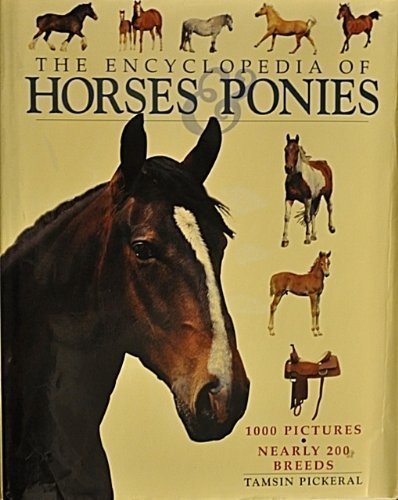
The Encyclopedia of Horses & Ponies

- 1,000 photographs and line drawings
- One-stop guide to the main breeds
- Highly informative text-and-image format
Best For: Readers who want a photo-rich guide to the main breeds
Comprehensive Horse Reference
The Original Horse Bible, 2nd Edition

- 210 breed profiles in alphabetical order
- Includes horse care, training, riding, and breeding topics
- Updated with medications, poisonous plants, and natural horsemanship
Best For: Readers who want a wide-ranging horse reference with breed profiles and care advice
Breed and Care Reference
The Ultimate Encyclopedia of Horse Breeds & Horse Care

- Combines horse breeds with horse care
- Compact 256-page format
- Useful for a practical general overview
Best For: Buyers looking for a compact encyclopedia with breed and care coverage
Visual Breed Directory
The Illustrated Encyclopedia of Horse Breeds

- Color photos help with breed identification
- Includes rare and lesser-known breeds
- Adds care, training, breeding, and showing info
Best For: Readers who want a visual breed guide with photo-based identification
World Breed Snapshot

- Structured overview of global horse breeds
- Covers origins, traits, and practical uses
- Short, focused reference with breed selection context
Best For: Quick learning and introductory breed comparisons
Best Heavy-Duty Pick
The Illustrated Encyclopedia of Horse Breeds

- Region-based directory of global horse breeds
- Color illustrations, glossary, and index included
- Covers lesser-known breeds for broader reference
Best For: Browseable visual reference and breed identification
All-in-One Horsemanship Guide
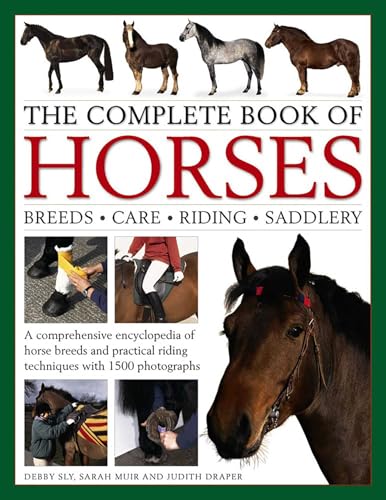
- Breed directory plus care, riding, and saddlery
- 1500 photographs and step-by-step guidance
- Covers over 60 breeds with practical equestrian info
Best For: Broad horsemanship reference with breed coverage
International Breeds Reference – Encyclopedia of Horse Breeds
If you want horse breed encyclopedias that lean toward serious reference value, this title is built for broad, practical lookup. It covers nearly 400 entries alphabetically, including extinct foundation breeds and modern breeds from around the world, with details on origin, size, appearance, chief use, and rarity status.
Best For: Readers who want a thorough international breed reference with historical depth.
Pros:
- Nearly 400 alphabetized breed entries for easy reference
- Covers both extinct foundation breeds and living breeds worldwide
- Includes origin, background, size, appearance, use, and status
- Updated list of breed associations and government data sources
Cons:
- Reference-focused format is less suited to casual browsing
- Black-and-white illustrations only, not full color
This is the strongest choice here if completeness matters more than presentation. It stands out as a standard international reference for breed identification and background research.
Illustrated Horse Overview – Horses & Ponies
This is a practical pick among horse breed encyclopedias if you want a broad, highly illustrated overview of the horse world. The notes emphasize a comprehensive look at all aspects of the horse, with text and illustrations working together to cover the subject in a highly informative format.
Best For: Readers who want an approachable, highly illustrated general horse reference.
Pros:
- Highly illustrated with text and images used together
- Broad coverage of the world of horses and ponies
- Concise 384-page format for a general reference book
- Suitable as an accessible all-around overview
Cons:
- Less breed-specific detail than more dedicated encyclopedias
- Notes do not specify the number of breeds covered
Choose this if you prefer a visual, approachable guide rather than a dense breed catalog. It looks best as a general reference for readers who want breadth and clarity.
Expanded Breed Guide – The New Encyclopedia of The Horse
For horse breed encyclopedias that also cover care and riding, this expanded edition adds useful practical depth. It includes more than 150 major breeds of horses and ponies, with history, origin, and uses explained alongside chapters on management, training, equipment, feeding, grooming, and horse behavior.
Best For: Horse owners and enthusiasts who want breed coverage plus care and training guidance.
Pros:
- More than 150 major horse and pony breeds in a visual breed guide
- Includes origin, history, and use information for each breed
- Adds chapters on management, training, and equipment
- Covers feeding, grooming, behavior, and tack basics
Cons:
- Larger and heavier than a simple desk reference
- Focus extends beyond breeds, so pure breed lookup is only part of the book
This is the best all-around choice if you want more than breed listings alone. Its mix of encyclopedic coverage and practical horse-care topics makes it especially useful for everyday owners and riders.
Photo-Heavy Breed Guide – The Encyclopedia of Horses & Ponies
If you’re comparing horse breed encyclopedias and want a visually rich reference, this one leans hard into illustration. The notes call it a highly informative guide with 1,000 photographs and line drawings, paired with text that gives a comprehensive look at the main breeds.
Best For: Readers who want a photo-heavy general guide to the main horse breeds.
Pros:
- Features 1,000 photographs and line drawings
- Provides a one-stop guide to the main breeds
- Highly informative text paired with strong visuals
- Compact encyclopedia-style format
Cons:
- Coverage is described as the main breeds, not an exhaustive global list
- Less detailed on breed-specific history than more specialized references
This book makes sense if visual identification matters as much as text. It is a strong pick for readers who want an image-rich overview of horses and ponies rather than a deeply technical reference.
Comprehensive Horse Reference – The Original Horse Bible, 2nd Edition
If you want horse breed encyclopedias that go far beyond basic identification, this volume is built as a broad all-in-one reference. It covers 210 breed profiles, horse care, training, riding, breeding, and health topics in one 480-page guide, making it a practical pick for readers who want both breed information and general horse knowledge.
Best For: Readers who want a wide-ranging horse reference with breed profiles, care, and training advice in one book.
Pros:
- Includes 210 breed profiles in alphabetical order
- Covers training, riding, grooming, health, breeding, and competitive activities
- Updated edition adds information on medications, poisonous plants, and natural horsemanship
- Wide scope makes it useful as a general horse reference, not just a breed guide
Cons:
- Its broad coverage may be more than needed if you only want breed photos and quick ID details
- Large, information-heavy format may feel less focused than a dedicated breed encyclopedia
This is a strong choice if you want one of the most comprehensive horse breed encyclopedias available, especially if you also value practical horse care and training content. It works well as a shelf reference for owners, riders, and enthusiasts who want depth across many horse topics.
Breed and Care Reference – The Ultimate Encyclopedia of Horse Breeds & Horse Care
This title is a straightforward option for shoppers comparing horse breed encyclopedias and wanting a mix of breed and care information. At 256 pages, it offers a compact reference format that pairs horse breed coverage with horse care, which can be helpful if you want a practical overview without a massive volume.
Best For: Buyers looking for a compact encyclopedia that combines horse breeds with basic horse care coverage.
Pros:
- Combines horse breed information with horse care in one encyclopedia
- More compact than larger reference books at 256 pages
- Practical for readers who want a general overview rather than a deep specialist text
Cons:
- Supplied details do not specify the number of breed profiles or the depth of coverage
- Less detailed product information than some more visual or expansive alternatives
If you want a simpler, more concise horse breed encyclopedia, this is a sensible middle-ground choice. Its value is in combining breed reference and horse care in a single, manageable book.
Visual Breed Directory – The Illustrated Encyclopedia of Horse Breeds
For shoppers browsing horse breed encyclopedias with strong visual ID support, this illustrated directory stands out. It features color photographs of major breeds, covers rare breeds, and adds practical information on care, training, breeding, and showing, making it useful for readers who want both recognition help and general horse reference material.
Best For: Readers who want a visual breed guide with color photos and practical horse information.
Pros:
- Includes full-color identification photographs for major breeds
- Covers officially recognized world horse breeds plus lesser-known and rare breeds
- Provides at-a-glance breed information such as height range and ancestry
- Adds practical sections on care, training, breeding, and showing
Cons:
- Focused on visual identification, so it may not be as broad as a general horse encyclopedia
- At 256 pages, it may not offer the same depth as larger all-in-one horse references
This is a strong pick if your priority is identifying breeds by appearance and comparing them quickly. The combination of color photos and concise breed facts makes it especially handy for browsing and on-the-spot reference.
World Breed Snapshot – Horse Breeds of the World
If you want a compact horse breed encyclopedias option that focuses on origins, traits, and practical uses, this title gives you a structured overview of breeds from around the world. It also covers conformation patterns and historical development, which makes it useful for readers who want more than a simple breed list.
Best For: Readers who want a short, organized breed reference for learning history, traits, and general breed selection.
Pros:
- Structured coverage of horse breeds from around the world
- Explains origins, characteristics, and practical uses
- Includes conformation patterns and historical development
- Supports informed breed selection
Cons:
- Only 35 pages, so it is not an exhaustive encyclopedia
- Limited depth compared with larger reference books
- Best suited to quick study rather than detailed research
Overall, this is a concise, modern reference for readers who want a focused introduction to global horse diversity without a large, heavy volume.
Best Heavy-Duty Pick – The Illustrated Encyclopedia of Horse Breeds
This horse breed encyclopedias pick is built as a visual directory, making it a strong choice if you want a broad, easy-to-browse reference. The book is organized by regions of the world and includes a section on lesser-known breeds, plus table of contents, glossary, index, and color illustrations throughout.
Best For: Readers who want a well-organized, image-rich breed encyclopedia for browsing and reference.
Pros:
- Comprehensive directory of horse breeds from around the world
- Organized by regions for easier browsing
- Includes lesser-known breeds, glossary, and index
- Color illustrations throughout support identification and comparison
Cons:
- Published in 2003, so it may feel less current than newer books
- Large 256-page format may be less portable
- Focused on reference use more than practical riding or care guidance
In short, this is the most traditional encyclopedia-style option here, especially if you value a visual layout and regional organization.
All-in-One Horsemanship Guide – The Complete Book of Horses
If you want horse breed encyclopedias plus practical riding and care coverage in one volume, this book is the most expansive option here. It combines a fully illustrated directory of breeds with guidance on stable management, grooming, exercise, health, first aid, riding technique, and saddlery.
Best For: Readers who want a broad horsemanship reference that blends breed information with care, riding, and equipment guidance.
Pros:
- Covers breeds of the world with a fully illustrated directory
- Includes practical advice on care, health, and first aid
- Offers step-by-step riding instruction from basics to dressage
- Contains an illustrated equipment directory for horse and rider
Cons:
- Very broad scope, so breed information is only one part of the book
- Large 512-page format may be more than some readers need
- Less specialized than a breed-only encyclopedia
Overall, this is the best pick for readers who want a single, all-around equestrian reference rather than a narrow breed catalog.
How We Picked These Horse Breed Encyclopedias
We prioritized books that offer accurate breed coverage, useful organization, and strong value for different kinds of readers. That means looking at the number of breed profiles, the quality of photos or illustrations, how clearly traits are explained, and whether the book also covers care, history, or riding basics.
For Horse Breed Encyclopedias, usability matters as much as breadth. A book can cover many breeds, but if the layout is hard to scan or the descriptions are vague, it is less helpful as a day-to-day reference.
Quick Comparison: Which Type of Guide Fits Your Needs?
If you want fast identification help, choose a visually rich encyclopedia with images and concise breed summaries. If you need deeper background, look for a broader title that includes histories, temperament, and regional origin. Readers who want one all-purpose reference may prefer a book that blends breed profiles with care and riding fundamentals.
Best for Visual Learners
Illustrated or photo-heavy editions are the easiest to use for matching real horses to breed characteristics.
Best for Practical Owners
Titles that combine breed info with care advice are better if you are also managing feeding, grooming, training, or daily upkeep.
Best for Casual Readers and Gift Buyers
General encyclopedias with clear explanations and broad coverage work well when you want an approachable, attractive reference.
Key Buying Factors for Horse Breed Encyclopedias
Breed coverage: Check whether the book focuses on a narrow set of common breeds or offers a broader global overview.
Visual quality: Photos and illustrations should clearly show size, build, coat color, and distinguishing features.
Depth of entries: Some readers only need quick facts, while others want origin, purpose, temperament, and breed history.
Extra content: Many Horse Breed Encyclopedias also include care, tack, training, or riding sections, which can add value if you want a more complete handbook.
Reading level: Choose a book that matches your experience. Beginners usually benefit from straightforward language, while experienced horse people may want more detail and technical accuracy.
Who Should Buy Which Horse Breed Encyclopedias?
Beginners: Start with a visual, easy-to-scan encyclopedia that explains breeds in simple terms.
Owners and riders: Choose a more practical reference that combines breed knowledge with care and handling guidance.
Collectors and enthusiasts: Pick a broader, more detailed volume with strong historical context and comprehensive breed profiles.
Gift buyers: A well-illustrated general encyclopedia is usually the safest choice because it appeals to a wide audience.
Ultimately, the best choice depends on whether you value identification, depth, or practical horse-care support. The right Horse Breed Encyclopedias should be easy to use, informative, and relevant to how you learn about horses.