Choosing the right furniture making book can save time, improve accuracy, and help you build pieces you’ll actually be proud to keep. Whether you want step-by-step instruction, measured drawings, or classic project plans, the best titles make the learning curve feel manageable.
This roundup focuses on practical books for beginners through advanced woodworkers, with an emphasis on clarity, usable plans, and long-term value for real shop work.
Best 10 Furniture Making Books Picks for 2026
All-Around Workshop Guide
The Complete Book of Woodworking

- Covers skills, tools, safety, joinery, and finishing
- Includes 40+ projects with plans and materials lists
- Packed with 1,200+ photos and illustrations
Best For: Woodworkers who want one broad, project-driven reference
Furniture Design Reference
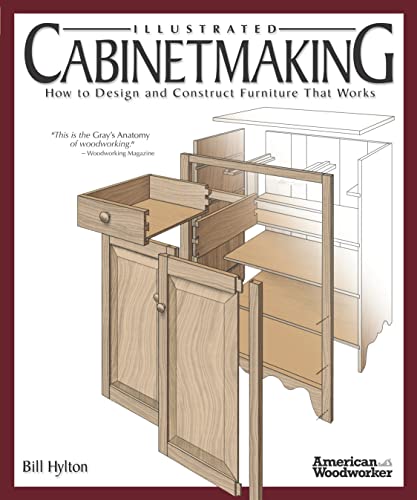
- Over 1,300 drawings and exploded diagrams
- Covers dimensions, ergonomics, and joinery
- Useful for cabinets, tables, desks, and beds
Best For: Builders who want a deep visual guide to furniture construction
Mission-Style Plan Collection
Making Authentic Craftsman Furniture

- Reprints 62 authentic Stickley project plans
- Includes lumber specs and accurate measurements
- Focused on classic Craftsman and mission style
Best For: Readers who want authentic Stickley-inspired furniture plans
Construction Master Reference
The Complete Illustrated Guide

- 1,000+ step-by-step photos and diagrams
- Explains boxes, drawers, doors, shelves, and feet
- Useful for both beginners and experienced builders
Best For: Woodworkers needing a visual shop reference for building furniture
Shop-Tested Project Collection
Great Book of Woodworking Projects

- 50 shop-tested projects for home and outdoor use
- Step-by-step illustrated instructions and workshop tips
- Includes Shaker, Stickley, and Craftsman styles
Best For: Woodworkers who want a broad project library with useful furniture and home-improvement builds
Shaker Classic Reference
Making Authentic Shaker Furniture

- Over 250 photos and measured drawings
- Covers design, joinery, and finishing
- More than 80 classic Shaker pieces
Best For: Woodworkers and furniture enthusiasts who want measured drawings and historical Shaker reference material
British Cabinetmaking Plans
Making Furniture: Projects & Plans

- 30 varied projects with detailed plans
- Fine photography and practical guidance
- Ranges from simple tables to ambitious bookcases
Best For: Competent furniture makers who want varied projects with clear plans and a classic British style
Craftsman Shop-Plan Pick
Great Book of Shop Drawings for Craftsman Furniture
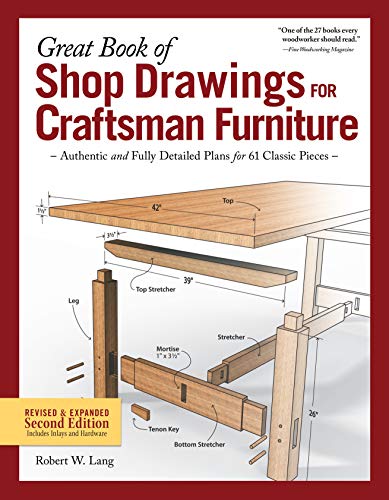
- 61 measured Craftsman furniture plans
- Includes cutting lists, elevations, and details
- Strong fit for authentic Stickley-style builds
Best For: Intermediate woodworkers seeking accurate Arts & Crafts plans
Skill-Building Starter

- Guided projects from simple to more complex
- Step-by-step help with illustrations and materials
- Built to develop core woodworking skills
Best For: Beginners and advancing woodworkers learning through projects
Classic Replica Choice

- 30 measured projects based on real antiques
- Step-by-step instructions with photos and drawings
- Includes carving, upholstery, and finishing guidance
Best For: Ambitious beginners and crafters who like antique-style builds
All-Around Workshop Guide – The Complete Book of Woodworking
If you’re comparing furniture making books and want one that covers the full path from setup to finished projects, this guide is built for practical learning. It combines woodworking basics, tool use, safety, joinery, finishing, and 40+ step-by-step projects, making it useful whether you’re starting a shop or sharpening existing skills.
Best For: Woodworkers who want a broad, project-based reference with beginner-friendly instruction and enough depth for ongoing use.
Pros:
- Covers essential skills, tools, safety, jigs, joints, and finishing in one volume
- Includes 40+ projects with detailed plans and materials lists
- Features 1,200+ full-color photos, diagrams, and illustrations
- Works for both indoor furnishings and outdoor builds
Cons:
- Not focused on one specific furniture style or niche
- Very broad coverage may feel less specialized for advanced cabinetmakers
This is a strong pick if you want a single furniture making book that teaches fundamentals while still giving you real projects to build. It is especially appealing for readers who value a visual, step-by-step approach.
Furniture Design Reference – Illustrated Cabinetmaking
For buyers searching furniture making books that focus on design and construction details, this visual reference goes deep. It offers exploded drawings, dimensional standards, and more than 1,300 diagrams to help you understand how cabinets, tables, desks, bookcases, and other furniture are put together.
Best For: Woodworkers who want a highly visual guide for designing, dimensioning, and building furniture that functions well.
Pros:
- More than 1,300 drawings and diagrams explain joinery and subassemblies
- Covers ergonomic standards and time-honored furniture dimensions
- Includes ideas for classic furniture styles and construction options
- Useful for many furniture types, from cabinets to beds and bookcases
Cons:
- More of a reference guide than a step-by-step project book
- May be less suitable for readers wanting beginner basics first
This book stands out when you need a visual roadmap for furniture construction rather than a project collection. It is a strong choice for planning, problem-solving, and understanding the structure behind well-made furniture.
Mission-Style Plan Collection – Making Authentic Craftsman Furniture
If your furniture making books shortlist leans toward classic American style, this volume is a focused source of Gustav Stickley plans. It reprints 62 Craftsman projects with perspective drawings, lumber specs, and measurements, making it a practical pick for anyone drawn to mission-style furniture.
Best For: Woodworkers, restorers, and style enthusiasts who want authentic Craftsman or mission-style furniture plans.
Pros:
- Contains 62 authentic Stickley project plans
- Includes perspective drawings, mill bills, and accurate measurements
- Projects range from bookcases and beds to tables and hall trees
- Appeals to beginners and fans of historic American design
Cons:
- Limited to one design tradition and one project collection
- Only 128 pages, so it is narrower than general woodworking guides
This is the book to choose if you want historically grounded mission-style furniture rather than a broad overview. Its clear plans and straightforward layouts make it especially useful for faithful reproductions.
Construction Master Reference – The Complete Illustrated Guide
Among furniture making books, this one is best for builders who want a shop reference that explains how pieces go together. With more than 1,000 step-by-step photos and diagrams, it breaks furniture and cabinet construction into manageable parts like boxes, drawers, doors, shelves, and feet.
Best For: Woodworkers who want a highly visual construction reference for furniture and cabinet building.
Pros:
- Includes 1,000+ photos and diagrams for clear instruction
- Breaks construction into components like boxes, drawers, doors, and shelves
- Covers assembly methods, materials, techniques, and design principles
- Suitable for both first-time cabinet builders and experienced woodworkers
Cons:
- More reference-oriented than project-focused
- Not aimed at a specific furniture style or decorative tradition
This book works well as a benchside companion when you need answers during planning or construction. It is especially valuable if you want to understand furniture as a set of buildable parts rather than just finished projects.
Shop-Tested Project Collection – Great Book of Woodworking Projects
If you’re looking for furniture making books that go beyond theory, this collection delivers 50 shop-tested woodworking projects for indoor improvements and outdoor living. It covers everything from storage and kitchen upgrades to classic furniture styles, with step-by-step illustrated instructions, workshop tips, and plans that are designed to be practical and approachable.
Best For: Woodworkers who want a broad project library with useful furniture and home-improvement builds.
Pros:
- Includes 50 projects for a wide range of rooms and outdoor spaces
- Features classic furniture styles like Shaker, Stickley, and Craftsman
- Offers step-by-step illustrated instructions and shop-tested advice
- Mixes quick weekend projects with more substantial builds
Cons:
- Focuses on projects rather than deep furniture theory
- Some builds may be better suited to readers with basic woodworking experience
Overall, this is a strong pick if you want a practical furniture making books resource with plenty of variety. It’s especially useful for builders who want functional pieces they can actually use around the home and yard.
Shaker Classic Reference – Making Authentic Shaker Furniture
This is a standout choice among furniture making books if you want to study authentic Shaker design in detail. It explains how the Shakers designed, built, and finished furniture and household articles, and it pairs that background with over 250 photographs and measured drawings for more than 80 classic pieces.
Best For: Woodworkers and furniture enthusiasts who want measured drawings and historical Shaker reference material.
Pros:
- Includes over 250 photographs and measured drawings
- Covers design, construction, joinery, and finishing
- Features more than 80 classic Shaker pieces
- Balances practical guidance with historical context
Cons:
- Focused specifically on Shaker furniture rather than broader styles
- May be more reference-heavy than project-variety driven
If you want a detailed, design-focused guide, this book offers plenty of material to work from. Its combination of measured drawings and construction insight makes it especially valuable for authentic reproductions.
British Cabinetmaking Plans – Making Furniture: Projects & Plans
For readers comparing furniture making books with a project-and-plans focus, this compilation offers a practical set of builds from Furniture & Cabinetmaking magazine. Mark Ripley presents 30 varied projects with fine photography and detailed plans, ranging from a simple dining table to a more ambitious Robert Adams-style breakfront bookcase.
Best For: Competent furniture makers who want varied projects with clear plans and a classic British style.
Pros:
- Contains 30 varied furniture projects
- Includes fine photography and detailed plans
- Offers practical guidance with tricks of the trade
- Ranges from simpler builds to more ambitious pieces
Cons:
- Best suited to competent furniture makers
- Less geared toward absolute beginners
This book is a solid fit if you want project ideas that are achievable yet still substantial. Its range of styles and build difficulty gives experienced readers useful options without feeling repetitive.
Craftsman Shop-Plan Pick – Great Book of Shop Drawings for Craftsman Furniture
If you’re shopping for furniture making books with a strong historical focus, this volume is built for woodworkers who want accurate Craftsman-style plans rather than general inspiration. It includes measured shop drawings for 61 classic pieces, with full perspective views, elevations, sections, details, cutting lists, and extra inlay and hardware drawings to support building authentic replicas.
Best For: Intermediate woodworkers who want detailed plans for authentic Arts & Crafts furniture replicas.
Pros:
- Includes 61 classic pieces across beds, chairs, cabinets, tables, and more
- Uses measured drawings taken from original Stickley furniture
- Provides elevations, sections, details, and cutting lists for workshop use
- Offers extra inlay and hardware drawings for more complete builds
Cons:
- Geared more toward builders than casual readers
- Best suited to those specifically interested in Craftsman style
As a practical reference, this book stands out for depth and authenticity. If your goal is to build period-correct furniture with dependable plans, it gives you far more detail than a typical idea book.
Skill-Building Starter – Furniture You Can Build
Furniture You Can Build: Projects that Hone Your Skills series (Getting Started in Woodworking)
Check Price On AmazonFor readers comparing furniture making books with an eye toward skill growth, this title is aimed at building confidence while completing real projects. It offers a variety of furniture builds from simple to more complex, along with step-by-step guidance, illustrations, material guidance, and technique coverage to help you work through measuring, cutting, joinery, and finishing.
Best For: Beginners and developing woodworkers who want guided projects that build core skills.
Pros:
- Projects range from simpler to more challenging builds
- Step-by-step instructions are paired with detailed illustrations
- Covers measuring, cutting, joinery, finishing, and tool basics
- Includes material guidance and room for customization
Cons:
- Less focused on historically exact replica furniture
- Only 176 pages, so the project list is more compact than some larger references
This is a practical pick if you want a structured woodworking companion rather than a deep historical plan archive. It balances approachable instruction with useful build variety, making it easy to learn while you make usable furniture.
Classic Replica Choice – Making Furniture Masterpieces
Making Furniture Masterpieces: 30 Projects with Measured Drawings (Dover Crafts: Woodworking)
Check Price On AmazonIf you want furniture making books that combine clear instruction with antique styling, this one focuses on 30 measured projects based on actual rare furniture. It covers handsome, useful pieces in respected historic styles and pairs step-by-step instructions with photographs, drawings, and detailed sketches for parts and procedures.
Best For: Ambitious beginners and skilled crafters who want replica furniture projects in classic antique styles.
Pros:
- Contains 30 projects drawn from real antique furniture
- Works across a wide range of styles, from simple to more ornate pieces
- Includes photos, drawings, and detailed front and end views
- Covers related decorative skills like carving, upholstery, finishing, and wrought-iron work
Cons:
- Some projects may be more demanding than a true beginner wants
- Focuses on classic replicas rather than modern furniture design
This book is a strong middle ground between technique and tradition. If you want a project-driven guide with historically inspired furniture and thorough visual support, it delivers a lot of practical value.
How We Picked These Furniture Making Books
We focused on Furniture Making Books that offer clear instruction, strong visuals, and useful project planning rather than vague inspiration. The best choices balance technique, drawings, and shop-friendly details so you can move from reading to building with confidence.
We also looked for books that serve different goals: learning fundamentals, studying classic furniture styles, or finding project plans that match your current skill level and tools.
Quick Comparison
If you want technique-heavy learning, choose a title with step-by-step photos, diagrams, and construction guidance. If you want ready-to-build plans, look for books centered on measured drawings and project lists. For style-driven woodworking, classic collections in Craftsman or Shaker design can be especially useful.
In other words, the best match depends on whether you need instruction, inspiration, or a buildable plan set.
Key Buying Factors for Furniture Making Books
Skill Level
Some Furniture Making Books are best for beginners because they explain tools, joinery, and workflow in plain language. Others assume you already know how to cut, fit, and assemble accurately. Pick a book that matches your current experience so the projects stay challenging without becoming frustrating.
Plans and Drawings
Measured drawings, exploded diagrams, and full project plans matter if you want to build from the book instead of just study it. The more precise the drawings, the easier it is to estimate materials, understand proportions, and avoid mistakes.
Style and Project Type
Decide whether you want modern utility pieces, traditional Craftsman furniture, Shaker forms, or a mix of shop projects. Style-focused books are excellent for learning design language, while general project books are better for building a wider range of items.
Instruction Quality
Look for books that explain why a method works, not just what to do. Clear sequencing, tool guidance, and setup tips are especially valuable when you are learning furniture construction techniques.
Who Should Buy Which Furniture Making Books?
Beginners should prioritize Furniture Making Books with fundamentals, photos, and straightforward projects. Intermediate woodworkers may get the most value from books with detailed plans and slightly more advanced joinery. Advanced builders and designers often benefit from classic-style collections, shop drawings, and measured museum-based references.
If you want a single book to grow with, choose one that combines technique instruction with project variety. If you already have experience, a style-specific plan book can be a better investment because it gives you more immediately usable content for your shop.