If you want to make your clay work more expressive, the right book can accelerate your skills fast. The best ceramic surface design books teach practical methods you can apply at the wheel, on slabs, or with handbuilt forms.
This roundup focuses on books that help makers build better surfaces through pattern, texture, image transfer, carving, and decorative finishes.
Best 10 Ceramic Surface Design Books Picks for 2026
Studio Reference

- Covers popular clay embellishing techniques
- Includes practical process guidance
- Uses detailed images for instruction
Best For: Potters wanting a broad surface-design reference
Image Transfer Guide

- Project-driven guide to clay surface imagery
- Covers screenprinting, decals, and stencils
- Includes artist Q&A and teaching value
Best For: Artists focused on printed and transferred imagery
Creative Techniques
Surface Decoration for Ceramics

- Broad coverage of decorative ceramic techniques
- Encourages experimental, individual surfaces
- Includes maker insights and tool advice
Best For: Makers seeking adventurous decoration methods
Accessible Manual

- Approachable, fully illustrated manual
- Covers mishima, resists, stamping, and stencils
- Includes templates and stencils to use
Best For: Beginners and intermediates wanting a clear guide
Comprehensive Surface Techniques
The Potter's Guide to Ceramic Surfaces

- More than 70 decorative techniques
- Covers multiple making and firing stages
- Over 700 full-color photos
Best For: Potters seeking a wide-ranging surface decoration reference
Project-Based Carving Techniques
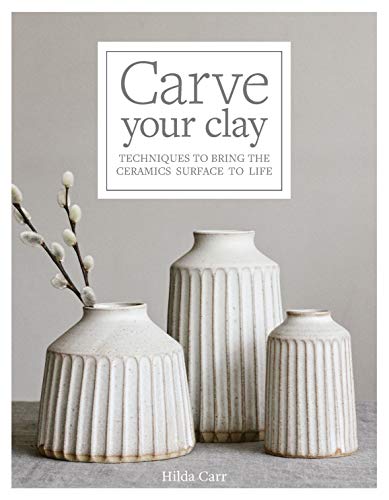
- 20 step-by-step projects
- Includes inlay, sgraffito, etching, and carving
- Covers glazing and firing basics
Best For: Potters who prefer guided projects and carved surface effects
Beginner Decorating Essentials
The Beginner's Guide to Decorating Pottery

- Covers glazes, luster, patterns, and inlay
- Beginner-friendly projects for many forms
- Includes color theory and sketchbook tips
Best For: Beginners and returning potters building surface-design basics
Surface-Focused Reference

- Dedicated to ceramic surface design
- English-language edition
- Substantial 2.14-pound printed book
Best For: Potters and ceramic artists wanting a focused surface-design reference
Technique and Projects Guide

- Step-by-step color photos
- Seven sculpture projects included
- Covers clay, firing, and surface treatments
Best For: Beginners and potters who want project-based sculpture instruction
Contemporary Surface Methods

- Step-by-step decoration guide
- Covers many surface techniques
- Applies to pots and sculpture
Best For: Ceramic artists seeking a practical contemporary decoration manual
Studio Reference – Surface Design for Ceramics
If you want a practical ceramic surface design book that maps out a wide range of embellishing techniques, this studio reference is a strong fit. It covers popular methods for decorating clay and pairs them with detailed images and step-by-step guidance through the design and decorating process.
Best For: Potters and ceramic artists who want a broad, technique-focused reference for surface embellishment.
Pros:
- Covers many popular techniques for embellishing clay
- Includes practical information for each phase of the decorating process
- Uses detailed images to support learning
- Suited to studio reference use
Cons:
- Only 143 pages, so it is more reference-style than deeply exhaustive
- Focuses on surface design rather than general ceramic making
This is a solid option if you want one book that gives you a broad look at ceramic surface design methods with clear visual support. It is especially useful as a hands-on studio companion when exploring decoration ideas.
Image Transfer Guide – Graphic Clay
For shoppers looking for a ceramic surface design book centered on image transfer and print-based effects, this project-driven guide offers a lot of usable ideas. It brings together techniques for transferring images onto clay vessels alongside related surface processes like screenprinting, stenciling, slip, decals, and brush application.
Best For: Studio artists, students, educators, and potters who want image-transfer and printmaking techniques for clay.
Pros:
- Project-driven format makes it useful as a teaching tool
- Covers image transfer methods for clay vessels
- Includes related processes such as screenprinting, decals, and stencils
- Features Q&A sessions with artists about their methods and style
Cons:
- More specialized than a general ceramics overview
- Best suited to readers interested in printed and transferred imagery
This book stands out if your goal is to build decorated surfaces through graphics, imagery, and transfer methods. It has strong practical value for anyone wanting to develop a personal visual language on clay.
Creative Techniques – Surface Decoration for Ceramics
If you want a current ceramic surface design book that encourages experimentation, this one is built around inventive decorative methods and practical instruction. It covers a wide range of approaches, from embossing and engraving to slips, underglazes, oxides, glazes, coloured clay, smoke firing, and mixed media.
Best For: Makers of all skill levels who want adventurous surface decoration ideas with clear instruction.
Pros:
- Covers a broad mix of decorative techniques
- Encourages experimental and individual surface making
- Includes advice on mark-making tools and a personal collection
- Features insights from individual makers sharing their discoveries
Cons:
- May feel wide-ranging if you want a narrowly focused technique manual
- Some readers may prefer a more project-driven structure
This is a strong choice for ceramicists who want both inspiration and practical pathways into contemporary surface work. Its breadth makes it useful as a reference when developing distinctive, personal surfaces.
Accessible Manual – New Ceramic Surface Design
New Ceramic Surface Design: Learn to Inlay, Stamp, Stencil, Draw, and Paint on Clay
Check Price On AmazonFor buyers searching for a ceramic surface design book that is approachable and heavily illustrated, this manual gives a clear path into decoration techniques. It walks beginners and more advanced ceramicists through methods such as mishima, tape resists, stamping, stencils, paper resists, sgrafitto, and more, with templates included in the back.
Best For: Beginners and intermediate ceramicists who want a clear, illustrated surface design manual with templates.
Pros:
- Fully illustrated and easy to follow
- Covers many practical techniques for designing on clay
- Includes templates and stencils in the back of the book
- Suitable for both beginners and more advanced readers
Cons:
- Focused on surface design rather than broader ceramics topics
- Readers already experienced in these techniques may want more advanced depth
This book is especially handy if you want a structured, accessible introduction to modern ceramic surface decoration. The included templates make it easy to start experimenting right away.
Comprehensive Surface Techniques – The Potter's Guide to Ceramic Surfaces
If you’re comparing ceramic surface design books and want a deeply practical reference, this guide stands out for its breadth. It covers more than 70 decorative techniques across the wet, leatherhard, biscuit, multiple-firing, and post-firing stages, making it useful whether you’re testing new ideas or expanding a studio process.
Best For: Potters who want a broad, technique-rich reference for decorating at multiple stages of making.
Pros:
- More than 70 techniques for adding color, texture, and pattern
- Covers decoration at wet, leatherhard, biscuit, and post-firing stages
- Includes more than 700 full-color photos for visual learning
- Designed to encourage both novice and experienced potters
Cons:
- At 160 pages, it is broad rather than deeply specialized on one method
- May feel overwhelming if you only want a beginner-only project book
Overall, this is a strong all-around pick if you want inspiration and a wide technical range in one volume. Its visual approach and step-by-step format make it easy to browse, compare, and adapt techniques to your own work.
Project-Based Carving Techniques – Carve Your Clay
For readers browsing ceramic surface design books with a hands-on focus, this title is built around making and learning through projects. It teaches inlay, piercing, sgraffito, etching, relief carving, wire cutting, and more through 20 step-by-step projects, with glazing and firing basics included to support the finished work.
Best For: Potters who want project-based instruction centered on carving and surface texture.
Pros:
- 20 projects with clear step-by-step photography
- Covers inlay, piercing, sgraffito, etching, relief carving, and wire cutting
- Includes guidance on basic forms, glazing, and firing techniques
- Works for beginners and more experienced potters exploring new surfaces
Cons:
- Heavily focused on carved and cut surface methods
- Only 144 pages, so it is more of a focused how-to than an encyclopedia
This is a smart choice if you learn best by doing and want visible results from each project. The combination of technique variety and guided projects makes it a practical studio companion for building surface-design skills.
Beginner Decorating Essentials – The Beginner's Guide to Decorating Pottery
If you want ceramic surface design books that keep things approachable, this one is aimed squarely at skill-building and simple, usable ideas. It introduces glazes, gold luster, patterns and marks, inlay designs, and dimensional shapes, with beginner-friendly projects for items like coasters, plates, vases, planters, and wall hangings.
Best For: Beginners and returning potters who want a contemporary, low-pressure introduction to decorating pottery surfaces.
Pros:
- Introduces glazes, gold luster, inlay, patterns, and dimensional designs
- Includes beginner-friendly projects across useful pottery forms
- Focuses on skill-building, color theory, and sketchbook habits
- Features gallery work from contemporary ceramics artists for inspiration
Cons:
- Skews beginner-focused rather than advanced or highly technical
- Emphasis on simple projects may be too basic for expert decorators
As a starting point, this book offers a friendly way to build confidence while trying a range of surface ideas. It is especially useful if you want modern inspiration and a structured path into pottery decoration.
Surface-Focused Reference – The Ceramic Surface
If you’re comparing ceramic surface design books, The Ceramic Surface reads like a focused reference for artists who want to think more deeply about finish, texture, and visual impact. The supplied details confirm the English-language edition and a substantial 2.14-pound build, which suggests a substantial, studio-friendly book you can keep near the workbench.
Best For: Potters and ceramic artists looking for a dedicated reference on surface design and a more substantial studio book.
Pros:
- Dedicated to ceramic surface design, making it highly relevant to the keyword.
- English-language edition, useful for straightforward studio reference.
- Heavy 2.14-pound format suggests a substantial printed volume.
Cons:
- No page count or technique list is provided in the supplied notes.
- The notes don’t specify whether it is more beginner-friendly or advanced.
Overall, this looks like a strong pick if you want a serious surface-design title rather than a general ceramics overview. The available details point to a book that is likely best chosen for its focused topic and physical presence.
Technique and Projects Guide – Making Ceramic Sculpture
Making Ceramic Sculpture: Techniques * Projects * Inspirations ( A Lark Ceramics Book)
Check Price On AmazonAmong ceramic surface design books, Making Ceramic Sculpture is a practical option if you want technique-driven inspiration that goes beyond plain vessels. The supplied description highlights step-by-step color photos, easy instructions, and a mix of sculpture projects, making it a hands-on choice for builders who want guided results and visual ideas.
Best For: Beginning clayworkers and experienced potters who want project-based sculpture guidance with plenty of visual reference.
Pros:
- Includes step-by-step color photos and easy-to-follow instructions.
- Covers seven sculpture projects, including figurative and nonfigurative forms.
- Discusses clay types, firing techniques, and surface treatments for sculpture.
- Contains a color gallery for added inspiration.
Cons:
- Focuses on ceramic sculpture rather than surface design alone.
- Publication date is 2000, so some inspiration may feel dated.
As a roundup choice, this book is especially useful if you want surface ideas in a sculpture context and prefer learning by making specific projects. It is less of a pure surface-design manual, but the techniques and treatment guidance make it highly relevant.
Contemporary Surface Methods – Surface Decoration
If you’re shopping for ceramic surface design books with a practical, technique-by-technique approach, Surface Decoration is built for that purpose. The supplied description positions it as a step-by-step guide to decoration for pots and sculpture, covering a wide range of surface treatment methods and aiming to help artists choose an appropriate finish.
Best For: Ceramic artists who want a practical guide to contemporary decoration methods and finish choices.
Pros:
- Step-by-step guidance across many decoration techniques.
- Covers sgraffito, resist, sprigging, trailing, glaze layering, lustre, transfer, and more.
- Applies to both pots and sculpture.
- Publication details show a recent 2022 edition.
Cons:
- Only 161 pages, so it may be concise rather than exhaustive.
- The notes don’t specify color photo depth or project count.
This is the most directly technique-oriented option in the group for artists who want a broad overview of modern decoration methods. If your priority is a practical surface toolkit, it looks especially well matched.
How We Picked the Best Ceramic Surface Design Books
We looked for Ceramic Surface Design Books that are useful in real studio settings, with clear instruction, strong visual examples, and techniques that range from beginner-friendly fundamentals to more advanced surface development. We also favored books that cover multiple approaches so you can match the content to your clay practice.
Quick Comparison
These titles cover a broad spread of needs: some are best for starting with pattern and basic decoration, while others lean into carving, inlay, printed imagery, and more experimental surface work. If you want a single all-purpose reference, choose a book with broad technique coverage. If you already have the basics, a more specialized title may give you deeper results.
Key Buying Factors for Ceramic Surface Design Books
Skill Level
Check whether the book is aimed at beginners, intermediate potters, or advanced ceramic artists. A beginner title should explain materials, timing, and application methods clearly. More advanced books may assume you already understand clay stages, glazes, and firing basics.
Technique Coverage
Look for the methods you want to learn most, such as stamping, stencil work, carving, image transfer, luster, inlay, drawing, or painting on clay. The best Ceramic Surface Design Books usually combine inspiration with repeatable studio techniques.
Visual Instruction
Because surface design is highly visual, strong photography and step-by-step demonstrations matter. Clear process images can make a book far more useful than a purely inspirational volume.
Application to Your Work
Consider whether you make functional pottery, sculpture, or mixed-media ceramic work. A book that matches your forms and firing approach will be easier to use consistently in the studio.
Who Should Buy Which Ceramic Surface Design Books?
Beginners should prioritize broad, approachable books that explain the basics of decorating clay without overwhelming jargon. If you want to expand your visual vocabulary, choose titles focused on patterns, printed imagery, and layered surface methods. Makers who already know core decorating skills may get the most value from specialized references on carving, sculpture surfaces, or contemporary surface experimentation.
In short, the best choice depends on how you work and what you want your clay surfaces to do. Use these Ceramic Surface Design Books to find techniques you can repeat, adapt, and make your own.