If you’re new to wild food gathering, the right guide can make all the difference. The best foraging books for beginners focus on safe identification, clear photos or illustrations, and simple harvesting advice.
This roundup highlights beginner-friendly picks that help you build confidence without overwhelming you with jargon. Whether you want a regional field guide or a broad North American reference, you’ll find a strong starting point here.
Best 10 Foraging Books for Beginners Picks for 2026
Beginner-Friendly Wild Edibles
Edible Wild Plants for Beginners

- 31 edible wild plant profiles
- More than 95 recipes and remedies
- Includes look-alike and safety guidance
Best For: New foragers wanting a practical edible-plant starter guide
Field Companion Pick
The Forager’s Guide to Wild Foods
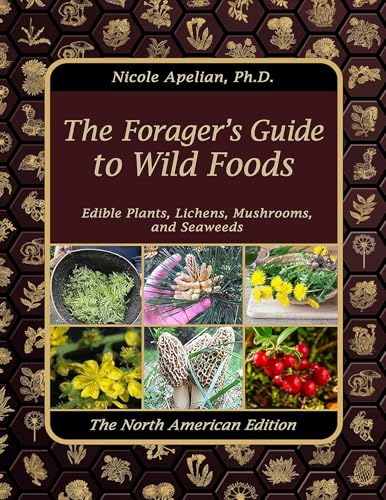
- Over 400 wild edible and medicinal plants
- 400 localization maps plus color photos
- Covers uses, harvesting, and recipes
Best For: Beginners seeking a detailed North America field reference
Regional Starter Guide
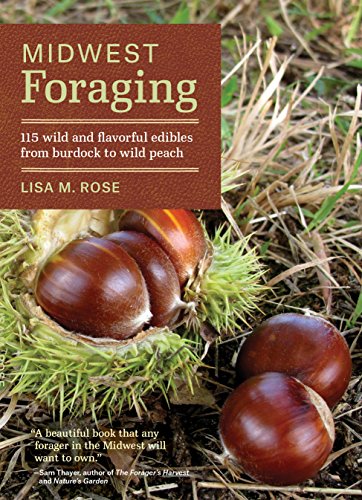
- 115 Midwest edible plants
- Color photos and ID tips
- Seasonal planner and harvesting advice
Best For: Midwestern beginners who want a regional foraging guide
Classic Identification Guide
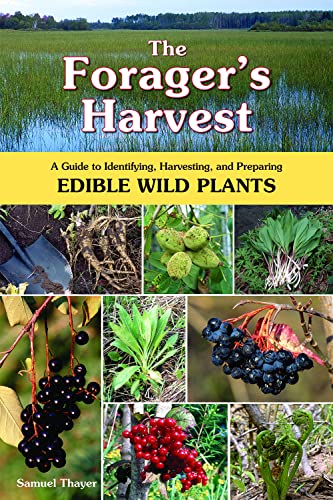
- 32 common edible wild plants
- Covers identification and preparation
- Includes ecology and cultural history
Best For: Beginners wanting a focused edible-plant reference
Beginner-Friendly Wild Plant Starter
31 Edible Wild Plants Absolutely Anyone Can Find in North America

- Focuses on 31 common edible plants in North America
- Explains foraging basics, botanical terms, and harvesting
- Includes detailed illustrations plus nutrition and plant history
Best For: Beginners who want a simple North America-focused starting point
Comprehensive Wild Food Reference

- Covers 274 wild foods with broad appeal
- Uses color photos, visual descriptions, and an index
- Includes preparation advice and nutrition tables
Best For: Beginners who want a large, nutrient-focused reference
Official Field ID Guide
The Complete Guide to Edible Wild Plants

- Official US Army guide with a survival focus
- Covers habitat, distribution, and edible parts
- Includes over 100 color photos for identification
Best For: Hikers, survival-minded readers, and beginners who want a compact guide
Field Guide Classic

- Over 200 edible North American species
- Nearly 400 color photos
- Seasonal guide with recipes and look-alikes
Best For: Beginners who want a straightforward edible plant field guide
All-Season Survival Pick

- 350+ full-color visuals and seasonal keys
- Covers plants, mushrooms, algae, and insects
- Includes maps, recipes, and preservation methods
Best For: Beginners who want a broad year-round foraging manual
Updated Visual Guide

- Updated edition with revised content and new images
- Full-color pictures and data sheets for each entry
- Covers plants, mushrooms, berries, fruits, and more
Best For: Beginners who want an updated picture-heavy foraging guide
Beginner-Friendly Wild Edibles – Edible Wild Plants for Beginners
Edible Wild Plants for Beginners: The Essential Edible Plants and Recipes to Get Started
Check Price On AmazonIf you’re looking for foraging books for beginners that make wild plants feel approachable, this guide is built to help you start safely and use what you find in the kitchen. It covers common edible wild plants, look-alikes to avoid, harvest timing, where to find each plant, and even ways to cultivate some of them at home.
Best For: New foragers who want a practical introduction with recipes, remedies, and clear plant profiles.
Pros:
- Includes 31 edible wild plant profiles with distinguishing features and use tips
- Gives guidance on dangerous look-alikes and avoiding common poisonous plants
- Offers more than 95 recipes and remedies, including cooking and tincture ideas
- Covers foraging, harvesting, preserving, and cultivating edible wild plants
Cons:
- Focuses on edible wild plants rather than a broader wild-food survey
- Less suited to readers who want an especially large plant count
This is a solid starter option if you want a beginner-oriented foraging book that balances identification with useful next steps. The recipe and remedy sections make it easy to move from learning to actually using what you harvest.
Field Companion Pick – The Forager’s Guide to Wild Foods
Among foraging books for beginners, this one is set up like a serious field companion, with the kind of detail that helps you double-check plant IDs before you eat anything. It covers over 400 wild edible and medicinal plants, includes localization maps, and gives full-page photos plus multiple color images for each plant.
Best For: Beginners who want a broad North America-focused reference with strong identification support.
Pros:
- Features over 400 wild edible and medicinal plants
- Includes 400 plant localization maps for finding where plants grow
- Provides full-page photos and at least 3 color images per plant
- Includes edible uses, medicinal applications, harvesting tips, and recipes
Cons:
- At 319 pages, it may feel like a heavier reference than a quick pocket guide
- Its broad scope may be more than some absolute beginners need at first
If you want a single book that can grow with you, this is an especially strong choice. It blends practical identification help with a wide range of uses, making it useful long after your first few outings.
Regional Starter Guide – Midwest Foraging
If you want foraging books for beginners with a clear regional focus, this guide makes the Midwest feel manageable and well-organized. It includes color photographs, identification tips, ethical harvesting guidance, suggestions for eating and preserving, and a seasonal planner for what’s available throughout the year.
Best For: Beginners in the Midwest who want a safe, region-specific plant guide.
Pros:
- Covers 115 wild and flavorful edibles from burdock to wild peach
- Uses clear color photographs and identification tips
- Includes ethical harvesting and preserving guidance
- Seasonal planner helps you know what to look for across the year
Cons:
- Best suited to the Midwest rather than a nationwide audience
- Focused scope may leave out plants outside the covered region
This is a smart buy if you want a beginner-friendly book tailored to your local area. The seasonal planner and practical harvesting notes make it easier to turn plant recognition into real use.
Classic Identification Guide – The Forager's Harvest
The Forager's Harvest: A Guide to Identifying, Harvesting, and Preparing Edible Wild Plants
Check Price On AmazonFor readers comparing foraging books for beginners, this title stands out as a focused guide to common edible wild plants in North America. It explains how to identify, harvest, and prepare 32 plants, while also covering ecology, conservation, and cultural history for each one.
Best For: Beginners who want a straightforward plant-by-plant reference with strong identification detail.
Pros:
- Covers 32 of the best and most common edible wild plants in North America
- Includes identification, habitat, harvest timing, and preparation guidance
- Addresses culinary use, ecology, conservation, and cultural history
- Designed as a practical guide to identifying and preparing edible wild plants
Cons:
- Contains fewer plant profiles than some broader foraging references
- Does not emphasize recipes as heavily as some beginner cook-and-forage books
This book is a strong pick if you want a classic, focused approach to edible plant ID and preparation. It’s especially useful when you want foundational knowledge without a lot of extra filler.
Beginner-Friendly Wild Plant Starter – 31 Edible Wild Plants Absolutely Anyone Can Find in North America
If you’re looking for foraging books for beginners, this guide keeps things focused on a manageable set of 31 edible wild plants in North America. It explains useful foraging tips, essential botanical terms, plant identification, harvesting steps, and the nutrients each plant contains, making it a practical first step for anyone who wants a safer introduction to wild foods.
Best For: New foragers who want a simple North America-focused starting point with plant ID basics and step-by-step harvesting help.
Pros:
- Covers 31 common edible wild plants with detailed illustrations.
- Includes foraging tips and essential botanical terminology for beginners.
- Explains harvesting steps plus nutrition and plant history.
Cons:
- Black-and-white pictures may be less helpful than full-color field photos.
- Smaller plant list than more comprehensive reference books.
This is a straightforward beginner book if you want an approachable overview without getting overwhelmed by too many species at once. Its main strength is the teaching style: simple, practical, and centered on helping readers distinguish edible plants from dangerous ones.
Comprehensive Wild Food Reference – Eat the Weeds
Among foraging books for beginners, this title stands out for sheer breadth, with 274 wild foods organized alphabetically for easier reference. It adds color photographs, visual descriptions, preparation guidance, and nutrition tables, so you can move from plant identification to practical use with one resource.
Best For: New and growing foragers who want a large, nutrient-focused reference with color photos and clear organization.
Pros:
- Covers 274 edible plants with a wide geographic scope.
- Includes color photographs and visual descriptions for field identification.
- Provides preparation guidance and full nutrition tables for nearly every entry.
- Alphabetical layout and index make it easier to navigate.
Cons:
- More detailed than a true quick-start beginner primer.
- Its size may feel less portable for field use.
This is a strong choice if you want a beginner-accessible book that can also grow with you over time. The combination of identification help, nutritional detail, and extensive plant coverage makes it especially useful as a long-term foraging reference.
Official Field ID Guide – The Complete Guide to Edible Wild Plants
If you want foraging books for beginners with a strong identification focus, this official US Army guide keeps the emphasis on habitat, distribution, physical characteristics, and edible parts. It also includes over one hundred color photos, which makes it a practical choice for readers who want a more field-ready plant reference.
Best For: Hikers, survival-minded readers, and beginners who want a compact identification guide with color photos.
Pros:
- Official US Army guide with a practical survival angle.
- Explains habitat, distribution, physical characteristics, and edible parts.
- Includes over 100 color photos to support identification.
- Compact 160-page format is easy to handle.
Cons:
- Shorter than many modern foraging references.
- More identification-oriented than a full beginner learning course.
This book works well if your priority is recognizing edible plants in the wild rather than reading a broad foraging overview. Its focus on identification details and color photography makes it a solid practical companion for trail use or emergency prep.
Field Guide Classic – Edible Wild Plants
If you’re looking for foraging books for beginners, this field guide is a practical place to start. It organizes more than 200 edible North American species by season and pairs each entry with color photos, habitat notes, harvesting details, preparation tips, and poisonous look-alikes.
Best For: Beginners who want a straightforward, season-by-season edible plant guide with plenty of photos.
Pros:
- Covers over 200 edible species across North America.
- Nearly 400 color photos help with identification.
- Seasonal organization and quick-reference key make it easy to use.
- Includes recipes plus nutrition and look-alike information.
Cons:
- Focuses mainly on edible plants rather than mushrooms or broader survival topics.
- Field-guide format means it’s more reference-oriented than instructional.
This is a strong beginner-friendly pick if you want a compact, photo-rich guide built around identification and safe use. Its seasonal layout and look-alike warnings make it especially useful for first-time foragers.
All-Season Survival Pick – Four-Season Foraging 101
For shoppers comparing foraging books for beginners, this guide is aimed at practical, year-round use. It emphasizes safe identification, harvesting, and preparation with 350+ full-color visuals, seasonal keys, maps, recipes, and coverage that goes beyond plants into mushrooms, algae, and even insects.
Best For: Beginners who want a broad, all-season foraging manual with survival and preservation ideas.
Pros:
- 350+ full-color visuals support quick identification.
- Includes seasonal planning, detailed maps, and look-alike comparisons.
- Covers wild edibles, mushrooms, algae, insects, recipes, and herbal remedies.
- Preservation methods help turn harvests into a long-term pantry.
Cons:
- Very broad scope may be more than a casual plant-only reader needs.
- Marketing-heavy presentation may feel less streamlined than a traditional field guide.
This is a versatile option if you want one book that tries to cover a lot of ground. The combination of visuals, seasonal guidance, and preservation advice makes it appealing for beginners who want a more survival-minded approach.
Updated Visual Guide – Forager's Harvest 101
If you want foraging books for beginners with a more current presentation, this updated edition focuses on clear, full-color identification and practical use. It covers wild edible plants, mushrooms, berries, and fruits, with habitat details, preservation methods, recipes, and traditional remedy notes.
Best For: Beginners who want an updated, picture-heavy guide with step-by-step foraging basics.
Pros:
- Updated edition with revised content, new images, and map data.
- Full-color pictures and data sheets for each featured item.
- Includes harvesting, preservation, preparation, and remedy guidance.
- Broad coverage includes plants, mushrooms, berries, fruits, algae, and insects.
Cons:
- At 133 pages, it is shorter than some more encyclopedic guides.
- Broad scope may make it less focused if you only want edible plants.
This book stands out for beginners who value clear visuals and a fresh update. It’s a practical choice if you want a compact guide that still covers the essentials of safe identification and simple preparation.
How We Picked These Foraging Books for Beginners
We focused on books that are genuinely useful for first-time foragers: clear species descriptions, practical harvesting tips, edible parts and preparation notes, and a strong emphasis on safety. We also looked for titles that are approachable, easy to navigate in the field, and broad enough to support real-world learning without requiring advanced botany knowledge.
Quick Comparison: What Each Type of Book Does Best
Some Foraging Books for Beginners are best for broad overviews and confidence-building. Others are better as field guides with lots of species coverage, while regional books can be more helpful if you forage in a specific area. If you want a single starting point, choose a general North American guide; if you already know your region, a local-focused book may be the smarter buy.
Key Buying Factors for Foraging Books for Beginners
Identification Clarity
Look for books with sharp images, detailed descriptions, and clear notes on lookalikes and toxic species. Beginner guides should make it easy to verify what you’ve found before you harvest anything.
Safety and Caution
A good beginner book should stress positive identification, seasonal variability, and local rules. Avoid books that rush into recipes without enough guidance on safe harvesting and handling.
Scope and Region
North American guides are useful if you want broad coverage, but regional titles can be more accurate for your local habitat. If you forage in the Midwest, Northeast, or another specific area, a regional book can reduce guesswork.
Usability in the Field
Foraging Books for Beginners should be easy to carry, easy to scan, and organized logically. Indexes, habitat notes, seasonal cues, and edible-part breakdowns all make a book more practical outdoors.
Who Should Buy Which Foraging Books for Beginners?
Choose a general beginner guide if you want a simple entry point and broad coverage. Pick a regional book if you plan to forage close to home and want species that actually grow where you live. If you’re more interested in depth, advanced harvest methods, or a larger edible species list, a more comprehensive field guide may suit you better.
Most beginners do best with one broad reference plus one region-specific book. That combination gives you wider context and more accurate local guidance, which is especially valuable when you’re learning to identify wild edibles safely.