Teen money skills can change fast when the right book makes budgeting, saving, and investing feel clear and achievable. The best picks turn abstract concepts into habits teens can actually use.
Whether you want a workbook, an interactive read, or a straightforward beginner guide, this roundup highlights options that help teens build confidence with money in 2026.
Best 10 Financial Literacy Books for Teens Picks for 2026
Money Foundations

- Covers budgeting, saving, investing, and credit
- Uses simple language with real-life examples
- Includes bank, fraud, and spending skills
Best For: Beginners ages 12-17 who need a broad personal finance starter
Investing Starter Pick
The Motley Fool Investment Guide for Teens

- Focused on teen-friendly investing basics
- Shows how to start with small amounts
- Adds saving and portfolio-building advice
Best For: Teens who want an upbeat introduction to stock investing
Hands-On Money Skills
Personal Finance for Teenagers
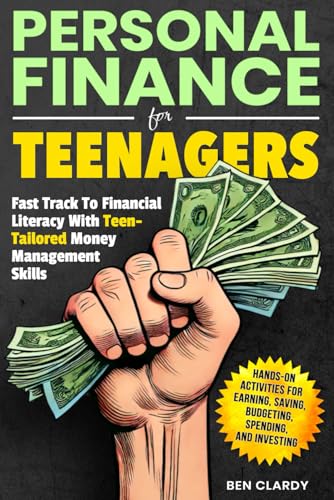
- Built around activities and stock simulations
- Covers earning, saving, investing, and credit
- Uses teen-friendly language and relatable examples
Best For: Teens who learn best through interactive practice
Workbook Choice
35 Money Skills Workbook for Teenagers

- Workbook format with 35+ activities and challenges
- Covers budgeting, saving, investing, and debt
- Includes tools for goals, apps, and organization
Best For: Teens 15-19 who want practice-based money learning
Foundation Builder
Teen Financial Literacy Made Simple

- 60-page beginner workbook
- Covers budgeting, saving, banking, and spending
- Includes guided notes and answer key
Best For: Beginners in middle school, high school, homeschool, and life skills classes
All-in-One Guide
The Ultimate Money Skills Handbook for Teens

- Covers basics, budgeting, saving, credit, and investing
- Uses a nine-step Financial Independence Ladder
- Includes exercises and interactive activities
Best For: Teens who want a broad, step-by-step money roadmap
Interactive Choice Pick

- Choose-your-path story format
- Teaches budgeting and credit through scenarios
- Includes diagrams, challenges, and glossary
Best For: Teens and tweens who learn best through interactive stories
Teen Money Starter Playbook

- Covers budgeting, banking, credit, investing, and scams
- Written for ages 13–18 with practical family guidance
- Includes bonus tools like a first job checklist and budgeting challenge
Best For: Parents and teens who want an action-oriented introduction to money skills
Fast-Track Money Lessons
The Complete Guide to Financial Literacy for Teens

- Step-by-step guide to budgeting, saving, credit, and investing
- Simple explanations with action steps in every chapter
- Built for beginners who want practical money skills fast
Best For: Beginners who want a broad, easy-to-follow teen money guide
Hands-On Money Workbook
Evan-Moor Financial Literacy and Life Skills for Kids

- Workbook-style lessons for ages 12–13
- Covers earning, budgeting, banking, bills, and credit cards
- Uses realistic stories, math problems, and play-money activities
Best For: Younger teens who learn best through guided workbook activities
Money Foundations – Money Skills for Teens
If you want financial literacy books for teens that start with the basics and stay practical, this guide is built for exactly that. It walks readers through budgeting, saving, investing, banking, credit, and fraud awareness in simple language with real-life examples, making it a solid first step toward everyday money confidence.
Best For: Teens ages 12-17 who need a beginner-friendly, all-in-one introduction to personal finance.
Pros:
- Covers core money topics like budgeting, saving, investing, and credit
- Uses easy-to-understand language and real-life examples
- Includes practical skills such as opening a bank account and reading a bank statement
- Touches on fraud, scams, spending habits, and long-term money thinking
Cons:
- Focused on fundamentals rather than deep investing strategies
- Best suited to beginners, not advanced teen investors
This is a straightforward choice for families who want a broad personal finance primer without unnecessary jargon. It’s especially useful if the goal is building a strong money foundation before moving on to more specialized investing books.
Investing Starter Pick – The Motley Fool Investment Guide for Teens
Among financial literacy books for teens, this one leans hard into investing and does it in a lively, approachable way. It focuses on helping teens get started with stocks, build a portfolio, and use time to their advantage, all while mixing in practical advice about saving, spending, and choosing companies that are both cool and profitable.
Best For: Teens who are ready to learn investing basics and want a more energetic, opinionated guide.
Pros:
- Teaches teens how to get started investing with just a few dollars
- Encourages portfolio-building with companies teens can actually care about
- Includes money habits around saving, avoiding pitfalls, and planning for college
- Written in a witty, direct style that feels different from standard finance books
Cons:
- Publication date is older than the other options
- More investing-focused than a general personal finance overview
This is a strong pick if you want teens to think beyond budgeting and start understanding stocks early. It works best for readers who like a more personality-driven approach and are motivated by the idea of building wealth over time.
Hands-On Money Skills – Personal Finance for Teenagers
If you’re comparing financial literacy books for teens that feel interactive, this guide stands out for its activities and practice-based format. It covers earning, saving, budgeting, investing, credit, scams, and even stock market simulations, making it a hands-on option for teens who learn best by doing.
Best For: Teens ages 13-18 who want a teen-tailored, activity-driven personal finance workbook.
Pros:
- Includes hands-on exercises and stock market simulations
- Uses teen-friendly language, humor, and relatable examples
- Covers earning, compound interest, budgeting, credit cards, and credit scores
- Designed to keep teens engaged from start to finish
Cons:
- Focused on breadth and engagement rather than deep detail in any one topic
- Best for readers who like interactive learning, not just reading
This is a smart pick if you want a book that feels more like an active learning tool than a passive read. It should appeal to teens who need motivation as much as information, especially when money lessons need to stick.
Workbook Choice – 35 Money Skills Workbook for Teenagers
For financial literacy books for teens that emphasize practice, this workbook is designed to turn money concepts into action. It uses more than 35 activities, challenges, and practice pages to teach budgeting, saving, investing, debt avoidance, goal setting, and money organization through hands-on learning.
Best For: Ages 15-19 who want a workbook-style approach to building real money habits.
Pros:
- More than 35 engaging activities and real-life practice pages
- Teaches budgeting, saving, investing, and avoiding debt
- Includes guidance on financial apps and tools for staying organized
- Encouraging tone helps teens build confidence and discipline
Cons:
- Published for a later date than the other titles listed
- Workbook format may not suit teens who prefer a traditional reading style
This is the most practice-heavy option in the group, so it makes sense for teens who need structure and repetition. If the goal is to turn money lessons into habits, the workbook format can be especially effective.
Foundation Builder – Teen Financial Literacy Made Simple
Teen Financial Literacy Made Simple: A Beginners's Personal Finance Workbook for Kids and Teens
Check Price On AmazonIf you want financial literacy books for teens that start with the basics and keep things practical, this workbook is built for beginners. It uses guided notes, interactive activities, and real-life scenarios to introduce needs vs. wants, income, budgeting, saving, banking, check writing, and everyday spending decisions in a simple, no-prep format.
Best For: Middle school and high school students, homeschool families, tutors, and life skills classes that want a clear introductory workbook.
Pros:
- 60-page workbook with guided notes and hands-on practice
- Covers core money topics like budgeting, saving, banking, and consumer skills
- Designed for independent learning with a complete answer key
- No-prep format works well for classrooms, homeschool, and tutoring
Cons:
- Focused on fundamentals rather than advanced teen investing topics
- Best suited to structured lessons, not a story-driven read
This is a solid pick if your priority is building a practical foundation first. It keeps personal finance approachable for teens who need step-by-step instruction and repeatable practice.
All-in-One Guide – The Ultimate Money Skills Handbook for Teens
Among financial literacy books for teens, this handbook stands out for covering a wide range of money topics in one place. It moves from financial basics and earning money to budgeting, taxes, insurance, saving, credit, debt, investing, scams, and long-term financial independence, with exercises and activities built into every chapter.
Best For: Teens who want a broad, structured money roadmap with practical activities and a future-focused approach.
Pros:
- Wide coverage from money mindset to investing and financial independence
- Includes exercises and interactive chapter activities
- Breaks learning into a nine-step Financial Independence Ladder
- Addresses real-world topics like bills, credit, fraud, and scams
Cons:
- Broader scope may feel dense for teens who only need basics
- Some sections may be more ambitious than entry-level readers need
This is the best choice if you want a single guide that goes beyond budgeting and saving. It offers a more complete path for teens who are ready to think about adulthood, credit, and investing.
Interactive Choice Pick – Smart Money Skills for Teens
If your goal is to make financial literacy books for teens feel more engaging, this choose-your-path book is a smart option. It teaches budgeting and credit through an interactive story, letting readers make decisions, see consequences, and explore money concepts with illustrations, diagrams, chapter questions, and a glossary.
Best For: Teens and tweens who learn best through stories, choices, and interactive discussion.
Pros:
- Choose-your-path format makes money lessons feel like an adventure
- Focuses on budgeting and credit with realistic scenarios
- Includes illustrations, diagrams, fun facts, and chapter challenges
- Glossary helps teens learn key financial terms
Cons:
- Covers fewer topics than broader teen finance guides
- Interactive style may not suit readers who want a traditional reference book
This book is a strong pick for reluctant readers or teens who need more engagement than a standard workbook provides. It turns core money lessons into something memorable without losing the practical value.
Teen Money Starter Playbook – Teen Money Skills Playbook
If you’re comparing financial literacy books for teens, this one stands out for its practical, family-friendly focus on real-world money decisions. It covers budgeting, banking, compound interest, the gig economy, early investing, credit scores, and online scams, making it a strong fit for teens who need a clear path from first allowance or first paycheck to smarter long-term habits.
Best For: Parents and teens ages 13–18 who want a step-by-step introduction to money skills, especially for budgeting, early investing, and avoiding common financial mistakes.
Pros:
- Covers a wide range of teen money topics, from earning and saving to credit and scams.
- Designed as a practical playbook with clear action steps, not a dry textbook.
- Includes bonus tools like a first job checklist, budgeting challenge, and credit score cheat sheet.
- Built around age-based guidance so teens can focus on what matters now.
Cons:
- Best suited for families who want a structured, parent-supported approach.
- Teens looking for a highly specialized investing-only book may want something narrower.
Overall, this is a strong all-around choice if you want a teen-friendly guide that connects money basics to independence and long-term wealth building. Its biggest advantage is how directly it translates financial concepts into habits teens can start using right away.
Fast-Track Money Lessons – The Complete Guide to Financial Literacy for Teens
For shoppers browsing financial literacy books for teens, this guide is a straightforward option focused on everyday money management. It walks teens through budgeting, saving, credit, investing, debt, and even college-related decisions, with simple explanations and action steps in every chapter so beginners can apply what they learn quickly.
Best For: Teens and parents who want a clear, beginner-friendly money guide with practical exercises and a broad overview of the financial basics.
Pros:
- Simple, step-by-step explanations that are easy for beginners to follow.
- Action steps in every chapter help teens turn lessons into habits.
- Touches on budgeting, credit, investing, debt, and future planning.
- Designed to be relatable and not feel like a dry textbook.
Cons:
- Broad coverage may feel less detailed if you want a deeper dive into one topic.
- Teens with no interest in a workbook-style learning approach may prefer a more narrative book.
This is a practical pick if you want a compact, easy-entry finance book that covers the basics without overwhelming a new reader. It’s especially useful for teens who need confidence and structure before tackling more advanced money topics.
Hands-On Money Workbook – Evan-Moor Financial Literacy and Life Skills for Kids
If you’re looking for financial literacy books for teens that feel more like guided practice than reading-only lessons, this workbook is a solid fit. Aimed at ages 12–13, it uses realistic fiction, vocabulary work, math problems, and hands-on activities to teach earning, budgeting, banking, bills, and even using a credit card.
Best For: Ages 12–13 who learn best through workbook-style activities, real-world scenarios, and structured practice with money concepts.
Pros:
- Workbook format includes realistic fiction, definitions, and hands-on activities.
- Teaches everyday topics like earning money, paying bills, and using a bank.
- Includes math word problems and play-money exercises for practice.
- Backed by a long-established educational publisher.
Cons:
- Best suited to younger teens rather than older high school readers.
- Less focused on investing or long-term wealth-building than some alternatives.
This is a strong choice if you want a structured, classroom-style resource that builds money confidence through repetition and application. It works especially well for younger teens who benefit from seeing financial concepts in everyday situations.
How We Picked These Financial Literacy Books for Teens
We focused on books that explain core money concepts in teen-friendly language, cover practical topics like budgeting and saving, and offer enough structure to keep readers engaged. We also favored titles with hands-on exercises, real-world examples, or an approachable format that supports independent learning.
Quick Comparison of the 10 Books
The best Financial Literacy Books for Teens tend to fall into a few clear categories: beginner-friendly overviews, workbook-style titles with activities, and investing-focused guides for older or more motivated readers. If a teen needs a simple starting point, choose a general money management book. If they learn by doing, a workbook is usually the stronger fit. If they already understand basics, an investing or wealth-building title may be more useful.
Key Buying Factors for Financial Literacy Books for Teens
Reading Level and Tone
Look for clear, age-appropriate language. Teens are more likely to finish a book that feels practical and respectful rather than overly childish or overly technical.
Scope of Topics
Some books cover only budgeting and saving, while others add credit, investing, income, and long-term planning. Pick the scope that matches the teen’s current knowledge and goals.
Format and Engagement
Workbooks, challenge-based books, and choose-your-path formats can be especially effective for reluctant readers. Straight guides may suit self-motivated teens who want faster takeaways.
Real-World Usefulness
The best Financial Literacy Books for Teens connect lessons to everyday decisions like spending allowance, managing a first paycheck, avoiding debt, and setting savings goals.
Who Should Buy Which Financial Literacy Books for Teens?
If you are buying for a complete beginner, choose a simple personal finance overview or workbook. For a teen who wants to start investing early, select a book that goes deeper into stocks, compound growth, and risk basics. For hands-on learners, activity-based titles are usually the best match. Parents, teachers, and mentors should prioritize books that fit the teen’s maturity level, current money experience, and reading preferences so the lessons actually stick.
Overall, the strongest choice is the one a teen will read, understand, and use. A practical book with clear examples and simple next steps is more valuable than a more advanced title that sits on the shelf.