Choosing the right developmental psychology book can make a big difference, whether you are studying human growth, teaching a class, or looking for practical parenting insight.
Our roundup highlights a balanced mix of foundational texts, accessible introductions, and specialized titles so you can find the best fit for your goals.
Best 10 Developmental Psychology Books Picks for 2026
Whole-Brain Parenting Guide
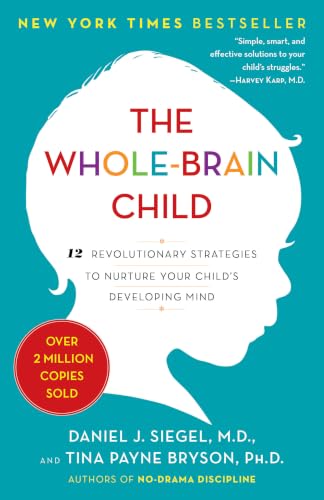
- Explains child brain development in simple terms
- Gives 12 practical strategies for common struggles
- Combines neuroscience with everyday parenting
Best For: Parents wanting practical, science-based guidance
Comprehensive Course Text
Developmental Psychology: Childhood and Adolescence

- Current, comprehensive overview of development
- Clear language with real-life applications
- Strong fit for students and professionals
Best For: Readers needing a broad, textbook-style overview
Classic Cognitive Development Text

- Classic Piaget work on cognitive development
- Covers infancy through adolescence
- Based on interviews and observations
Best For: Readers seeking a foundational theory classic
Large-Scale Textbook Overview
Developmental Psychology: The Growth of Mind and Behavior

- Substantial 660-page textbook
- Built for broad study of mind and behavior
- Suited to academic readers
Best For: Students wanting a large textbook overview
Comprehensive Textbook Pick
An Introduction to Developmental Psychology

- Covers development from conception to adolescence
- Chronological and thematic structure
- Accessible for readers new to the subject
Best For: Students and general readers needing a thorough introduction
Focused Cultural Perspective
Developmental Psychology of the Black Child

- Classic text on Black child development
- Looks at family, school, and social context
- More specialized than a general textbook
Best For: Readers wanting a culturally specific perspective on child development
Concise Intro Text

- Covers attachment, language, and social development
- Includes activities for critical thinking
- Spans prenatal development to adulthood
Best For: Learners seeking a compact, skills-focused intro
Student-Friendly Foundations
Fundamentals of Developmental Psychology

- Revised overview of major developmental psychology topics
- Standalone chapters on attachment, theory of mind, and more
- Clear, student-friendly language with full-color illustrations
Best For: Introductory students and instructors needing a broad, accessible text
Theory-Focused Core
Theories of Developmental Psychology

- Explains the major theoretical schools of child development
- Reflects the latest thought and research in the field
- Substantial 512-page text for deeper academic study
Best For: Students and readers who want a theory-centered developmental psychology text
Exam Prep Toolkit
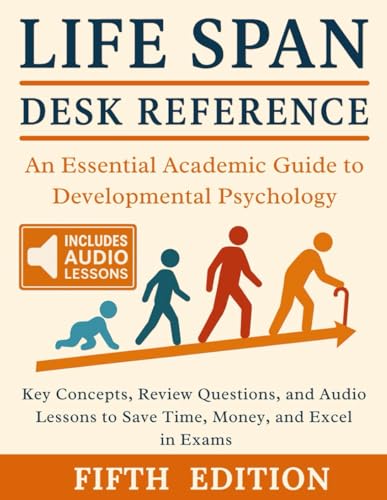
- Compact guide centered on key concepts and review questions
- Includes audio lessons plus online quizzes and simulations
- Designed to save time and support focused exam study
Best For: Exam prep and fast review for students who want a compact study manual
Whole-Brain Parenting Guide – The Whole-Brain Child
The Whole-Brain Child: 12 Revolutionary Strategies to Nurture Your Child's Developing Mind
Check Price On AmazonIf you’re looking for developmental psychology books that turn brain science into everyday parenting help, The Whole-Brain Child is a practical pick. It explains how a child’s brain develops and offers 12 strategies for handling tantrums, fear, arguments, and other common struggles in ways that support healthy emotional growth.
Best For: Parents and caregivers who want neuroscience-based, age-appropriate guidance for raising calmer, more connected kids.
Pros:
- Breaks down the “upstairs brain” and how it matures in clear, accessible language
- Offers 12 practical strategies for everyday behavior and emotion challenges
- Includes illustrations and child-friendly explanations
- Blends brain science with real-life parenting application
Cons:
- Focused more on parenting use than on academic study
- At 192 pages, it’s relatively brief and not exhaustive
This is a strong choice if you want a developmental psychology book that’s useful right away rather than purely theoretical. Its biggest strength is making research feel manageable for family life.
Comprehensive Course Text – Developmental Psychology: Childhood and Adolescence
For shoppers comparing developmental psychology books with a more academic focus, Developmental Psychology: Childhood and Adolescence is a solid textbook-style option. It provides a current, comprehensive overview of child and adolescent development and connects theories and research to real-life settings.
Best For: Students and professionals who need a clear, broad survey of child and adolescent development.
Pros:
- Thoroughly updated and topically organized
- Uses clear, concise language that is easy to follow
- Emphasizes real-world application of theories and research
- Useful for parents, teachers, nurses, pediatricians, and psychologists
Cons:
- Large 720-page format may feel heavy for casual readers
- More textbook-oriented than quick-reference or bedside reading
This book stands out if you want a broad, structured foundation in developmental science. It’s less about quick tips and more about building a dependable understanding of how development works across childhood and adolescence.
Classic Cognitive Development Text – The Psychology Of The Child
If you want developmental psychology books with classic theory at the center, The Psychology Of The Child is an influential choice. Piaget and Inhelder present a definitive account of children’s cognitive development, showing how intelligence unfolds from infancy through adolescence through interaction with the environment.
Best For: Readers who want a foundational classic on child cognitive development and Piaget’s theories.
Pros:
- Written by Jean Piaget, a landmark figure in child psychology
- Focuses on cognitive development from infancy to adolescence
- Grounded in intensive interviews and observations
- Offers a broad, nuanced view of how cognition develops over time
Cons:
- Published long ago, so it may feel dated compared with newer texts
- More theoretical than practical for everyday parenting use
This is the book to choose if you want a classic foundation rather than a modern parenting guide. Its value is in the depth of Piaget’s thinking and its lasting influence on the field.
Large-Scale Textbook Overview – Developmental Psychology: The Growth of Mind and Behavior
Among developmental psychology books, Developmental Psychology: The Growth of Mind and Behavior appears to be a broad, textbook-style overview. Based on the supplied information, it’s a substantial 660-page volume that looks suited to readers who want an in-depth treatment of mind and behavior across development.
Best For: Students and readers looking for a substantial developmental psychology textbook.
Pros:
- Large, in-depth 660-page format
- Designed as a developmental psychology textbook
- Likely useful for broad study of mind and behavior
Cons:
- Supplied notes provide very limited detail about coverage
- May be more academic than practical for casual readers
This title looks like a serious textbook option for readers who want scope and structure. Because the supplied description is minimal, it’s best approached as a general academic pick rather than a highly specialized guide.
Comprehensive Textbook Pick – An Introduction to Developmental Psychology
If you want a thorough developmental psychology books option that moves from conception through adolescence, this 3rd edition offers a broad, authoritative overview. It is organized both chronologically and thematically, and it is written with readers in mind who may have little previous exposure to the field.
Best For: Students and general readers who want a detailed, internationally informed introduction to human development.
Pros:
- Covers human development from conception to adolescence.
- Combines chronological and thematic organization for easier study.
- Written by renowned experts and framed as a state-of-the-art account.
- Designed to be accessible to readers with limited background in developmental psychology.
Cons:
- At 848 pages, it is a substantial read.
- Likely more textbook-like than a quick overview.
Overall, this is the strongest pick if you want a serious, wide-ranging developmental psychology reference rather than a lightweight primer.
Focused Cultural Perspective – Developmental Psychology of the Black Child
This developmental psychology books title takes a focused look at the Black child, with emphasis on family interactions, parental responsibilities, educators, and environmental factors. It is a classic work that offers insights for readers who want a culturally specific perspective rather than a broad general survey.
Best For: Readers seeking a grounded, culturally informed discussion of Black child development.
Pros:
- Centers the developmental experience of Black children.
- Examines family, school, and broader environmental influences.
- Combines lay and professional insight in a classic text.
Cons:
- Much narrower in scope than a general developmental psychology textbook.
- May be less suitable if you want lifespan coverage.
This is a strong choice when your priority is depth on a specific population and the social contexts shaping development.
Concise Intro Text – Developmental Psychology
If you want developmental psychology books that cover the essentials without the heft of a major textbook, this concise introduction is a practical option. It focuses on attachment, social relations, cognitive and language development, and social and cultural contexts, while also touching development across the lifespan.
Best For: Learners who want a compact, skills-focused introduction to core developmental psychology topics.
Pros:
- Concise coverage of major developmental psychology topics.
- Includes prenatal development through adulthood.
- Built-in activities support critical thinking and independent learning.
- Addresses social and cultural contexts alongside core concepts.
Cons:
- At 232 pages, it is less expansive than fuller textbooks.
- Best suited to introductory study rather than deep reference use.
As an introductory pick, it balances core content with student-friendly learning support, making it a sensible choice for coursework or quick orientation.
Student-Friendly Foundations – Fundamentals of Developmental Psychology
If you want developmental psychology books that are approachable without feeling watered down, this revised edition is built for introductory study. It covers core topics like theory of mind, attachment, moral development, methods, developmental disorders, and numerical development, all in standalone chapters with straightforward explanations and full-color illustrations.
Best For: Students, instructors, and readers new to developmental psychology who want a broad, accessible overview.
Pros:
- Thoroughly revised to reflect newer findings in developmental psychology
- Standalone chapters make it easy to focus on individual topics
- Includes classic theories, contemporary research, and new chapters on methods and disorders
- Student-friendly layout with full-color illustrations and clear language
Cons:
- Designed as an introductory companion, so it may not satisfy advanced specialization needs
- Print replica format may be less flexible than a fully interactive digital edition
This is a practical pick if you want a course-friendly introduction that balances coverage and readability. It is especially useful for building a solid base before moving into more specialized developmental psychology books.
Theory-Focused Core – Theories of Developmental Psychology
Among developmental psychology books, this sixth edition stands out for readers who want a clear look at the major theoretical schools of child development. It is aimed at helping you understand and distinguish the leading frameworks in the field, with content that reflects the latest thought and research.
Best For: Readers who want a theory-centered guide to the major schools of developmental psychology.
Pros:
- Focused specifically on the major theoretical schools of child development
- Updated to reflect the latest thought and research
- Substantial 512-page coverage for deeper study
- Useful for comparing and distinguishing developmental frameworks
Cons:
- Less broad than survey-style developmental psychology books
- May feel dense for casual readers looking for a lighter introduction
If your main goal is to understand developmental theory rather than get a general survey, this is a strong, focused option. It suits readers who want a more structured academic companion for studying how the field’s major approaches differ.
Exam Prep Toolkit – Life Span Desk Reference
If you are comparing developmental psychology books for exam prep, this one is built around speed and focus rather than encyclopedic coverage. It emphasizes key concepts, review questions, precise answers with explanations, audio lessons, and an online quiz platform, all presented as a practical study manual.
Best For: Students who want a compact exam-prep guide with quizzes, explanations, and audio lessons.
Pros:
- Focuses on key concepts instead of long-form textbook coverage
- Includes review questions, answers, and in-depth explanations
- Audio mastery lessons support flexible study on the go
- Online quizzes and simulations add extra practice
Cons:
- More of a study aid than a traditional comprehensive textbook
- Its promotional tone may not appeal to readers wanting a neutral academic style
This is a good fit if you want a streamlined companion for test preparation and quick review. It is less about deep reading and more about helping you study efficiently and check what you actually know.
How We Picked These Developmental Psychology Books
We focused on books that are credible, current enough to remain useful in 2026, and strong for their intended audience. That means prioritizing clear explanations of major theories, strong academic value, practical readability, and coverage of child, adolescent, and lifespan development. We also looked for titles that offer real study support, such as review questions, structured chapters, or especially strong organization.
Quick Comparison: Which Type Fits Your Needs?
Not all Developmental Psychology Books serve the same purpose. Some are best for university coursework and theory-heavy study, while others are better for parents, educators, or readers who want a broad overview. If you need a textbook, choose a title with clear definitions, chapter summaries, and a strong theoretical framework. If you want applied insight, look for books that connect development to parenting, schooling, culture, or behavior in everyday life.
Key Buying Factors for Developmental Psychology Books
Audience Level
Match the book to your background. Introductory readers should avoid dense academic language, while advanced students may want deeper coverage of research methods and major theorists.
Scope
Some books focus on childhood and adolescence, while others take a lifespan approach. Choose based on whether you need a narrow developmental stage or a broader perspective.
Theory Vs. Application
If you are studying for exams, theory-rich Developmental Psychology Books are usually best. If you want practical takeaways, look for books that translate concepts into real-world examples.
Format and Study Support
Helpful extras like review questions, glossaries, summaries, and guided exercises can make a big difference for self-study and classroom use.
Who Should Buy Which Developmental Psychology Books?
Students in psychology programs should lean toward textbooks and critical-thinking titles that explain models, research, and terminology clearly. Parents and caregivers may prefer the more accessible books that focus on child development and behavior. Educators, counselors, and readers studying diverse development may benefit from specialized or lifespan-oriented titles. If you want a single all-purpose choice, pick a well-structured introduction with broad coverage and strong teaching support.
In short, the best Developmental Psychology Books are the ones that match your purpose, reading level, and learning style. A careful match will help you get more value from every chapter.