Choosing the right deer hunting books can sharpen your scouting, improve shot selection, and help you make better decisions before the season opens. The best titles do more than inspire—they teach practical skills you can use in the woods.
Below, we’ve focused on books that cover whitetail behavior, bowhunting, public land tactics, and step-by-step hunting fundamentals, so you can match a title to your experience level and hunting goals.
Best 10 Deer Hunting Books Picks for 2026
Field-Tested All-Around Manual

- Covers bow, rifle, shotgun, and muzzleloader hunting
- Includes planning, tracking, and field-dressing tips
- Durable flexicover for indoor and outdoor use
Best For: Hunters who want one broad deer hunting reference
Pressure-Point Bowhunting Guide
Bowhunting Pressured Whitetails

- Targets mature bucks in pressured areas
- Covers scent control and low-sign scouting
- Includes deer-sign reading and ambush tactics
Best For: Bowhunters facing heavily pressured whitetails
Simplified Beginner Roadmap
The Simplest Guide to Whitetail Deer Hunting

- Uses a proven 7-step whitetail system
- Focuses on minimal gear and efficient scouting
- Includes ethical shot placement guidance
Best For: Beginners who want a simple whitetail plan
Public-Land Scouting Playbook
Bowhunting Public Land Whitetails

- Focused on public-land whitetail hunting
- Covers scouting strategies and gear choices
- Built around practical hunt planning and execution
Best For: Bowhunters who hunt public land
Whitetail Science Guide

- Research-driven look at whitetail behavior
- Over 250 photographs included
- Covers both biology and field dressing
Best For: Hunters and readers who want a deep whitetail reference
Classic Tracking Manual
How to Bag the Biggest Buck of Your Life

- Legendary classic on whitetail tracking
- Covers fit, tracks, gear, and rifle use
- Includes field dressing and butchering basics
Best For: Traditional hunters who want hands-on tracking advice
Practical Whitetail Roadmap
Whitetail Deer Hunting Mastery

- No-nonsense whitetail hunting guide
- Covers stand placement and public land tactics
- Focuses on ethical, efficient hunting
Best For: Hunters wanting a modern, straightforward whitetail guide
Map-Driven Deer Scouting

- Uses topo maps and aerial photos to find deer routes
- Explains terrain features that help narrow scouting areas
- Includes digital map personalization tips for stands and sign
Best For: Hunters who want a map-based approach to finding big bucks
Whitetail Tactics Handbook
The Whitetail Hunter's Almanac
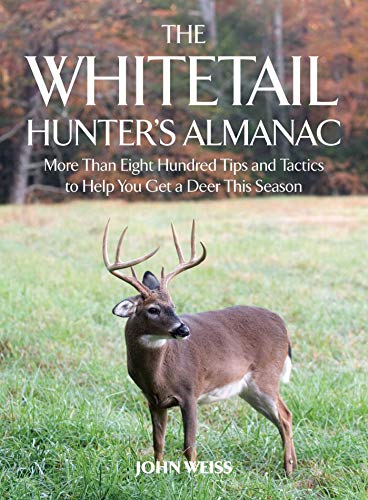
- Packed with 800+ whitetail tips and tactics
- Covers stands, blinds, scents, camo, and weapon choices
- Includes 200+ photos and research-backed guidance
Best For: Whitetail hunters who want a detailed tactics reference
Youth Hunting Stories

- Collection of fictional whitetail hunting short stories
- Written for boys and girls interested in the outdoors
- Suitable for young readers ages 9 and up
Best For: Young readers who enjoy outdoor adventure stories
Field-Tested All-Around Manual – The Total Deer Hunter Manual
If you want one of the more practical deer hunting books for covering the full season, this manual pulls together 301 field-tested skills from Field & Stream deer-hunting experts. It’s built for hunters who want a broad, usable reference for bowhunting, rifle, shotgun, and muzzleloader tactics, with advice that spans shooting, planning, tracking, and field dressing.
Best For: Hunters who want a single, wide-ranging deer hunting reference for multiple seasons and methods.
Pros:
- Covers bow, rifle, shotgun, and muzzleloader hunting
- Includes year-round planning, scouting, and gear prep guidance
- Uses practical, field-tested tips from experienced deer hunters
- Built in a durable flexicover for heavy outdoor use
Cons:
- Broad format may be less focused for one-method specialists
- Some readers may prefer a more niche, advanced strategy guide
This is a strong pick if you want a do-it-all deer hunting handbook that balances basics with useful details. It looks especially valuable for hunters who want one book to reference before, during, and after season.
Pressure-Point Bowhunting Guide – Bowhunting Pressured Whitetails
Among deer hunting books focused on tough conditions, this one targets bowhunters dealing with wary whitetails in pressured areas. It goes deeper than a general manual with detailed coverage of scent control, scouting with minimal human sign, reading deer sign, fitness, and the use of an ambush sling for better shot chances.
Best For: Bowhunters trying to take mature bucks in heavily hunted or pressured areas.
Pros:
- Strong focus on pressured whitetails and mature buck behavior
- Detailed scent-control and minimal-impact scouting guidance
- Includes deer-sign reading and ambush sling techniques
- Useful for serious bowhunters who want more than a basic manual
Cons:
- Most directly relevant to bowhunters, not all firearm hunters
- Shorter book length than some broader deer hunting guides
If your main challenge is hunting educated deer, this book is built around that problem. It’s a focused choice for hunters who want practical tactics for tougher public or pressured settings.
Simplified Beginner Roadmap – The Simplest Guide to Whitetail Deer Hunting
If you want deer hunting books that keep things straightforward, this guide is built around simplicity, confidence, and usable fundamentals. It emphasizes understanding whitetail behavior, basic tracking, efficient scouting, ethical shot placement, and minimalist gear rather than relying on expensive equipment or overcomplicated tactics.
Best For: Beginners and practical hunters who want a simple whitetail system without gear overload.
Pros:
- Breaks whitetail hunting into a proven 7-step system
- Focuses on minimal gear and efficient scouting
- Includes ethical shot placement and confidence-building advice
- Step-by-step approach is accessible for new and experienced hunters
Cons:
- Independently published title may be less established than legacy guides
- May feel too basic for hunters wanting highly specialized tactics
This is a sensible pick if you prefer a clean, no-frills approach to whitetail hunting. It’s especially appealing if you want fewer gadgets and more emphasis on reading deer and making solid decisions in the field.
Public-Land Scouting Playbook – Bowhunting Public Land Whitetails
This entry in deer hunting books is aimed at hunters who want real-world advice for common-ground whitetails. It centers on Tony J. Peterson’s public-land experience, with detailed scouting strategies, gear choices, and a practical look at how he plans and executes hunts across the country each fall.
Best For: Bowhunters who spend most of their time hunting public land and need scouting-focused advice.
Pros:
- Dedicated to public-land whitetail hunting
- Shares detailed scouting strategies from an experienced bowhunter
- Covers gear choices and hunt-planning methods
- Focuses on real-world tactics rather than generic theory
Cons:
- Best suited to bowhunters, not a broad all-method guide
- Shorter page count than many comprehensive manuals
For hunters trying to solve the public-land puzzle, this book keeps the focus where it matters most: scouting and execution. It should appeal to readers who want a concise, practical look at chasing whitetails in shared ground.
Whitetail Science Guide – Whitetail Savvy
If you’re looking for deer hunting books that go beyond basic tips, Whitetail Savvy is built around research, observations, and detailed field knowledge about North America’s whitetails. It combines scientific context with practical material on everything from tree rubs and fawn spots to field dressing, making it useful for hunters who want a deeper understanding of the animal itself.
Best For: Hunters, wildlife-minded readers, and anyone who wants a research-heavy whitetail reference with strong photo support.
Pros:
- Draws on Dr. Leonard Lee Rue III’s lifelong research and observations
- Includes over 250 photographs to support the text
- Covers both deer behavior and practical topics like field dressing
- Useful for hunters as well as readers interested in whitetails more broadly
Cons:
- Leans more toward reference and education than quick-hitting tactics
- Broader focus may be more than some hunters want from a field guide
Overall, this is a strong pick if you want deer hunting books that explain whitetails in depth rather than just offering seasonal tactics. It’s especially appealing for readers who value science, photography, and detailed natural history alongside hunting relevance.
Classic Tracking Manual – How to Bag the Biggest Buck of Your Life
Among deer hunting books, How to Bag the Biggest Buck of Your Life stands out as a plain-talking classic focused on old-school tracking and hard-earned woodsman skills. Larry Benoit’s approach is practical and direct, with guidance on reading tracks, getting fit for the chase, choosing clothing and equipment, handling a rifle, and finishing the job with field dressing and butchering.
Best For: Hunters who want a traditional, no-frills guide to tracking and taking whitetail bucks.
Pros:
- Classic instructional hunting book with a strong reputation
- Focuses on tracking, woods awareness, and active hunting
- Includes practical basics like clothing, equipment, and rifle handling
- Features anecdotes from Benoit’s long hunting career
Cons:
- Less emphasis on modern tactics or gear-heavy strategies
- Shorter length may feel limited for readers wanting a broad reference
This is a good choice if you want deer hunting books that teach a more traditional, hands-on style of hunting. It’s especially appealing for readers who prefer a seasoned tracker’s experience over trendy advice.
Practical Whitetail Roadmap – Whitetail Deer Hunting Mastery
If you want deer hunting books with a modern, practical angle, Whitetail Deer Hunting Mastery is positioned as a no-nonsense guide to ethical whitetail success. It focuses on stand placement, public land tactics, deer behavior, minimalist gear, tracking sign, and post-harvest basics, with an emphasis on helping hunters avoid wasted time and money.
Best For: Beginners and experienced hunters who want a straightforward whitetail system for ethical, efficient hunting.
Pros:
- Covers stand placement and public land strategies
- Includes behavioral insights and tracking basics
- Emphasizes ethical hunting and practical shot placement
- Built around minimalist gear and efficiency
Cons:
- Independently published title with a shorter page count
- Focuses specifically on whitetail hunting rather than broader big-game topics
This book fits well if you want deer hunting books that are easy to follow, current in tone, and centered on real-world whitetail problems. It looks especially useful for hunters who want a simple roadmap instead of gear-heavy theory.
Map-Driven Deer Scouting – Mapping Trophy Bucks
For deer hunting books focused on scouting strategy, Mapping Trophy Bucks shows how topographic maps, aerial photos, and online tools can help you identify deer travel routes and likely ambush spots. It is geared toward hunters who want a more analytical way to plan where to start searching for mature bucks.
Best For: Hunters who want to use maps, terrain features, and digital notes to scout deer habitat more efficiently.
Pros:
- Explains how to use topographic maps and aerial photos to locate deer movement routes
- Shows how terrain features like hills, gullies, rivers, and ridges help narrow your search
- Includes tips for using Internet and computer tools to personalize maps with stand and sign locations
Cons:
- Focused specifically on map-based scouting rather than broader deer hunting topics
- Less about field stories and more about planning and analysis
This is a practical pick if you want deer hunting books that emphasize preparation and location strategy. It’s most useful for hunters who like to study the land before they ever step into it.
Whitetail Tactics Handbook – The Whitetail Hunter's Almanac
The Whitetail Hunter's Almanac: More Than 800 Tips and Tactics to Help You Get a Deer This Season
Check Price On AmazonIf you’re comparing deer hunting books that lean toward practical advice, The Whitetail Hunter’s Almanac is packed with tactics for setting up, shooting, and understanding whitetails. It draws on decades of field experience, research, and photo-rich instruction to help hunters make smarter decisions in the woods.
Best For: Whitetail hunters who want a detailed reference filled with tips, tactics, and practical setup advice.
Pros:
- Offers more than 800 tips and tactics drawn from 30+ years of hunting experience
- Covers blinds, stands, scents, camouflage, and hunting with rifle, shotgun, or bow
- Includes over 200 photographs to support the instructions
Cons:
- Primarily centered on whitetail hunting rather than general deer hunting
- More of a reference guide than a narrative-style read
For hunters who want a deep bench of field-ready ideas, this book stands out as a hands-on manual. It’s a strong choice if you prefer organized, practical guidance over hunting stories.
Youth Hunting Stories – The Deer Hunting Book
Among deer hunting books for younger readers, The Deer Hunting Book is a collection of fictional short stories built around whitetail hunting adventures. It aims to capture the excitement of the outdoors in a fun, age-appropriate format for boys and girls.
Best For: Young hunters and families looking for a deer hunting book with short fictional stories.
Pros:
- Features fictional short stories about whitetail hunting adventures
- Written for boys and girls interested in the outdoors
- Age-appropriate for readers around 9 and up
Cons:
- Not an instructional hunting guide
- Geared toward younger readers rather than adult hunters
This is a good fit if you want a lighter, story-based option instead of a tactics manual. It works best as an introduction to deer hunting themes for kids who enjoy outdoor adventure.
How We Picked These Deer Hunting Books
We looked for Deer Hunting Books that offer useful, field-tested guidance rather than generic advice. Priority went to books with clear tactics, strong whitetail focus, and coverage of real hunting situations like pressured deer, public land, stand placement, and seasonal movement.
We also considered readability, skill level, and whether a book serves a specific type of hunter. That matters because a beginner, a bowhunter, and a public-land hunter usually need very different guidance.
Quick Comparison: Which Type of Reader Fits Which Book?
If you want an all-around manual, choose a broad skills title that covers fundamentals from gear to tracking. If you hunt pressured deer or public land, look for books centered on those conditions. If you’re more analytical, titles focused on mapping, observation, and deer behavior will likely pay off most.
For younger readers or gift buyers, story-based or simpler instructional books may be the better fit. If your goal is a bigger buck, choose books that emphasize mature buck patterns, scouting discipline, and stand strategy.
Key Buying Factors for Deer Hunting Books
Skill Level
Make sure the book matches your current experience. Beginners usually benefit from clear fundamentals and plain-language instruction, while advanced hunters may want more specialized tactics.
Hunting Style
Bowhunters, rifle hunters, public-land hunters, and whitetail-only hunters all face different challenges. The best Deer Hunting Books for your situation will address your terrain, weapon, and hunting pressure.
Practicality
Look for advice you can actually apply this season. Strong books explain why a tactic works and how to adapt it when conditions change.
Focus on Deer Behavior
Books that explain sign interpretation, movement patterns, bedding areas, and seasonal shifts tend to offer more long-term value than generic hunting overviews.
Who Should Buy Which Deer Hunting Books?
New hunters should start with broad instructional books that simplify the basics. Bowhunters and public-land hunters should prioritize titles built around those exact challenges. If you want to deepen your understanding of mature whitetails, choose research-driven or strategy-heavy books that go beyond the basics.
For gifting, short story collections and beginner-friendly titles are often the safest choice. For serious hunters trying to improve results this season, the most useful Deer Hunting Books are the ones that teach repeatable systems for scouting, setup, and shot opportunity.