Cosmic horror works best when the universe feels vast, indifferent, and only partly understood. The right anthology delivers that unease in short, concentrated bursts, making it easy to sample different voices and eras of fear.
This roundup of the best cosmic horror anthologies for 2026 highlights a mix of classic-influenced collections, modern short-story sets, and novella-led picks so you can find the right level of dread, variety, and literary style.
Best 10 Cosmic Horror Anthologies Picks for 2026
Modern Void-Dwelling Fiction

- Contemporary stories inspired by classic weird fiction
- 244 pages of nightmare journeys and cosmic dread
- Kindle support includes Word Wise and enhanced typesetting
Best For: Readers who want a modern anthology shaped by classic weird-fiction influences
Definitive Lovecraftian Collection

- 21 stories from notable Lovecraftian writers
- Edited by S.T. Joshi, a recognized authority
- Long 480-page anthology with classic mythos focus
Best For: Readers who want a star-studded Lovecraftian anthology edited by a recognized authority
Blood-Heavy Cosmic Dread

- Old Gods, darkness, and gore-driven cosmic horror
- 168 pages with multiple grim story setups
- Kindle edition supports screen readers and Word Wise
Best For: Readers who want a shorter, bloodier anthology centered on Old Gods and dark dread
Classic Weird-Fiction Canon
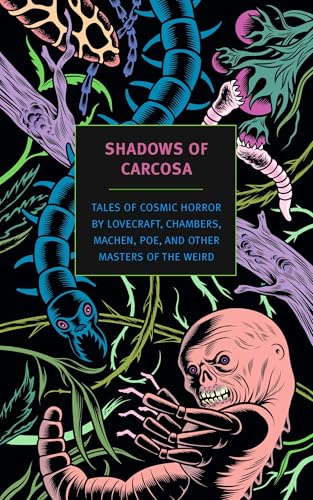
- 12 classic stories from Poe, Chambers, Lovecraft, and more
- Illustrated 368-page New York Review Books edition
- Strong focus on the genre’s literary foundations
Best For: Readers who want a canonical introduction to cosmic and weird horror classics
Modern Cosmic Horror Novellas

- Six cosmic-horror novellas with varied premises
- Modern horror tone with occult and sci-fi dread
- Good if you like anthology-style variety in novella form
Best For: Readers who want recent cosmic horror novellas with diverse hooks
Early Cosmic Horror Classics
The Early Cosmic Horror MEGAPACK®

- 21 stories from 1841 to 1913
- Features influential early weird-fiction authors
- Best for studying cosmic horror’s literary roots
Best For: Readers who want foundational early weird fiction
Sci-Fi Cosmic Horror Anthology

- Ten interconnected sci-fi horror stories
- Set on space stations, colonies, and alien worlds
- Quick 82-page read with Lovecraftian themes
Best For: Fans of space horror who want connected Lovecraftian tales
Editor’s Pick

- Nineteen illustrated cosmic horror tales
- Edited by Ellen Datlow
- Fresh spins on Lovecraftian Mythos
Best For: Readers who want a literary, illustrated Lovecraftian anthology
Monthly Pick
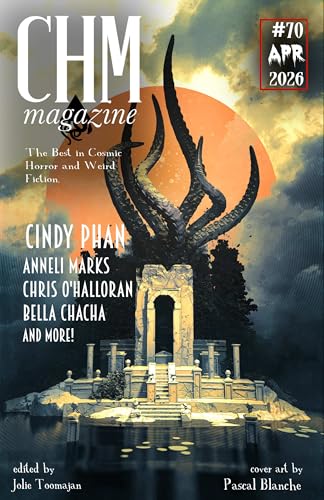
- Monthly issue of original cosmic horror fiction
- Print and digital formats
- Compact 114-page read
Best For: Readers who want a quick, regularly updated weird fiction anthology
Series Sample

- Edited by Jolie Toomajan
- Original cosmic horror and weird fiction
- 124-page monthly issue
Best For: Readers who want a sample issue from a long-running series
Modern Void-Dwelling Fiction – From Beyond the Threshold
If you want cosmic horror anthologies that lean into the classic tradition while still feeling contemporary, this collection is built for that lane. From Beyond the Threshold gathers nightmare journeys inspired by Lovecraft, Blackwood, Chambers, and other foundational weird-fiction writers, with a focus on stories that push nerves and sanity to the edge.
Best For: Readers who want a modern anthology shaped by classic weird-fiction influences.
Pros:
- Draws directly on over a century of cosmic-horror inspiration.
- Offers a contemporary take on the genre’s classic themes.
- Longer 244-page print length gives room for multiple nightmare journeys.
- Enhanced typesetting and Word Wise are enabled for Kindle reading.
Cons:
- Not targeted at readers looking for a single-author collection.
- More focused on atmosphere and dread than on straightforward action.
- Print length may be modest for buyers wanting a very large anthology.
This is a solid pick if your priority is a current anthology that still feels rooted in the genre’s literary history. It should suit readers who value classical cosmic dread presented through newer voices.
Definitive Lovecraftian Collection – Black Wings of Cthulhu
For buyers browsing cosmic horror anthologies with name recognition and deep Lovecraftian roots, Black Wings of Cthulhu is an easy contender. Edited by S.T. Joshi, this 21-story collection brings together established horror writers who expand on Lovecraft’s ideas in original ways, including stories that even feature Lovecraft himself.
Best For: Readers who want a star-studded Lovecraftian anthology edited by a recognized authority.
Pros:
- Includes 21 Lovecraft-inspired stories from well-known horror authors.
- Edited by S.T. Joshi, a recognized authority on Lovecraftian writing.
- Offers original takes on familiar concepts, with some stories featuring Lovecraft.
- Substantial 480-page print length for extended reading.
Cons:
- Centered specifically on Lovecraftian horror, so it may feel narrow for broader cosmic-horror tastes.
- It is part of a series, which may matter if you want a standalone buy.
- The emphasis is on classic mythos expansion rather than experimental new directions.
This is the most established-feeling option in the group, especially if you want a big, curated Lovecraftian showcase. It stands out for pedigree, page count, and a roster of recognizable contributors.
Blood-Heavy Cosmic Dread – The Hunger of Old Stars
If you prefer cosmic horror anthologies with a more visceral edge, The Hunger of Old Stars leans hard into blood, darkness, and offerings to the Old Gods. The description promises a range of scenarios—from a farmer protecting loved ones to a military rescue and a small-town struggle against evil—making it a compact sampler of apocalyptic unease.
Best For: Readers who want a shorter, bloodier anthology centered on Old Gods and dark dread.
Pros:
- Strong Old Gods theme with overt cosmic-horror imagery.
- Varied story setups, including rural, military, and small-town situations.
- Shorter 168-page length makes it approachable.
- Kindle features include screen reader support, enhanced typesetting, and Word Wise.
Cons:
- Much shorter than some other anthologies, so it may feel limited.
- The promotional copy emphasizes gore, which may not suit readers seeking subtle dread.
- Fewer details about the individual stories than some competing collections.
This anthology makes its tone clear: heavy atmosphere, Old Gods, and a blood-soaked presentation. It is a good match if you want a quick but intense cosmic-horror read.
Classic Weird-Fiction Canon – Shadows of Carcosa
For shoppers seeking cosmic horror anthologies with literary history behind them, Shadows of Carcosa is a curated classic. This New York Review Books Classics edition gathers twelve landmark weird tales by Poe, Bierce, Chambers, Machen, Blackwood, Henry James, Lovecraft, and others, making it especially useful if you want the genre’s roots in one volume.
Best For: Readers who want a canonical introduction to cosmic and weird horror classics.
Pros:
- Features landmark authors central to cosmic horror and weird fiction.
- Includes 12 influential stories spanning multiple classic writers.
- Illustrated edition with a substantial 368-page print length.
- Strong choice for readers interested in the genre’s literary foundations.
Cons:
- This is a classics anthology, not a volume of modern original stories.
- Readers wanting newer voices or recent takes on the genre may prefer other picks.
- Some selections are more weird fiction or gothic than pure cosmic horror.
This is the most historically grounded option in the set and a smart buy if you want the core texts that shaped the field. It works especially well as a primer or companion to more contemporary anthologies.
Modern Cosmic Horror Novellas – All The Stars Die
If you want cosmic horror anthologies with a modern edge, All The Stars Die: Cosmic Horror Novellas offers a tightly focused set of stories from John F.D. Taff. The collection leans into dark, varied premises—from cursed labor and occult telescopes to fractured towns and revelations about the moon—so it works well for readers who prefer unsettling concepts with a contemporary horror sensibility.
Best For: Readers who want recent cosmic horror novellas with diverse, high-concept premises.
Pros:
- Six cosmic-horror novellas with clearly distinct hooks.
- Mixes occult, small-town, and sci-fi-adjacent dread.
- Grounded in a modern horror author’s style and voice.
- Good pick if you like anthology-style variety in novella form.
Cons:
- Not a classic-era or “best of” historical anthology.
- Focuses on novellas rather than many short stories.
- Readers wanting purely space-set horror may find the mix broader than expected.
This is a strong choice if you want cosmic horror anthologies that feel current, inventive, and easy to sample in larger novella chunks. The range of settings and ideas gives it broad appeal without losing the ominous, otherworldly tone the keyword suggests.
Early Cosmic Horror Classics – The Early Cosmic Horror MEGAPACK®
The Early Cosmic Horror MEGAPACK®: 21 Stories of Cosmic Horror Before H.P. Lovecraft
Check Price On AmazonFor readers building a serious library of cosmic horror anthologies, The Early Cosmic Horror MEGAPACK® is a valuable deep cut into the genre’s roots. Its 21 stories run from 1841 to 1913 and include influential names like Blackwood, Bierce, Machen, Chambers, Hodgson, Poe, and others, making it especially useful if you want to trace how weird fiction developed into later Lovecraftian horror.
Best For: Readers who want foundational early weird fiction that shaped cosmic horror.
Pros:
- 21 stories spanning seven decades of early weird fiction.
- Includes major foundational authors tied to cosmic horror’s development.
- Useful for readers interested in the genre’s literary history.
- Compact digital edition with 484 pages of material.
Cons:
- Older prose and styles may feel archaic to some readers.
- More historical than modern in tone and pacing.
- Primarily a legacy anthology, not a themed contemporary collection.
If you want cosmic horror anthologies that show where the genre came from, this is one of the most practical options. It’s less about modern scares and more about the eerie foundations that helped define the cosmic dread tradition.
Sci-Fi Cosmic Horror Anthology – Tales Beyond Space
Tales Beyond Space: A Cosmic Horror Anthology is a compact pick for readers who want cosmic horror anthologies with a strong science-fiction setting. The ten interconnected stories move through haunted space stations, derelict colonies, alien moons, and ancient artifacts, so it’s a good fit if you like your dread delivered through space travel, forbidden signals, and the sense that humanity has stumbled into something ancient and hostile.
Best For: Fans of space horror who want interconnected Lovecraftian stories.
Pros:
- Ten interconnected sci-fi horror stories in one collection.
- Uses space stations, colonies, moons, and artifacts for variety.
- Built around Lovecraftian themes of the void and the unknowable.
- Short 82-page length makes it a quick, focused read.
Cons:
- Much shorter than many traditional anthologies.
- More explicitly sci-fi horror than pure literary cosmic horror.
- Limited length may leave some readers wanting more depth.
This is a straightforward recommendation if you want cosmic horror anthologies that stay tightly focused on space-based fear. The interconnected structure should appeal to readers who like a shared universe feel rather than a loose assortment of unrelated tales.
Editor’s Pick – Lovecraft's Brood
If you’re shopping for cosmic horror anthologies that push Lovecraftian ideas into stranger territory, Lovecraft’s Brood: Nineteen Tales of Cosmic Horror is a strong pick. This illustrated collection from editor Ellen Datlow and artist John Coulthart promises weird, disorienting stories built around classic Mythos dread, with a focus on psychological impact and imaginative new spins on familiar themes.
Best For: Readers who want a polished, illustrated cosmic horror anthology with literary weight and fresh Mythos variations.
Pros:
- Nineteen tales of cosmic horror in one collection
- Edited by Ellen Datlow, with illustrations by John Coulthart
- Features inventive takes on Lovecraftian and Mythos themes
- Starred review notes strong psychological horror
Cons:
- Very much aimed at fans of Lovecraftian horror
- The surreal stories may leave some readers disoriented
- Not a broad horror sampler; it’s focused on one style
This is the most substantial and curated entry here, making it a standout if you want cosmic horror anthologies with an editorial pedigree and a vivid presentation. The promise of strange premises—from fungal hallucinations to portal-stitching—suggests a collection that leans hard into the weird.
Monthly Pick – Cosmic Horror Monthly #70
For buyers looking for ongoing cosmic horror anthologies, Cosmic Horror Monthly #70 April 2026 delivers a compact monthly dose of weird fiction in print and digital formats. This issue collects original stories from multiple authors and is designed for readers who want a steady stream of Lovecraftian and cosmic horror short fiction rather than a single themed mega-anthology.
Best For: Readers who want a short, regularly updated anthology of cosmic horror and weird fiction.
Pros:
- Monthly collection with new original fiction
- Available in print and digital formats
- Focused on cosmic horror, Lovecraftian, and weird fiction
- Compact 114-page issue for quick reading
Cons:
- Shorter than a full-length anthology
- Part of an ongoing series, not a standalone definitive collection
- Best if you already enjoy the magazine’s format
This is a practical choice if you want a smaller, current snapshot of the genre. The series format makes it easy to sample new voices, though readers seeking a single large, curated volume may want something more expansive.
Series Sample – CHM #52 October 2024
If you’re comparing cosmic horror anthologies and want a representative issue from an established series, CHM #52 October 2024 is an easy entry point. This monthly collection from Cosmic Horror Monthly features original fiction by multiple authors and is edited by Shirley Jackson award-winner Jolie Toomajan, making it a useful sample of the magazine’s Lovecraftian and weird-fiction approach.
Best For: Readers who want an affordable-looking sample of a long-running cosmic horror series.
Pros:
- Edited by Shirley Jackson award-winner Jolie Toomajan
- Includes original fiction by several authors
- Built around cosmic horror, Lovecraftian, and weird fiction
- Short, manageable 124-page format
Cons:
- Part of a series, so it may not satisfy readers wanting a standalone book
- Monthly format means each issue is relatively brief
- Most useful if you already like magazine-style anthologies
This issue is best treated as a sample of the series rather than a one-and-done destination. Its editorial credentials and focused theme make it appealing for genre fans who want a concentrated burst of cosmic dread.
How We Picked These Cosmic Horror Anthologies
We focused on collections that offer a strong fit for readers seeking atmosphere, scale, and existential unease rather than simple monster stories. Selection also favored clear editorial intent, recognizable quality signals such as established imprints or recurring anthology series, and a useful range of substyles within Cosmic Horror Anthologies.
We also looked for variety in format. Some readers want a dense story collection, while others prefer novellas, themed sets, or historically rooted weird fiction. That spread helps buyers match the book to their reading habits instead of choosing solely by title or cover appeal.
Quick Comparison
If you want a broad sampler, choose a multi-author anthology with many stories. If you prefer deeper immersion, a novella collection may feel more satisfying. Readers interested in the roots of the genre should prioritize earlier weird fiction and pre-Lovecraft material, while modern fans may prefer newer anthologies with contemporary pacing and polish.
Key Buying Factors for Cosmic Horror Anthologies
Story Mix and Length
Check whether the book is built around short stories, novellas, or a hybrid approach. Shorter pieces are ideal for quick reading and variety, while longer works can develop dread more slowly and build a stronger sense of scale.
Classic Versus Contemporary Tone
Some Cosmic Horror Anthologies lean heavily into Lovecraftian language, old-world strange fiction, and antiquarian framing. Others use modern prose and updated settings. Choose the tone that matches the experience you want.
Originality and Range
The best collections balance familiar cosmic themes with fresh angles. Look for anthologies that include a range of perspectives, settings, and levels of intensity so the reading experience does not feel repetitive.
Editor or Series Reputation
Recurring series and reputable publishers often provide a more consistent curation standard. That matters in anthology buying, since the weakest stories can lower the value of an otherwise strong collection.
Who Should Buy Which Cosmic Horror Anthologies?
Newcomers to the genre should start with a broad, readable anthology that offers variety without assuming deep background knowledge. Readers who already love weird fiction may prefer historically important collections or books that reference the genre’s early masters.
If you want a fast-paced sampler, choose a story-heavy volume. If you want more emotional weight and sustained dread, a novella-focused book is usually the better fit. For dedicated fans of Cosmic Horror Anthologies, the best choice is often the one that best matches your tolerance for classic style versus modern experimentation.