Choosing the right bass fishing book can save you time on the water and help you build a smarter approach to locating and catching fish.
From beginner-friendly basics to advanced strategy guides, this roundup highlights the best options for anglers who want practical advice they can use right away.
Best 10 Bass Fishing Books Picks for 2026
Pro Bass Playbook
Kevin VanDam's Bass Strategies Revised Edition

- Revised edition with updated bass tactics
- Covers freshwater lakes and rivers
- Adds a new section on power fishing
Best For: Readers who want a practical, pro-level bass strategy guide
Field-Tested Basics

- 318 field-tested fishing skills and tactics
- Covers gear, lures, and water-specific strategies
- Includes advice for finding lunker bass
Best For: Anglers who want a broad reference with bass-finding tips
Seasonal Bass Map
The Pocket Guide to Seasonal Largemouth Bass Patterns
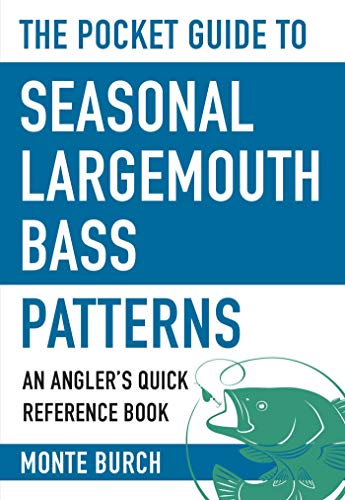
- Breaks bass fishing into eight seasonal periods
- Includes maps and water-condition guidance
- Compact guide for easy carry
Best For: Anglers who want a portable seasonal largemouth bass reference
Pro-Level Edge

- Insights from five professional anglers
- Covers innovative techniques and winning methods
- Links lure choices to lake terrain targets
Best For: Recreational anglers ready for more advanced bass tactics
In-Fisherman Strategy Classic
Largemouth Bass: An In-Fisherman Handbook

- Expert-led look at largemouth bass strategy
- Combines biology with on-the-water experience
- Long-form 336-page reference guide
Best For: Anglers seeking a classic, strategy-heavy bass reference
Modern Bass Basics
Bass Fishing Mastery for All Levels

- Step-by-step guide for catching bass
- Covers gear, tactics, and bass behavior
- Includes a tournament prep bonus
Best For: Anglers who want a simple, practical guide from novice to pro
Structured Short-Trip System
The Bass Fishing 20-Cast Method
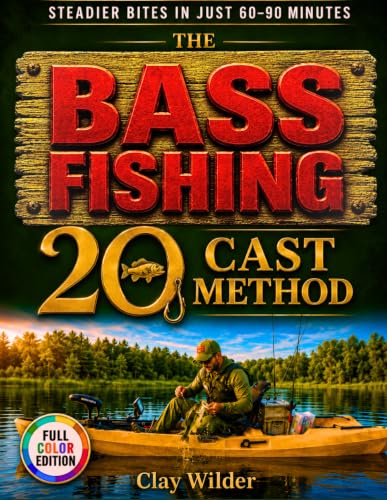
- Repeatable 20-cast search sequence
- Built for short bank or kayak sessions
- Includes a 28-day consistency plan
Best For: Anglers who want a fast, structured method for short trips
Beginner-Friendly No-Fluff Pick
Largemouth Bass Fishing for Beginners Minus the Boring Parts

- 99 practical tips for real fishing situations
- Covers lures, seasonal patterns, and rookie mistakes
- Includes illustrations and bonus pages
Best For: New anglers who want a simple largemouth bass guide
Tricks-and-Facts Angle

- 157 tips, facts, and hacks to browse quickly
- Simple science explains fish behavior
- Includes old-school tricks and interactive sections
Best For: Anglers who want bite-sized tips and a giftable fishing read
Most Complete Beginner System
Bass Fishing for Beginners (2nd Edition)
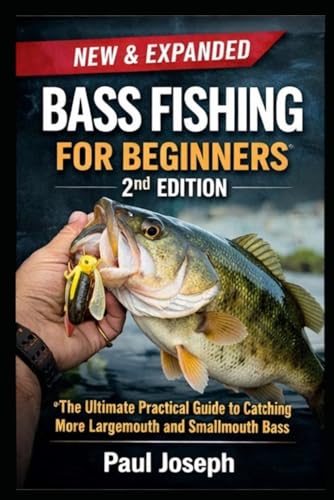
- Step-by-step system for beginners
- Covers rigs, lures, and seasonal strategies
- Includes weather, wind, and pressure patterns
Best For: Beginners who want a fuller, structured bass fishing guide
Pro Bass Playbook – Kevin VanDam's Bass Strategies Revised Edition
If you want bass fishing books that focus on proven tactics from a top pro, this revised Kevin VanDam title is a strong fit. It covers locating and catching bass in freshwater lakes and rivers, and the updated edition adds fresh tips, new photos, and a new section on power fishing.
Best For: Anglers who want a practical, pro-level guide to bass strategies and power fishing.
Pros:
- Written by Kevin VanDam, a leading professional bass angler
- Includes updated tips and techniques for lakes and rivers
- Added section on power fishing
- New photos help support the instruction
Cons:
- Focused specifically on bass, not broader fishing topics
- Best value for readers interested in a technique-driven approach
This is a straightforward choice for readers who want instruction from a successful tournament angler and prefer a book built around actionable bass tactics.
Field-Tested Basics – The Total Fishing Manual
The Total Fishing Manual (Paperback Edition): 318 Essential Fishing Skills (Field & Stream)
Check Price On AmazonFor buyers comparing bass fishing books with a wider skill set, this Field & Stream guide stands out for its broad, practical coverage. It packs 318 field-tested skills, including advice on choosing lures, customizing gear, finding fish, and using strategies across ponds, rivers, big lakes, and more.
Best For: Beginners and weekend anglers who want a broad fishing reference with useful bass-finding advice.
Pros:
- Contains 318 techniques and tactics
- Includes guidance on lures, tackle, rods, and reels
- Offers field-tested strategies for many waters, including big lakes and rivers
- Includes advice on finding lunker bass
Cons:
- Not a bass-only book
- Coverage is broad, so dedicated bass anglers may want a more specialized guide
This is a strong all-around fishing manual for readers who want one book that covers core angling skills and still includes practical bass-hunting guidance.
Seasonal Bass Map – The Pocket Guide to Seasonal Largemouth Bass Patterns
If you prefer bass fishing books that help you match tactics to the calendar, this pocket guide is built for that purpose. It breaks largemouth bass fishing into eight seasonal periods, explains water conditions and clarity, and adds maps that show where to find bigger bass.
Best For: Anglers who want a compact seasonal reference for locating largemouth bass.
Pros:
- Organized around eight seasonal bass patterns
- Explains water conditions, temperature, and clarity
- Includes maps for finding the best locations
- Compact size makes it easy to carry
Cons:
- Shorter than many full-size bass fishing guides
- Centered on largemouth bass rather than a broader species mix
This guide is a smart pick if you want a portable bass reference that ties seasonal changes directly to where and when to fish.
Pro-Level Edge – Next-Level Bass Fishing
Among bass fishing books aimed at improvement, this title leans into the habits and ideas that separate average anglers from more advanced ones. It brings together insights from five professional anglers and turns those lessons into techniques, lure choices, and terrain targets you can actually use on the water.
Best For: Recreational anglers who want advanced ideas inspired by professional bass anglers.
Pros:
- Features input from five professional anglers
- Focuses on innovative techniques and winning methods
- Connects angling concepts to lure selection and lake terrain
- Designed to help readers think more like a pro
Cons:
- More advanced in tone than a basic starter guide
- Best suited to readers specifically interested in bass fishing
This book is a good match for anglers who already know the basics and want a more strategic look at bass fishing from proven competitors.
In-Fisherman Strategy Classic – Largemouth Bass: An In-Fisherman Handbook
If you want bass fishing books that go beyond quick tips, this In-Fisherman handbook takes a biology-and-strategy approach to largemouth bass. It combines expert insight with a lifetime of experience, making it a solid pick for anglers who want to understand why bass behave the way they do and how that translates into better decisions on the water.
Best For: Anglers who want a deep, strategy-focused reference on largemouth bass behavior and tactics.
Pros:
- Blends bass biology with practical fishing strategy.
- Written by a group of experienced bass fishing experts.
- Substantial 336-page handbook for detailed study.
- Useful for anglers who like a methodical, knowledge-first approach.
Cons:
- Published in 1992, so some gear references may feel dated.
- Focused specifically on largemouth bass rather than a broader species mix.
This is the kind of bass fishing book that suits readers who want to build a strong foundation, not just collect tactics. If you value understanding bass behavior as part of your fishing plan, it offers a classic, detailed framework.
Modern Bass Basics – Bass Fishing Mastery for All Levels
Among bass fishing books aimed at beginners and improving anglers, this guide stands out for its step-by-step structure. It focuses on choosing gear, reading water, and using proven tactics so you can fish with a plan instead of guessing what to try next.
Best For: Novice-to-intermediate anglers who want a straightforward, confidence-building bass fishing guide.
Pros:
- Explains gear choices in a simple, practical way.
- Covers lure presentation and retrieval techniques.
- Includes bass behavior basics tied to season, weather, and structure.
- Offers a bonus tournament prep section.
Cons:
- At 80 pages, it is a relatively short read.
- Self-published format may feel lighter than a long reference manual.
This is a good pick if you want a clear, modern bass fishing book that emphasizes process over jargon. It is designed to help you make smarter decisions and fish with more confidence right away.
Structured Short-Trip System – The Bass Fishing 20-Cast Method
If you need bass fishing books that help you make better decisions fast, this one is built around a repeatable search sequence. It is aimed at anglers who fish short sessions and want a clear system for locating bass, adjusting depth and speed, and staying confident under pressure.
Best For: Bank anglers, kayak anglers, and anyone who wants a structured plan for short bass fishing trips.
Pros:
- Uses a clear 20-cast search sequence to locate bass.
- Includes a 28-day consistency plan for steady improvement.
- Breaks down decision-making with wind, light, and water-clarity cues.
- Built for short, focused trips with limited time on the water.
Cons:
- Less of a broad overview and more of a specific system.
- Advanced anglers looking for expansive theory may want a deeper reference.
This book is a strong fit if you want a repeatable method instead of trial-and-error fishing. Its practical framework is designed to reduce guessing and help you leave the water with useful feedback every time.
Beginner-Friendly No-Fluff Pick – Largemouth Bass Fishing for Beginners Minus the Boring Parts
If you want bass fishing books that get straight to the point, this beginner guide is built for real-world fishing decisions without heavy jargon. It focuses on 99 practical tips, lure picks, seasonal patterns, and common rookie mistakes so you can fish smarter whether you’re on the bank, a dock, or a boat.
Best For: New anglers who want a simple, practical largemouth bass guide they can use right away.
Pros:
- 99 practical tips focused on real fishing situations
- Simple guidance on lures, seasonal patterns, cover, and structure
- Includes helpful illustrations and bonus pages for easier learning
- Written in a clear, beginner-friendly style with no fluff
Cons:
- Centered on largemouth bass rather than a broad multi-species approach
- At 107 pages, it is a shorter read than some more comprehensive guides
This is a strong pick if you want a compact bass fishing book that prioritizes clarity and confidence over theory. It should appeal most to beginners who want usable advice they can apply on their next trip.
Tricks-and-Facts Angle – 157 Ways to Kick Bass
Among bass fishing books, this one is aimed at anglers who like short, useful takeaways instead of a dry manual. It packs 157 facts, tricks, and hacks, mixing practical advice with science made simple so you can make sharper decisions on the water.
Best For: Anglers who enjoy bite-sized tips, clever tricks, and a giftable fishing book format.
Pros:
- 157 tips, facts, and hacks in an easy-to-browse format
- Includes simple explanations of how fish react to light, sound, temperature, and pressure
- Features old-school tricks and hands-on adjustments you can try on the water
- Interactive sections add a more engaging reading experience
Cons:
- Leans more toward facts and tricks than a structured step-by-step system
- Broad fishing advice may be less focused than a pure bass-specific manual
This is a good fit if you want a fishing book you can dip into quickly for ideas and reminders. It stands out more as a practical, giftable resource than a deep instructional manual.
Most Complete Beginner System – Bass Fishing for Beginners (2nd Edition)
If you’re comparing bass fishing books for a more complete starter system, this 2nd edition goes deeper than basic gear advice. It covers bass behavior, seasonal patterns, lure selection, and step-by-step techniques designed to help beginners catch more largemouth and smallmouth bass from the bank, kayak, or boat.
Best For: Beginners who want a fuller, more structured bass fishing guide with seasonal and technique-focused instruction.
Pros:
- Step-by-step beginner system with a strong practical focus
- Covers Texas rigs, jigs, crankbaits, spinnerbaits, chatterbaits, swimbaits, and more
- Includes seasonal strategies plus weather, wind, and pressure patterns
- Helpful for ponds, lakes, and rivers across different fishing setups
Cons:
- More detailed than a quick-reference guide, so it may take longer to work through
- Geared toward beginners, so advanced anglers may want more specialized content
This is the most structured option in the group for anglers who want a fuller foundation. If you want one of the more complete bass fishing books for learning the basics and building confidence, this is the strongest choice.
How We Picked These Bass Fishing Books
We focused on books that offer clear, usable instruction rather than generic fishing advice. Priority went to titles with strong coverage of bass behavior, seasonal patterns, lure selection, reading water, and presentation tactics. We also looked for books that suit different skill levels, so beginners and experienced anglers can both find something useful.
Quick Comparison
Think of these Bass Fishing Books in three broad groups: beginner guides for fundamentals and confidence, strategy-heavy manuals for improving decision-making, and quick-reference books for seasonal patterns or on-the-water reminders. If you want one all-around resource, choose a broad technique guide. If you want faster answers at the ramp or on the bank, a pocket-style reference may be the better fit.
Key Buying Factors for Bass Fishing Books
Skill Level
Match the book to your current experience. Beginners should look for clear explanations of gear, knots, lures, and basic bass habits. More advanced anglers may benefit more from books that dig into depth control, bait placement, seasonal movements, and pattern recognition.
Fishing Style and Goals
Consider whether you fish from shore, kayak, or boat, and whether you target largemouth, smallmouth, or both. Some Bass Fishing Books lean heavily toward general tactics, while others are more specific about seasonal largemouth patterns or tournament-style thinking.
Practicality
The best books are easy to apply on the water. Look for step-by-step systems, diagrams, checklists, and concise troubleshooting tips. Field-ready references are especially helpful if you want quick answers without rereading long chapters.
Depth Versus Speed
Some readers want a deep dive into bass behavior and advanced strategy, while others want a short, tactical guide they can revisit before each trip. There is no single best format; the right choice depends on how you learn and how often you fish.
Who Should Buy Which Bass Fishing Books?
If you are brand new to the sport, start with a beginner-focused guide that explains the basics without jargon. If you already understand the fundamentals, choose a more technical book that helps refine lure choice, retrieve speed, and seasonal adjustments. Anglers who like fast, practical reminders should lean toward compact pattern books or step-by-step systems. For the broadest learning value, pick one of the more comprehensive Bass Fishing Books that covers both theory and application.
In short, the best choice is the one that matches your experience level and the way you fish. A focused, well-organized book can make your next trip far more productive than a pile of scattered tips.