If you want to understand jazz harmony, write better lines, or make faster progress at the instrument, the right book can help more than random videos and scattered notes.
This roundup highlights 10 of the best jazz theory books for 2026, with options for beginners, piano-focused players, composers, and self-directed learners.
Best 10 Jazz Theory Books Picks for 2026
Comprehensive Jazz Theory

- Thorough, easy-to-understand coverage
- Used by universities worldwide
- Best for intermediate to advanced players
Best For: Intermediate to advanced players seeking a deep reference
Jazz Piano Focus

- Acclaimed method for jazz pianists
- Covers voicings, II-V-I, and comping
- Practical 306-page keyboard guide
Best For: Pianists wanting theory they can apply at the keyboard
Compact Theory Reference

- Concise 60-page reference
- Logical order for common jazz materials
- Geared to composition and improvisation study
Best For: Readers who want a compact jazz theory reference
Modern Theory and Practice

- Modern introduction with repertoire examples
- Practical for performers, arrangers, and composers
- Includes CD-ROM exercises and tutorials
Best For: Musicians wanting a practical modern introduction
Core Jazz Harmony Guide

- Covers chords, tensions, and harmonic motion
- Includes exercises, listening tips, and audio access
- Useful for all instruments and lesson settings
Best For: Students and teachers building a Berklee-style harmony foundation
All-Level Theory Text

- Moves from basics to advanced study
- Pairs theory with ear training and improvisation
- Includes 390 examples plus companion audio
Best For: Students and courses needing a full-spectrum jazz theory textbook
Pattern-Based Improvisation Book

- Over 400 chord- and scale-based patterns
- Compact charts and explanations for practice
- Built for treble clef composition and improvisation
Best For: Treble clef players seeking a practical improvisation pattern reference
Foundational Jazz Theory Starter
Alfred's Essentials of Jazz Theory, Book 1

- Written and reading exercises for jazz basics
- Included audio supports ear-training and listening
- Best if you already know basic music theory
Best For: Learners who want a guided first step into jazz concepts
Comprehensive Jazz Harmony Workbook
Jazz Theory & Workbook for All Instruments
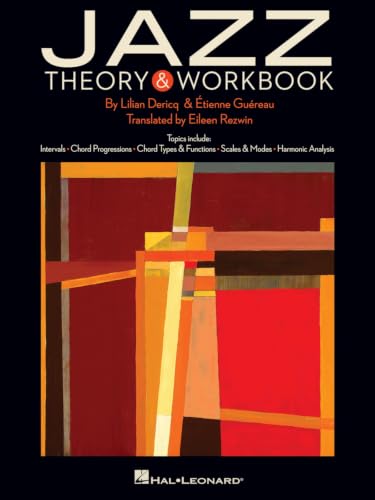
- Step-by-step coverage from intervals to synthetic modes
- Theory is tied to jazz standards and improvisation
- Useful for all instruments, plus teaching and composition
Best For: Players and writers who want a thorough jazz harmony workbook
Complete Jazz Theory Course
Alfred's Essentials of Jazz Theory, Complete 1-3

- Combines the full 1-3 course into one book
- Audio plus exercises support ear-training and review
- Works best with prior basic theory knowledge
Best For: Learners who want a fuller all-in-one jazz theory course
Comprehensive Jazz Theory – The Jazz Theory Book
If you want one of the most complete jazz theory books for serious study, The Jazz Theory Book is built as a broad, easy-to-follow reference for intermediate to advanced players. It covers the core information jazz students need in a thorough way, and it’s widely used by universities.
Best For: Intermediate to advanced players who want a deep, all-in-one jazz theory reference.
Pros:
- Very comprehensive coverage of jazz theory topics
- Written in an easy-to-understand style despite its depth
- Endorsed by respected jazz names and used in university settings
- Large 522-page format for extended study
Cons:
- Likely more book than a beginner needs
- Large size and weight make it less portable
This is a strong pick if you want a single jazz theory book that can support long-term study rather than a quick overview.
Jazz Piano Focus – The Jazz Piano Book
Among jazz theory books aimed at pianists, The Jazz Piano Book stands out as a method-style guide with detailed coverage of the voicings, chords, and comping ideas piano players use most. It includes over 300 pages and topics ranging from intervals and triads to block chords and left-hand voicings.
Best For: Pianists who want a practical jazz theory book focused on harmony and comping.
Pros:
- Highly acclaimed jazz piano method
- Covers essential piano topics like II-V-I, voicings, and block chords
- Includes practical material for comping and left-hand techniques
- Substantial 306-page format with a focused structure
Cons:
- Specialized for piano rather than all instruments
- May be too focused if you want a broad jazz theory overview
If your goal is to apply theory directly at the keyboard, this book offers a practical path through the most important jazz piano concepts.
Compact Theory Reference – The Jazz Language
The Jazz Language is one of the more concise jazz theory books here, presenting the materials commonly used by jazz musicians in a logical order. Rather than acting as a full arranging or improvisation method, it works as a short reference text for composition and improvisation study.
Best For: Musicians who want a concise reference for core jazz language concepts.
Pros:
- Logical organization of common jazz materials
- Designed as a pedagogical reference
- Useful for composition and improvisation study
- Very compact 60-page format
Cons:
- Not intended as a full arranging text
- Not intended as a full improvisation text
This is a smart option if you want a compact theory resource that gets to the point without the bulk of a larger method book.
Modern Theory and Practice – Jazz Theory and Practice
Jazz Theory and Practice is positioned as a modern introduction to jazz theory, with examples drawn from the repertoire and practical coverage for performers, arrangers, and composers. It also mentions a CD-ROM with extra ear-training, sight-reading exercises, and related tutorials.
Best For: Players and writers who want a practical, modern introduction with supplemental study material.
Pros:
- Modern introduction to jazz theory
- Examples drawn from the repertoire
- Useful for performers, arrangers, and composers
- Includes supplemental CD-ROM material for practice
Cons:
- Less compact than a quick-reference book
- Supplemental CD-ROM may be less convenient for some buyers
If you want a theory book that balances explanation with practical examples and exercises, this one offers a well-rounded approach.
Core Jazz Harmony Guide – Berklee Book of Jazz Harmony
If you’re comparing jazz theory books for a structured introduction to harmony, this Berklee title is a strong fit. It explains chords, tensions, and harmonic motion in a way that’s meant for students, teachers, and instrumentalists across different levels, with examples and listening support to connect theory to sound.
Best For: Students, teachers, and players who want a Berklee-style foundation in jazz harmony for study, lessons, composition, and improvisation.
Pros:
- Comprehensive coverage of jazz harmony from basic chord types to extensions and progressions
- Includes written exercises and listening suggestions to reinforce each lesson
- Online audio access lets you loop, slow down, or change key with PLAYBACK+
- Designed for all instruments, including piano, guitar, and saxophone
Cons:
- More focused on harmony study than on a broad survey of every jazz topic
- May feel structured for readers looking for a looser, more pattern-based approach
This is a practical pick if you want a classroom-friendly book that links jazz harmony to real playing. Its lesson structure and audio tools make it especially useful for self-study or guided instruction.
All-Level Theory Text – Jazz Theory
Among jazz theory books, this second-edition textbook stands out for bridging theory and practice from the ground up. It moves from basics through intermediate and advanced material, pairing written study with ear training, keyboard work, improvisation, and play-along audio so the concepts stay musical.
Best For: Learners who want a full jazz theory textbook that can work for beginners, advanced students, and semester-length courses.
Pros:
- Organized into Basics, Intermediate, and Advanced sections for flexible study
- Includes 390 musical examples across standards, transcriptions, solos, and reharmonizations
- Companion website adds play-along sessions, audio examples, and extensive exercises
- Strong mix of ear training, rhythm, notation, analysis, improvisation, and keyboard work
Cons:
- Large scope may be more than casual readers need
- Best suited to readers who want a textbook-style approach rather than a quick reference
This book is a solid choice if you want one resource that can grow with you over time. Its depth, exercise library, and companion materials make it especially valuable for serious study.
Pattern-Based Improvisation Book – Patterns for Jazz
Patterns for Jazz -- A Theory Text for Jazz Composition and Improvisation: Treble Clef Instruments
Check Price On AmazonIf your goal is to build vocabulary through practice, this is one of the more focused jazz theory books for composition and improvisation. It presents more than 400 chord- and scale-based patterns with brief explanations and condensed charts, making it easy to move from concept to application.
Best For: Players who want a compact, pattern-driven reference for jazz composition and improvisation, especially treble clef instruments.
Pros:
- More than 400 patterns built on chords and scales
- Condensed charts and explanations help clarify how patterns are used
- Compact 184-page format makes it easy to browse and practice from
- Designed specifically for treble clef instruments
Cons:
- Less comprehensive than larger theory textbooks
- Limited to treble clef instruments in this edition
This is a strong supplement if you want direct material to practice and apply quickly. It works best as a hands-on vocabulary builder rather than an all-in-one theory course.
Foundational Jazz Theory Starter – Alfred's Essentials of Jazz Theory, Book 1
If you’re looking for jazz theory books that make the basics approachable, this Alfred starter book is built for musicians who want clear introductions to jazz concepts and terminology. It uses written and music-reading exercises, plus included audio for ear-training and listening practice, making it a practical first step for structured study.
Best For: Jazz learners who already have basic music theory and want a guided introduction to core jazz concepts.
Pros:
- Combines written exercises with music reading practice
- Includes audio for ear-training and listening support
- Each unit ends with a review section
- Encourages playing or singing along with examples
Cons:
- Recommended only if you already understand basic theory
- Short at 40 pages, so it functions more like a starter course than a deep reference
This is a focused option for building confidence with jazz fundamentals in a step-by-step format. If you want a compact entry point with both study and listening components, it fits that role well.
Comprehensive Jazz Harmony Workbook – Jazz Theory & Workbook for All Instruments
Among jazz theory books, this workbook stands out for players who want a structured path from harmony basics to more advanced concepts. It explains how jazz standards are built, connects theory to improvisation and composition, and uses clear examples and exercises to keep the material practical for all instruments.
Best For: Instrumentalists, arrangers, and composers who want a broad, step-by-step study of jazz harmony and improvisation.
Pros:
- Designed for all instruments, not just piano players
- Connects theory directly to jazz standards and real playing situations
- Includes written exercises to reinforce each concept
- Covers material progressively from intervals to synthetic modes
Cons:
- Some examples are presented in a pianistic style
- At 272 pages, it is more involved than a quick beginner primer
This is a strong pick if you want one book that balances theory, improvisation, and compositional thinking. It offers enough structure for serious study while staying practical for daily practice or teaching use.
Complete Jazz Theory Course – Alfred's Essentials of Jazz Theory, Complete 1-3
If you want jazz theory books that feel more complete, this combined Alfred course gathers lessons 1-3 into one longer study path. It keeps the same practical mix of written work, music reading, and audio-based ear-training, which makes it useful for learners who want an organized all-in-one option.
Best For: Musicians who want a fuller jazz theory course with built-in review and listening practice.
Pros:
- Combines Books 1-3 into one course
- Includes written, reading, ear-training, and listening exercises
- Each unit includes a review section
- Audio support is included for guided practice
Cons:
- Still assumes prior basic music theory knowledge
- Best suited to structured study rather than casual browsing
For learners who want the longer version of Alfred’s approach, this edition offers a more complete progression without changing the format. It’s a sensible choice when you prefer a single course with steady pacing and built-in reinforcement.
How We Picked These Jazz Theory Books
We looked for books that explain core concepts clearly, build skills in a sensible order, and offer real value for different learning goals. Strong Jazz Theory Books should cover harmony, chord-scale relationships, voicings, comping, and improvisation in a way that is usable at the piano, on horn, or in composition.
We also favored titles with a proven reputation, structured lessons, and workbook or audio support where it adds practical value.
Quick Comparison
Some Jazz Theory Books are broad reference texts for serious study, while others are more beginner-friendly workbooks or instrument-specific methods. If you want a deep theoretical foundation, look for comprehensive texts. If you want hands-on practice, choose a book with exercises, examples, and listening support. Pianists may benefit most from piano-centered titles, while non-pianists may prefer books that present concepts across all instruments.
Key Buying Factors for Jazz Theory Books
Your Current Level
Beginners should look for step-by-step explanations of intervals, chords, scales, and basic progressions. Intermediate players may want more detail on reharmonization, substitutions, modal harmony, and improvisational application.
Instrument Focus
Not every jazz theory book is equally useful for every player. Piano-focused books are excellent for voicings and harmony visualization, while all-instrument books are often better if you want a broader theory framework.
Practice Support
Workbooks, CDs, and online audio can make a big difference because they help you hear the concepts instead of only reading them. For jazz, that listening element is especially important.
Depth Versus Accessibility
Some Jazz Theory Books are compact and approachable; others are dense textbooks meant for serious study. Choose based on how much detail you can realistically absorb and apply.
Who Should Buy Which Jazz Theory Books?
If you want a complete, long-term reference, choose one of the more comprehensive theory texts. If you are focused on piano comping, chord construction, and voicing practice, a piano-specific book is usually the best fit. If you are a beginner or want a structured learning path, an essentials-style workbook may be the easiest place to start.
For composers and improvisers, prioritize books that connect theory to real musical application rather than abstract discussion alone. The best Jazz Theory Books are the ones you will actually use regularly while playing, writing, and listening.