Choosing phonics books for first graders can make a big difference in how confidently a child moves from sounding out words to reading them smoothly. The best options pair short vowel practice, consonants, blends, and simple sentence work with age-appropriate stories or workbook exercises.
Below, we focus on books that support early decoding skills, reading stamina, and quick wins for beginning readers, so you can match the right format to your child’s needs and attention span.
Best 10 Phonics Books for First Graders Picks for 2026
Phonics Practice Workbook
Carson Dellosa Phonics for First Grade Workbook
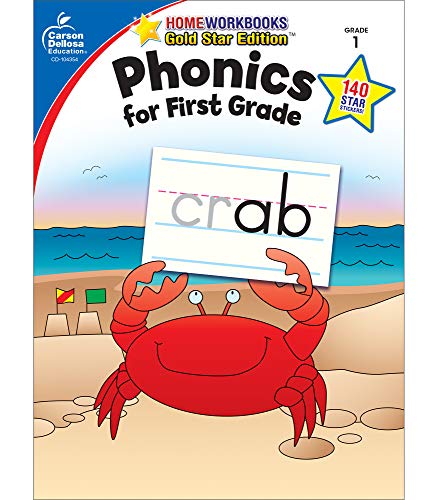
- Tracing and writing practice for letters and words
- Covers vowels, blends, digraphs, and word families
- Includes stickers, incentive chart, and answer key
Best For: structured phonics practice for 6- to 7-year-olds
Mini-Reader Box Set
Pete the Cat 12-Book Phonics Fun!
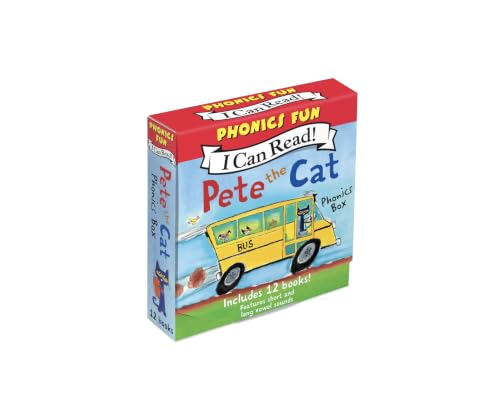
- 12 mini-books with short, full-color stories
- Reinforces short and long vowel sounds
- Reviewed by a phonics expert
Best For: young beginning readers who like story-based phonics practice
All-in-One Skill Builder
School Zone Big First Grade Workbook

- Covers phonics plus reading, spelling, and vocabulary
- Includes 300+ colorful illustrations
- Perforated pages and easy directions support independence
Best For: one-book skill practice across first-grade subjects
Phonics Reader Set

- 24 illustrated mini books in a storage box
- Reinforces short and long vowels, blends, and digraphs
- Includes a parent guide for home reading support
Best For: guided phonics reading and at-home practice
Grade 1 Phonics Workbook Pick
Spectrum 1st Grade Phonics Workbook
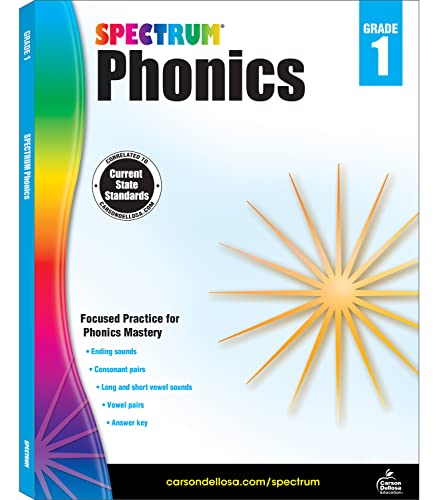
- Covers vowels, consonants, ending sounds, and blends
- Includes matching, sound recognition, and writing practice
- Has reviews and an answer key for progress checks
Best For: Parents and teachers wanting structured first-grade phonics practice
Storybook Phonics Set
The Berenstain Bears 12-Book Phonics Fun!

- 12 short, full-color books with simple stories
- Reinforces short and long vowel sounds
- Includes common sight words and expert review
Best For: Kids who prefer story-based phonics practice with familiar characters
Decodable Reader Upgrade
The First Grade Decodable Reader

- 34 fully decodable stories in 4 difficulty levels
- Aligned to a systematic phonics sequence
- Includes comprehension questions and a read-aloud QR code
Best For: First graders who need gradual decodable reading practice
Phonics Workbook Pick
School Zone Phonics Review 1-3

- 60 activity pages with answer key
- Covers vowels, spelling, and letter combinations
- Portable workbook with perforated pages
Best For: first graders who need hands-on phonics review
Storybook Set Pick
Pinkalicious Phonics Fun 12-Book Box Set
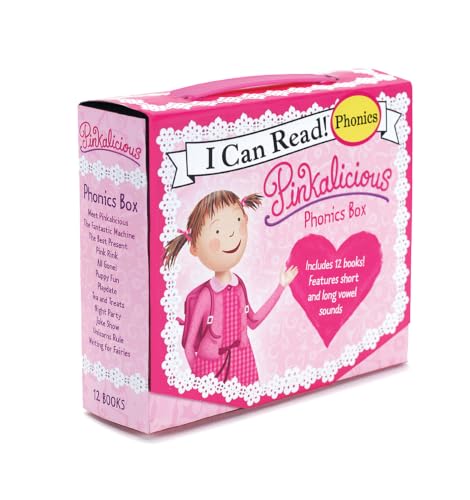
- 12 mini-books with vowel-sound practice
- Includes common sight words
- Colorful early-reader format
Best For: young readers who like story-based phonics practice
All-in-One Workbook Pick

- 220+ activities across reading and math
- Progressive exercises with answer key
- Teacher-developed and parent-friendly
Best For: families wanting broad first-grade skill practice
Phonics Practice Workbook – Carson Dellosa Phonics for First Grade Workbook
If you want phonics books for first graders that mix skill practice with hands-on engagement, this Carson Dellosa workbook is built for tracing, writing, and early decoding work. It covers consonants, blends, digraphs, vowels, and word families, while the puzzles and games help keep first-grade practice from feeling repetitive.
Best For: Parents and teachers who want a structured phonics workbook for 6- to 7-year-olds with built-in motivation tools.
Pros:
- Includes tracing and writing activities for letters and words
- Covers short and long vowel sounds, blends, digraphs, and word families
- Comes with an incentive chart, 140 stickers, and an answer key
- Uses puzzles and games to reinforce early literacy skills
Cons:
- Focused on workbook practice rather than full reading stories
- Only 64 pages, so it may move quickly for advanced learners
Overall, this is a compact, practice-heavy option if you want a first-grade phonics workbook that supports both home use and classroom instruction. The reward system and clear step-by-step activities make it easy to track progress and keep kids moving through the lessons.
Mini-Reader Box Set – Pete the Cat 12-Book Phonics Fun!
For families shopping for phonics books for first graders, this Pete the Cat box set offers short, beginner-friendly stories built around short and long vowel sounds. Each mini-book is designed as an easy read-aloud or early independent read, with repeated phonics patterns and common sight words to support decoding practice.
Best For: Beginning readers who learn best with short, cheerful stories and repeated phonics examples.
Pros:
- Includes 12 full-color mini-books in one box
- Features repeated examples of short and long vowel sounds
- Reviewed by a phonics expert
- Supports early reading with common sight words
Cons:
- Best as a supplemental reader rather than a full phonics curriculum
- Designed for younger beginners, so some first graders may outgrow it quickly
This is a strong pick if you want lightweight, story-based phonics practice that feels fun instead of worksheet-driven. The small-format books and familiar Pete the Cat character make it easy to keep young readers engaged while they build decoding confidence.
All-in-One Skill Builder – School Zone Big First Grade Workbook
If you need phonics books for first graders that also cover a wider set of grade-level skills, this School Zone workbook goes far beyond basic reading practice. It includes phonics, vocabulary, spelling, reading comprehension, writing, and math, so it works well when you want one book to support multiple subjects at home or in the classroom.
Best For: Families who want a large, broad first-grade workbook with phonics plus extra skill practice.
Pros:
- Covers phonics, vocabulary, spelling, and reading comprehension
- Includes more than 300 colorful illustrations to keep lessons engaging
- Large format with perforated pages for easy tear-out
- Easy directions and visual clues support independent work
Cons:
- Less focused on phonics alone because it covers many subjects
- May feel too broad if you want a dedicated reading-only resource
As a comprehensive first-grade workbook, this is a practical choice when you want phonics practice bundled with other foundational skills. Its clear layout and varied activities make it useful for steady, self-directed learning over time.
Phonics Reader Set – Phonics First Little Readers
When you’re comparing phonics books for first graders, this Scholastic mini-library is a strong option for repeated reading practice with short vowel, long vowel, blend, and digraph patterns. The 24 illustrated books and parent guide make it easy to build a simple reading routine at home while keeping stories short and approachable.
Best For: Parents who want a boxed set of small readers for phonics practice and home reading routines.
Pros:
- Includes 24 illustrated mini books in a storage box
- Covers short vowels, long vowels, blends, and digraphs
- Comes with a parent guide for reading support
- Short stories are designed to feel easy and approachable
Cons:
- Not a workbook, so it offers less writing practice
- Best suited to guided reading and repetition rather than advanced independent reading
This set is a good fit if you want a ready-made collection of little books that reinforce phonics skills through reading rather than drills. The combination of simple stories and a parent guide makes it especially convenient for at-home use.
Grade 1 Phonics Workbook Pick – Spectrum 1st Grade Phonics Workbook
If you want phonics books for first graders that feel structured and classroom-ready, this Spectrum workbook is built around core skills like vowel sounds, consonants, ending sounds, blends, and word practice. It uses a mix of matching, sound recognition, and writing activities to make phonics practice more interactive while still staying focused on grade 1 learning goals.
Best For: Parents and teachers looking for a straightforward 1st grade phonics workbook for home or classroom use.
Pros:
- Covers key first-grade phonics skills including vowels, consonants, and ending sounds
- Includes engaging practice such as picture-word matching and letter-sound recognition
- Has reviews and an answer key for progress checks
- 160 pages provide plenty of space for practice
Cons:
- Workbook format may feel less story-driven than decodable readers
- Best suited to guided practice rather than independent entertainment
This is a practical choice if you want a skill-building phonics resource that aligns well with a first-grade curriculum. It is especially useful when you want repetition, structure, and built-in review in one book.
Storybook Phonics Set – The Berenstain Bears 12-Book Phonics Fun!
For shoppers comparing phonics books for first graders, this Berenstain Bears set is a story-first option that uses short, simple books to reinforce reading basics. The collection focuses on repeated short and long vowel sounds plus common sight words, making it a friendly supplement for early reading practice at home or in the classroom.
Best For: Young readers who learn best through short, familiar stories with phonics repetition.
Pros:
- Includes 12 short, full-color storybooks
- Features repeated examples of short and long vowel sounds
- Also reinforces common sight words
- Reviewed by a phonics expert
Cons:
- Best as a supplement rather than a full phonics program
- Reading age leans younger than many first-grade classroom materials
This set works well if you want reading practice wrapped in classic characters and simple stories. It is a low-pressure way to support early decoding while keeping kids engaged with familiar book-length bites.
Decodable Reader Upgrade – The First Grade Decodable Reader
If you need phonics books for first graders that move beyond single-word practice, this decodable reader offers 34 short stories built on systematic phonics. The book is designed to help kids progress from CVC words to more complex patterns across four difficulty levels, with comprehension checks and a read-aloud QR code for extra support.
Best For: First graders and struggling readers who need step-by-step decodable stories with built-in support.
Pros:
- Contains 34 fully decodable stories across 4 progressive levels
- Follows a systematic phonics sequence based on UFLI Foundations
- Includes comprehension questions after each story
- Offers a QR code for read-aloud support
Cons:
- More focused on reading practice than broad workbook-style exercises
- Publication date listed as 2026, which may matter to some buyers
This is the strongest fit if your priority is guided decoding practice that builds fluency and confidence story by story. It is especially helpful for children who need a gentle progression and extra encouragement while reading independently.
Phonics Workbook Pick – School Zone Phonics Review 1-3
If you’re shopping for phonics books for first graders, this School Zone workbook is a practical choice for mixed early-grade review. It focuses on vowels, spelling, contractions, letter combinations, and other basic sound-letter skills through puzzles, riddles, and guided activities, making it a handy supplement for at-home practice or travel.
Best For: First graders who learn well with short, hands-on phonics activities and parent-checkable worksheets.
Pros:
- 60 activity pages plus 4 answer key pages for easy checking
- Covers consonants, vowels, letter combinations, contractions, and compound words
- Perforated pages make it easy to tear out worksheets
- Slim, portable format works well for on-the-go learning
Cons:
- It is a workbook, not a story-based reader
- Content spans grades 1-3, so some pages may be easier or harder than a single first-grade level
This is a solid pick if you want a structured phonics workbook with clear practice and an included answer key. It leans more toward reinforcement than lesson instruction, which makes it useful alongside classroom reading work.
Storybook Set Pick – Pinkalicious Phonics Fun 12-Book Box Set
For families looking for phonics books for first graders, this Pinkalicious box set offers simple early readers built around short and long vowel sounds. The 12 mini-books use repeated patterns and common sight words, which makes them a friendly option for shared reading, emerging readers, or phonics practice at home.
Best For: Younger readers who enjoy colorful character books and need repeated vowel-sound practice.
Pros:
- Includes 12 full-color mini-books in one phonics set
- Features repeated short and long vowel sounds
- Includes common sight words for early literacy support
- Reviewed by a phonics expert and designed for simple reading practice
Cons:
- Reading age is listed for ages 4-6, so it may skew younger than some first graders
- Short mini-books may feel limited if you want longer stories
This set works well if you want a character-driven phonics reader rather than a workbook. It is especially useful for reinforcing decoding basics in a format that feels like story time.
All-in-One Workbook Pick – First Grade Big Workbook
If you want one of the more comprehensive phonics books for first graders, this Gold Stars big workbook combines phonics with spelling, reading, language arts, and early math skills. With more than 220 activities, it is designed as a year-round practice book that helps children build confidence through colorful, progressive exercises.
Best For: First graders who benefit from a large, teacher-developed workbook with broad skill coverage.
Pros:
- More than 220 activities with colorful illustrations
- Includes phonics, spelling, reading, language arts, and math topics
- Exercises progress through the book to build on earlier skills
- Includes parent tips and an answer key in the back
Cons:
- It is broader than a dedicated phonics-only book
- Larger page count may be more than some families want in a single workbook
This is a strong option if you want one workbook that supports reading fundamentals while also covering other first-grade skills. It is best used as a steady practice resource rather than a quick phonics refresher.
How We Picked These Phonics Books for First Graders
We looked for books and workbooks that support core early-reading skills: letter sounds, blends, digraphs, vowel patterns, word families, and decodable reading practice. We also favored materials that are appropriate for first-grade attention spans and easy for adults to use at home.
Quick Comparison
Some titles lean more toward structured workbook practice, while others use mini-books or decodable stories to build confidence through reading. If your child needs guided skill review, a workbook may be the better fit. If they need more practice applying phonics in connected text, a decodable reader collection is often a stronger choice.
Key Buying Factors for Phonics Books for First Graders
Skill Focus
Look for coverage of short and long vowels, consonant blends, digraphs, and simple sentence building. The best Phonics Books for First Graders reinforce skills in a logical sequence instead of jumping around.
Decodable Practice
Books that match a child’s current decoding level help reduce frustration. Decodable stories are especially useful when the goal is reading fluency, not just recognizing isolated sounds.
Format and Engagement
Workbooks are great for repeatable practice and handwriting support. Mini-books and story collections can be more motivating for reluctant readers because they feel like “real books” while still staying phonics-focused.
Independent Use
Consider how much help your child will need. Some resources are designed for parent-led review, while others can be used more independently once instructions are familiar.
Who Should Buy Which Phonics Books for First Graders?
If your child needs broad skill review, choose a workbook-heavy option. If they are ready to read more connected text, a decodable reader set is usually the better investment. For children who resist practice, character-based mini-books can make repetition feel more enjoyable. In general, the best Phonics Books for First Graders are the ones that match both skill level and reading attitude, not just grade level.