If you need a reliable reference for mental health, counseling, behavior, or brain science, the right psychology encyclopedia can save hours of searching. The best options balance breadth, clarity, and authority.
Below, we’ve selected 10 standout titles for students, professionals, and lifelong learners, with a focus on usefulness, coverage, and ease of navigation.
Best 10 Psychology Encyclopedias Picks for 2026
Christian Psychology Reference
Baker Encyclopedia of Psychology and Counseling

- 1,200+ cross-referenced articles
- Christian viewpoint on psychology and counseling
- Large 1,276-page reference volume
Best For: buyers wanting a faith-based psychology and counseling encyclopedia
Mental Health Reference
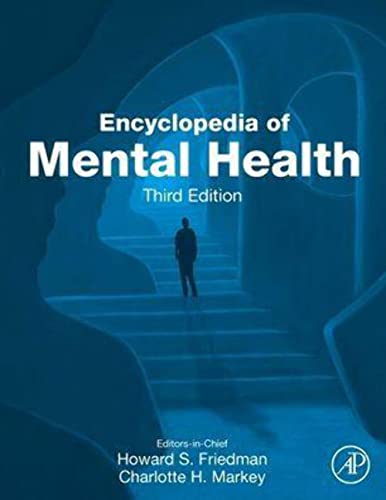
- Third-edition four-volume set
- 260 chapters on disorders and therapies
- Includes current research and Covid-19 context
Best For: clinicians and students needing an updated mental health encyclopedia
Thematic Psychology Guide
Thematic Encyclopaedia of Psychology

- Thematic structure for easier navigation
- Covers classic and emerging psychology areas
- Useful as a quick-reference study tool
Best For: readers who want an organized thematic overview of psychology
Counselor Exam Reference

- 1,050+ tutorial questions and answers
- Built for NCE and CPCE exam prep
- Q&A format with quick-reference index
Best For: counseling students preparing for licensing and credential exams
Modern Psychology Reference
The Big Book of Psychology: From A to Z
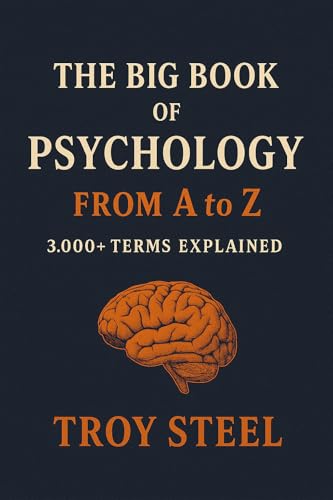
- 3,000+ terms explained in accessible language
- Covers major psychology subfields and methods
- Good for study, teaching, and quick reference
Best For: Students, instructors, and curious readers needing broad coverage
Clinical Neuropsychology Deep Reference
Encyclopedia of Clinical Neuropsychology

- Focused on assessment, treatment, and rehabilitation
- Covers adult and pediatric neuropsychological disorders
- Second edition adds 100 new entries and revisions
Best For: Clinicians, researchers, and advanced readers in neuropsychology
Classic General Psychology Encyclopedia
Encyclopedia of Psychology (6)

- General psychology reference in encyclopedia form
- More compact than the larger titles here
- Good for straightforward broad overviews
Best For: Readers wanting a compact general psychology encyclopedia
Student-Friendly Psychology Reference
The Gale Encyclopedia of Psychology
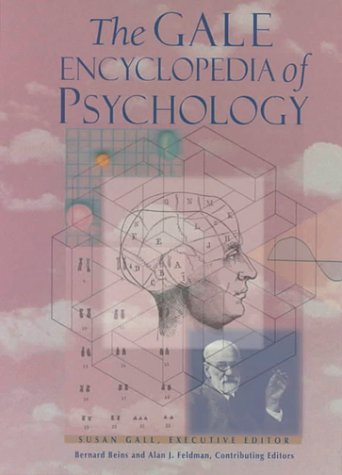
- About 400 alphabetized entries
- Covers terms, studies, applications, and case studies
- Includes 225 photos, graphs, and charts
Best For: School and undergraduate students needing accessible psychology reference support
Academic Specialty Reference
The SAGE Encyclopedia of Industrial and Organizational Psychology

- Expanded second edition with about 200 new articles
- Covers industrial and organizational psychology in depth
- Offers a cross-cultural, global perspective
Best For: Researchers, students, and professionals needing a field-specific I/O psychology reference
Behavioral Science Q&A Encyclopedia
100,000 Whys About the Human Mind

- Question-and-answer format for adult readers
- Cites named scientists and traceable research
- Includes bonus behavioral science sections
Best For: Curious adults seeking practical, evidence-based explanations of human behavior
Christian Psychology Reference – Baker Encyclopedia of Psychology and Counseling
For shoppers comparing psychology encyclopedias from a faith-based perspective, this Baker reference aims for broad coverage and heavy cross-referencing. With more than 1,200 articles, it is built as a large, practical lookup source for readers who want psychology and counseling topics framed through a Christian viewpoint.
Best For: readers, students, and counselors who want a Christian-viewpoint psychology and counseling reference
Pros:
- More than 1,200 articles for wide topical coverage
- Thoroughly cross-referenced and indexed for easier lookup
- Large 1,276-page reference volume
- Focused on psychology and counseling from a Christian viewpoint
Cons:
- Published in 1999, so it is older than newer psychology encyclopedias
- Strong viewpoint focus may not suit buyers wanting a secular reference
This is a strong pick if your priority is breadth plus a specific worldview. It works best as a reference shelf volume for targeted consultation rather than a current-editions survey of the newest mental health research.
Mental Health Reference – Encyclopedia of Mental Health
If you want one of the more current psychology encyclopedias focused on mental health, this third-edition, four-volume set offers a broad and updated survey. It brings together 260 expert-written chapters on major disorders, therapies, and related topics, with added attention to Covid-19-era research and the links between mental and physical health.
Best For: clinicians, students, and researchers who want an up-to-date mental health reference set
Pros:
- Third edition with 260 comprehensive chapters
- Covers disorders, therapies, and mental health topics in depth
- Includes Covid-19-era findings and current research context
- Addresses connections between mental health and physical health
Cons:
- Four-volume set may be more than casual readers need
- Primarily focused on mental health rather than broader psychology topics
This set stands out for depth, timeliness, and expert coverage. It is especially useful when you need a substantial reference work that balances classic diagnostic topics with newer developments and broader well-being themes.
Thematic Psychology Guide – Thematic Encyclopaedia of Psychology
Among modern psychology encyclopedias, this thematic approach is designed to make a wide subject feel organized and easy to navigate. It covers foundational schools of thought alongside newer areas like cultural psychology, biopsychology, and positive psychology, while also connecting psychology to neuroscience, education, sociology, and organizational studies.
Best For: students, educators, and professionals who want a structured thematic overview of psychology
Pros:
- Thematic structure helps organize broad psychology topics
- Includes foundational and emerging areas of psychology
- Designed for quick reference and deeper study
- Connects psychology with several related disciplines
Cons:
- Digital format may not suit buyers who prefer print reference books
- Publication date is very recent, so availability and long-term adoption may vary
This is a good choice if you want an accessible reference that still reaches beyond the basics. The thematic layout should make it easier to use for study, teaching, and exploratory reading than a strictly alphabetical encyclopedia.
Counselor Exam Reference – Encyclopedia of Counseling
This counseling-focused title is a practical pick for buyers comparing psychology encyclopedias that double as exam prep. Instead of broad theoretical coverage, it uses a question-and-answer format with more than 1,050 tutorial questions and answers, making it especially useful for structured review in counseling and related human services courses.
Best For: counseling students and exam candidates preparing for NCE, CPCE, or related credentials
Pros:
- Over 1,050 tutorial questions and answers
- Question-and-answer format supports active study
- Updated material includes web counseling and marriage and family counseling
- Useful for NCE, CPCE, NCC, and board preparation
Cons:
- More of an exam-prep reference than a broad encyclopedia
- Published in 2008, so some material is not current
Choose this volume if your main goal is test preparation rather than general reference browsing. Its practical format and licensing-exam focus make it a stronger study tool than a conventional encyclopedia for casual reading.
Modern Psychology Reference – The Big Book of Psychology: From A to Z
If you want psychology encyclopedias that double as a practical study aid, this title is built for quick lookup and broad coverage. With 3,000+ terms explained in an accessible academic style, it works well for students, teachers, and curious readers who need clear definitions across the field.
Best For: Students, instructors, and general readers who want a broad, easy-to-use psychology reference.
Pros:
- Covers 3,000+ psychology terms, concepts, and theories
- Includes cognitive, behavioral, developmental, social, personality, clinical, and research topics
- Written to be detailed enough for advanced readers but approachable for newcomers
- Useful as a study companion, teaching resource, or quick-reference guide
Cons:
- It is a broad reference rather than a specialized deep-dive on one subfield
- Best suited to lookup and review, not step-by-step coursework
Overall, this is a strong all-purpose option if you want a wide-ranging psychology encyclopedia in a compact, student-friendly format. It is especially appealing when you need fast answers across many branches of psychology.
Clinical Neuropsychology Deep Reference – Encyclopedia of Clinical Neuropsychology
Among psychology encyclopedias, this one stands out for its focused coverage of clinical neuropsychology. It is designed as a comprehensive reference for assessment, treatment, and rehabilitation, making it especially useful when you need an in-depth source on adult and pediatric neuropsychological disorders.
Best For: Clinicians, researchers, students, and families seeking a detailed neuropsychology reference.
Pros:
- Covers assessment, treatment, and rehabilitation in clinical neuropsychology
- Includes adult and pediatric disorders across medical and community settings
- Second edition adds 100 new entries plus extensive updates and revisions
- Very comprehensive with 3,862 pages of reference material
Cons:
- Highly specialized, so it is less suitable if you want a general psychology encyclopedia
- Large and heavy format may be impractical for casual reading
This is the most specialized choice in the group and the best fit when your priority is clinical neuropsychology rather than general psychology. It looks like a serious desk reference for professionals and advanced learners.
Classic General Psychology Encyclopedia – Encyclopedia of Psychology (6)
If you are comparing psychology encyclopedias for a more traditional broad-reference option, this volume is a straightforward choice. With 508 pages and a general psychology focus, it suits readers who want a compact encyclopedia-style resource without the narrow specialization of a clinical title.
Best For: Readers who want a general psychology reference in a more compact encyclopedia format.
Pros:
- General psychology reference rather than a narrow specialty title
- Compact at 508 pages compared with larger multi-thousand-page encyclopedias
- Suitable for readers looking for a straightforward encyclopedia format
Cons:
- Supplied details are limited, so it is harder to judge depth and scope
- Publication date is older than the other options listed
In a roundup of psychology encyclopedias, this is the simplest and most general-purpose pick. It may appeal most to readers who want a classic encyclopedia format and do not need the latest expansive coverage.
Student-Friendly Psychology Reference – The Gale Encyclopedia of Psychology
If you’re shopping for psychology encyclopedias for school or undergraduate use, this Gale volume is built to be approachable and curriculum-aligned. It offers alphabetical entries on core terms, theories, experiments, famous figures, and applied topics, making it a practical supplement to classroom materials.
Best For: Students and learners who need clear definitions, concise explanations, and a broad introduction to psychology topics.
Pros:
- About 400 alphabetized entries for quick reference
- Covers terms, personalities, studies, applications, and case studies
- Includes 225 photographs, graphs, and charts
- Appendix adds experiment ideas for classroom or lab use
Cons:
- Published in 1996, so it is not the newest reference available
- Best suited to introductory study rather than advanced research depth
Overall, this is a solid choice if you want a broad, student-oriented psychology encyclopedia that explains the basics clearly and supports classwork. Its strength is accessibility, not exhaustive specialization.
Academic Specialty Reference – The SAGE Encyclopedia of Industrial and Organizational Psychology
This is one of the more specialized psychology encyclopedias, designed for readers who need a serious overview of industrial and organizational psychology. The second edition expands coverage substantially, adds around 200 new articles, and takes a cross-cultural, global perspective for academic and professional use.
Best For: Students, researchers, and professionals in psychology, business, management, and human resources who need an in-depth reference on I/O psychology.
Pros:
- Major second-edition revision with expanded coverage
- About 200 new articles added
- Cross-disciplinary and cross-cultural/global perspective
- Useful for academic library and professional reference needs
Cons:
- Highly specialized, so it is not a general psychology encyclopedia
- Four-volume set may be more reference-heavy than casual readers need
For focused study or professional lookup in industrial and organizational psychology, this encyclopedia offers substantial depth and breadth. It is especially well suited to library collections and readers who need a field-specific scholarly resource.
Behavioral Science Q&A Encyclopedia – 100,000 Whys About the Human Mind
If you want psychology encyclopedias that explain behavior in plain language, this adult-focused volume takes a question-and-answer approach to human mind and behavior. It covers decision-making, emotion, social influence, attachment, habits, identity, and bigger questions about belief and grief, with research cited throughout.
Best For: Curious adult readers who want traceable research-based explanations for everyday thoughts, feelings, and behavior.
Pros:
- Answers questions with two substantive paragraphs each
- Includes a “Did You Know?” finding and a counterintuitive “Twist”
- Uses real, traceable research citations and named scientists
- Includes bonus sections for behavioral science and self-observation
Cons:
- More interpretive and explanatory than a traditional alphabetized encyclopedia
- Publication date is listed as 2026, so availability may depend on release timing
This book is a strong fit if you prefer a modern, readable encyclopedia format that connects psychology to real-life questions. It leans practical and evidence-based rather than academic-library formal.
How We Picked These Psychology Encyclopedias
For Psychology Encyclopedias, we looked for titles that offer broad topic coverage, strong editorial credibility, and a format that makes complex information easy to find quickly. We also favored books that serve a clear audience, whether that’s academic study, counseling practice, clinical reference, or general learning.
We prioritized works with comprehensive entries, practical indexing, and a sensible balance between depth and readability. When a title is designed for a specific niche such as industrial-organizational psychology or neuropsychology, we treated that focus as a strength rather than a limitation.
Quick Comparison: Which Type of Reference Book Fits Your Needs?
If you want a general-purpose reference, choose a broad psychology encyclopedia with wide topic coverage and straightforward organization. If you need clinical or professional support, look for books that emphasize diagnostic concepts, treatment language, or research-informed explanations.
For workplace-related questions, an industrial and organizational psychology encyclopedia is the better fit. For counseling students, a counseling-focused volume usually offers more relevant terminology and context. Readers who prefer simpler explanations may benefit from large A-to-Z style guides that explain thousands of terms in plain language.
Key Buying Factors for Psychology Encyclopedias
Scope and Specialization
Decide whether you need a general reference or a specialized one. Broad Psychology Encyclopedias are useful for overview learning, while niche volumes are better when you already know the field you are studying.
Authority and Editorial Quality
Check whether the book is edited by recognized scholars or published by reputable academic presses. Strong editorial standards matter because psychology references should be accurate, balanced, and current enough to support study or professional use.
Depth Versus Accessibility
Some books provide concise definitions, while others deliver longer analytical entries. Choose concise coverage if you want fast lookup, and choose deeper entries if you need context, theory, and cross-references.
Usability and Format
Clear organization, a strong index, and readable layout are essential. A good reference should help you move quickly from question to answer without forcing you to search through dense prose.
Who Should Buy Which Psychology Encyclopedias?
Students should usually start with a broad, easy-to-navigate encyclopedia that covers core concepts across psychology. Counselors and mental health professionals may prefer titles with stronger clinical or counseling emphasis.
Researchers and specialists should consider topic-specific Psychology Encyclopedias that align with their discipline, such as neuropsychology or industrial-organizational psychology. General readers and self-learners may be happiest with large, plain-language reference books that explain terms clearly and encourage browsing.
If you are unsure, choose the most authoritative general reference first, then add a specialized volume only if your work or studies demand deeper coverage.