Choosing the right automotive diagnostic books can save time, reduce guesswork, and make fault-finding far more systematic. Whether you’re a DIY mechanic or a working technician, the best picks balance clear explanations with real-world diagnostic methods.
This roundup focuses on books that help you read trouble codes, test components, understand wiring, and troubleshoot modern vehicle systems with confidence.
Best 10 Automotive Diagnostic Books Picks for 2026
Advanced Diagnostics Reference
Advanced Automotive Fault Diagnosis

- 25 real-life case studies
- Modern tools and HV multimeter updates
- Built for higher-level diagnostics study
Best For: Students and technicians who need an advanced diagnostics reference
OBD-II Troubleshooting Guide
OBD-II & Electronic Engine Management Systems

- Explains OBD-II and check-engine lights
- Includes trouble code lists and fixes
- Over 250 photos and drawings
Best For: DIY drivers and beginners working on 1996-and-newer vehicles
Oscilloscope Diagnostics Pick
Automotive Oscilloscopes: Waveform Analysis
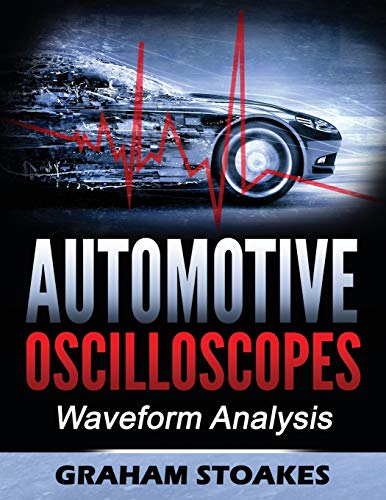
- Covers oscilloscope setup and interpretation
- Uses common automotive waveform examples
- Aims to improve systematic diagnosis
Best For: Technicians who want to diagnose electrical issues with a scope
DIY Repair Handbook
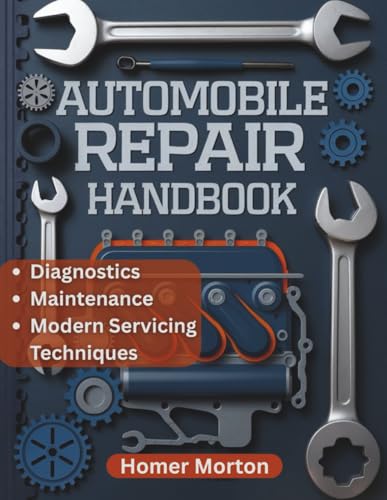
- Step-by-step diagnostics and maintenance
- Component-by-component teaching style
- Geared toward modern vehicle servicing
Best For: DIY beginners who want a practical all-around repair guide
Classic Electrical Diagnostics
How to Diagnose and Repair Automotive Electrical Systems

- Explains automotive electrical principles clearly
- Covers testing tools and wiring diagrams
- Tailored to classic and collectible vehicles
Best For: DIYers and classic-car owners
OBD-II Sensor Troubleshooting
Engine Sensors & OBD-II Codes Explained

- Covers codes, live data, and fuel trims
- Includes sensor testing and symptom guides
- Aims to reduce guesswork and wasted repairs
Best For: DIYers who want code-to-cause troubleshooting
Network Diagnostics Guide
Advanced CAN Bus and Automotive Network Diagnostics

- Explains CAN Bus and other modern vehicle networks
- Covers communication faults and test methods
- Includes case studies and troubleshooting workflow
Best For: Beginners and technicians diagnosing network faults
Step-by-Step Diagnostic Training
Automotive Diagnostics Workbook Step by Step

- Structured fault-finding and diagnostic logic
- Electrical testing and measurement practice
- OBD workflow plus case studies and assessments
Best For: Students and beginners learning a step-by-step diagnostic process
Scanner Basics for Car Owners
How to Use Automotive Diagnostic Scanners

- Plain-English scanner instructions
- Read and interpret error codes
- Useful for maintenance and used-car checks
Best For: DIY car owners who want to understand check engine codes and scanner results
Advanced Network Troubleshooting
Advanced CAN Bus Diagnostics and Automotive Network Troubleshooting

- CAN Bus and ECU communication focus
- Goes beyond basic OBD2 code reading
- Electrical fault analysis and root-cause troubleshooting
Best For: Advanced learners and technicians diagnosing modern networked vehicles
Advanced Diagnostics Reference – Advanced Automotive Fault Diagnosis
Advanced Automotive Fault Diagnosis: Automotive Technology: Vehicle Maintenance and Repair
Check Price On AmazonIf you want automotive diagnostic books that go beyond code reading, this title is built for serious faultfinding. It focuses on diagnostic principles, modern vehicle systems, and real-world case studies, while also covering current tools such as VCDS, scanners, pass through devices, break out boxes, and updated multimeter use for HV work.
Best For: Students and experienced technicians preparing for higher-level vehicle diagnostics courses and looking to sharpen real-world troubleshooting skills.
Pros:
- Includes 25 new real-life case studies.
- Covers modern diagnostic tools and equipment.
- Aligned with Level 3 and 4 Vehicle Diagnostics courses and other higher-level qualifications.
- Uses definitions, key facts, and safety-first notes throughout.
Cons:
- More advanced than a basic repair manual.
- Less focused on beginner-friendly step-by-step DIY fixes.
This is a strong pick if you need a technical, classroom-friendly resource that also reflects current workshop diagnostics. It is best viewed as a study-and-practice guide for deeper fault diagnosis, not a general maintenance book.
OBD-II Troubleshooting Guide – OBD-II & Electronic Engine Management Systems
Among automotive diagnostic books for everyday problem-solving, this Haynes Techbook is designed to demystify OBD-II systems on 1996-and-newer cars and light trucks. It explains what to do when the check engine light comes on, from reading codes to diagnosing and fixing the issue, with a clear focus on computer-controlled car repair.
Best For: DIY owners and entry-level users who want a practical guide to OBD-II codes and electronic engine management.
Pros:
- Explains OBD-II systems in plain language.
- Covers reading codes, diagnosis, and fix steps.
- Includes a comprehensive computer codes list.
- Fully illustrated with over 250 photos and drawings.
Cons:
- Focused on 1996-on vehicles only.
- Less specialized than more advanced diagnostics texts.
This is a practical, approachable choice if you want to understand what the scan tool is telling you instead of guessing at repairs. It works especially well as a first diagnostics book for home mechanics.
Oscilloscope Diagnostics Pick – Automotive Oscilloscopes: Waveform Analysis
If your automotive diagnostic books shelf needs something more technical, this guide targets oscilloscope-based diagnosis and waveform interpretation. It explains electrical principles, scope setup, and the patterns produced by common automotive waveforms, making it useful when trouble codes alone do not point to the root cause.
Best For: Technicians who already use scan tools and want to add oscilloscope testing to their diagnostic process.
Pros:
- Focuses on oscilloscope use and waveform analysis.
- Explains electrical principles and scope setup.
- Helps move beyond fault codes to system testing.
- Offers straightforward, flexible diagnostic methods.
Cons:
- Not a general repair manual.
- Best suited to readers comfortable with technical diagnostics.
This book is a smart choice if you want to understand what the signals in a vehicle’s electrical system are actually doing. It is especially valuable for building systematic diagnostic routines with an oscilloscope.
DIY Repair Handbook – Automobile Repair Handbook
For shoppers comparing automotive diagnostic books with a hands-on repair focus, this handbook is aimed at practical home servicing. It offers component-by-component instructions for diagnostics, maintenance, and modern servicing techniques, making it a general-purpose guide for owners who want to handle more of their vehicle care themselves.
Best For: Beginners and DIY owners looking for a step-by-step handbook for everyday diagnostics and maintenance.
Pros:
- Component-by-component format is easy to follow.
- Includes diagnostics, maintenance, and servicing techniques.
- Designed for modern vehicles.
- Focuses on practical, cost-saving home repairs.
Cons:
- Shorter than many established technical manuals.
- Less specialized than dedicated diagnostics references.
This is a broad, practical option if you want one guide that emphasizes do-it-yourself servicing rather than deep technical theory. It is best for readers who prefer clear instructions and an accessible repair workflow.
Classic Electrical Diagnostics – How to Diagnose and Repair Automotive Electrical Systems
How to Diagnose and Repair Automotive Electrical Systems (Motorbooks Workshop)
Check Price On AmazonIf you’re comparing automotive diagnostic books for older cars and weekend garage work, this guide focuses on the electrical systems that often cause the most frustration. It explains how automotive electrics work, then walks through practical diagnosis and repair topics such as batteries, starting, charging, ignition, fuel injection, wiring diagrams, and troubleshooting.
Best For: DIYers, classic-car owners, and mechanics who want a clear, step-by-step electrical reference for collectible and older vehicles.
Pros:
- Covers core electrical principles like Ohm’s Law and 12-volt systems
- Explains how to use tools such as multimeters, voltmeters, timing lights, and lab scopes
- Includes wiring diagrams and troubleshooting guidance
- Focused on collectible and classic-era vehicles
Cons:
- Leans toward electrical systems rather than all-around engine diagnosis
- Best fit for older vehicles instead of modern networked cars
This is a practical workshop-style choice if electrical problems are your main concern. The book’s strength is its clear, hands-on explanation of how to diagnose faults instead of treating wiring issues as a mystery.
OBD-II Sensor Troubleshooting – Engine Sensors & OBD-II Codes Explained
Among automotive diagnostic books, this one is aimed at drivers and DIYers who want to understand check-engine-light problems without guessing. It covers OBD-II codes, live data, fuel trims, sensor testing, and symptom-based troubleshooting so you can move from code reading to a more useful diagnostic process.
Best For: DIY car owners and budget-minded troubleshooters who want a practical guide to sensors, codes, and root-cause diagnosis.
Pros:
- Explains what OBD-II codes really mean beyond a basic reader
- Covers live data, fuel trims, and symptom-based diagnosis
- Includes step-by-step testing for MAF, O2, MAP, ECT, and more
- Designed to help avoid unnecessary parts replacement
Cons:
- Independently published and aimed at a broad DIY audience
- Focuses on diagnostic basics and sensor faults rather than deep repair procedures
This is a strong fit if you want a modern diagnostic handbook that starts with symptoms and data, not guesswork. Its practical flow is built around helping you identify the real problem before buying parts.
Network Diagnostics Guide – Advanced CAN Bus and Automotive Network Diagnostics
If you’re shopping automotive diagnostic books for late-model vehicles, this guide focuses on the communication networks behind modern warning lights and driveability problems. It explains CAN Bus, OBD2 communication, gateway modules, wiring faults, module communication loss, and related testing methods in plain language.
Best For: Beginners, students, mobile mechanics, and technicians who need a practical introduction to modern vehicle network diagnostics.
Pros:
- Covers CAN Bus, LIN Bus, FlexRay, MOST, Automotive Ethernet, and J1939
- Explains no-communication faults, multiple U-codes, and network-related limp mode
- Includes testing with scan tools, multimeters, oscilloscopes, and breakout leads
- Uses real-world case studies to show diagnostic workflow
Cons:
- At 123 pages, it is relatively concise for such a broad topic
- Publication is listed ahead of its release date, so availability may vary
This book stands out for modern network troubleshooting rather than general repair coverage. It is a sensible pick if you need a structured path into CAN Bus and ECU communication problems without wading through overly technical language.
Step-by-Step Diagnostic Training – Automotive Diagnostics Workbook Step by Step
If you want automotive diagnostic books that focus on process instead of guesswork, this workbook is built around structured fault-finding practice. It combines diagnostic logic, electrical testing, OBD code workflows, and guided real-vehicle scenarios so you can work through problems methodically.
Best For: Automotive students, beginner technicians, training centers, and self-study learners who want hands-on practice with diagnostic thinking.
Pros:
- Teaches step-by-step diagnostic logic and complaint verification
- Includes voltage, resistance, continuity, and signal measurement practice
- Covers OBD trouble code workflow and sensor/actuator testing
- Uses case studies, flowcharts, and a final assessment with solutions
Cons:
- Geared more toward learning diagnostics than quick reference lookup
- May be better suited to structured study than casual reading
Overall, this is a practical training workbook for readers who want to build real diagnostic habits and follow a logical troubleshooting process from start to finish.
Scanner Basics for Car Owners – How to Use Automotive Diagnostic Scanners
How to Use Automotive Diagnostic Scanners: A Practical Guide to Efficient Car Maintenance
Check Price On AmazonAmong automotive diagnostic books aimed at everyday drivers, this guide keeps the focus on practical scanner use and plain-English troubleshooting. It explains how to read error codes, understand what they mean, and decide which issues need attention before they turn into bigger repairs.
Best For: Car owners who want to use a diagnostic scanner to check codes, evaluate warning lights, and make smarter repair decisions.
Pros:
- Breaks down scanner use in straightforward language
- Explains how to read and interpret error codes
- Covers when check engine lights need immediate attention
- Includes practical tips for used-car checks and basic maintenance decisions
Cons:
- Focused on basic scanner use rather than advanced diagnostic theory
- Shorter than some other technical guides at 113 pages
This is a solid pick if you want a simple, hands-on guide that helps you understand scanner results and handle everyday maintenance with more confidence.
Advanced Network Troubleshooting – Advanced CAN Bus Diagnostics and Automotive Network Troubleshooting
If you’re comparing automotive diagnostic books for modern vehicles, this one goes deeper than basic code reading. It focuses on CAN Bus behavior, ECU communication, OBD2 diagnostics, ECU programming concepts, and electrical fault analysis, making it useful when surface-level scans do not explain the problem.
Best For: Technicians and advanced learners who want to understand vehicle networks and trace faults to their root cause.
Pros:
- Explains CAN Bus structure and network behavior
- Goes beyond standard OBD2 codes to deeper diagnostics
- Introduces ECU programming concepts in an accessible way
- Targets electrical fault analysis and root-cause troubleshooting
Cons:
- Better suited to readers already comfortable with diagnostics basics
- More advanced and technical than a general car-owner guide
This book is a strong fit if you need a more advanced diagnostic resource for modern systems and want to move from replacing parts to understanding how the vehicle network is actually communicating.
How We Picked These Automotive Diagnostic Books
We looked for titles that are practical, current, and useful across modern vehicle systems. Priority went to books that explain diagnostic logic clearly, cover OBD-II and electrical testing, and support both beginners and more experienced readers. We also favored books with hands-on application, not just theory.
Quick Comparison
Think of these Automotive Diagnostic Books in a few broad groups: code-reading and scanner guides, electrical diagnosis references, CAN bus and network troubleshooting texts, and advanced waveform or systems analysis books. If you want a single starter resource, choose a broad diagnostic overview. If you already know the basics, move toward electrical and network-focused books.
Key Buying Factors for Automotive Diagnostic Books
Your Skill Level
Beginner-friendly books should explain test steps, measurement tools, and common fault patterns in plain language. Intermediate and advanced readers may prefer deeper coverage of sensor behavior, scan data interpretation, oscilloscope use, and module communication.
Vehicle Systems Covered
Not every guide covers the same terrain. Some Automotive Diagnostic Books are best for engine management and OBD-II codes, while others focus on electrical systems, CAN bus, ECU faults, or waveform analysis. Match the book to the problems you actually diagnose most often.
Tools and Methods Taught
Look for books that teach how to use multimeters, scan tools, oscilloscopes, and logic-based troubleshooting workflows. A strong guide should show what to test, in what order, and how to interpret the result.
Clarity and Real-World Use
The best titles translate technical concepts into practical steps. Diagrams, fault examples, and structured diagnostic routines are especially valuable because they help turn knowledge into faster repairs.
Who Should Buy Which Automotive Diagnostic Books?
New DIYers should start with a broad diagnostic handbook or scanner guide. If you work on modern cars with frequent electrical issues, choose a book centered on wiring, sensors, and electrical systems. Technicians and advanced hobbyists will get the most from CAN bus and oscilloscope-focused resources, especially if they handle intermittent faults, network problems, or complex module communication issues.
If you want the most practical results from Automotive Diagnostic Books, match the book to your typical repairs, the tools you own, and how deep you want to go into diagnostics. That approach will help you choose a resource you’ll actually keep using.