Boxing history books can be part sports history, part cultural history, and part pure ringside drama. The best titles bring you closer to legendary fighters, major bouts, and the eras that shaped the sport.
Whether you want a richly illustrated overview, a deep dive into heavyweight legends, or a sharper look at boxing’s business and social context, this roundup helps you find the right fit.
Best 10 Boxing History Books Picks for 2026
Comprehensive Ring History
An Illustrated History of Boxing

- Covers fighters from flyweight to heavyweight.
- Describes the key matches in every division.
- Revised and updated 464-page illustrated edition.
Best For: A broad visual overview of boxing history.
Heavyweight Era Memoir
Once There Were Giants: The Golden Age of Heavyweight Boxing

- Focuses on heavyweight boxing from 1962 to 1997.
- Includes ringside eyewitness accounts and back stories.
- Updated edition comes with a foreword by Manny Pacquiao.
Best For: An eyewitness look at heavyweight boxing’s golden age.
Legendary Fighters Survey
Boxing Greats: An Illustrated History of the Legends of the Ring

- Covers boxing from the eighteenth century to today.
- Profiles fighters through careers, character, and charisma.
- Large illustrated 255-page edition.
Best For: A long-view illustrated look at boxing legends.
Ranked Fighter Guide

- Ranks the greatest fighters in order.
- Adds hypothetical matchup comparisons.
- Includes many rare photographs.
Best For: Fans who enjoy ranking and debating all-time greats.
Historic Debate Pick
The Arc of Boxing: The Rise and Decline of the Sweet Science

- Examines how boxing has changed over the past century
- Includes interviews with scholars, trainers, and champions
- Compares modern boxers with legends such as Joe Louis
Best For: Readers who want a comparative look at boxing’s evolution
Photo-Heavy Fight History
The Great Fights: A Pictorial History of Boxing's Greatest Bouts

- Pictorial history centered on boxing’s greatest bouts
- Hardcover with 255 pages
- Good for readers who prefer a visual format
Best For: Readers who want a pictorial overview of major fights
Deep-Dive Social History
The Bittersweet Science: Racism, Racketeering, and the Political Economy of Boxing

- Based on extensive research in records and memoirs
- Covers racism, racketeering, and boxing politics
- Looks at the sport’s political economy across multiple venues
Best For: Readers interested in boxing’s social and economic history
Broadcasting the Ring
Boxing History on Radio and TV
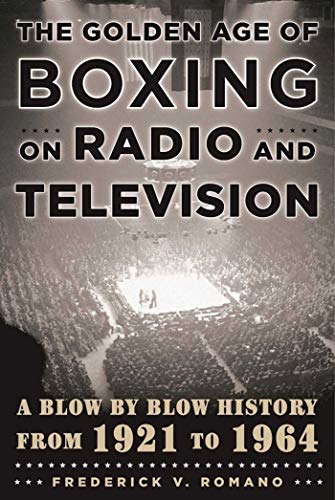
- Covers boxing’s radio and TV growth from 1921 to 1964
- Examines audiences, technology, and financial impact
- Includes announcers, WWII coverage, and broadcast-era issues
Best For: Readers who want a specialized media-history angle on boxing.
Knockout Storytelling

- 15 chapters of inspirational boxing stories
- Covers famous champions and legendary matches
- Includes bonus facts and historical context
Best For: Readers who prefer story-driven boxing history over dense analysis.
From Bare Knuckles to Champions

- Covers boxing from ancient origins to the modern era
- Explains rules, styles, and major governing bodies
- Includes top fighters, fights, and rising stars
Best For: Fans who want a broad, all-in-one boxing history overview.
Comprehensive Ring History – An Illustrated History of Boxing
If you want boxing history books that cover the sport broadly, this illustrated volume is built to move division by division and era by era. It traces fighters from flyweight to heavyweight, revisiting marquee names and the key matches that shaped each class.
Best For: Readers who want a wide-ranging, visual overview of boxing history across all weight classes.
Pros:
- Covers fighters from flyweight through heavyweight.
- Describes the key matches in all divisions.
- Includes major names like Jack Dempsey, Muhammad Ali, Joe Frazier, and Mike Tyson.
- Substantial 464-page revised and updated edition.
Cons:
- Broad scope means it is less focused on one era or division.
- Large format details may not appeal if you want a compact read.
This is a strong pick if you want a survey-style reference with a lot of historical ground covered. Its value is in the range of eras and champions it brings together in one place.
Heavyweight Era Memoir – Once There Were Giants: The Golden Age of Heavyweight Boxing
Among boxing history books focused on one era, this title zeroes in on the golden age of heavyweight fighting from 1962 to 1997. Written by an International Boxing Hall of Fame sportswriter who was ringside for the action, it blends eyewitness reporting with back stories from landmark heavyweight nights.
Best For: Readers who want an eyewitness account of heavyweight boxing’s golden age.
Pros:
- Centers on heavyweight boxing from 1962 to 1997.
- Written by ringside sportswriter Jerry Izenberg.
- Includes back stories from major fights and eras.
- Updated edition features a foreword by Manny Pacquiao.
Cons:
- Focused specifically on heavyweight boxing rather than the full sport.
- At 252 pages, it is shorter than some broader histories.
This book works well if you want narrative-driven coverage of the division that often defines boxing’s biggest moments. Its strength is the combination of firsthand perspective and historical context.
Legendary Fighters Survey – Boxing Greats: An Illustrated History of the Legends of the Ring
If you are comparing boxing history books for a classic legends overview, this one spans the sport from the eighteenth century to the present. It profiles major figures through their careers, character, and charisma, making it useful for readers who want a names-and-eras style history.
Best For: Readers who want a long-view illustrated survey of boxing’s legends.
Pros:
- Tracks boxing history from the eighteenth century to the present.
- Focuses on careers, characters, and charisma of major fighters.
- Includes names such as Rocky Marciano, Evander Holyfield, and Oscar De La Hoya.
- Large illustrated format with 255 pages.
Cons:
- Emphasis is on selected legends rather than an exhaustive record.
- The large 4.05-pound format may be less convenient for casual reading.
This is a good fit if you like illustrated boxing histories built around the sport’s most recognizable figures. It offers a long historical arc without losing sight of personality-driven storytelling.
Ranked Fighter Guide – Boxing's Greatest Fighters
For readers browsing boxing history books with a debate-friendly angle, this title takes a ranking approach to the sport’s top fighters. Bert Randolph Sugar not only argues who the greats were, but also reimagines matchups by adjusting boxers to the same height, weight, and ring conditions.
Best For: Fans who enjoy ranked lists and arguments about the best fighters in boxing history.
Pros:
- Ranks the greatest fighters in order.
- Explores hypothetical matchups under equal conditions.
- Written by Bert Randolph Sugar, former publisher of Ring Magazine.
- Includes many rare photographs.
Cons:
- The ranking choices are likely to spark disagreement.
- It is more opinion-driven than a neutral historical survey.
This book is best if you want a spirited, opinionated take that invites discussion. It works especially well for readers who like to compare eras, weights, and all-time greats.
Historic Debate Pick – The Arc of Boxing: The Rise and Decline of the Sweet Science
If you’re comparing boxing history books that focus on how the sport has changed over time, The Arc of Boxing takes a debate-driven approach. It looks at whether modern fighters measure up to earlier eras, with discussion of skill, endurance, fight frequency, and championship readiness.
Best For: Readers who want a thoughtful, comparative look at boxing’s rise and decline over the last century.
Pros:
- Explores how boxing changed through socioeconomic and demographic shifts.
- Features interviews with scholars, trainers, and former champions.
- Compares modern stars with legends like Joe Louis and Sugar Ray Robinson.
- Covers a wide range of performance and era-based questions.
Cons:
- More analytical than a straightforward fight-by-fight history.
- May appeal most to readers interested in boxing debates and research.
This is a strong pick if you want a history book that argues a clear thesis about the sport’s evolution rather than simply recounting bouts.
Photo-Heavy Fight History – The Great Fights: A Pictorial History of Boxing's Greatest Bouts
For shoppers browsing boxing history books with a visual angle, The Great Fights is a pictorial history focused on boxing’s greatest bouts. Its hardcover format and 255-page length suggest a compact, image-friendly read centered on memorable fights.
Best For: Readers who want a pictorial overview of boxing’s biggest bouts.
Pros:
- Presents boxing history through photographs and major bouts.
- Focuses specifically on the sport’s greatest fights.
- Hardcover edition may appeal to collectors and gift buyers.
- Concise 255-page length makes it approachable.
Cons:
- Limited details are provided about the scope of the text.
- May be better for browsing than for deep historical analysis.
If you want a visually oriented boxing history book that highlights landmark fights, this title fits that niche well.
Deep-Dive Social History – The Bittersweet Science: Racism, Racketeering, and the Political Economy of Boxing
The Bittersweet Science: Racism, Racketeering, and the Political Economy of Boxing
Check Price On AmazonIf you want boxing history books with a sharper social and political edge, The Bittersweet Science focuses on racism, racketeering, and the business side of the sport. The book is based on extensive research in court records, memoirs, and athletic commission files, and it traces the intersection of crime, race, and boxing politics.
Best For: Readers interested in the darker social and economic history behind boxing.
Pros:
- Built on exhaustive research in court records and memoirs.
- Covers racism, racketeering, and boxing’s political economy.
- Examines venues and commissions from Las Vegas to New Jersey.
- Offers an investigative, history-driven perspective.
Cons:
- Heavier on social history than on ring-by-ring storytelling.
- May be less suitable for readers seeking a lighter overview.
This is a compelling choice if you want a boxing history book that digs into the sport’s off-ring forces and the systems shaping it.
Broadcasting the Ring – Boxing History on Radio and TV
The Golden Age of Boxing on Radio and Television: A Blow-by-Blow History from 1921 to 1964
Check Price On AmazonIf you want boxing history books that go beyond the fights themselves, this one is a strong pick. Frederick V. Romano focuses on how radio and television shaped boxing’s growth, audience reach, finances, and public image from 1921 to 1964, making it especially useful for readers interested in the sport’s media era.
Best For: Readers who want a focused deep dive into how radio and TV helped build boxing’s golden age.
Pros:
- Covers boxing’s development through radio and television from 1921 to 1964
- Explores technology, audiences, and the sport’s financial growth
- Includes announcers, World War II coverage, organized crime, and TV-era monopolies
- References major names like Jack Dempsey, Joe Louis, and Rocky Marciano
Cons:
- More media-history focused than a general boxing overview
- Best suited to readers who want a specialized angle on the sport
This is a smart choice if you already enjoy boxing history books and want one that explains how broadcasting helped turn fights into cultural events. Its detailed scope and 525-page length make it better for readers who like thorough historical context than for those looking for a quick recap.
Knockout Storytelling – Incredible Boxing Tales
Among boxing history books, this one is built for readers who prefer stories over timelines. It collects inspirational and legendary tales from famous fighters and matches, blending well-known moments like Ali-Foreman with lesser-known stories of perseverance, injustice, and survival.
Best For: Readers who want an inspiring, story-driven introduction to boxing history.
Pros:
- Features 15 chapters spanning major moments in boxing history
- Highlights famous names like Muhammad Ali, Joe Frazier, Tyson Fury, and Mike Tyson
- Includes detailed match retellings and a “Did you know?” fact section in every chapter
- Covers boxing’s role in world history, war, and racial equality
Cons:
- At 186 pages, it is lighter than more comprehensive history books
- Readers seeking deep technical or rule-by-rule analysis may want a more detailed title
This book works well if you want an accessible, high-energy read that brings boxing’s biggest moments to life. Its mix of famous bouts and human-interest stories makes it especially appealing for newer fans or anyone who prefers inspirational sports narratives.
From Bare Knuckles to Champions – Complete Boxing History
If you are comparing boxing history books and want a broad overview, this title aims to cover the sport from ancient origins to the modern era. It walks through the evolution of boxing rules, styles, champions, and major fights, making it a practical starting point for readers who want the big picture.
Best For: Fans who want a general-purpose overview of boxing’s full evolution.
Pros:
- Starts with boxing’s ancient origins and moves through modern history
- Covers major fighters, unforgettable fights, and championship legacies
- Explains rule changes, weight classes, and major governing organizations
- Includes boxing styles and a look at the sport’s future
Cons:
- Broad coverage may feel less specialized than niche boxing history books
- Publication date is listed as 2025, so it is a newer release with limited track record
This is a solid pick if you want a single book that introduces the sport’s origins, evolution, and biggest names in one place. Its wide scope makes it useful for newcomers, while the detailed chapter topics still give established fans plenty to explore.
How We Picked These Boxing History Books
We focused on books that balance readability, historical value, and subject variety. That means a mix of broad surveys, era-specific histories, fighter-focused titles, and books that explore boxing’s wider cultural impact. We also looked for clear organization, strong reputations among readers, and formats that suit different kinds of fans.
Quick Comparison
If you want a fast overview, think in categories: illustrated histories for visual learners, heavyweight-era books for classic fight fans, bout-focused titles for readers who love memorable matchups, and analytical works for people who want Boxing History Books with more context about race, media, and economics.
Key Buying Factors for Boxing History Books
Scope and Era
Some titles cover the full evolution of the sport, while others concentrate on a golden age, a specific division, or a particular media era. Choose broad coverage if you’re new to the subject; choose a narrower book if you already know the basics and want depth.
Visuals and Presentation
Illustrated and pictorial books are ideal if you want photographs, fight posters, and archival material. These tend to work especially well as gift books and coffee-table additions.
Historical Depth
If you care about more than champions and highlights, look for books that examine boxing’s role in society. The strongest Boxing History Books often connect the ring to politics, race, labor, and entertainment.
Readability
Some histories read like reference works, while others are narrative-driven and accessible. If the book is for casual reading, prioritize a lively style and a clear structure over exhaustive detail.
Who Should Buy Which Boxing History Books?
New fans should start with a broad, accessible history or an illustrated overview. Fans of classic eras may prefer heavyweight-focused or greatest-bouts titles. Readers interested in the sport beyond the ring should choose books that examine broadcasting, economics, and social forces. For gifts, illustrated Boxing History Books with strong visuals are usually the safest bet.