Choosing the right pattern cutting book can save hours of trial and error, whether you are learning the basics or refining advanced garment drafting skills.
Below, we’ve rounded up 10 of the best pattern cutting books for 2026, with options for beginners, students, and experienced makers working across different garment types.
Best 10 Pattern Cutting Books Picks for 2026
Essential Women's Wear Reference
Metric Pattern Cutting for Women's Wear

- Covers form and flat pattern cutting
- Includes updated skirt and trouser blocks
- Strong textbook for beginners and students
Best For: Students and beginners learning womenswear drafting
Masterclass Guide
Building Patterns: Ultimate Guide to Designing Patterns

- Wide-ranging coverage of pattern making basics
- Step-by-step diagrams and practice exercises
- Includes slopers, sleeves, pants, collars, and more
Best For: Aspiring designers and visual learners
Menswear Standard Text
Metric Pattern Cutting for Menswear

- Established menswear pattern-cutting reference
- Updated CAD chapter with color illustrations
- Includes new tailored shirt blocks
Best For: Students and designers working in menswear
Hands-On Sewing Manual
Practical Pattern Making: A Step-by-step Guide

- Step-by-step format with photos and diagrams
- Includes 40 scaled pattern templates
- Covers measuring, draping, grain, and bias
Best For: Sewists who learn best by doing
Children's Wear Specialist
Metric Pattern Cutting for Children's Wear and Babywear

- Focused on children's wear and babywear pattern cutting
- Emphasizes flat pattern cutting for modern easy-fitting styles
- Updated charts include boys', girls', and plus sizing
Best For: students and designers focused on children's wear or babywear
Lingerie & Swimwear Guide
Pattern Cutting for Lingerie, Beachwear and Leisurewear

- Covers blocks and patterns for lingerie, beachwear, and leisurewear
- Explains the reasoning behind methods, not just the steps
- Includes tips, scale blocks, and updated style coverage
Best For: those designing close-fitting lingerie, swimwear, and leisurewear
Menswear Patternmaking

- Covers basic skills through advanced menswear techniques
- Includes 20 complete patterns and scaled visual examples
- Combines theory, technical flats, and muslin photos
Best For: students and professionals working in menswear design and patternmaking
Easy Foundations
Pattern Cutting Made Easy: A Step-by-Step Introduction

- Clear step-by-step introduction to pattern cutting
- Covers skirts, bodices, jackets, and trousers
- Includes sketches and patterns for key elements
Best For: Beginners and students building core pattern cutting skills
Tailored Focus
Pattern Cutting for Women's Tailored Jackets: Classic and Contemporary
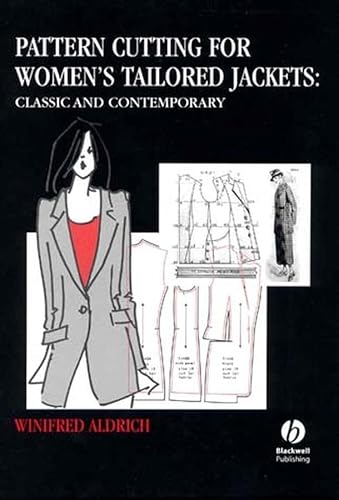
- Focused guide to women's tailored jacket cutting
- Covers bespoke, engineered, and style cutting
- Links cutting heritage with modern production
Best For: Tailored jacket makers and designers seeking method-specific guidance
Creative Architecture
Pattern Cutting: The Architecture of Fashion

- Creative approach to adapting basic patterns
- Over 200 images with toiles and catwalk photos
- Includes new chapters on draping and geometry
Best For: Creative fashion students and womenswear designers
Essential Women's Wear Reference – Metric Pattern Cutting for Women's Wear
If you’re comparing pattern cutting books for learning womenswear drafting, this title is a strong starting point. It offers a straightforward introduction to form pattern cutting for garments that fit the body shape, plus flat pattern cutting for casual garments and jersey wear, making it useful for both beginners and students.
Best For: Students and beginners who want a clear foundation in womenswear pattern cutting.
Pros:
- Explains both form pattern cutting and flat pattern cutting.
- Includes basic blocks and examples of how to apply them to garments.
- Updated edition with revised skirt and trouser blocks.
- Useful CAD section updates for modern study and practice.
Cons:
- Focused specifically on women’s wear rather than general garment drafting.
- Best suited to foundational learning, not advanced specialization.
This is a practical textbook-style choice if you want a dependable overview of core womenswear pattern skills. Its clear layout and revised blocks make it especially appealing for anyone building confidence with the basics.
Masterclass Guide – Building Patterns: Ultimate Guide to Designing Patterns
Among pattern cutting books, this one is aimed at readers who want a step-by-step master class in pattern making. It covers tools, terminology, slopers, dart manipulation, style lines, necklines, collars, sleeves, pants, pockets, and garment construction, with diagrams and practice exercises to support visual learning.
Best For: Aspiring fashion designers and sewists who want a comprehensive, visual pattern-making guide.
Pros:
- Broad coverage from tools and terminology to garment construction.
- Includes step-by-step instructions with diagrams and illustrations.
- Built-in practice exercises support hands-on learning.
- Addresses multiple garment elements like collars, sleeves, pants, and pockets.
Cons:
- Published as a first edition, so it’s newer than some long-established references.
- Depth may be more than a casual hobbyist needs.
This is a strong pick if you want a structured, classroom-style resource that walks through the full pattern-making process. It looks especially useful for learners who prefer clear visual guidance and a broad curriculum in one book.
Menswear Standard Text – Metric Pattern Cutting for Menswear
If you need pattern cutting books focused on men’s wear, this established textbook is a dependable option. It is described as a standard work in the field and includes updated CAD coverage, new blocks for tailored shirts, and revised sizing and labelling information.
Best For: Fashion students and practising designers working with menswear blocks and drafting.
Pros:
- Long-standing reference described as a standard work on the subject.
- Updated CAD chapter with full-colour illustrations.
- Includes new tailored shirt blocks.
- Clear text and diagrams make it suitable for study and reference.
Cons:
- Primarily menswear-focused rather than general pattern cutting.
- Shorter than some broader pattern-making manuals.
This is a solid technical choice if your priority is menswear drafting and block development. Its updated blocks and CAD material make it especially relevant for modern fashion courses and design work.
Hands-On Sewing Manual – Practical Pattern Making: A Step-by-step Guide
For readers searching for practical pattern cutting books with a hands-on teaching style, this guide offers a clear path through the basics. It uses photographs, examples, diagrams, templates, and worksheets to explain body measurement, pattern drawing, draping, grain, bias, and custom-tailored garment creation.
Best For: Enthusiastic sewers and fashion students who want an interactive, step-by-step approach.
Pros:
- Uses photos, diagrams, and templates to explain techniques clearly.
- Includes blank worksheets and 40 scaled pattern templates.
- Covers measuring, marking, draping, grain, and bias.
- Progresses from basic skirt designs to more advanced garments.
Cons:
- More exercise-driven than a purely theoretical reference.
- Garment selections may be narrower than a large encyclopedic guide.
This book stands out for its practical, workshop-like format and template-based learning. It is a good fit if you want to build real pattern-making skills through guided examples rather than dense theory.
Children's Wear Specialist – Metric Pattern Cutting for Children's Wear and Babywear
If you’re comparing pattern cutting books for children’s clothing, this one stands out for its focused coverage of babywear and children’s wear. The fourth edition has been reorganized around today’s easy-fitting styles and knitted fabrics, while still covering shaped blocks for school uniform, fashion, and formal garments.
Best For: Students, beginners, and designers working specifically in children’s wear or babywear.
Pros:
- Reorganized to reflect current children’s clothing production and marketing.
- Emphasizes basic flat pattern cutting for the majority of children’s wear and babywear.
- Clearly separates beginner content from more advanced and specialist sections.
- Updated size charts include boys’, girls’, and plus charts for heavier children.
Cons:
- Highly specialized, so it is less useful if you need a general pattern cutting reference.
- Some shaped-block techniques are limited to specific garment types.
This is a practical choice if your work centers on children’s sizing, fit, and construction rather than adult garment categories. The colour coding and revised charts make it easier to navigate, especially for learners.
Lingerie & Swimwear Guide – Pattern Cutting for Lingerie, Beachwear and Leisurewear
Among pattern cutting books for close-fitting garments, this title is built around lingerie, beachwear, and leisurewear. It provides a full range of blocks and patterns, explains the reasoning behind the methods, and includes tips from taking measurements to working with different fabrics.
Best For: Students and makers who want a focused guide to lingerie, beachwear, and close-fitting leisurewear.
Pros:
- Covers a full range of blocks and patterns for lingerie, beachwear, and leisurewear.
- Explains the reasoning behind the methods, helping you adapt the approach.
- Includes tried-and-tested instructions and trade tips for a polished finish.
- Uses one-fifth scale blocks to support textbook-size experimentation.
Cons:
- Specialist focus means it is not a broad all-round pattern cutting manual.
- Best suited to close-fitting garments rather than looser apparel categories.
If you need a book that goes beyond basic drafting and addresses fit, fabric choice, and professional-looking results, this is a strong specialist option. The added coverage of cup sizes, tankinis, thongs, and other updated styles broadens its usefulness.
Menswear Patternmaking – Pattern Cutting for Menswear
If you’re shopping for pattern cutting books aimed at menswear, this guide offers a broad progression from basic skills to advanced techniques. It includes 20 complete patterns and uses step-by-step instruction with scaled flats, technical illustrations, and muslin photographs to show how menswear patterns are developed.
Best For: Students and professionals who want a comprehensive menswear patternmaking reference.
Pros:
- Comprehensive coverage from basic skills through advanced techniques.
- Includes 20 complete patterns for a wide range of menswear garments.
- Uses step-by-step explanations with technical flats and fashion illustrations.
- Shows muslin photographs to support the pattern development process.
Cons:
- Menswear-specific, so it is not ideal if you need a general apparel drafting book.
- Very extensive coverage may be more than casual hobby users need.
This is a strong pick when you want a detailed menswear reference that combines theory with practical application. The large amount of content makes it useful for both learning and day-to-day design work.
Easy Foundations – Pattern Cutting Made Easy: A Step-by-Step Introduction
If you want pattern cutting books that start with the essentials and build confidence quickly, this introduction keeps things clear and practical. It begins with skirt and bodice blocks, then moves into jacket and trouser blocks before showing how to create details like necklines, collars, sleeves, yokes, flounces, pleats, peg tops, pockets, and crossovers.
Best For: Beginners, students, and designers who want a straightforward step-by-step entry into pattern cutting.
Pros:
- Simple, concise explanations make complex techniques less intimidating.
- Covers core blocks for skirts, bodices, jackets, and trousers.
- Includes sketches and patterns for the design elements discussed.
- Moves from basics into more refined features in a logical order.
Cons:
- At 112 pages, it is a fairly compact introduction.
- Best suited to foundational learning rather than deep technical specialization.
This is a strong choice if you want a friendly, structured guide that helps you get started without overload. It focuses on practical progression, making it easier to apply the techniques as you learn.
Tailored Focus – Pattern Cutting for Women's Tailored Jackets: Classic and Contemporary
Among pattern cutting books focused on tailoring, this title zeroes in on women’s tailored jackets and the methods used to produce them. It explains bespoke cutting, engineered cutting, and style cutting, while also drawing on a rich cutting tradition and showing how older techniques can still inform modern garment production.
Best For: Designers and pattern cutters looking for a focused guide to women’s tailored jacket construction and cutting methods.
Pros:
- Dedicated to women’s tailored jackets, so the topic is tightly focused.
- Explains three approaches: bespoke, engineered, and style cutting.
- Connects traditional cutting heritage with modern methods.
- Useful for readers who want inspiration for current production techniques.
Cons:
- Very specialized, so it is not a general pattern cutting overview.
- Best value is for readers interested specifically in tailored jackets.
This book stands out for its narrow, practical scope and its blend of tradition and modern application. If tailored jacket making is your priority, it offers a useful method-driven perspective.
Creative Architecture – Pattern Cutting: The Architecture of Fashion
If you’re comparing pattern cutting books that encourage experimentation, this third edition leans into creative development and practical adaptation. It helps you think beyond basic blocks, translate 2D ideas into 3D womenswear, and apply transferrable techniques to a wide range of garments.
Best For: Fashion design students and creative pattern cutters who want an inspirational, technique-rich womenswear resource.
Pros:
- Teaches an accessible approach to adapting basic patterns.
- Includes over 200 images showing toiles, catwalk photos, and construction steps.
- Adds troubleshooting tips, case studies, and interviews for practical context.
- Updated with new chapters on draping and geometry, plus sustainable practices.
Cons:
- Primarily focused on womenswear.
- May suit readers who want creative application more than strict basics.
This edition is well suited to readers who want inspiration alongside method. Its mix of visuals, examples, and updated content makes it a versatile option for creative garment development.
How We Picked These Pattern Cutting Books
We focused on books that offer clear instruction, practical drafting methods, and strong value for readers at different skill levels. Priority went to titles that are widely used for dressmaking, fashion design, and technical pattern development, with a balance of general and specialist coverage.
Quick Comparison
If you want a broad learning path, choose a general pattern-drafting title first, then add a specialist book for womenswear, menswear, children’s wear, or lingerie and tailored jackets. This approach helps you build core skills before moving into garment-specific shaping, fit, and construction methods.
Key Buying Factors for Pattern Cutting Books
Skill Level
Some Pattern Cutting Books are designed as step-by-step introductions, while others assume you already understand terminology, measurements, and drafting logic. Match the book to your current level so you get usable results without unnecessary confusion.
Measurement System
Several of these books use metric drafting methods, which are common in professional fashion education. If you work in imperial measurements, check whether the book clearly converts sizes or offers a method you can adapt.
Garment Focus
Choose a title based on what you actually make. Womenswear, menswear, children’s wear, lingerie, and tailored jackets each involve different proportions, fitting challenges, and pattern shaping techniques.
Depth of Instruction
The best Pattern Cutting Books explain not just what to draft, but why each adjustment matters. Look for clear diagrams, step sequences, and fitting guidance that help you troubleshoot real-world issues like ease, balance, and silhouette.
Reference Value
A strong pattern cutting book should remain useful after the first read. Books with clean layouts, practical reference charts, and repeatable drafting methods are easier to revisit during projects or coursework.
Who Should Buy Which Pattern Cutting Books?
Beginners should look for an accessible, step-by-step introduction that builds confidence with blocks, measurements, and basic alterations. Intermediate readers may prefer comprehensive drafting manuals that cover multiple garment categories and more advanced shaping techniques.
If you specialise, pick books tailored to your niche: womenswear for skirts, bodices, and dresses; menswear for sharper proportions and tailoring; children’s wear for growth and fit; lingerie and leisurewear for stretch and close fit; and tailored jackets for structure and precision. For a broader fashion-design perspective, a more conceptual title can help connect pattern development to garment design as a whole.