Container gardening can turn patios, balconies, decks, and even sunny windowsills into productive growing spaces. The right book makes it easier to choose containers, manage soil, and keep plants thriving all season.
In this roundup, we focus on container gardening books that help beginners and experienced gardeners plan better, grow more, and avoid common mistakes.
Best 10 Container Gardening Books Picks for 2026
Edible Container Growing Guide
The Vegetable Gardener's Container Bible
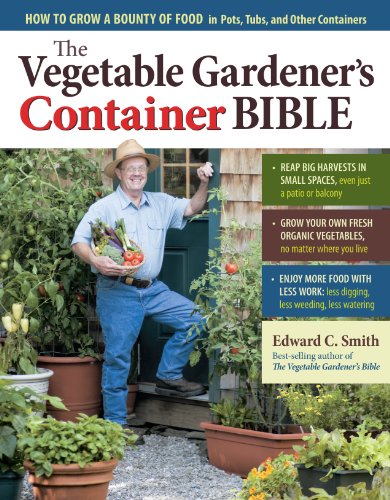
- Step-by-step advice for edible container gardening
- Covers plant choice, containers, pests, and harvesting
- Includes lots of photos and practical examples
Best For: Gardeners growing vegetables in pots, tubs, and other containers
Scandinavian Style Showcase
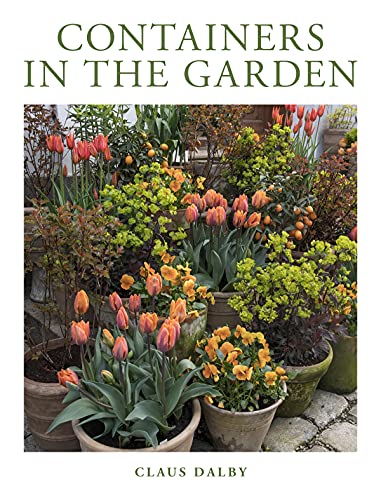
- Gorgeously illustrated design-focused container book
- Seasonal ideas from spring to autumn
- Highlights single-species pots and textured groupings
Best For: Decorative gardeners seeking Scandinavian-inspired container designs
Design Ideas and Techniques

- 250 plant combinations for creative container designs
- Step-by-step planting and care guidance
- Useful for patios, balconies, and short growing seasons
Best For: Gardeners who want inspiration plus practical container techniques
Edible Container Master Guide
McGee & Stuckey's Bountiful Container

- Highly detailed guide to edible container growing
- Covers vegetables, herbs, fruits, and flowers
- Includes fundamentals plus themed garden ideas
Best For: Serious growers wanting a comprehensive edible container reference
Southern Living Pick
Container Gardens: Over 200 Fresh Ideas

- Over 200 indoor and outdoor container ideas
- Step-by-step planting and care guidance
- Container recipes with exact plant combinations
Best For: Beginners and style-focused gardeners
Budget-Smart Pick
The Money-Saving Gardener Containers

- Year-round container projects for less
- Tips for reusing pots and repurposing items
- Advice on conserving compost, water, and plants
Best For: Budget-conscious gardeners wanting seasonal container ideas
Veggie Starter Pick
Effortless Raised Bed & Container Vegetable Gardening

- Beginner-friendly vegetable gardening guide
- Covers soil prep, watering, and composting
- Includes companion planting for pest control
Best For: First-time gardeners growing vegetables in containers or raised beds
Recipe-Style Container Designs
The Container Garden Recipe Book

- Over 50 step-by-step planter recipes
- Hundreds of photos for plant placement
- Covers pots, window boxes, baskets, and more
Best For: Outdoor decorators who want seasonal planter recipes
Illustrated All-Around Guide
Complete Guide to Container Gardening

- More than 125 container recipes
- Over 500 photos and illustrations
- Covers basics through advanced projects
Best For: Gardeners who want a broad visual reference
Beginner Veggie Plans for Small Spaces
Raised Bed & Container Vegetable Gardening for Beginners and Beyond

- Built for small-space edible gardens
- Includes soil mix and crop profiles
- Gives exact layouts and seasonal plans
Best For: First-time growers who want vegetables in containers
Edible Container Growing Guide – The Vegetable Gardener's Container Bible
If you want container gardening books focused on growing food in small spaces, this one is built for practical results. Ed Smith walks through the basics of choosing the right plants, picking containers, managing pests without chemicals, and harvesting fresh vegetables, with plenty of photos to help you follow along.
Best For: Gardeners who want a step-by-step guide to growing vegetables in pots, tubs, and other containers.
Pros:
- Clear, step-by-step approach to edible container gardening
- Covers plant selection, container choice, pest control, and harvesting
- Includes lots of photos for visual reference
- Designed for small spaces like patios and balconies
Cons:
- Focused mainly on vegetables rather than ornamental planting
- May be more detailed than casual readers need
Overall, this is a strong practical pick if your main goal is to turn limited space into a productive food garden. It reads like a complete how-to for edible containers and should suit gardeners who want structure and dependable advice.
Scandinavian Style Showcase – Containers in the Garden
Among container gardening books, this title stands out for its design-first approach and seasonal inspiration. Claus Dalby focuses on single-species pots, textured groupings, and elegant monochromatic displays, making it a strong choice if you want your containers to look styled as well as planted.
Best For: Readers who want decorative container ideas inspired by Scandinavian planting and seasonal color palettes.
Pros:
- Gorgeously illustrated with breathtaking photography
- Shows distinctive single-plant and grouped-pot design ideas
- Offers seasonal inspiration from spring through autumn
- Includes ideas for foliage, tropicals, and even edible plants
Cons:
- Leans more toward style and inspiration than technical instruction
- Less focused on food production than vegetable-only guides
This is the right choice if you care as much about visual impact as plant selection. Dalby’s approach is polished, seasonal, and easy to adapt for front steps, patios, and other display areas.
Design Ideas and Techniques – Container Gardening
If you are comparing container gardening books for ideas and technique, this Fine Gardening collection gives you both. It combines 250 plant combinations with step-by-step container guidance, making it useful for anyone trying to build attractive containers on a balcony, patio, or other small outdoor space.
Best For: Gardeners who want inspiration and practical container techniques in one place.
Pros:
- Includes 250 dramatic plant combinations
- Provides clear step-by-step planting and care techniques
- Offers advice for small spaces and short growing periods
- Shows how containers can define space and soften edges
Cons:
- Compilation format may feel less personal than an author-driven guide
- More focused on design ideas than deep crop-specific detail
For readers who want a broad idea bank with usable technique, this is an efficient pick. It is especially appealing if you like the trusted, practical style associated with Fine Gardening.
Edible Container Master Guide – McGee & Stuckey's Bountiful Container
For gardeners searching for container gardening books with a deep edible focus, this guide covers an unusually wide range of food plants. It starts with soil, sun, water, fertilizer, seeds, and propagation, then moves into a plant-by-plant reference for vegetables, herbs, edible flowers, and even fruits that can be grown in containers.
Best For: Readers who want an exceptionally detailed guide to growing food in containers, including vegetables, herbs, fruits, and edible flowers.
Pros:
- Very comprehensive plant-by-plant coverage
- Includes vegetables, herbs, edible flowers, and fruits
- Starts with solid fundamentals on soil, sun, and water
- Includes theme gardens and helpful sidebars
Cons:
- Heavier and longer than simpler beginner guides
- Published earlier than some newer container gardening books
This is a strong reference-style choice if you want breadth and detail rather than a quick overview. Its mix of fundamentals, crop lists, and themed ideas makes it especially useful for serious edible container growers.
Southern Living Pick – Container Gardens: Over 200 Fresh Ideas
Container Gardens: Over 200 Fresh Ideas for Indoor and Outdoor Inspired Plantings
Check Price On AmazonIf you want container gardening books that make it easy to create polished indoor and outdoor displays, this Southern Living title is a strong place to start. It covers the basics for beginners while also offering fresh inspiration for more experienced gardeners, plus step-by-step planting and care tips you can actually follow.
Best For: Beginners and home gardeners who want inspirational ideas and ready-to-copy container combinations.
Pros:
- Includes over 200 fresh ideas for indoor and outdoor plantings.
- Offers step-by-step techniques and care tips for container gardening.
- Provides container recipes with exact plant combinations to recreate at home.
- Shows how containers can define space, soften edges, and add structure around the home.
Cons:
- Focuses more on ideas and design than on vegetable-growing instruction.
- May be better suited to decorative plantings than to highly technical gardeners.
This is a practical, visually driven guide for anyone who wants container gardening help without a steep learning curve. The mix of inspiration and clear guidance makes it useful for small spaces, patios, and year-round decorating.
Budget-Smart Pick – The Money-Saving Gardener Containers
The Money-Saving Gardener Containers: How to Create a Year-round Container Garden for Less
Check Price On AmazonFor shoppers comparing container gardening books on a budget, this guide is built around creating year-round container displays for less. It covers seasonal projects for spring, summer, fall, and winter, while also sharing practical ways to reuse pots, save compost and water, and propagate plants for free.
Best For: Gardeners who want affordable container ideas and money-saving tips for every season.
Pros:
- Focuses on creating beautiful container displays for less.
- Includes projects for spring, summer, fall, and winter.
- Shares advice on repurposing everyday items and reusing pots.
- Offers tips for conserving compost, water, and other resources.
Cons:
- Publication is listed for 2026, so it may not be immediately available.
- Appears more centered on cost-saving ideas than on advanced design techniques.
This is a good fit if you want practical container gardening guidance with an emphasis on stretching your budget. The seasonal format makes it easy to keep containers looking fresh throughout the year.
Veggie Starter Pick – Effortless Raised Bed & Container Vegetable Gardening
If you’re looking for container gardening books that focus on growing food, this beginner-friendly guide is aimed at making vegetable gardening feel manageable. It explains soil prep, companion planting for organic pest control, watering, composting, and seasonal planting in a step-by-step format.
Best For: New gardeners who want a simple guide to productive container and raised bed vegetables.
Pros:
- Covers container, raised bed, and in-ground gardening basics.
- Explains soil prep, watering, composting, and seasonal planting.
- Includes companion planting tips for organic pest management.
- Designed as a straightforward, step-by-step beginner toolkit.
Cons:
- Focused on vegetable gardening rather than decorative container design.
- Limited page count may mean a lighter overview than larger reference books.
This book is the most practical choice here if your main goal is growing edible crops in compact spaces. It keeps the advice simple and action-oriented, which is helpful for first-time gardeners who want quick wins.
Recipe-Style Container Designs – The Container Garden Recipe Book
If you want container gardening books that make planting feel simple and visual, this one delivers a recipe format for outdoor pots, window boxes, hanging baskets, urns, bowls, and more. It focuses on step-by-step designs, detailed ingredient lists, and hundreds of photos showing exactly where and how to place each plant.
Best For: Gardeners who want ready-to-follow container design ideas for porches, patios, and seasonal outdoor displays.
Pros:
- Over 50 step-by-step planter recipes for a wide range of containers
- Includes hundreds of photos for plant placement guidance
- Covers foundational planting techniques, care, and container selection
- Offers designs for all seasons, from spring bulbs to evergreens
Cons:
- Focuses on decorative outdoor planters rather than food gardening
- Not a broad reference for every type of garden project
This is a strong pick if you like a highly visual, project-based approach and want container ideas that can be recreated with clear instructions. The recipe format makes it easy to choose a look and get started without guessing.
Illustrated All-Around Guide – Complete Guide to Container Gardening
Among container gardening books, this one stands out as a broad, user-friendly reference for building beautiful container gardens of many shapes and sizes. It explains soils, plant selection, planting combinations, and care, while using a recipe-and-ingredients format that makes projects easy to shop for and follow.
Best For: Readers who want a visual, all-purpose container gardening guide with plenty of project ideas.
Pros:
- Features more than 125 container recipes with color photos and planting plans
- Includes over 500 photos and illustrations for inspiration and instruction
- Covers basics through more advanced projects like window box butterfly gardens
- Provides shopping lists, tips, and planting guidance in an easy reference format
Cons:
- Published in 2009, so some styling may feel less current than newer books
- More of a general guide than a niche-focused specialist title
This is a practical choice if you want lots of ideas in one book and prefer a clear, visual format. It works well for gardeners who want both inspiration and the basics needed to complete projects successfully.
Beginner Veggie Plans for Small Spaces – Raised Bed & Container Vegetable Gardening for Beginners and Beyond
If your search for container gardening books is really about growing food in a small space, this guide takes a hands-on approach from the start. It focuses on containers and raised beds, with beginner-friendly soil, planting, pest control, and seasonal planning advice designed to help you grow an edible garden step by step.
Best For: Beginners who want a practical guide to growing vegetables and herbs in containers or raised beds.
Pros:
- Designed to get you growing quickly, even if you are new to gardening
- Includes a 3-ingredient soil mix recipe and beginner crop profiles
- Provides copy-exact garden layouts with real measurements
- Covers pest control, frost-date planning, succession planting, and seed saving
Cons:
- Focused on edible gardening, not ornamental container design
- Publication date is listed as 2026, so availability may vary
This is a good fit if you want a small-space vegetable plan instead of decorative container ideas. The book emphasizes action, simple setups, and seasonal follow-through, which makes it especially useful for first-time growers.
How We Picked the Best Container Gardening Books
We looked for books that offer practical container-growing advice, clear instructions, and usable planning ideas rather than vague inspiration alone. Strong picks cover plant selection, watering, soil mixes, fertilizer, spacing, and seasonal maintenance. We also favored books that match different reader needs, from vegetable growers to flower gardeners and budget-conscious beginners.
Quick Comparison
Some Container Gardening Books lean heavily toward edible crops, while others focus on decorative design and all-season styling. If you want harvests, choose titles centered on vegetables, herbs, and edible flowers. If you care more about aesthetics, look for books with design ideas, planting combinations, and visual inspiration. Beginner-friendly guides usually explain the basics more clearly, while advanced books may offer more detailed techniques and layout strategies.
Key Buying Factors for Container Gardening Books
Growing Focus
Check whether the book emphasizes food crops, ornamentals, or a balanced mix. The best fit depends on whether you want tomatoes and herbs, floral displays, or a little of both.
Skill Level
Some Container Gardening Books are ideal for first-timers and cover setup step by step. Others assume you already know the basics and want more refined design or productivity tips.
Space and Container Type
Make sure the book covers the kind of gardening you actually do, such as pots, window boxes, hanging baskets, raised beds, or indoor setups. Space-specific advice is usually more actionable than general guidance.
Seasonal and Budget Advice
Useful books explain how to extend the season, reuse materials, and build a container garden affordably. That matters if you want results without overspending on pots, soil, and accessories.
Who Should Buy Which Container Gardening Books?
Beginners should prioritize clear, step-by-step titles that explain the basics in plain language. Vegetable gardeners should choose books with strong edible-growing coverage, including soil, watering, and companion planting. Design-minded readers may prefer titles with layout ideas and visual inspiration for attractive containers. If you want to save money or garden in small spaces, look for books that specifically address budget-friendly container planning and compact growing systems.
Overall, the best Container Gardening Books are the ones that match your space, your goals, and how much guidance you need to succeed.