Looking for flower gardening books that actually help you grow better blooms? The right guide can simplify plant selection, improve seasonal color, and make every bed, border, and container more successful.
Our roundup focuses on books that teach practical skills, from planting and care to harvesting and arranging, so you can choose the best fit for your garden goals.
Best 10 Flower Gardening Books Picks for 2026
Comprehensive Flower Gardening Guide
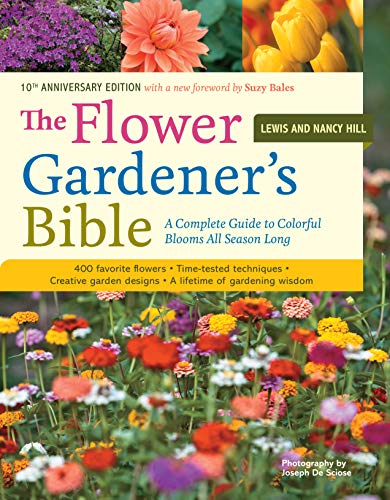
- 400+ plant encyclopedia with care tips
- 23 theme garden designs for inspiration
- Covers soil, pests, planning, and site prep
Best For: gardeners who want a broad all-in-one reference
Cut-Flower Growing Handbook

- 50 profiles split by cool and warm seasons
- Succession planting advice for continuous blooms
- 200+ photos plus harvesting and care guidance
Best For: bouquet growers and small-scale cut-flower gardeners
Container Flower Design Guide

- Entirely focused on flowers in pots and containers
- Strong on creative, colorful small-space design
- Includes seasonal blooms and cut-flower ideas
Best For: small-space gardeners and container-planting fans
Seasonal Cut-Flower Inspiration
Floret Farm's Cut Flower Garden

- Season-by-season growing and arranging guidance
- Step-by-step projects for garlands and centerpieces
- Lush photography throughout
Best For: gardeners who want beauty, instruction, and arrangement ideas
Cut-Flower Farm Guide

- Organic guidance for planting and seasonal rotation
- Covers harvesting blooms and arranging bouquets
- Photo-rich and rooted in boutique flower-farm methods
Best For: Gardeners who want to grow and arrange cut flowers
Season-Long Border Planning
Annuals, Perennials, and Bulbs
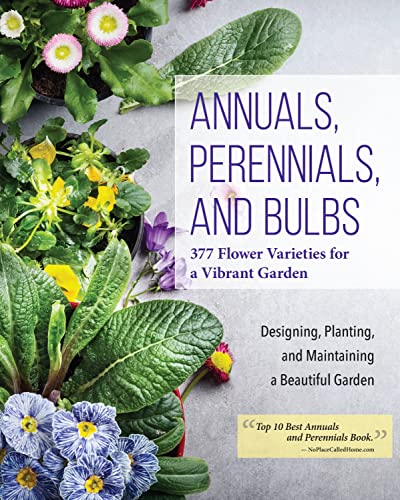
- Profiles 377 flower varieties with planting guidance
- 600 photos and 40+ step-by-step sequences
- Covers soil, containers, seeds, bulbs, and winter prep
Best For: Gardeners planning colorful beds and borders
Trusted Bloom Handbook
The Old Farmer's Almanac Flower Gardener's Handbook

- Profiles 32 flowers and garden plants in detail
- Covers planting, pests, cut flowers, and containers
- Includes native plants, seeds, and season-long color tips
Best For: Gardeners wanting a broad, trusted flower reference
Classic Reference
Complete Book of Garden Flowers
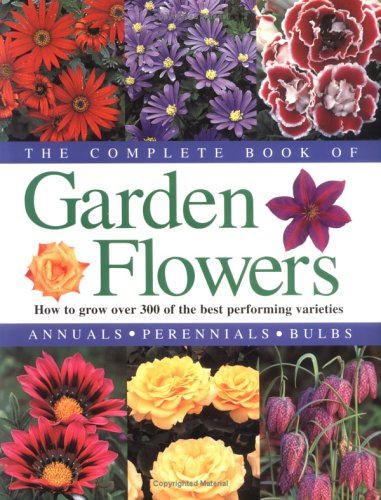
- Over 300 annuals, perennials, and bulbs
- Planting guidance by light and moisture conditions
- Monthly checklist plus special plant sections
Best For: Gardeners seeking a broad, practical reference for reliable flowering plants
Design-Focused Guide
Ultimate Flower Gardener's Guide

- Focuses on color, shape, and texture combinations
- Includes advice for pollinator-friendly gardens
- Friendly, practical tone for getting started
Best For: Gardeners who want styling ideas and easy-to-follow planting advice
Comprehensive Encyclopedia

- Covers over 600 flowering plants
- Includes month-by-month reminders and profiles
- Adds troubleshooting and protection tips
Best For: Gardeners who want the widest plant coverage and detailed growing guidance
Comprehensive Flower Gardening Guide – The Flower Gardener's Bible
If you want one of the most complete flower gardening books available, this guide covers the full process from site planning and soil prep to pest control and plant care. It’s built for gardeners who want a broad reference they can return to through the season.
Best For: Gardeners who want an all-in-one reference for planning, growing, and maintaining colorful flower beds.
Pros:
- Covers planning, preparing a site, and improving soil.
- Includes an encyclopedia of more than 400 plants with care tips.
- Offers 23 theme garden designs for inspiration.
- Combines illustrations and photographs for easier reference.
Cons:
- At 384 pages, it’s a substantial book rather than a quick skim.
- Best suited to readers who want a broad handbook instead of a narrow specialty guide.
This is a strong pick if you want a classic, detailed flower gardening book that balances inspiration with practical instruction. It should be especially useful for gardeners building or refining a full-season flower garden.
Cut-Flower Growing Handbook – The Cut Flower Handbook
If your goal is to grow bouquets at home, this flower gardening book focuses on the steps that matter most: selecting plants, planting in the right season, harvesting, and extending vase life. It’s a practical choice for both backyard growers and small-scale flower farmers.
Best For: Gardeners who want to grow, cut, and arrange their own flowers for bouquets or small flower-farm use.
Pros:
- Includes 50 flower profiles organized by cool and warm seasons.
- Explains succession planting to keep blooms coming through the year.
- Offers guidance on pinching, cutting, support netting, and bed setup.
- Uses over 200 photographs and illustrations for clear instruction.
Cons:
- Best for readers focused on cut flowers rather than general ornamental gardening.
- Less suited to those looking for landscape or theme-garden planning ideas.
This book stands out for its hands-on, production-focused advice and its emphasis on getting more usable stems from every planting. It’s a smart buy if you want a flower gardening guide centered on bouquets and harvesting.
Container Flower Design Guide – The Flower Yard
For gardeners working with patios, paths, or small urban spaces, this flower gardening book shows how to build a lush display entirely in pots. It emphasizes creative container planting and abundant seasonal color without needing a large yard.
Best For: Container gardeners who want a richly planted, high-impact flower display in a small space.
Pros:
- Focused entirely on growing flowers in containers and pots.
- Offers down-to-earth advice alongside bold, inspirational ideas.
- Highlights a wide range of blooms, from crocus and tulips to dahlias and sweet peas.
- Useful for creating a vivid doorstep or patio garden.
Cons:
- Not aimed at gardeners who want in-ground border or bed design.
- Best suited to readers interested in decorative container planting.
This title is a great match if you want flower gardening inspiration that works in limited space but still feels abundant and artistic. It’s especially appealing for gardeners who value color, texture, and a polished container look.
Seasonal Cut-Flower Inspiration – Floret Farm's Cut Flower Garden
Floret Farm's Cut Flower Garden: Grow, Harvest, and Arrange Stunning Seasonal Blooms
Check Price On AmazonThis flower gardening book blends practical growing advice with abundant photography and arrangement ideas, making it useful for gardeners who want both instruction and inspiration. It covers growing, harvesting, and arranging seasonal blooms with a clear visual style.
Best For: Readers who want a beautiful, season-by-season guide to growing flowers and making arrangements.
Pros:
- Combines growing guidance with step-by-step arranging ideas.
- Organized by season for easy planning and inspiration.
- Includes tips for growing in different spaces and climates.
- Features lush photography of flowers, garlands, centerpieces, and decor.
Cons:
- More of an inspirational guide than a technical horticulture manual.
- Best for readers interested in both gardening and floral design.
If you want a flower gardening book that is as giftable as it is useful, this one delivers a polished mix of instruction and visual appeal. It’s a strong choice for anyone who wants to grow blooms and turn them into finished arrangements.
Cut-Flower Farm Guide – Growing Flowers
If you want flower gardening books that focus on both growing and arranging blooms, this guide offers a practical start. Niki Irving walks through planting, tending, harvesting, and turning flowers into simple bouquets, with sustainable methods drawn from her boutique flower farm in Asheville.
Best For: Gardeners who want a beginner-friendly guide to growing cut flowers and making arrangements.
Pros:
- Covers organic flower gardening from seeds and seedlings to seasonal rotation.
- Includes tips for arranging cut flowers into simple, attractive bouquets.
- Uses flowers, greenery, artichokes, vines, and berries for fuller arrangements.
- Photographs make it useful as both a guide and coffee-table style book.
Cons:
- Focused more on cutting gardens than on broad landscape gardening.
- At 183 pages, it is a relatively compact guide.
Overall, this is a strong pick if you want a flower gardening book that blends practical growing advice with the creative side of floral design. It is especially appealing for readers who want a sustainable, hands-on approach to cut flowers.
Season-Long Border Planning – Annuals, Perennials, and Bulbs
Among flower gardening books, this one is a practical choice if you want a garden that blooms across the seasons. It pairs 377 flower varieties with clear design and maintenance guidance, using 600 photos and step-by-step sequences to show how to build and care for a vibrant landscape.
Best For: Readers who want a visual, technique-focused reference for planning colorful flower beds and borders.
Pros:
- Profiles 377 flower varieties for broad planning options.
- Includes 600 photos and over 40 step-by-step sequences.
- Covers soil care, seed starting, containers, and winter prep.
- Offers helpful guidance on color use and plant placement.
Cons:
- More reference-heavy than narrative-driven.
- Best suited to readers who want detailed planting and maintenance help.
This is a solid all-around reference for gardeners who want a colorful, season-spanning display. The combination of plant profiles and practical sequences makes it especially useful when you are choosing, placing, and maintaining flowers in the landscape.
Trusted Bloom Handbook – The Old Farmer's Almanac Flower Gardener's Handbook
If you are comparing flower gardening books for dependable, all-season advice, this handbook is an easy one to trust. The Old Farmer’s Almanac covers more than 30 flowers with photos, planting guidance, pest and disease notes, and practical help for cut-flower preservation, containers, and native options.
Best For: Gardeners who want a broad, approachable reference with clear plant-by-plant guidance.
Pros:
- Profiles 32 plants in detail, including annuals, perennials, shrubs, and vines.
- Includes planting, care, disease, pest, and variety recommendations.
- Covers cut-flower harvesting, drying, containers, and seed starting.
- Includes helpful sections on native plants, birds, and constant color.
Cons:
- Broad coverage may be less detailed for readers seeking a narrow specialty.
- Not as focused on arrangement or design as some other books.
This handbook stands out for its practical, trusted tone and wide range of flower topics. It is a strong choice if you want one reference that can help with planning, planting, and preserving blooms throughout the year.
Classic Reference – Complete Book of Garden Flowers
The Complete Book of Garden Flowers: How to Grow over 300 of the Best Performing Varieties
Check Price On AmazonIf you want flower gardening books that help you choose proven performers rather than guesswork, this reference makes plant selection easier. It covers over 300 annuals, perennials, and bulbs, with guidance on where they grow best and when to plant or pick, so you can build a more organized flower garden.
Best For: Gardeners who want a practical, illustrated reference for selecting reliable flowering plants and planning seasonal tasks.
Pros:
- Covers over 300 top garden plants and varieties.
- Includes guidance for sunny, shady, damp, dry, and mixed gardens.
- Features special sections on roses, clematis, tulips, and daffodils.
- Adds a monthly checklist for planting and picking.
Cons:
- Published in 2000, so some plant advice may feel less current than newer guides.
- Focuses on a broad reference style rather than deep design strategy.
This is a solid pick if you want a dependable, wide-ranging flower reference that helps you match plants to site conditions and keep seasonal chores on track.
Design-Focused Guide – Ultimate Flower Gardener's Guide
Among flower gardening books, this one stands out for helping you combine shape, color, and texture with more confidence. It focuses on practical ideas for creating a flower-packed garden, avoiding clashing combinations, and choosing plants that suit a specific purpose, including gardens for pollinators.
Best For: Gardeners who want design inspiration and straightforward advice for building attractive flower combinations.
Pros:
- Explains how to combine color, shape, and texture.
- Offers practical guidance on getting started and keeping the garden going from year to year.
- Covers specific goals such as pollinator-friendly planting.
- Friendly tone encourages beginners to experiment.
Cons:
- Less of a plant catalog and more of a design-and-planning guide.
- Best suited to readers who want combinations and ideas rather than a strict reference format.
If your main goal is a more thoughtfully styled flower garden, this guide delivers useful, approachable advice without feeling overly technical.
Comprehensive Encyclopedia – Complete Garden Flower Book
If you want flower gardening books with serious range, this volume offers a deep library of flowering plants and growing advice. It covers more than 600 plants, from familiar favorites to unusual choices, and includes month-by-month reminders, plant profiles, and problem-solving tips for building a harmonious flowering garden.
Best For: Novice and experienced gardeners who want a large, detailed reference with broad plant coverage.
Pros:
- Covers over 600 plants, including annuals, perennials, bulbs, shrubs, climbers, herbs, and cacti.
- Includes detailed plant profiles with month-by-month growing reminders.
- Offers ideas for both classic favorites and more unusual varieties.
- Addresses what can go wrong and how to protect different species.
Cons:
- Very large and heavy, which may make it less convenient to handle.
- Its size may be more than casual gardeners need.
This is the most expansive option here, making it a strong choice when you want one substantial book that can support both inspiration and day-to-day growing decisions.
How We Picked These Flower Gardening Books
We focused on books that offer clear instruction, reliable plant advice, and useful coverage for real-world gardeners. Priority went to titles with strong variety guidance, step-by-step growing methods, and helpful coverage of either border flowers, containers, or cut flowers.
We also looked for books that suit different experience levels, from first-time gardeners to readers who want more detailed planning help or a broader plant reference.
Quick Comparison
Some Flower Gardening Books are best for learning fundamentals and building confidence, while others are better for choosing varieties, designing beds, or growing flowers for bouquets. If you want one all-purpose reference, choose a broad gardening guide. If your main goal is vase-worthy stems, prioritize cut-flower-focused titles. If space is limited, container and compact-garden books are a smart match.
Key Buying Factors for Flower Gardening Books
Growing Style
Match the book to your garden setup. Raised beds, in-ground borders, containers, and cut-flower plots all require different advice.
Plant Coverage
Strong Flower Gardening Books include a good range of annuals, perennials, bulbs, and sometimes shrubs or climbers. Variety lists matter if you want inspiration and practical plant selection help.
Seasonal Planning
Look for guidance on bloom timing, succession planting, and seasonal color so your garden stays productive and attractive for longer.
Skill Level
Beginners usually benefit from books with clear photos, straightforward instructions, and fewer assumptions. More experienced gardeners may prefer deeper plant profiles and design concepts.
Harvest and Design Advice
If you grow for bouquets, choose books that cover cutting techniques, conditioning, and arranging. If you care most about landscape impact, look for design-focused guidance on shape, color, texture, and spacing.
Who Should Buy Which Flower Gardening Books?
Beginners should start with a broad, easy-to-follow reference that explains planting and maintenance in simple terms. Home gardeners who want more color through the season should choose books with strong variety recommendations and planning tips. Cut-flower growers should prioritize titles built around harvestable stems and vase performance. Container gardeners should look for books with compact-space strategies and plant combinations that thrive in pots.
In short, the best Flower Gardening Books are the ones that match your space, your skill level, and the kind of blooms you want most.