The right writing workbook can turn a blank page into a manageable starting point. These teen-focused options cover everything from story ideas and fiction technique to essays, analysis, and persuasive writing.
We selected a varied group for different ages, skill levels, and goals, so students can find practical exercises that make regular writing practice easier and more engaging.
Best 10 Creative Writing Workbooks for Teenagers Picks for 2026
Genre-Spanning Prompt Pick

- More than 100 prompts for grades 8–12
- Eight genres, including fantasy and mystery
- Useful for classes, warm-ups, and projects
Best For: Teens who want varied story ideas
Craft-Building Workbook
The Young Writer's Fiction Workbook
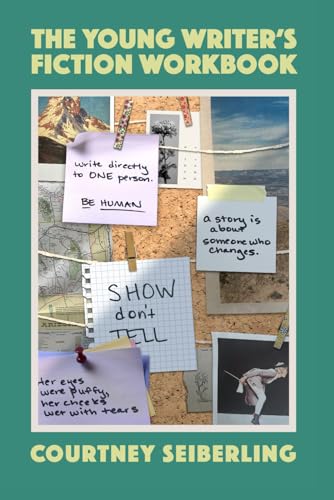
- Teaches story elements and craft
- Adds genre exploration and writing projects
- Useful for students and English teachers
Best For: Writers seeking structured fiction practice
Deep-Dive Prompt Collection

- Includes 101 prompts and additional exercises
- Aims to build creativity, vocabulary, and confidence
- 241 pages for extended writing practice
Best For: Teens wanting prompts with skill-building activities
Step-by-Step Story Guide
Teen Writer's Guide: Your Road Map to Writing

- Guides writers from ideas to story development
- Covers characters, voices, worlds, and publishing
- Designed for teen writers and teachers
Best For: Teens developing a complete story
Best for Story Prompt Practice

- 100 short-fiction prompts
- Builds plots, characters, and settings
- Includes writing tips and creative activities
Best For: Writers ages 8 to 12 developing fiction skills
Best for Essay Structure

- Teaches five-paragraph essay basics
- Covers thesis, evidence, transitions, and revision
- Includes sample and practice essays
Best For: High school writers strengthening academic essays
Best for Advanced Creative Practice

- Includes 50+ playful writing exercises
- Covers fiction and screenwriting craft
- Explores ideas, character, structure, and technique
Best For: Developing writers seeking broader craft practice
Modern High School Guide
Creative Writing for Grades 9-12

- Covers creative, persuasive, analytical, and descriptive writing.
- Includes prompts for stories, essays, speeches, and digital content.
- Designed for students ages 13–17.
Best For: High school students wanting broad academic and digital writing practice
Step-by-Step Storycraft

- Uses examples and clear steps to teach writing skills.
- Focuses on description, sensory detail, and short stories.
- Supports KS2, KS3, 11 Plus, and 13 Plus preparation.
Best For: Younger writers building core English and storytelling skills
Grade-Level Practice Builder
Spectrum 7th Grade Writing Workbook

- Offers 192 pages of guided writing practice.
- Covers informative, argumentative, comparative, and fiction writing.
- Includes grammar, writing-process lessons, and parent support pages.
Best For: Grade 7 students needing structured curriculum reinforcement
Genre-Spanning Prompt Pick – 101 Story Starters for Teens
101 Story Starters for Teens: Creative Writing Prompts to Kick Your Imagination into High Gear
Check Price On AmazonFor shoppers comparing creative writing workbooks for teenagers, 101 Story Starters for Teens is a straightforward prompt collection for middle- and high-school writers. It offers more than 100 starters across several genres, making it useful when a teen needs ideas for class assignments, warm-ups, or personal projects.
Best For: Teens ages 13–18 who want quick story ideas across multiple genres.
Pros:
- Includes more than 100 creative writing prompts.
- Covers science fiction, fantasy, mystery, humor, historical fiction, realistic fiction, horror, and romance.
- Suitable for classroom or at-home use, including writing warm-ups and short-story projects.
Cons:
- Focuses primarily on story starters rather than detailed instruction in writing craft.
- Its large 8.5-by-11-inch format may be less portable than a standard-sized workbook.
This is a good choice when variety and immediate inspiration matter most. Writers seeking a structured, step-by-step guide may prefer a more instructional title.
Craft-Building Workbook – The Young Writer's Fiction Workbook
Among creative writing workbooks for teenagers, The Young Writer’s Fiction Workbook stands out for combining instruction with practice. The first half covers story elements and craft, while the second explores genres through prompts, projects, examples, reading recommendations, and writing advice.
Best For: Young writers or teachers looking for a structured introduction to fiction craft and genre.
Pros:
- Explains essential story elements and writing techniques.
- Includes prompts, projects, examples, reading recommendations, and advice.
- Can support Creative Writing or English classroom curriculum.
Cons:
- Its emphasis on fiction may be less useful for teens focused on poetry or nonfiction.
- The supplied details do not specify a reading-age range.
This workbook is the strongest fit for readers who want more than isolated prompts. Its two-part structure can help turn inspiration into deliberate practice and broader genre exploration.
Deep-Dive Prompt Collection – 101 Writing Prompts for Teens
101 Writing Prompts for Teens is a substantial option for shoppers seeking creative writing workbooks for teenagers with plenty of guided activity. Designed for ages 13–18, it combines 101 prompts with exercises intended to build writing ability, vocabulary, original thinking, and confidence in expressing ideas.
Best For: Teens who want a large prompt book with added exercises for self-expression and skill building.
Pros:
- Provides 101 prompts for imaginative and emotional writing journeys.
- Includes exercises for improving writing and expressing complex thoughts.
- Its 241-page length offers more material than a brief prompt booklet.
Cons:
- The supplied description does not identify specific genres covered.
- It may be more extensive than needed for someone seeking only quick warm-up prompts.
This title suits teens who want prompts plus practice rather than a list of one-line ideas. It is especially appealing for writers using creative writing as a path toward confidence and self-discovery.
Step-by-Step Story Guide – Teen Writer's Guide: Your Road Map to Writing
For teens who need a roadmap rather than a prompt list, Teen Writer’s Guide: Your Road Map to Writing offers a guided approach to developing a story. It covers testing ideas, shaping characters and voices, building a world, understanding publishing, and pursuing writing goals.
Best For: Teen writers who want structured guidance from early ideas through longer-term writing goals.
Pros:
- Breaks the writing process into manageable stages.
- Covers story ideas, character types and voices, world-building, and publishing.
- Written for teen writers and also intended to help teachers support them.
Cons:
- It is more of a craft and career roadmap than a collection of 101 prompts.
- The listed grade-level range of 2–7 may not align perfectly with its stated teen reading age of 13–18.
This is a practical pick for a teen with a serious story idea who wants direction through the writing process. Choose another title if the primary goal is a large bank of short prompts.
Best for Story Prompt Practice – Secrets of Storytelling
For younger writers exploring creative writing workbooks for teenagers, Secrets of Storytelling offers a playful introduction to short fiction. Its 100 prompts, activities, and generous writing space focus on building plots, characters, and settings.
Best For: Writers ages 8 to 12 who want guided short-fiction practice and creativity-building exercises.
Pros:
- Includes 100 creative fiction prompts.
- Practices brainstorming, plot development, character creation, and setting.
- Provides tips for writer’s block and editing.
- Includes inspirational quotes from famous writers.
Cons:
- The stated reading age is 8 to 11, so it may feel too young for older teenagers.
- Focuses on short fiction rather than academic essay writing.
This is a strong choice for younger writers who benefit from structure, variety, and space to experiment. Older teens or students seeking formal writing instruction may want a more advanced workbook.
Best for Essay Structure – 5-Paragraph Essay Mastery
Among creative writing workbooks for teenagers, The 5-Paragraph Essay Mastery is tailored to practical school writing. It walks teen writers through topic selection, thesis statements, paragraph structure, transitions, revision, and essay practice.
Best For: High school students who need step-by-step support writing organized five-paragraph essays.
Pros:
- Explains introductions, body paragraphs, conclusions, and transitions.
- Includes activity sections, practice prompts, and self-evaluation.
- Provides 10 sample essays and 10 practice essays.
- Includes revision, editing, peer review, and answer materials.
Cons:
- Concentrates on five-paragraph essays rather than imaginative fiction.
- At 117 pages, it offers less total practice space than some longer workbooks.
This workbook is a focused academic-writing tool rather than a broad creative-writing guide. Its examples, guided activities, and practice essays make it especially useful for students working on school assignments and exams.
Best for Advanced Creative Practice – Creative Writing Exercises
Creative Writing Exercises: Improve Your Craft Through Play (Screen and fiction writing craft)
Check Price On AmazonFor older teens and developing writers comparing creative writing workbooks for teenagers, Creative Writing Exercises provides more than 50 exercises designed to make practice playful and exploratory. The topics span ideas, character, story worlds, structure, technique, and the writer’s mindset.
Best For: Serious beginners and experienced writers interested in fiction, screenwriting, or playwriting exercises.
Pros:
- Offers more than 50 themed writing exercises.
- Covers character and motivation, story world, stakes, structure, and technique.
- Written by an Emmy-nominated writer and creative writing teacher.
- Includes guidance on creativity and managing the writer’s mental health.
Cons:
- The notes do not identify a specific teenage reading age.
- Its screenwriting, playwriting, and fiction scope may be broader than needed for school assignments.
This is the most craft-oriented option in the group, suited to teens ready to explore writing beyond basic prompts. Its exercises emphasize experimentation and process, making it a useful choice for overcoming creative stagnation.
Modern High School Guide – Creative Writing for Grades 9-12
For shoppers comparing creative writing workbooks for teenagers, this 119-page guide is designed for ages 13–17 and combines storytelling with persuasive, analytical, and digital writing practice. It is a broad option for teens who want to strengthen school writing while exploring blogs, scripts, social media, and other modern formats.
Best For: High school students seeking a wide-ranging workbook for essays, creative stories, critical analysis, and digital content.
Pros:
- Covers creative, persuasive, analytical, and descriptive writing.
- Includes exercises and prompts for characters, plots, dialogue, essays, and speeches.
- Addresses modern formats such as blogs, headlines, email pitches, and video scripts.
- Written specifically for the Grade 9–12 age range.
Cons:
- The 119-page format may provide less depth than a longer reference book.
- Its digital-marketing sections may not appeal to teens seeking fiction-only practice.
This is the most versatile choice of the three for older teenagers, especially those who want writing skills that apply to both school assignments and online communication. Buyers looking for a focused fiction workbook may prefer a narrower resource.
Step-by-Step Storycraft – RSL Creative Writing, Book 1
Among creative writing workbooks for teenagers and younger secondary students, RSL Creative Writing, Book 1 takes a structured, example-led approach. Its 95 pages focus on descriptive language, sensory detail, short-story writing, grammar, and clear progression through manageable skills.
Best For: Learners in late primary or early secondary school who want guided practice in description, storytelling, and English exam preparation.
Pros:
- Breaks writing skills into clear steps with examples of effective and ineffective writing.
- Develops sensory description, dramatic sentences, elegant paragraphs, and short stories.
- Also introduces letters, emails, and essays.
- Suitable for ages 9 and up, including KS2 and KS3 learners.
Cons:
- Book 1 has a relatively focused scope, centered on three main chapters.
- Its stated age range may make it less suitable for older high school students.
RSL Creative Writing, Book 1 is a strong introductory workbook for students who benefit from explicit modeling and incremental exercises. It is particularly relevant to 11 Plus and 13 Plus preparation, but older teens seeking advanced or digital writing may outgrow it.
Grade-Level Practice Builder – Spectrum 7th Grade Writing Workbook
This 192-page Spectrum workbook is a practical pick for families comparing creative writing workbooks for teenagers around seventh grade. It combines guided lessons, writing prompts, grammar practice, chapter reviews, and the five-step writing process across informative, argumentative, comparative, and fiction writing.
Best For: Grade 7 students, typically ages 11–13, who need structured writing reinforcement with room to complete exercises.
Pros:
- Provides substantial practice across 192 pages.
- Covers informative, argumentative, comparative, and fiction writing.
- Includes grammar activities and instruction on the five-step writing process.
- Parent support pages offer definitions, teaching tips, and skill checklists.
Cons:
- Its grade-specific approach may be too basic for older high school teens.
- The workbook emphasizes curriculum reinforcement more than advanced creative writing.
Spectrum is the most classroom-style option here, making it useful for steady, skills-based practice and parent-supported learning. Choose it for a middle-school student who needs repetition and structure rather than a specialized fiction or digital-writing guide.
How We Picked the Best Creative Writing Workbooks for Teenagers
We looked for workbooks that provide clear instruction, useful exercises, and enough variety to support sustained practice. The selection includes prompt-driven books for generating ideas, fiction-focused guides for developing characters and plots, and academic workbooks for students who need stronger essays or broader high-school writing skills.
We also considered age range, learning curve, organization, and flexibility. Some books work well for independent study, while others are better suited to classroom assignments, homeschool lessons, or guided work with a parent, tutor, or teacher.
Quick Comparison
| Best For | Look For |
|---|---|
| Generating story ideas | Prompt collections and story starters |
| Learning fiction craft | Lessons on plot, character, setting, and revision |
| Improving school writing | Step-by-step instruction for essays and analysis |
| Developing overall skills | Balanced practice across creative, persuasive, and informative writing |
| Independent practice | Clear explanations, examples, and self-contained exercises |
Key Buying Factors for Creative Writing Workbooks for Teenagers
Age and Difficulty
Check the intended grade or age range before buying. A workbook designed for younger middle-school students may feel too basic for an advanced teenager, while a craft-heavy fiction guide can overwhelm a beginner. Choose a level that offers some challenge without requiring extensive outside instruction.
Creative Versus Academic Focus
Prompt books are useful for imagination and writing fluency, but they may not teach essay structure or revision in depth. If the student needs help with schoolwork, choose a book covering organization, thesis statements, evidence, paragraphs, grammar, or analytical writing. For aspiring novelists and screenwriters, prioritize character, conflict, dialogue, scene construction, and editing.
Exercise Format
Look for activities that match the student’s preferred working style. Short prompts are easy to use regularly, while longer guided projects provide more depth. A workbook with space to write directly in the book is convenient, but a digital document or separate notebook may be better for students who want to revise extensively.
Progress and Feedback
The strongest choices explain why an exercise matters and provide a path from brainstorming to drafting and revision. Students who work independently benefit from examples, checklists, and clear answers or models where appropriate.
Who Should Buy Which Creative Writing Workbooks for Teenagers?
Choose a story-starter collection for a reluctant writer or anyone who needs quick inspiration. A fiction workbook is a better fit for teens who want to build complete stories and understand how creative decisions work. Students preparing for assignments or exams should choose an essay, high-school, or general writing workbook with structured instruction.
For younger teens, a middle-school writing workbook can provide accessible practice across several formats. Older students with established skills may gain more from a craft-oriented workbook that emphasizes experimentation, revision, and developing an individual voice. If needs are mixed, pair a creative prompt book with a structured academic guide rather than expecting one workbook to cover every goal equally well.