The best survival adventure books combine real danger, hard-won ingenuity, and unforgettable journeys. This collection spans true survival accounts, wilderness fiction, exploration disasters, and coming-of-age adventures.
Whether you want practical wilderness insight or a gripping story for your next trip, these ten books offer compelling perspectives on preparation, endurance, and decision-making under pressure.
Best 10 Survival Adventure Books Picks for 2026
Alaskan Solitude
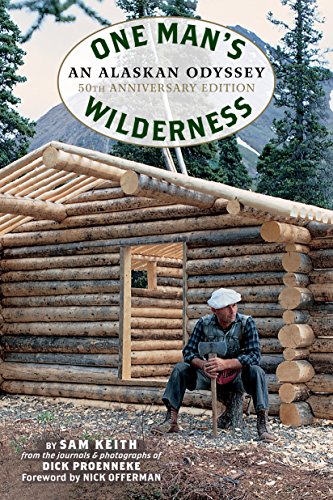
- Firsthand account of Alaskan cabin life
- Emphasizes self-sufficiency and craftsmanship
- Includes new foreword and color photographs
Best For: Readers drawn to practical wilderness living and reflective survival memoirs
Polar Endurance

- True story of Antarctic survival
- Follows Douglas Mawson’s ordeal alone
- Unabridged audiobook narrated by Matthew Brenher
Best For: Listeners who want intense exploration history and endurance
Young Wilderness Classic

- Classic story of a boy living in the woods
- Highlights ingenuity and self-reliance
- Listed for readers ages 8 and up
Best For: Young readers and families exploring wilderness adventure fiction
Frontier Family Courage

- True family homesteading story in Alaska
- Covers winter, wildlife, isolation, and conflict
- Centers on Norma Cobb’s resilience
Best For: Readers interested in family survival and frontier homesteading
Wilderness Immersion
Alone in the Fortress of the Bears

- True account of 70 days alone in Southeast Alaska
- Features foraging, fishing, hunting, and wilderness solitude
- Unabridged audiobook narrated by the author
Best For: Listeners seeking an immersive firsthand wilderness-survival story
Survival at Sea

- True story of a 1980 fishing disaster
- Follows 72 hours of storm-driven survival
- Features sixty-foot waves and hurricane-force winds
Best For: Readers drawn to gripping nonfiction sea-disaster accounts
Teen Survival Fiction

- Follows a girl stranded over the Pacific Ocean
- Builds tension with scarce supplies and sharks
- Designed for readers ages 12–18
Best For: Teen readers seeking fast-paced ocean survival fiction
Amazon Rainforest Survival

- True story of survival in the Amazon
- Improvised endurance without basic gear
- Intense focus on isolation and self-discovery
Best For: Readers seeking a gripping tropical-wilderness survival narrative
North Woods Survival Cases

- Two true survival stories
- Ontario and Boundary Waters settings
- Unabridged audiobook narration
Best For: Listeners drawn to realistic wilderness cautionary tales
Grand Canyon Expedition

- 750-mile Grand Canyon odyssey
- High-risk terrain and scarce water
- Includes history and conservation themes
Best For: Readers wanting a sweeping, place-rich wilderness expedition
Alaskan Solitude – One Man's Wilderness
For readers seeking survival adventure books grounded in real wilderness living, One Man’s Wilderness offers a firsthand look at Dick Proenneke’s solitary life in Alaska. His journals describe building a log cabin, crafting needed tools, exploring the landscape, and responding to the steady demands of nature.
Best For: Readers interested in self-sufficiency, cabin building, Alaskan wilderness, and reflective survival memoirs.
Pros:
- Based on Proenneke’s firsthand journals and daily experiences.
- Highlights practical craftsmanship and self-sufficient living.
- Includes an all-new foreword and previously unpublished color photographs.
- Recognized with the National Outdoor Book Award.
Cons:
- Focuses on one person’s lifestyle rather than a conventional survival manual.
- The contemplative, day-to-day format may not suit readers seeking nonstop action.
This is a strong choice for anyone who wants an immersive, authentic account of surviving—and finding contentment—in a remote natural setting.
Polar Endurance – Alone on the Ice
Alone on the Ice is a gripping audiobook pick for fans of survival adventure books and true exploration narratives. It recounts Douglas Mawson’s desperate 1913 Antarctic trek after losing his companions, dogs, food, and supplies, emphasizing the physical and psychological extremes of survival.
Best For: Audiobook listeners who enjoy true polar exploration, extreme endurance, and high-stakes survival accounts.
Pros:
- Based on a remarkable real-life Antarctic survival ordeal.
- Features intense obstacles, including starvation, injury, and crevasse danger.
- Unabridged listening time runs approximately 11 hours and 39 minutes.
- Narrated by Matthew Brenher.
Cons:
- The story contains graphic descriptions of severe physical suffering.
- Available in the supplied format as an audiobook rather than a print edition.
Choose this when you want a dramatic, true survival story driven by relentless adversity and expedition history rather than practical how-to instruction.
Young Wilderness Classic – My Side of the Mountain
Among survival adventure books for younger readers, My Side of the Mountain stands out as an accessible coming-of-age story about living off the land. Twelve-year-old Sam Gribley leaves crowded New York City for the Catskills and uses limited supplies, ingenuity, and natural resources to build an independent life.
Best For: Children, families, and nostalgic adult readers interested in wilderness adventure, independence, and outdoor resourcefulness.
Pros:
- Centers on a memorable young protagonist and a clear wilderness challenge.
- Explores ingenuity, self-reliance, identity, and living off the land.
- Newbery Honor Book with more than four million copies sold.
- Appropriate for a listed reading range of ages 8 and up.
Cons:
- Its fictional, youth-focused perspective may feel less realistic to adults seeking memoirs.
- It is an adventure novel, not a formal survival skills guide.
This is an inviting introduction to wilderness storytelling, especially for younger readers curious about escape, outdoor skills, and self-discovery.
Frontier Family Courage – Arctic Homestead
Arctic Homestead: The True Story of One Family's Survival and Courage in the Alaskan Wilds
Check Price On AmazonArctic Homestead is a compelling choice for readers who prefer survival adventure books based on family experience. Norma Cobb recounts moving with her husband and five children to remote Alaska, where the family faced severe winters, dangerous animals, failed construction attempts, hostile neighbors, and long periods of separation.
Best For: Readers seeking a family survival memoir focused on resilience, homesteading, frontier hardship, and a mother’s courage.
Pros:
- Presents a true account of an entire family adapting to remote Alaska.
- Includes practical hardships involving shelter, flooding, winter, wildlife, and isolation.
- Offers a strong perspective on Norma Cobb’s determination and leadership.
- Available as an enhanced digital edition with screen-reader support and Word Wise.
Cons:
- Its family and homesteading focus may be less appealing to readers seeking solo adventure.
- The account includes threatening violence and dangerous frontier conflicts.
For a broader, family-centered view of Alaskan survival, this memoir combines homesteading challenges with a powerful story of endurance under pressure.
Wilderness Immersion – Alone in the Fortress of the Bears
Alone in the Fortress of the Bears: 70 Days Surviving Wilderness Alaska: Foraging, Fishing, Hunting
Check Price On AmazonFor readers seeking survival adventure books rooted in firsthand experience, this unabridged audiobook follows a 70-day wilderness stay in Southeast Alaska. Bruce Nelson recounts surviving through foraging, fishing, hunting, and solitude among brown bears, with vivid details of storms, wildlife, and remote island life.
Best For: Readers who want a firsthand wilderness-survival story in audiobook format.
Pros:
- Based on a 10-week solo stay in Southeast Alaska
- Covers practical survival activities including fishing, hunting, and foraging
- Includes vivid encounters with bears, killer whales, storms, and mountain landscapes
Cons:
- Focuses on one person’s experience rather than step-by-step instruction
- Audiobook format may not suit readers seeking a print edition
This is a strong choice for immersive, true wilderness storytelling, especially if you prefer listening to a survival account narrated by its author.
Survival at Sea – Fatal Forecast
Among survival adventure books, Fatal Forecast stands out as a nonfiction account of a catastrophic fishing trip. It follows eight fishermen through a 72-hour ordeal involving sixty-foot waves, hurricane-force winds, and a malfunctioning weather buoy, with particular focus on Ernie Hazzard’s prolonged time adrift.
Best For: Readers who prefer true disaster narratives focused on extreme weather and survival at sea.
Pros:
- Based on a true 1980 disaster near Georges Bank
- Provides a moment-by-moment account of 72 hours at sea
- Highlights both the power of the storm and the crew’s will to survive
Cons:
- Concentrates on maritime disaster rather than general wilderness skills
- The intense subject matter may be too harrowing for some readers
Choose this paperback for a gripping, fact-based sea-survival narrative rather than a practical survival manual. Its compact 256-page format makes it an accessible pick for disaster-story readers.
Teen Survival Fiction – The Raft
For younger readers browsing survival adventure books, The Raft delivers a fast-moving ocean survival story. Robie is stranded over the Pacific after a cargo-plane emergency, sharing a raft with Max while facing limited food and water, sharks, rough conditions, and uncertain rescue.
Best For: Teen readers who enjoy accessible survival fiction with an ocean setting and immediate danger.
Pros:
- Features a high-stakes survival setup over the Pacific Ocean
- Creates tension through scarce water, minimal food, sharks, and isolation
- Written for a listed reading age of 12–18
Cons:
- Fictional rather than a firsthand or true survival account
- Its listed grade level and teen focus may not suit adult nonfiction readers
With 256 pages and a straightforward premise, this is a suitable introductory choice for teens who want suspenseful survival fiction rather than a detailed instructional guide.
Amazon Rainforest Survival – Jungle
Jungle is a gripping choice for readers seeking survival adventure books based on real events. Yossi Ghinsberg’s ordeal in the Amazon combines wilderness danger, isolation, and improvised survival after a rafting accident separates him from his partner.
Best For: Readers who want an intense true survival story set in a remote tropical environment.
Pros:
- Based on a harrowing true account in the Amazon rainforest.
- Strong focus on improvisation, endurance, and self-discovery.
- Describes survival without a knife, map, or formal training.
Cons:
- The ordeal includes graphic and emotionally difficult moments.
- It is a narrative survival account rather than a practical skills manual.
This is a particularly compelling pick if you prefer survival stories driven by escalating danger and psychological endurance. Its 326-page length offers room for both the physical ordeal and the broader themes of friendship and nature.
North Woods Survival Cases – Lost in the Wild
Lost in the Wild is a strong audiobook option for fans of survival adventure books who want two real wilderness cases rather than a single expedition. It follows men lost in Ontario’s Quetico Provincial Park and Minnesota’s Boundary Waters after accidents and small mistakes leave them separated from safety and supplies.
Best For: Audiobook listeners interested in realistic wilderness mistakes, disorientation, and survival under harsh conditions.
Pros:
- Presents two separate survival experiences in the North Woods.
- Shows how confusion, injury, cold, and lost supplies compound quickly.
- Unabridged 7-hour-47-minute narration by Roger Wayne.
Cons:
- The setting is specifically the North Woods rather than tropical or desert wilderness.
- It is an audiobook narrative, not a step-by-step survival guide.
Choose this if you value realistic cautionary stories built around ordinary errors and rapidly changing conditions. The two-case structure also gives the book a broader perspective on how people respond to being lost.
Grand Canyon Expedition – A Walk in the Park
A Walk in the Park: The True Story of a Spectacular Misadventure in the Grand Canyon
Check Price On AmazonA Walk in the Park suits readers looking for survival adventure books with a larger expedition story and a strong sense of place. Kevin Fedarko recounts a 750-mile, end-to-end Grand Canyon traverse undertaken with Pete McBride, where limited water, cliffs, rough terrain, and lack of preparation turn the ambitious journey into a serious ordeal.
Best For: Readers who want an expansive nonfiction adventure blending wilderness risk, landscape, history, and conservation.
Pros:
- Documents an epic 750-mile journey through the Grand Canyon.
- Explores difficult terrain, scarce water, and the consequences of limited preparation.
- Adds perspectives from hikers, Native American tribes, and conservation concerns.
- Acclaimed nonfiction winner with a substantial 512-page length.
Cons:
- The journey is extensive and unfolds over more than a year.
- Its history, cultural, and preservation themes may be more prominent than survival technique.
This is the best fit of the three for readers who want a richly reported expedition rather than a tightly focused survival incident. It pairs physical hardship with reflection on the Grand Canyon’s history, beauty, and vulnerability.
How We Picked These Survival Adventure Books
We selected books that offer more than dramatic settings. Each title was chosen for its combination of compelling storytelling, credible survival challenges, distinctive environments, and useful insight into how people respond to isolation, injury, weather, limited resources, and uncertainty.
The list includes nonfiction firsthand accounts, reported true stories, and respected wilderness fiction. That mix makes it useful for readers who want either factual survival lessons or immersive adventure. We also considered setting variety, covering Alaska, the Arctic, the Amazon, the open sea, the North Woods, and the Grand Canyon.
Quick Comparison
| Best For | Recommended Type | What to Expect |
|---|---|---|
| Alaskan wilderness | One Man’s Wilderness or Alone in the Fortress of the Bears | Remote living, foraging, hunting, weather, and self-reliance |
| Exploration history | Alone on the Ice | Polar expeditions, leadership, endurance, and tragedy |
| Young readers | My Side of the Mountain | Independence, shelter-building, and outdoor problem-solving |
| Sea disasters | Fatal Forecast or The Raft | Decision-making, uncertainty, and survival on the water |
| Extreme travel stories | Jungle or A Walk in the Park | Misadventure, terrain hazards, and physical endurance |
Key Buying Factors for Survival Adventure Books
True Story or Fiction
Decide whether you want documented events or a novelized adventure. True stories can provide historical and practical context, while fiction often offers a faster pace and an accessible introduction to wilderness skills.
Setting and Survival Challenge
Match the environment to your interests. Arctic cold, dense jungle, open water, and mountainous terrain create very different risks. Readers preparing for a specific trip may prefer a book whose setting resembles their destination.
Reading Level and Intended Audience
Some titles focus on detailed expedition history, while others are shorter, more accessible adventures. Check the tone and age range if you are buying for a younger reader or selecting a family read.
Practical Insight Versus Entertainment
These books are not substitutes for first-aid, navigation, or wilderness-safety training. However, they can sharpen awareness of preparation, resource management, weather changes, and the consequences of poor decisions.
Who Should Buy Which Survival Adventure Books?
Choose One Man’s Wilderness or Arctic Homestead if you enjoy reflective accounts of remote Alaskan life. Pick Alone on the Ice for exploration history and polar endurance. My Side of the Mountain is the approachable choice for younger readers and anyone drawn to self-sufficient outdoor living.
For intense true survival narratives, consider Fatal Forecast, The Raft, Jungle, or A Walk in the Park. Readers who prefer North American wilderness hazards should look at Lost in the Wild. If you want a particularly immersive account of sustained isolation and resourcefulness, Alone in the Fortress of the Bears is a strong fit.