Choosing the right field guide can make waterfowl ID faster, easier, and far less frustrating. The best books balance clear illustrations or photos, smart organization, and coverage that matches where you bird.
Whether you want a compact starter guide or a deeper reference for ducks, geese, and swans, this roundup focuses on practical options that help you identify birds confidently in the field.
Best 10 Waterfowl Identification Books Picks for 2026
Compact Field Guide
Waterfowl Identification (LeMaster Method)
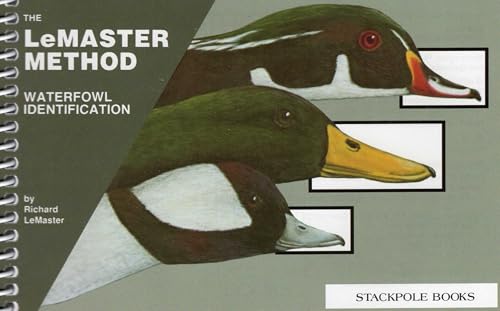
- Covers 40 ducks, geese, and swans
- 80-page revised field guide
- Very portable size for carrying outdoors
Best For: Birders and hunters who want a lightweight, focused guide
Authoritative Reference Set
Ducks, Geese, and Swans of North America

- Two-volume revised reference set
- Covers 46 North American species
- Includes maps, illustrations, and a CD
Best For: Serious birders and professionals who need the most complete reference
Visual ID Guide
The Crossley ID Guide: Waterfowl
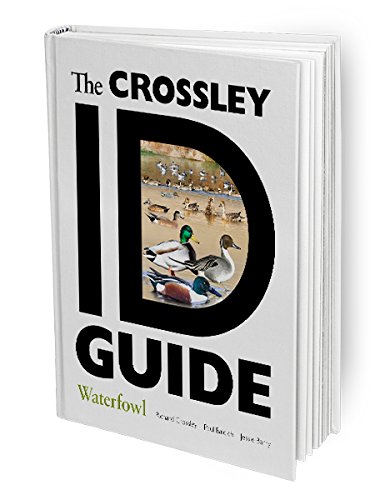
- Scene-based identification approach
- Nearly 300 pages of visual examples
- Made for hunters and birders
Best For: Readers who want a modern, visual way to identify waterfowl
Photographic Field Guide
Waterfowl of Eastern North America

- 400+ photos in natural settings
- Includes look-alikes and flight comparisons
- Designed for eastern North America
Best For: New birders and hunters who want a photo-driven field guide
Detailed Photo Guide
North American Ducks, Geese and Swans

- Photo-rich ID coverage
- Shows age classes and plumage phases
- Includes range maps and population estimates
Best For: Birders who want a detailed photographic reference for North American waterfowl
Quick Basics Card
Cornell Lab Waterfowl ID Series: 1

- Explains core ID clues clearly
- Emphasizes shape and white markings
- Compact 12-page field aid
Best For: Beginners needing a quick, portable introduction to waterfowl ID
Back-Pocket Field Guide

- 185 color photos for comparison
- Laminated and waterproof
- Fits in a back pocket
Best For: Birders wanting a durable pocket guide for quick North American waterfowl ID
Pocket field guide
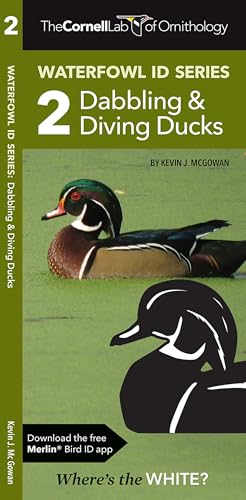
- Silhouettes and color images for fast ID
- Focuses on shape and white-pattern clues
- Compact 12-page field guide
Best For: Quick duck identification in the field
Comprehensive reference
Ducks, Geese & Swans Reference

- Covers 84 species and 100+ hybrids
- 72 plates, 650+ photos, and 85 maps
- Deep detail on plumage, voice, and molt
Best For: Advanced birders needing an authoritative reference
Coastal pocket guide

- Covers sea ducks, geese, loons, and grebes
- Silhouettes plus seasonal color images
- Compact guide built around key field clues
Best For: Coastal birders and quick field checks
Compact Field Guide – Waterfowl Identification (LeMaster Method)
If you want waterfowl identification books that are easy to carry and focused on the essentials, this compact LeMaster guide is built for quick field use. It covers 40 species of ducks, geese, and swans in a revised 80-page format, making it a practical pick for birders and hunters who want a streamlined reference.
Best For: Birders and hunters who want a lightweight, focused guide for identifying common waterfowl species in the field.
Pros:
- Covers 40 species of ducks, geese, and swans
- Compact size is easier to carry than larger reference books
- Revised edition from a long-running Stackpole Books title
Cons:
- Only 80 pages, so it is less detailed than larger reference works
- Best suited to identification basics rather than deep species accounts
This is a good no-frills choice if you mainly want a portable, species-focused waterfowl reference. It is especially appealing when you need something simple to bring into the field.
Authoritative Reference Set – Ducks, Geese, and Swans of North America
Among waterfowl identification books, this two-volume set stands out as the most comprehensive option here. It is a fully revised and updated reference on North America’s 46 species, with in-depth species accounts, range maps, photos, original artwork, wing illustrations, and a CD with references and additional maps.
Best For: Professional biologists, serious birders, waterfowl hunters, decoy collectors, and wildlife managers who want an authoritative reference.
Pros:
- Covers North America’s 46 species in depth
- Includes winter and breeding range maps plus full-color images
- Species accounts cover identification, migration, habitat, and more
- Two-volume slipcased set with a reference CD
Cons:
- Very large and heavy, so it is not a field pocket guide
- More reference-library oriented than quick casual use
If you want the deepest available treatment in this roundup, this is the book to choose. It is a substantial, long-form reference rather than a simple identification handbook.
Visual ID Guide – The Crossley ID Guide: Waterfowl
This entry in waterfowl identification books uses a highly visual approach that compares birds in lifelike scenes instead of isolated portraits. It presents nearly 300 pages of waterfowl scenes showing different views, plumages, behavior, flight, and habitat, with text that reinforces the visual cues.
Best For: Hunters and birders who learn best from visual scenes and want a more modern identification style.
Pros:
- Nearly 300 pages of waterfowl scenes
- Shows birds in multiple views, plumages, and behaviors
- Emphasizes size, shape, behavior, probability, and color
- Designed for both hunters and birders
Cons:
- Larger and heavier than a pocket field guide
- Its scene-based format may feel different from traditional guides
This is a strong pick if you want identification help that looks and feels more like real-world birding. The format is especially useful for readers who struggle with standard photo-by-photo guide layouts.
Photographic Field Guide – Waterfowl of Eastern North America
If you prefer waterfowl identification books built around photographs, this field guide is a practical option for eastern North America. It uses more than 400 photos, annotated ID notes, and comparison sections to help novice birders, new hunters, and anyone trying to name ducks, geese, and related waterfowl.
Best For: Novice birders, new hunters, and eastern North America birdwatchers who want a photo-heavy identification guide.
Pros:
- Over 400 photographs in natural settings
- Explains differences between males, females, and seasonal plumages
- Includes look-alikes and flight comparison sections
- Compact 160-page paperback format
Cons:
- Focused on eastern North America rather than all regions
- Covers more than ducks and geese, which may be broader than some buyers need
This guide is a solid choice if photographs help you learn faster than drawings or dense text. Its organized comparison sections make it especially useful when you are sorting out similar-looking birds in the field.
Detailed Photo Guide – North American Ducks, Geese and Swans
If you want waterfowl identification books that lean heavily on visual comparison, this revised guide is built for careful field study. Its photographic approach highlights plumage phases, age classes, behavioral postures, and variation across ducks, geese, and swans, while brief text, bullet-point ID cues, range maps, and population estimates help turn what you see into a usable ID.
Best For: Birders who want a photo-rich North American waterfowl identification book with detailed visual coverage and supporting range information.
Pros:
- Richly detailed photographic coverage with mostly author-taken images
- Focuses on plumage phases, age classes, and behavioral postures
- Includes brief ID bullet points, range maps, and population estimates
- Covers North America plus Hawaii, Greenland, Mexico, and U.S. Pacific territories
Cons:
- At 208 pages, it is more of a reference guide than a pocket field card
- Brief text may not satisfy readers wanting very deep species narratives
This is a strong pick if your priority is comparing real photographs instead of relying on illustrations alone. It works especially well for birders who want a practical, visually detailed reference to carry into focused waterfowl study.
Quick Basics Card – Cornell Lab Waterfowl ID Series: 1
For shoppers comparing waterfowl identification books, this compact Cornell Lab guide is all about learning the basics fast. It explains how to sort waterfowl by size, shape, color pattern, markings, behavior, habitat, range, and calls, with a special emphasis on shape and the flashes of white that often stand out at a distance.
Best For: Beginners who want a simple, portable waterfowl identification guide focused on fast field recognition.
Pros:
- Teaches a simple identification approach built around shape and color pattern
- Highlights the importance of white markings for quick distance ID
- Compact 12-page format is easy to carry and use in the field
- Supports Cornell Lab educational activities and is made in the USA
Cons:
- Very short at 12 pages, so it is not a comprehensive reference
- Best suited to fundamentals rather than detailed species coverage
This is a good low-commitment choice if you want a concise introduction before moving to more detailed guides. It is especially useful when you need a quick framework for narrowing down waterfowl at a glance.
Back-Pocket Field Guide – Waterfowl of North America
If you need waterfowl identification books that are built for fast comparison in the field, this laminated quick-reference guide is easy to like. It covers all breeding and commonly occurring North American species with color photos of males, females, immatures, and side-by-side similar species, plus notes on measurements, habitat, and seasonal status.
Best For: Birders who want a waterproof, pocket-sized North American waterfowl field guide for quick comparisons.
Pros:
- Includes 185 color photos across breeding and commonly occurring species
- Shows perched, swimming, and flight views for better comparison
- Side-by-side similar species make ID checks easier
- Laminated, waterproof, folding format fits in a back pocket
Cons:
- At 12 pages, it is streamlined rather than deeply exhaustive
- Short species accounts may not be enough for advanced study
This is the most field-ready option here if portability and durability matter most. It is a practical grab-and-go guide for birders who want quick visual comparisons without carrying a larger book.
Pocket field guide – Dabbling & Diving Ducks
If you’re comparing waterfowl identification books for quick field use, this Cornell Lab guide is built around the traits that matter most for ducks: shape and the pattern of white. It covers more than 25 species and pairs silhouettes with full-color images of males and females, making it a practical choice when you need fast visual cues rather than a deep reference.
Best For: Birders who want a compact, beginner-friendly guide focused on dabbling and diving ducks.
Pros:
- Emphasizes shape and white patterning, which the guide says are the most important ID clues for this group.
- Includes silhouettes plus full-color images of both males and females.
- Covers behavior, habitat, color patterns, and other species traits.
- Portable 12-page format for field observation.
Cons:
- Limited to dabbling and diving ducks rather than all waterfowl.
- Only 12 pages, so it is less detailed than a full reference book.
Overall, this is a focused field guide for quickly narrowing down common duck IDs. It works best when you want a lightweight aid that prioritizes the visual features most useful in the field.
Comprehensive reference – Ducks, Geese & Swans Reference
Among waterfowl identification books, this Princeton guide is the most comprehensive option in the set. It covers ducks, geese, and swans across North America, Europe, and Asia, with 72 color plates, more than 650 photos, and detailed treatment of taxonomy, age and sex, voice, molt, hybridization, habitats, and distribution.
Best For: Serious birders and reference-minded readers who want a broad, in-depth waterfowl ID resource.
Pros:
- Extensive coverage of 84 species plus more than 100 hybrids.
- Combines 72 color plates with over 650 color photos.
- Includes maps, measurements, voice, molt, and hybridization details.
- Strong regional scope for North America, Europe, and Asia.
Cons:
- At 656 pages, it is much less portable than a pocket guide.
- More reference-heavy than a quick beginner field book.
This is the best choice if you want a deep, all-in-one waterfowl reference instead of a slim identification aid. It is especially useful when you need to study plumages, hybrids, and geographic variation in detail.
Coastal pocket guide – Sea Ducks & Other Waterfowl
If your search is narrowed to waterfowl identification books for coastal species, this Cornell Lab guide focuses on sea ducks and other waterfowl such as geese, loons, and grebes. It uses the same field-friendly approach as the other guide in the series, highlighting shape, white patterning, behavior, habitat, and seasonal changes alongside silhouettes and color images.
Best For: Birders and nature observers who want a compact guide for sea ducks and related waterfowl.
Pros:
- Covers more than 25 species of sea ducks, geese, loons, grebes, and other waterfowl.
- Uses silhouettes to stress distinctive shape and placement of white.
- Includes full-color images of pairs and seasonal changes.
- Addresses behavior, habitat, and other ID clues in a compact format.
Cons:
- Only 12 pages, so coverage is necessarily brief.
- Focuses on a narrower waterfowl set rather than all ducks and geese.
This is a useful pocket guide when your birding is centered on coastal or open-water species. It is most effective as a fast visual reference, not a deep species-by-species handbook.
How We Picked These Waterfowl Identification Books
We looked for books that are useful in real birding conditions, not just impressive on a shelf. Priority went to identification clarity, species coverage, range and season detail, image quality, and how quickly a reader can move from general shape to a confident match.
We also favored a mix of formats, including regional guides, broader North American references, and series-style books that break down waterfowl into easier-to-learn groups. That variety matters because the best choice for a beginner is not always the best choice for an advanced birder or hunter.
Quick Comparison
If you want one all-around reference, broader North American guides tend to offer the most complete coverage. If you bird a specific region, a localized title can be more efficient because it reduces clutter and focuses on the birds you are most likely to see. Photo-heavy guides can be especially helpful for learning field marks, while illustration-based books often make subtle plumage differences easier to compare side by side.
Key Buying Factors for Waterfowl Identification Books
Coverage Area
Start by matching the book to your birding location. A guide for Eastern North America may be ideal if you rarely travel, while a wider North American or global guide is better for travelers and serious listers.
Learning Style
Some readers learn best from photos, others from paintings or annotated plates. If you are building skills from scratch, choose Waterfowl Identification Books that explain shape, behavior, flight patterns, and seasonal changes, not just names and range maps.
Organization and Field Use
The most useful books let you narrow choices quickly. Look for clear grouping by duck type, strong indexing, and concise comparisons among look-alike species. Portability also matters if you plan to carry the book outdoors.
Depth Vs. Simplicity
Beginners usually benefit from straightforward guides that teach the basics first. More experienced birders may want detailed references with age, sex, molt, hybrid, and regional variation coverage. The right level of detail keeps the book helpful instead of overwhelming.
Who Should Buy Which Waterfowl Identification Books?
Choose a beginner-friendly guide if you are new to waterfowl and want a faster learning curve. Pick a regional book if you mostly bird locally and want a practical field companion. Go with a comprehensive North American or broader reference if you need deeper coverage, travel often, or want to compare similar species across multiple regions.
If you prefer a structured learning approach, a multi-volume or series-based option can be a smart buy because it builds knowledge in manageable sections. That makes Waterfowl Identification Books especially useful for birders who want to improve steadily rather than just look up a species once.